Looking ahead to 2025, it’s clear that the world of High Frequency Transformer tech is about to see some pretty big changes. This shift is being driven largely by breakthroughs in renewable energy and a growing need for more efficient power conversion systems. A recent report from the International Electrotechnical Commission even predicts that the global market for high frequency transformers will grow by over 12% each year, potentially hitting around $4 billion by 2025.

Leading the charge in this innovation is Beijing TransFar Electronics Group Co., Ltd.They’re a high-tech company that really knows their stuff when it comes to research, design, and production of energy solutions—including new energy Reactors and those high frequency transformers we keep hearing about. By tapping into the latest trends and tech advancements, companies like TransFar are in a great spot to take advantage of this booming market, and they’re actually playing a role in steering us toward a more sustainable energy future.
Emerging Technologies Shaping High Frequency Transformers in 2025
As we step into 2025, we're really going to see some exciting new technologies shaking up the design and use of high frequency transformers. One major player in this game is the integration of wide-bandgap semiconductors like Silicon Carbide (SiC) and Gallium Nitride (GaN). These materials are all about boosting efficiency and thermal performance, which is pretty awesome. A recent report from Fortune Business Insights even suggests that the global market for SiC and GaN devices could hit a whopping $2.7 billion by 2025, showing just how fast folks are jumping on the bandwagon with these materials for high frequency transformers.
But that’s not all! The advancements in digital control systems are really shaking things up when it comes to how we can operate high frequency transformers more efficiently. Thanks to artificial intelligence and machine learning, manufacturers are now able to manage loads better and even predict maintenance needs. This means we can cut down on downtime and keep those operational costs low. According to research from MarketsandMarkets, the whole digital transformation in manufacturing—including our trusty high frequency transformers—is expected to skyrocket to around $9.3 trillion by 2025. That’s a clear sign that the industry is moving toward smarter, faster systems!
And let’s not forget about the electric vehicle boom and the push for renewable energy sources! There’s going to be an increased demand for compact and efficient high frequency transformers like never before. The International Energy Agency is forecasting that the EV market will really take off, which could mean nearly a 30% jump in transformer needs by 2025. All this urgency is pushing for new innovations in transformer technology to make sure we can keep up with the power requirements of next-gen energy systems while also keeping performance and reliability in check.
Key Factors Driving Global Sourcing of Transformer Components
You know, high frequency transformer technology has really come a long way lately! This growth is mainly thanks to some pretty cool advancements in materials, design, and the way stuff is made. One of the big reasons companies are looking to source transformer parts from all over the world is the push for better efficiency and performance in electronic gadgets. Manufacturers are on the hunt for top-notch materials that can really up their game, like ferrite cores and specialized windings. These components are super important for making sure everything works smoothly, especially in those compact and lightweight designs we all love.
But it’s not just about performance; there's also a big push for cost-effective solutions. Loads of companies are teaming up with suppliers from different corners of the globe to tap into competitive pricing and access some cutting-edge tech. By sourcing these transformer components from various regions, businesses can keep their production costs down while still hitting those tough quality standards. Plus, with the rise of Industry 4.0, manufacturers are getting smart about their sourcing strategies, using advanced analytics to boost their supply chains and make sure they get those components delivered right on time in this fast-paced world.
Sustainability Trends Impacting High Frequency Transformer Manufacturing
You know, the high frequency transformer industry is really going through some big shifts lately, all thanks to sustainability trends that are shaking up how things are made. With the growing demand for those high-power, densely packed electrical machines, manufacturers are dealing with more heat, stress, and electrical challenges than ever. It’s not just about keeping up; it’s about figuring out a way to balance top-notch performance with being eco-friendly. To stay ahead in the game, companies really need to get creative with their materials and processes—like finding ways to cut down on waste and energy use, all while making sure their transformers are reliable.
When we talk about global sourcing, more and more organizations are putting a spotlight on eco-friendly manufacturing practices. Take bio-based oils, for example—using them in transformer production really helps lower the carbon footprint and boosts the overall sustainability of the power generation scene. And speaking of innovation, companies like Beijing TransFar Electronics Group Co., Ltd. are diving into new energy solutions, like voltage sensors and precision electromagnetic components.
It’s super important for them to stay in tune with these sustainability trends because the future of high frequency transformer technology really depends on our ability to adapt to the global push for greener solutions. In the end, it’s all about working towards a more sustainable energy future, right?
Navigating Regulatory Challenges in High Frequency Transformer Sourcing
You know, as more and more people are on the lookout for high frequency transformers, figuring out the whole regulatory landscape is just becoming super important for global sourcing. Manufacturers and suppliers really need to keep their ear to the ground about compliance requirements; otherwise, they might face some pretty expensive setbacks. It’s so interesting how regulations can change quite a bit from one region to another, so being able to adapt to those differences is key if you want your sourcing strategies to actually succeed. A little bit of thorough research goes a long way, and having open lines of communication with local authorities is absolutely essential to make sure you get all the right certifications and meet those standards.
On top of that, with everyone becoming more reliant on alternative navigation systems, it’s really highlighting just how necessary innovative tech has become in the realm of high frequency transformers. Companies are now looking at advancements in communication networks to cut down on their dependence on global navigation satellite systems. So, it's worth thinking about how these new technologies can really fine-tune their products. High frequency transformers are crucial for boosting efficiency and performance in all sorts of applications, and staying ahead of the curve with emerging trends can give a business a real leg up in the market. Plus, teaming up with tech organizations and experts in regulatory compliance can really smooth out the sourcing process and lead to some successful product development.
Innovations in Design and Efficiency for Future Transformer Solutions
You know, the world of high-frequency transformer technology is changing super fast these days. When we talk about the future, it’s all about innovative designs and boosting efficiency. It's pretty exciting to see how top design firms are teaming up with eco-friendly tech developers. They’re really committed to creating transformers that not only work better but also help us hit those important global sustainability targets. This partnership is all about using advanced materials and smart manufacturing techniques to make transformers that are lightweight and compact, plus energy-efficient, which means lower costs and a smaller environmental footprint.
Then there’s the whole design aspect too, which is starting to focus more on looks as well as function. As what consumers want keeps evolving, the pressure is on to create transformers that can easily fit into different settings but still deliver top-notch performance. And with smart technology being integrated, we’re opening doors to real-time monitoring and optimization—they can really keep up with the demands of modern applications.
So, as we gear up for 2025, it’s gonna be crucial for businesses to stay ahead of these trends if they want to keep their edge in the global market.
Strategies for Building Strong Supply Chains in Transformer Technology
You know, when it comes to high frequency transformer technology, things are really changing fast these days. If companies want to thrive come 2025, they need to build strong, resilient supply chains. A recent report from Allied Market Research suggests that the global transformer market could hit a whopping $90 billion by 2025, with a solid growth rate of about 6.5% from 2018 to 2025. This just goes to show how important it is for businesses to tighten up their sourcing strategies and ensure they have a reliable supply of top-notch materials.
So, here’s a tip: to really keep that supply chain robust, companies should think about forming strategic partnerships with trusted suppliers. You never know what might happen with geopolitics or market fluctuations, so diversifying sources is a smart move. For example, having good relationships with manufacturers in various regions can really boost flexibility and keep those essential components flowing.
Also, as demand for high frequency transformers ramps up, focusing on sustainability is super important. Did you know that a report by MarketsandMarkets found that about 70% of consumers lean towards brands that embrace sustainable practices? This trend pushes companies to not just switch to eco-friendly manufacturing methods, but also to team up with suppliers who prioritize sustainable sourcing.
And here’s another tip: Investing in technology can seriously improve transparency in the supply chain. Using blockchain technology, for instance, can really ramp up traceability and help ensure compliance with environmental standards. This not only builds trust but also keeps your customers and partners feeling good about their choices.
Understanding the Importance of Precision Voltage Transformers for Accurate Electrical Measurements
In the ever-evolving field of electrical engineering, precision voltage transformers play a crucial role in ensuring accurate measurements, which are vital for maintaining the integrity and reliability of electrical systems. According to the Institute of Electrical and Electronics Engineers (IEEE), the accuracy of electrical measurements can significantly impact operational efficiency and safety, making the role of precision instruments even more critical in applications such as power generation and distribution.
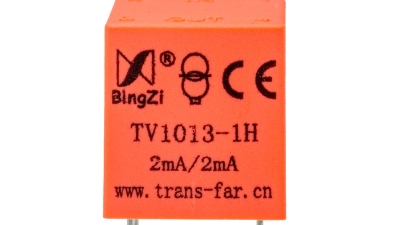
Our company has innovatively designed and manufactured a precision voltage transformer that operates on the principles of current transformer technology. This current-type voltage transformer transcends traditional voltage-type designs by delivering superior performance while drastically reducing its size. In fact, studies show that compact transformers can save installation space by up to 50%, thereby enhancing integration flexibility in various systems. The significant reduction in volume does not compromise performance; instead, our design ensures accurate voltage transformation, maintaining measurement integrity even in challenging conditions.
The advantages of our precision voltage transformer extend beyond size and performance. With lower energy losses and improved thermal management, this technology not only contributes to operational efficiency but also aligns with the industry's growing focus on sustainability. As electrical systems become more complex and demanding, embracing advanced solutions such as our precision transformer will be essential for companies aiming to stay ahead in the competitive landscape.
FAQS
: Sustainability trends are reshaping manufacturing processes, emphasizing eco-friendly techniques and materials, minimizing waste and energy consumption, and enhancing the reliability of transformers.
Manufacturers are implementing innovative materials and processes to balance performance with environmental responsibility, addressing electrical, mechanical, and thermal stresses.
Bio-based oils reduce the carbon footprint and enhance the sustainability of the power generation ecosystem when incorporated into transformer production.
Aligning with sustainability trends allows companies to develop new energy solutions that meet the global demand for greener technologies, contributing to a sustainable energy landscape.
Innovations in design include advanced materials, lightweight construction, energy efficiency, and seamless integration of smart technology for real-time monitoring.
Modern consumer demands require transformers that not only perform well but also aesthetically fit into various environments while maintaining high functionality.
Collaboration aims to produce transformers that align with global sustainability goals, enhancing performance, efficiency, and reducing environmental impact.
The focus on aesthetics ensures that transformers can integrate seamlessly into different environments while providing top-tier performance alongside visual appeal.
Future trends include advancements in design and efficiency, integration of smart technology, and a continued emphasis on sustainability to remain competitive in the global market.
The integration of smart technology enables real-time monitoring and optimization of transformer performance, addressing the growing demands of modern applications.