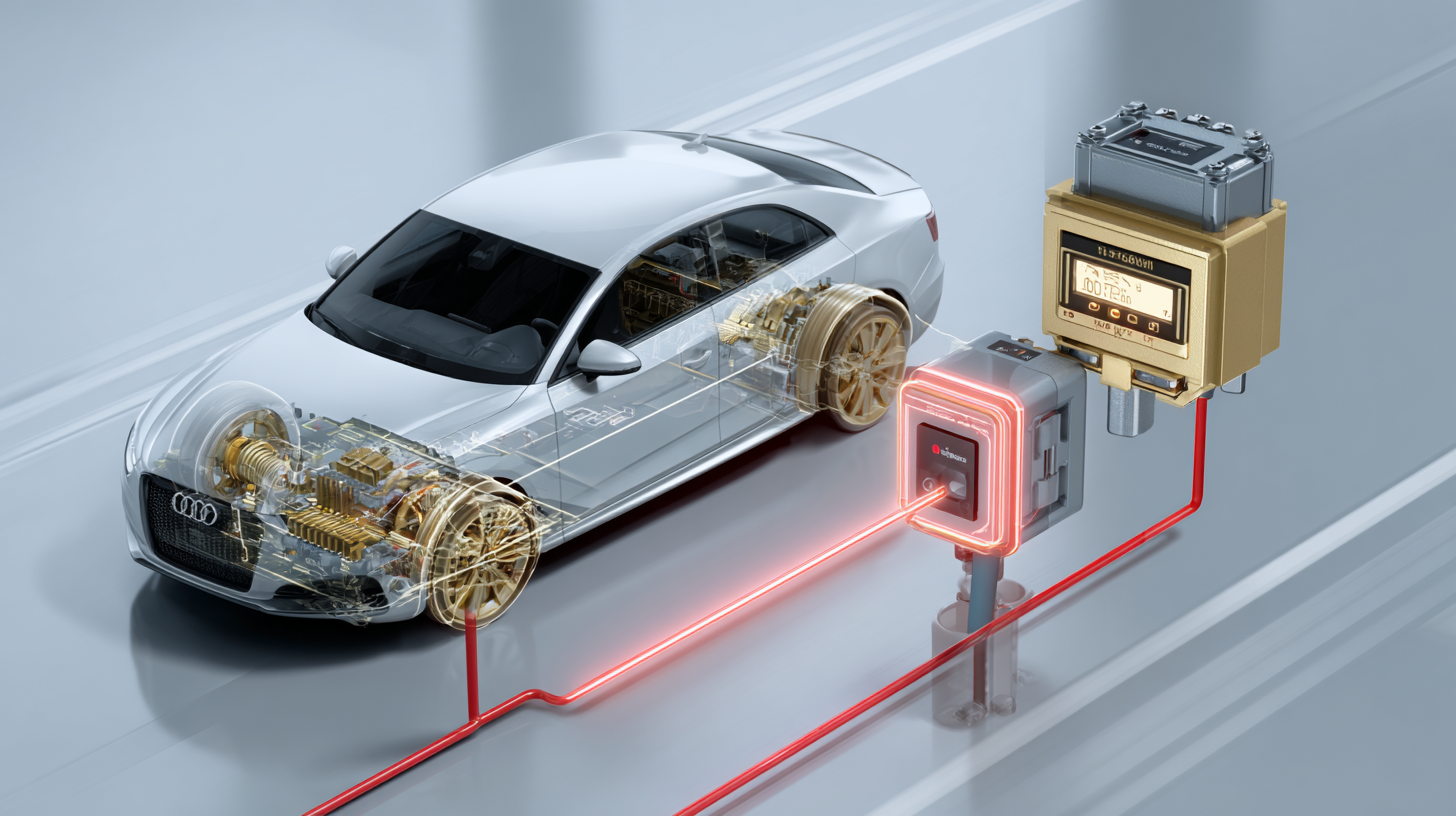
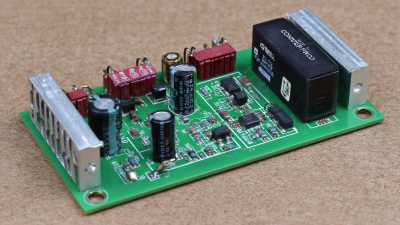
Hey there! So, you know how more and more industries are moving towards sustainable energy, right? Well, that means the need for super accurate monitoring and control of electrical currents is really ramping up. A report from MarketsandMarkets even says that the global market for Current Sensors is expected to hit a whopping USD 1.72 billion by 2025! That kind of emphasizes how crucial gadgets like Hall Current Sensors are in all sorts of fields, especially when it comes to renewable energy and electric vehicle setups.
Speaking of which, have you heard of Beijing TransFar Electronics Group Co., Ltd.? They're leading the charge in this tech revolution, focusing on research, design, and making top-notch current and Voltage Sensors. For businesses, picking out the right Hall Current Sensor isn’t just a checkbox; it can really boost accuracy, efficiency, and reliability in their work. In the long run, that’s how we drive progress in the ever-changing energy scene!
Advantages of Hall Effect Sensors Over Traditional Current Measurement Methods
You know, Hall Effect sensors have really become a go-to for measuring current in all sorts of applications. And it's not hard to see why—they've got some serious perks compared to the old-school methods. For starters, they can measure current without actually needing to touch the wires, which is pretty game-changing. This means less wear and tear on the equipment, plus a boost in safety since it reduces those pesky electrical hazards, especially when you're dealing with high voltages. I mean, who wants to deal with that, right?
On top of that, Hall Effect sensors are typically way more accurate and consistent than traditional shunt resistors. They can handle a broad range of currents without messing up the signal—pretty awesome for making sure you get precise measurements no matter what's going on. Oh, and let's not forget about their super quick response times! This makes them perfect for real-time monitoring and control. As industries lean more towards automation and smart grid technologies, it’s clear that Hall Effect sensors are a solid choice for keeping up with today's current measurement needs.
Key Factors to Consider When Choosing Alternative Current Sensors
So, when you're picking out alternative current sensors, there are a few important things you really want to keep in mind to make sure they work well and last long in your projects. First off, the accuracy and sensitivity of the sensor are super crucial, especially in places where you need to nail those precise measurements for proper monitoring and control. You also need to think about the operational range of the sensor. Like, can it handle the specific current loads you throw at it? That's key to avoiding issues down the line and keeping everything running smoothly.
Another biggie is how well the sensor integrates with the systems you already have in place. The current sensor market is expected to grow a lot—like over 10.1% annually—so it’s really wise to pick sensors that play nice with new tech and help bring in cool innovations, like self-sensing structures. This flexibility not only boosts the efficiency of what you’re already doing but also sets you up for the future, especially in civil engineering and other fields. All in all, making an informed choice about current sensors can really make a difference in the success of your projects and their sustainability, you know?
7 Compelling Reasons to Choose the Best Hall Current Sensor for Your Applications
This chart illustrates the key factors to consider when selecting a Hall current sensor for your applications. Each factor is rated based on its importance, helping you to make informed decisions about which sensor to choose.
Comparing Accuracy and Sensitivity in Hall Current Sensor Alternatives
Choosing the right Hall current sensor for your project can be a bit tricky, but understanding how different options stack up in terms of accuracy and sensitivity is super important. Hall effect sensors are pretty awesome because they can measure current without any direct electrical contact, which keeps your system safe and sound. Lately, we've seen some pretty cool advancements that have really boosted their performance. For example, some of the newer Hall effect sensors have cut down on sensitivity drift errors, which has upped their accuracy to as low as ±0.5%. This level of precision is definitely a game changer for demanding applications, like biomedical diagnostics and magnetic navigation.
But wait, there's more! Alternatives like TMR (Tunneling Magnetoresistance) sensors are stepping into the spotlight too. These guys work based on the magnetoresistive effect, which means they can detect magnetic fields with impressive sensitivity. Thanks to their unique design and how they operate, they achieve fantastic levels of both sensitivity and accuracy. Honestly, they might just become the go-to choice in the magnetic sensor world. As technology keeps moving forward, the decision between Hall effect and TMR sensors will really come down to what your specific needs are and how they stack up performance-wise.
Cost-Effectiveness of Hall Effect Sensors for Diverse Applications
You know, Hall effect sensors are pretty great when it comes to cost-effectiveness, which is why they’re gaining so much popularity across different applications. Basically, they work by picking up the magnetic field created by current traveling through a conductor, and this means they can give you an accurate measurement without needing to touch anything directly. This non-intrusive approach not only boosts safety but also helps reduce wear and tear, which is a really big deal in industrial settings where keeping equipment running for a long time is crucial. Plus, Hall effect sensors can often simplify circuit designs, so you end up spending less overall while also making it easier to fit them into your existing systems.
What’s even cooler is that these sensors are super versatile—they do their job well in all sorts of environments and conditions. Whether it’s automotive systems or gadgets we all use at home, they’re really a smart economic choice across a bunch of industries. Their reliability and long lifespan mean businesses can actually save on those pesky maintenance and replacement costs in the long run. With the growing need for efficient and budget-friendly solutions, bringing Hall effect sensors into the mix can really help set you apart by maximizing performance while keeping costs in check.
Future Trends in Hall Current Sensor Technology and Alternatives
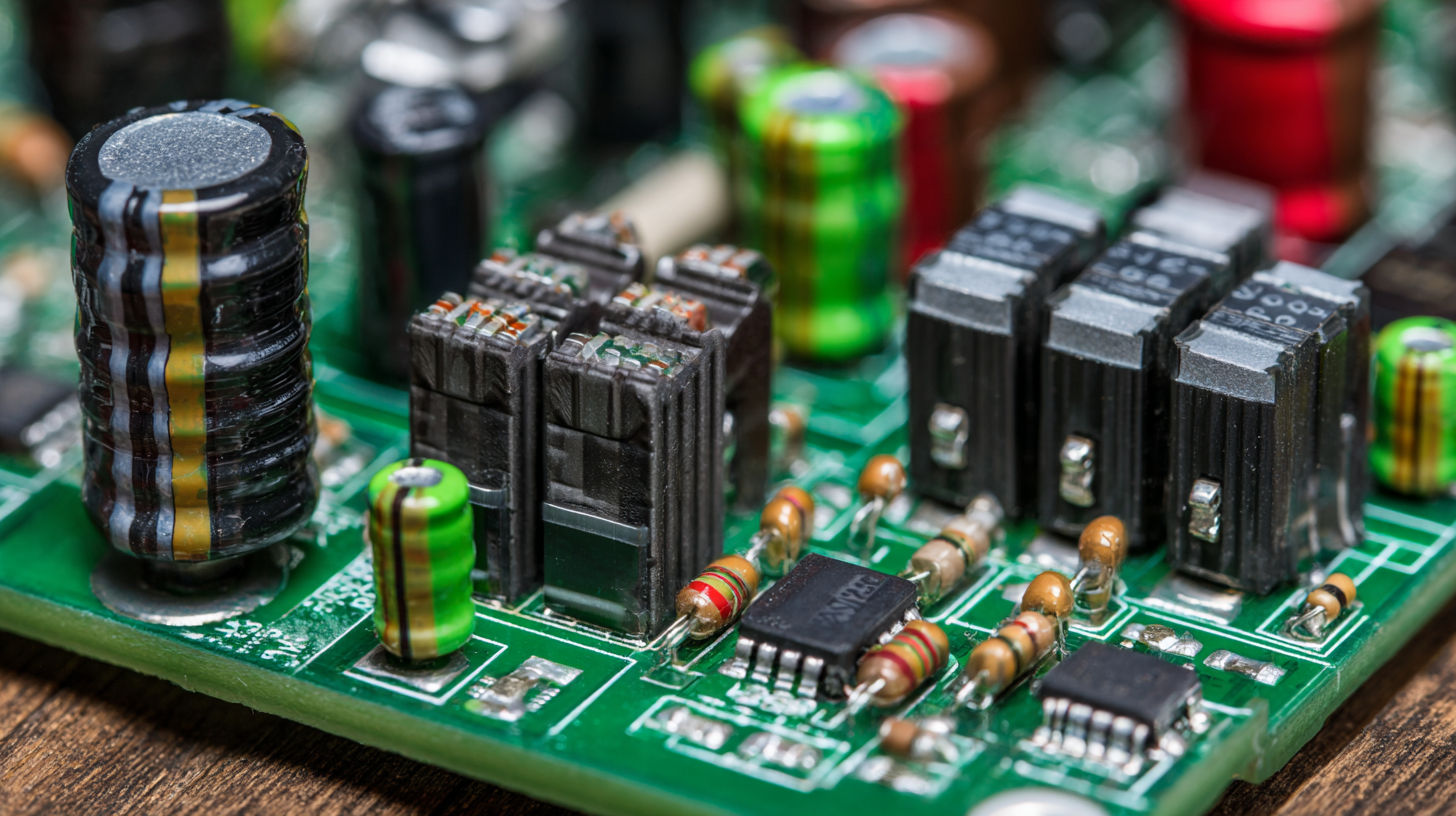
You know, as technology keeps moving forward, the Hall current sensor has really cemented itself as a key player in all sorts of applications, from industrial automation to electric vehicles. Looking ahead, it seems that Hall current sensor tech is gearing up for some exciting upgrades, especially when it comes to accuracy and making things smaller. We’re talking about next-gen sensors that will likely use advanced materials like graphene, which can seriously boost their sensitivity while cutting down on power use. This isn’t just a tech upgrade; it also means we can create sleeker, more compact designs that fit into tiny devices.
And let’s not forget, with the surge in electric and hybrid vehicles, these Hall current sensors really have to step up their game. They need to handle tougher conditions and keep performing reliably, even when temperatures are all over the place. Manufacturers are also looking at other sensing technologies, like fluxgate and Rogowski coils. These could either work alongside our trusty Hall effect sensors or maybe even take over in certain situations. This variety could give us some cool new features, like wireless options and better integration with smart grid tech, making Hall current sensors more adaptable and ready for the future than ever!
7 Compelling Reasons to Choose the Best Hall Current Sensor for Your Applications - Future Trends in Hall Current Sensor Technology and Alternatives
| Reason | Description | Application Areas | Future Trends |
| High Accuracy | Provides precise current measurements, essential for sensitive applications. | Electric vehicles, renewable energy systems | Integration with AI for predictive analytics |
| Non-intrusive Measurement | Allows current monitoring without breaking circuits. | Industrial automation, robotics | Development of wireless technologies |
| Wide Measurement Range | Capable of measuring both high and low currents effectively. | Consumer electronics, HVAC systems | Enhanced scalability for diverse applications |
| Robustness | Designed to operate in harsh environments. | Outdoor equipment, automotive applications | Improved materials for durability |
| Cost-Effectiveness | Generally lower costs with high reliability. | Manufacturing, power distribution | Increased competition driving prices down |
| Compact Design | Small form factor suitable for tight spaces. | Wearable technology, compact devices | Miniaturization trends in electronics |
| Versatile Integration | Compatible with various systems and protocols. | Smart grids, IoT devices | Growing emphasis on IoT connectivity |
Real-World Applications of Hall Effect Sensors Across Industries
You know, Hall effect sensors have really become a must-have in all sorts of industries because they’re super reliable and spot-on when it comes to sensing current. Take the automotive world, for instance. These little guys are key for keeping tabs on electric motors and battery management systems, which is crucial for making sure electric vehicles (EVs) run smoothly and safely. They give us real-time data, which totally boosts the efficiency of charging systems and helps push forward those awesome green technologies we all want to see more of.
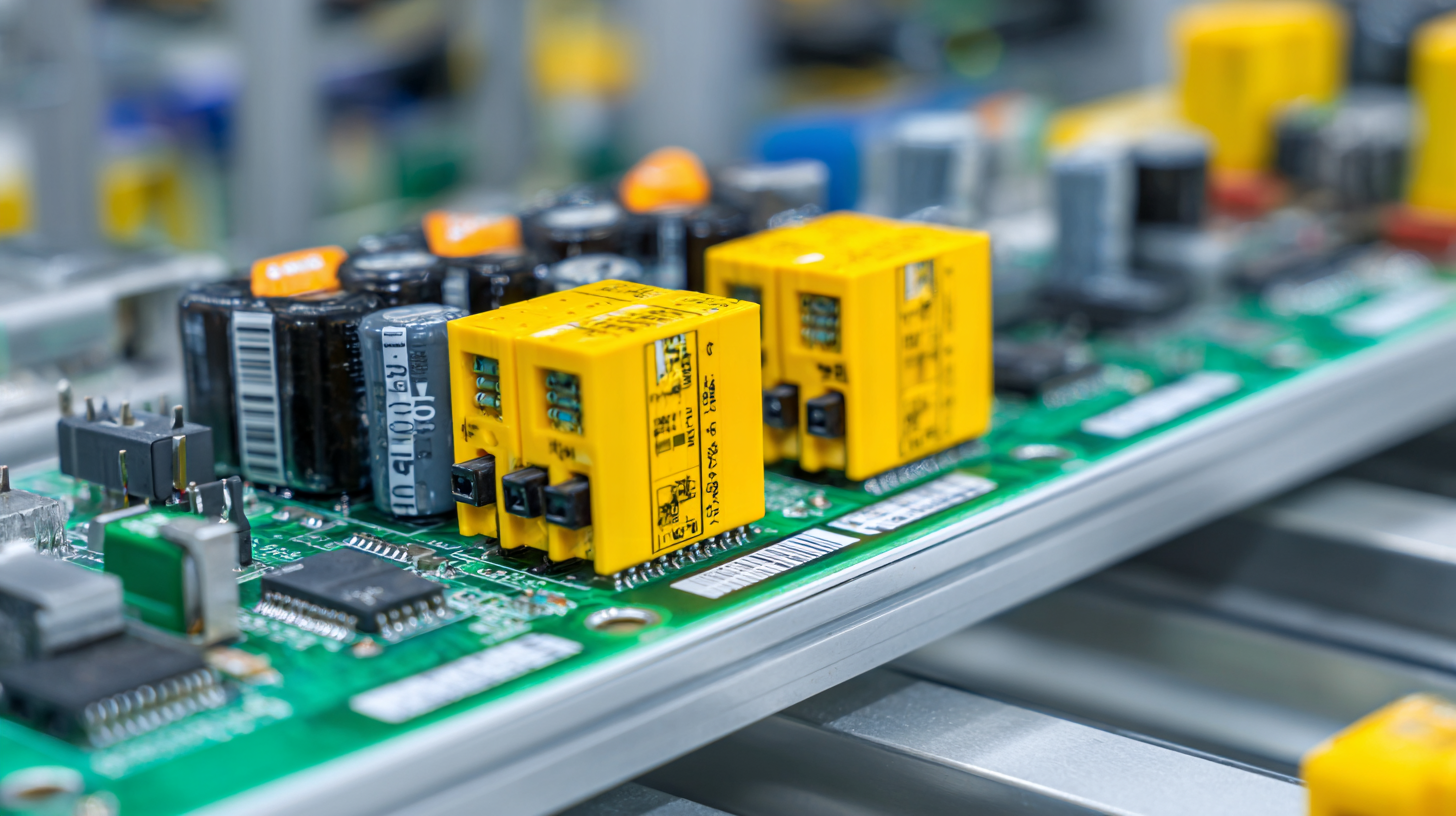 When it comes to renewable energy, Hall current sensors really come into play. They’re essential for managing how energy is distributed and making sure it’s optimized. You’ll find them in things like solar inverters and wind turbine controllers, which help improve how we convert and use energy. Plus, they’re tough enough to handle all sorts of different environmental conditions, so you can trust they’ll last a long time without much maintenance.
At Beijing TransFar Electronics Group Co., Ltd., we’re all about designing and making advanced current sensors that are perfect for new energy applications. We're proud to be right at the cutting edge of the industry, helping to make the switch to more sustainable energy solutions a reality.
Maximizing Efficiency: The Role of High Frequency Current Transformers in Modern Electrical Systems
In today's rapidly evolving electrical systems, maximizing efficiency is crucial for ensuring optimal performance and energy savings. High-frequency current transformers (HFCTs) play a pivotal role in this context, particularly in applications such as switch-mode power supplies, inverters, and frequency converters. These devices are essential for precisely monitoring and measuring high-frequency pulse currents, which are increasingly prevalent in modern electronic applications.
One of the standout features of the high-frequency current transformer is its versatile structural design. Available in various configurations, including built-in busbar types and both vertical and horizontal through-core designs, it easily adapts to diverse installation requirements. Additionally, its capability to support printed circuit board soldering installation offers further flexibility, making it a suitable choice for different project specifications. With a measurement frequency range that spans from 2 kHz to 200 kHz, this current transformer ensures accurate and reliable data collection across various scenarios, catering to the intricate needs of contemporary electrical systems.
The significance of HFCTs extends beyond mere current measurement; they enhance the overall efficiency of electrical systems by enabling precise monitoring and control. Such accuracy is vital in maximizing performance and minimizing energy losses in high-frequency applications. As industries increasingly demand reliable solutions for their electrical needs, integrating high-frequency current transformers into system designs will be essential for meeting the challenges of modern technology.
FAQS
: Hall current sensors are used to measure current without direct electrical contact, maintaining system integrity in various applications, including biomedical diagnostics and magnetic navigation.
Modern Hall effect sensors can achieve accuracy levels as low as ±0.5%, making them suitable for precision-demanding applications.
Alternatives like TMR (Tunneling Magnetoresistance) sensors offer promising capabilities with highly sensitive detection of magnetic fields, potentially becoming mainstream solutions in the magnetic sensor market.
The main advantage of Hall effect sensors is their cost-effectiveness due to their non-intrusive measurement method, which enhances safety and reduces wear and tear.
Hall effect sensors are versatile and can be used effectively in various industries, including automotive systems and consumer electronics.
Hall effect sensors often eliminate the need for complex circuit designs, leading to lower overall system costs and easier integration into existing setups.
The longevity and reliability of Hall effect sensors mean that businesses can save on maintenance and replacement costs over time.
Yes, Hall effect sensors can function effectively across various environments and conditions, making them suitable for diverse applications.
Recent advancements have led to reduced sensitivity drift errors, significantly improving overall performance and accuracy.
Businesses may choose Hall effect sensors to optimize performance and expenditure, providing a competitive edge with efficient and cost-effective solutions.