When it comes to electrical engineering, you really can't underestimate how important an Ac-Dc Power Supply is. Basically, it takes alternating current (AC) and smoothly turns it into direct current (DC), which is what a lot of our electronic devices need to run properly. Dr. Emily Carter over at PowerTech Solutions puts it nicely—she says, “Understanding AC-DC power supplies is pretty fundamental if you're into electronics.”
Now, what makes these power supplies tick? Well, it all boils down to their parts and how they work together. You’ve got a Transformer that bumps or drops voltage, and then a rectifier that converts AC into DC. These components team up to deliver steady power, so your gadgets keep going without hiccups. But honestly, many folks don’t really pay attention to the little details that can make a huge difference in efficiency and performance. Picking the right specs isn’t just a technicality—if you get it wrong, it can impact how everything runs.
Even though AC-DC power supplies are super important, they can be kinda confusing, which leads to lots of misconceptions. People often overlook things like load requirements or how critical thermal management is. These oversights can end up causing devices to underperform or even break down. Getting a solid understanding of how it all works isn’t just nerdy stuff—it’s actually key to making sure modern tech stays reliable and runs smoothly.
What is AC-DC Power Supply?
An AC-DC power supply is a vital component in electronics. It converts alternating current (AC) into direct current (DC). This process is essential because many electronic devices require DC for operation. Let's delve into how this transformation works.
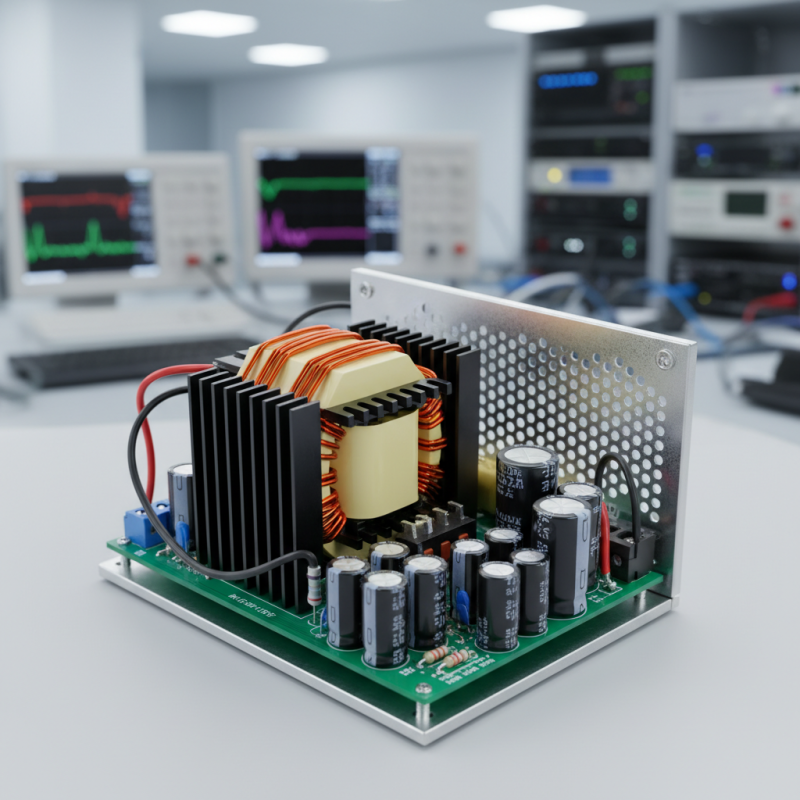
The AC-DC conversion typically starts with a transformer. The transformer reduces the voltage level to make it suitable for devices. Then, the rectification process begins. This involves diodes that allow current to flow in one direction only. As a result, they effectively convert the AC from the wall outlet into a pulsating DC form. However, this DC is not entirely smooth. It often contains ripples due to the nature of the rectification process.
To create a smoother DC output, filters are employed. These can be capacitors or inductors that reduce the ripple effect. Sometimes, designers need to balance cost and performance. A well-filtered output provides a stable voltage, ensuring gadgets function without interruptions. Still, achieving this balance can be challenging. Every design comes with trade-offs, raising the importance of careful planning and execution in the development of effective AC-DC power supplies.
AC-DC Power Supply Output Analysis
This chart illustrates the efficiency and output voltage levels of a typical AC-DC power supply at different load conditions. The measurements were taken at various load percentages, showcasing how the output voltage stabilizes against varying loads.
The Difference Between AC and DC Power
When it comes to power supply, understanding the difference between AC and DC is crucial. AC, or alternating current, periodically reverses direction. This type of power is widely used in homes. It’s generated by power plants and delivered through power lines, making it common and accessible. The frequency of AC can vary by region, typically around 50 or 60 Hz.
DC, or direct current, flows in one direction only. It is often used in batteries and electronic devices. The constant voltage in DC makes it ideal for sensitive electronics. However, because it does not travel well over long distances, DC is usually transformed into AC for transmission.
Both current types have their pros and cons. AC can efficiently power homes, but it may not be suited for every electronic device. DC provides stable power but requires more setup for distribution. Recognizing these differences helps in choosing the right power source for your needs. Each type has a specific use, reflecting the diversity in electrical applications today.
How AC-DC Power Supply Converts Electricity
AC-DC power supply is essential for many electronic devices. It transforms alternating current (AC) from electrical outlets into direct current (DC), suitable for powering electronics. This conversion is crucial, especially for a Pc Power Supply, as most computer components require stable DC voltage to function properly.
The process begins with the rectifier, which converts AC into pulsating DC. This raw form of DC is not suitable for sensitive devices, so it undergoes filtering. Capacitors smooth out the voltage fluctuations. After filtering, the voltage is regulated to provide a consistent output. This result is critical for a PC power supply, ensuring reliable performance for all connected components.
However, this system is not without flaws. Variations in input voltage can lead to inefficiencies. In some cases, the filtering may not eliminate all ripple, impacting device performance. Reflecting on these potential shortcomings can help users better understand the importance of high-quality components in their power supplies. This understanding can lead to better choices when selecting a power supply for a PC.
Components of an AC-DC Power Supply
An AC-DC power supply transforms alternating current (AC) into direct current (DC). It includes several key components, each playing a vital role in this conversion process. A transformer is often the first element encountered; it adjusts the voltage levels. This step is crucial for ensuring that the voltage meets the requirements of the connected devices.
Next, we have the rectifier. The role of the rectifier is to convert the AC voltage into pulsating DC. This process usually involves diodes, which allow current to flow in one direction. Following rectification, a filter smooths out the pulsating DC. Capacitors are typically used here, reducing voltage fluctuations. The choice of capacitors can affect efficiency. It is essential to select high-quality components to minimize energy loss.
Lastly, a voltage regulator ensures stable output. It maintains the required voltage level, even with varying loads. This stability is critical for sensitive electronic devices. A well-designed Psu Power Supply can significantly enhance device performance. Yet, designers must continually evaluate component choices and configurations. Each decision impacts the overall efficiency and reliability of the power supply.
Types of AC-DC Power Supplies Available
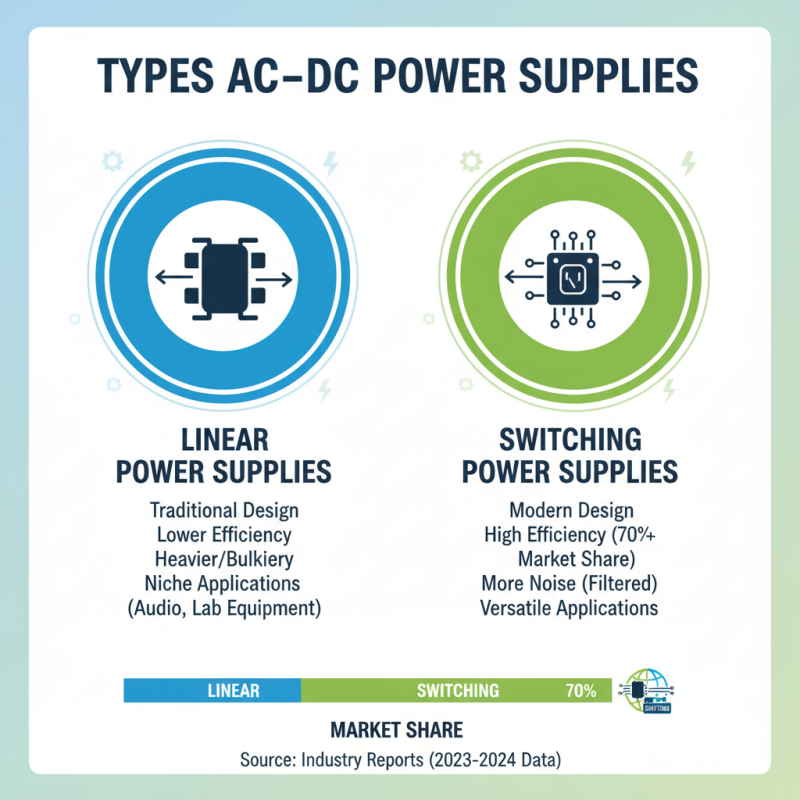
AC-DC power supplies are essential in converting alternating current (AC) to direct current (DC). Various types exist, each suited for different applications. The most common include linear power supplies and switching power supplies. According to industry reports, switching power supplies accounted for over 70% of the market share in recent years due to their efficiency and compact design. They are ideal for consumer electronics, automotive applications, and renewable energy systems.
Linear power supplies, on the other hand, are known for their simplicity and low noise. Although they are less efficient, offering about 50-60% efficiency in most cases, they are preferred in applications where precision and low ripple voltage are critical. Reports indicate that linear power supplies are commonly used in audio processing equipment and laboratory testing instruments.
Each type of Ac-Dc Power Supply has its pros and cons. While switching supplies are lightweight and energy-efficient, they can introduce electrical noise. This can affect sensitive devices. Linear supplies solve this problem but at the cost of size and heat generation. Understanding the strengths and weaknesses of these power supplies is vital for engineers and designers in selecting the right solution for their specific needs.
Applications of AC-DC Power Supplies in Daily Life
AC-DC power supplies play a crucial role in our daily lives. They convert alternating current (AC) from the wall into direct current (DC) required for various devices. This technology is vital for powering electronics, from smartphones to computers. According to industry reports, the global AC-DC power supply market is projected to reach $20 billion by 2027, emphasizing its importance in modern technology.
In homes and offices, AC-DC power supplies are ubiquitous. They are essential for chargers, LED lighting, and small appliances. Some reports indicate that over 60% of consumer electronics rely on these power supplies for functionality. This highlights not just the convenience they offer, but also the energy consumption associated with their use. However, power supply efficiency is often overlooked. Many devices use DC-DC power supplies internally to optimize energy usage, reflecting a need for improvement in overall design.
Despite their wide applications, issues such as overheating and inefficiency persist. It raises questions about how well manufacturers balance performance and safety. As technology advances, the focus should shift towards developing smarter AC-DC power solutions that minimize waste and maximize output. With a growing demand for energy-efficient devices, the potential for innovation in this sector is significant.
Understanding Efficiency and Regulations in AC-DC Supply Systems
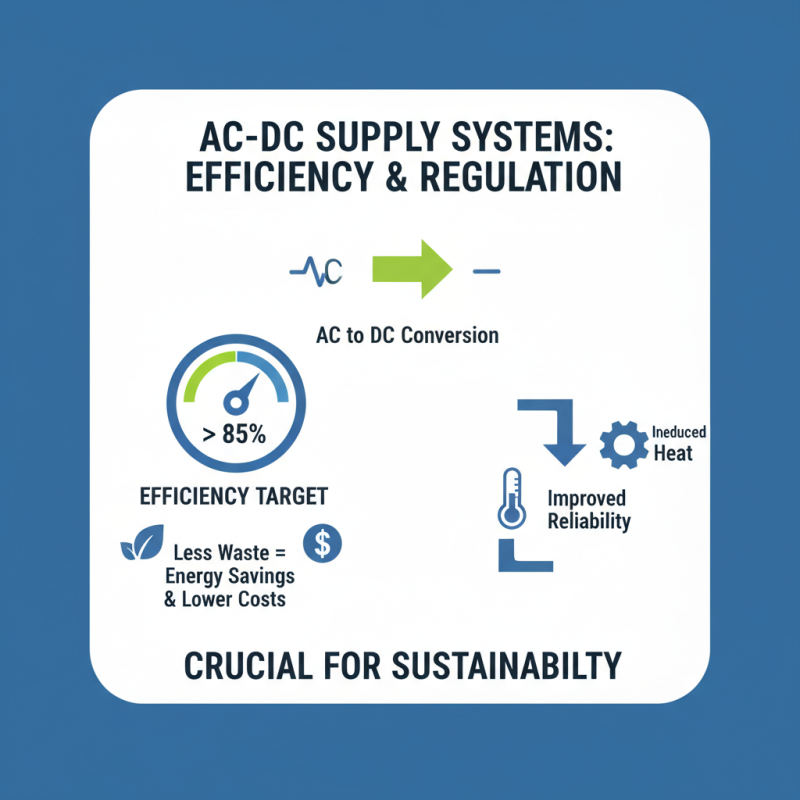
AC-DC power supply systems convert alternating current (AC) to direct current (DC) for various applications. Understanding efficiency in these systems is crucial. Efficiency affects energy consumption and operational costs. Higher efficiency means less energy wasted as heat. Most modern designs aim for greater than 85% efficiency. This goal is challenging but essential for sustainability.
Regulations play a significant role in AC-DC power supply design. Many regions have specific standards to limit energy waste. Compliance ensures that products not only perform well but also reduce environmental impact. Designers must consider these regulations early in the development process. Ignoring them can lead to costly redesigns.
There can be a tension between cost and efficiency. Cheaper components might lower initial expenses, but could increase energy usage. This trade-off often requires careful evaluation. Engineers should also monitor long-term performance, as efficiency can change over time. Regular assessments can identify potential areas for improvement.
Optimal Solutions for Power Management: Exploring HV Series High Voltage Input Power Transformers
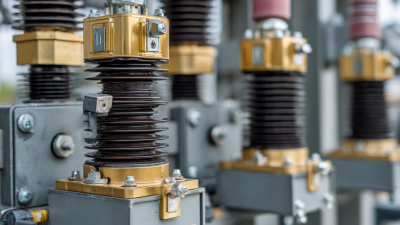
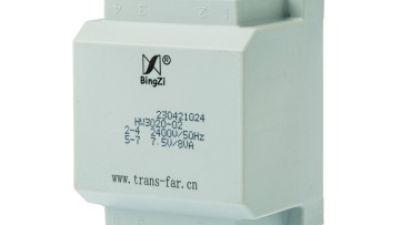
The quest for optimal solutions in power management has led to a significant focus on High Voltage (HV) Series High Voltage Input Power Transformers. These transformers are designed to facilitate efficient energy transfer in applications that require robust performance under demanding conditions. A key feature of these transformers is their fully enclosed printed circuit board, which offers a direct weld installation. This design enhances usability while providing a streamlined appearance that fits seamlessly into various setups.
In addition to user-friendliness, the compact and robust structure of HV Series transformers ensures they can withstand the rigors of industrial environments. With excellent resistance to vibration, moisture, and flames, these transformers deliver reliability in critical applications. Their high electrical strength allows them to handle substantial input voltages, all while maintaining a small footprint and high power density. This combination of features makes them an ideal choice for businesses seeking to optimize their power management systems while ensuring safety and efficiency.
FAQS
C-DC power supplies used for?
The most common types are linear power supplies and switching power supplies.
Switching supplies are more efficient and compact but may introduce electrical noise. Linear supplies offer low noise but are bulkier.
Higher efficiency reduces energy waste and costs. Regulations ensure products meet environmental standards and avoid costly redesigns.
Manufacturers struggle with balancing performance, safety, and cost. Overheating and inefficiency are ongoing concerns.
Designers can focus on smarter solutions that minimize energy waste and maximize output, especially as technology advances.
Conclusion
An AC-DC power supply is a crucial component that converts alternating current (AC) into direct current (DC), ensuring that electronic devices receive the appropriate type of power. The primary difference between AC and DC power lies in their flow direction; AC reverses direction periodically, while DC flows in a single direction. The conversion process involves rectification, smoothing, and regulation to provide a stable DC output.
Various components, such as transformers, diodes, and capacitors, play essential roles in an AC-DC power supply. There are different types of these power supplies, including linear and switching models, each with its specific applications ranging from consumer electronics to industrial systems. Understanding the efficiency and regulatory standards is also important, as it impacts energy consumption and environmental considerations. Overall, the AC-DC power supply is integral to modern electrical systems, facilitating the functionality of numerous devices we rely on daily.