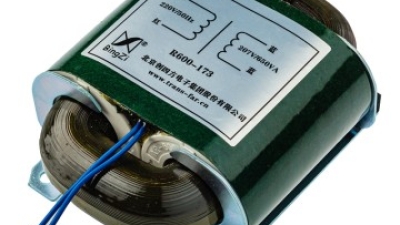
These days, as the energy world keeps changing so fast, it’s more important than ever for industries everywhere to step up their energy efficiency game. One of the key players in this shift is the advanced Current Transformer (CT). It might sound technical, but really, it’s all about getting accurate readings of electrical currents—something that’s super important if you want to cut down on wasted energy. According to a report from the International Energy Agency, using modern metering tech like CTs can actually cut energy losses by up to 30%.
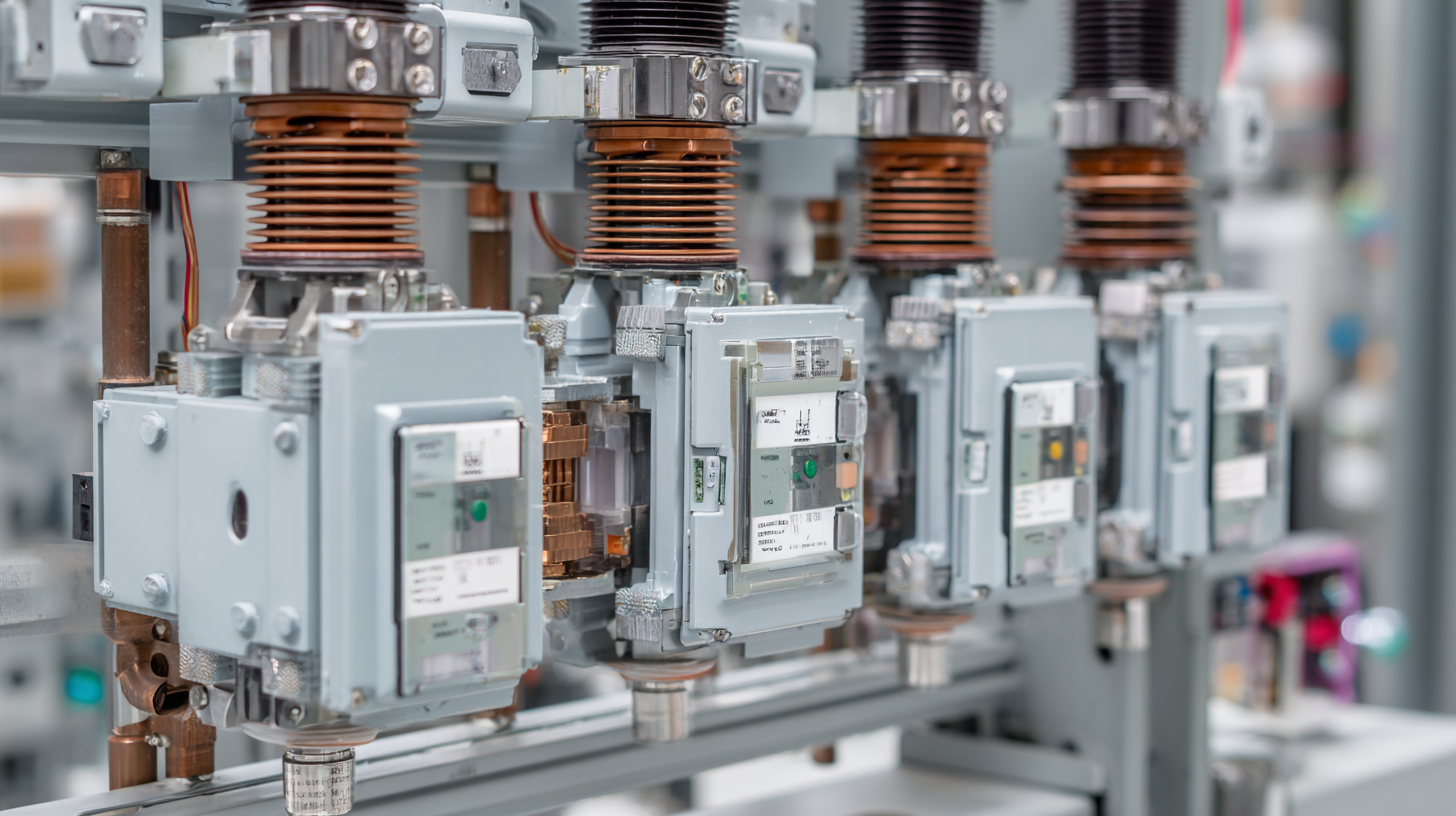
On top of that, Beijing TransFar Electronics Group Co., Ltd., which’s a big name in the high-tech field, especially with new energy current and Voltage Sensors, stresses just how crucial these innovations are for building a moresustainable energy future. When companies harness this kind of advanced CT tech in their energy management systems, they don’t just boost efficiency—they also align themselves with global goals for sustainability. Plus, it helps them stay ahead in a pretty competitive market.
Benefits of Advanced Current Transformers in Enhancing Energy Efficiency
Advanced Current Transformers (ACTs) are pretty essential when it comes to making energy use more efficient in a bunch of different settings. Basically, they give you accurate readings of electrical currents, which helps optimize how energy is used in modern electrical systems. One of the cool things about these transformers is how they’re designed to cut down on energy losses during measurement—that's a big deal whether you're running an industrial site or working with smart grid tech. Because they’re so precise, you can keep a good eye on energy consumption, making it easier to manage and save energy overall.
At Beijing TransFar Electronics Group Co., Ltd., we're all about delivering top-notch energy solutions. That includes our innovative current and voltage sensors that are built for high performance. Our ACTs are a key part of creating energy-efficient systems that don’t just cut costs but also push sustainable energy forward. We’re committed to using the latest tech and paying attention to detail, so businesses can boost their efficiency and do their part for the environment. Bringing our state-of-the-art components into electrical setups is a real step forward in reducing energy waste and supporting a greener, more sustainable future.
Understanding the Key Differences Between Traditional and Advanced Current Transformers
When you're comparing traditional current transformers (CTs) to the newer, more advanced types, it’s important to really understand what sets them apart—especially when it comes to energy efficiency. Traditional CTs have been around for ages and are generally reliable, but they do come with some flaws, like limited accuracy and slower response times, mostly because of their mechanical parts. These issues can sometimes cause energy to be lost or wasted in the system. On the flip side, the latest advanced CTs use cool tech like digital signal processing and smart sensors, which allow them to measure things more precisely. That means less energy gets wasted, and the overall performance of your electrical setup gets a boost.
Plus, these modern transformers are way more flexible and can be used in a bunch of different situations. They come with features like real-time data collection and monitoring, which is a big deal nowadays, especially with all the smart energy management systems out there. Having accurate, fast data on energy use helps operators make smarter decisions, like saving energy and making better use of resources. Ultimately, moving towards these cutting-edge transformers isn’t just about being more efficient — it’s also a step towards supporting greener energy sources and sustainable practices. So yeah, it’s a win all around!
Benefits of Using Advanced Current Transformers for Energy Efficiency
How Advanced Current Transformers Improve Measurement Accuracy and Reduce Losses
You know, advanced current transformers (or ACTs for short) are really gaining a lot of attention lately because they do a great job at improving how accurately we can measure electrical currents and cutting down energy losses in electrical systems. Unlike the old-school transformers we used to see, these newer ones pack some pretty cool tech—think digital processing and better materials—that help provide super precise readings. That kind of accuracy is a game-changer when it comes to managing energy, since it allows for much more reliable monitoring and control of the loads. So, companies can really get smarter about how they use power, which often means saving quite a bit on their energy bills.
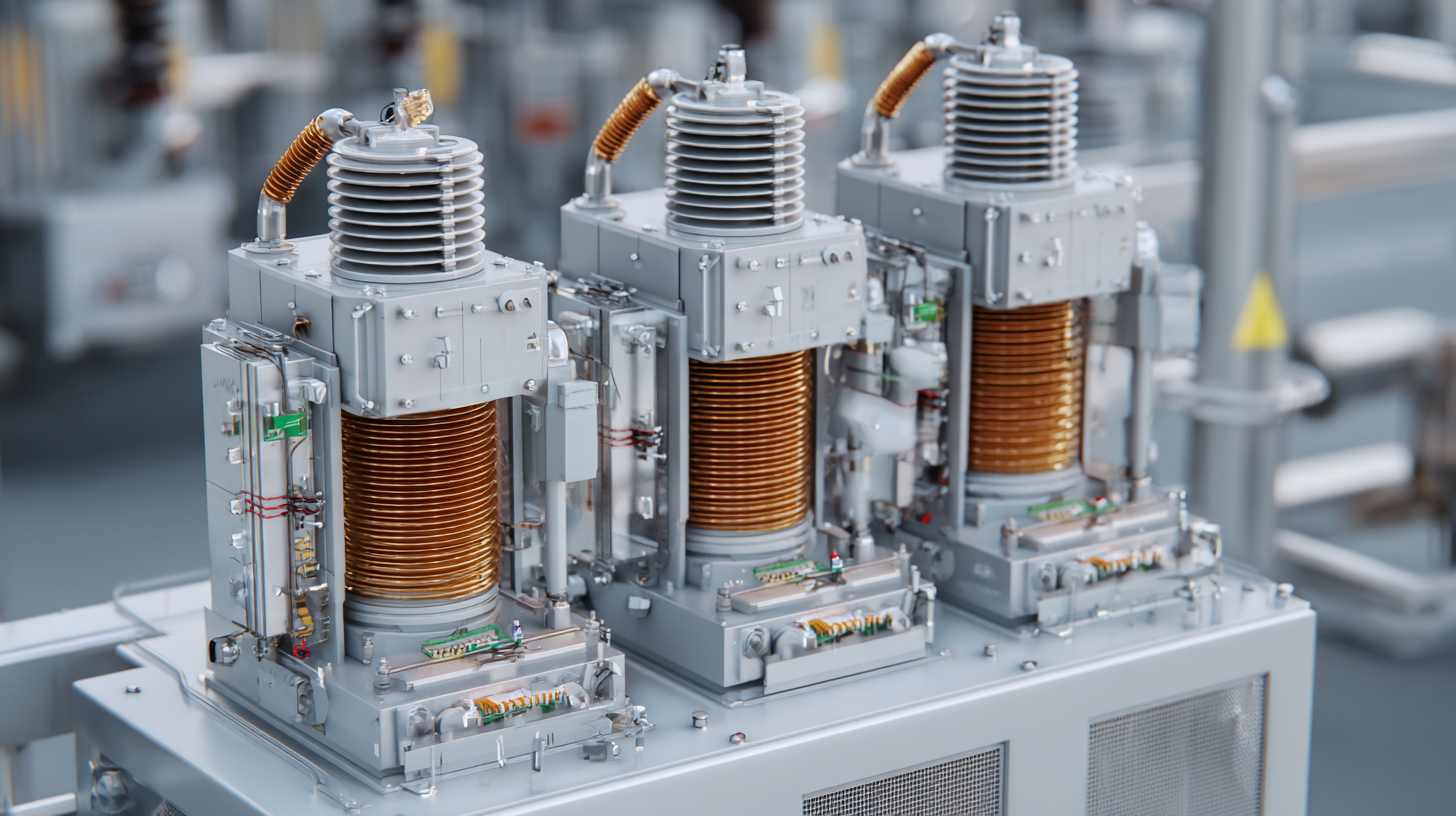
And on top of that, these advanced transformers do a fantastic job at reducing the energy losses that normally happen during transmission. They give us real-time data that’s spot-on, making it easier to spot inefficiencies or weird system behaviors. This means issues can be nipped in the bud quickly before things get out of hand. Plus, being able to catch problems early helps keep equipment running smoothly for longer—no more overheating or sudden failures—that sort of thing. Honestly, adding ACTs into energy setups isn’t just about efficiency; it’s also about building a more sustainable, reliable system. It’s like giving operators better tools to make smarter decisions and, in the end, helping everyone move towards more energy-conscious practices.
Industry Case Studies: Proven Energy Savings Achieved by Using Advanced Current Transformers
Advanced Current Transformers, or ACTs for short, have really become a game-changer when it comes to boosting energy efficiency in a bunch of different industries. There are quite a few case studies showing just how much energy can be saved by implementing these devices. Take the manufacturing world, for example. A leading car manufacturer decided to add ACTs to their production lines, and guess what? They ended up cutting their energy use by about 15%. By keeping a close eye on electrical currents, they could spot where things weren’t running smoothly and cut down on waste — which, of course, helped lower their costs.
And it’s not just factories that benefit. In the commercial real estate scene, there's a really cool example too. An office building in a busy city went ahead and installed ACTs to monitor their electricity use in real time. This move not only slashed their energy bills by around 20%, but it also gave them some pretty handy insights into when their power peaks. That info helped them better schedule things like HVAC systems. Plus, the building managed to earn some eco-friendly certifications, making it more attractive to tenants who care about sustainability.
These stories show how using advanced current transformers in smart ways can lead to some serious energy savings, while also helping companies go greener and more efficient overall.
Integration of Advanced Current Transformers in Smart Grid Solutions: A Game Changer
You know, introducing Advanced Current Transformers (ACTs) into smart grid setups really marks a big step forward in making energy use more efficient. As the energy world keeps changing, the way ACTs team up with digital tech is becoming more and more important. Smart grids are shaking up the traditional way we distribute power — now, they’re using live data and AI to keep energy flowing smoothly and to handle demand on the fly. This smooth combo means better monitoring and control, making our energy network more resilient and efficient overall.
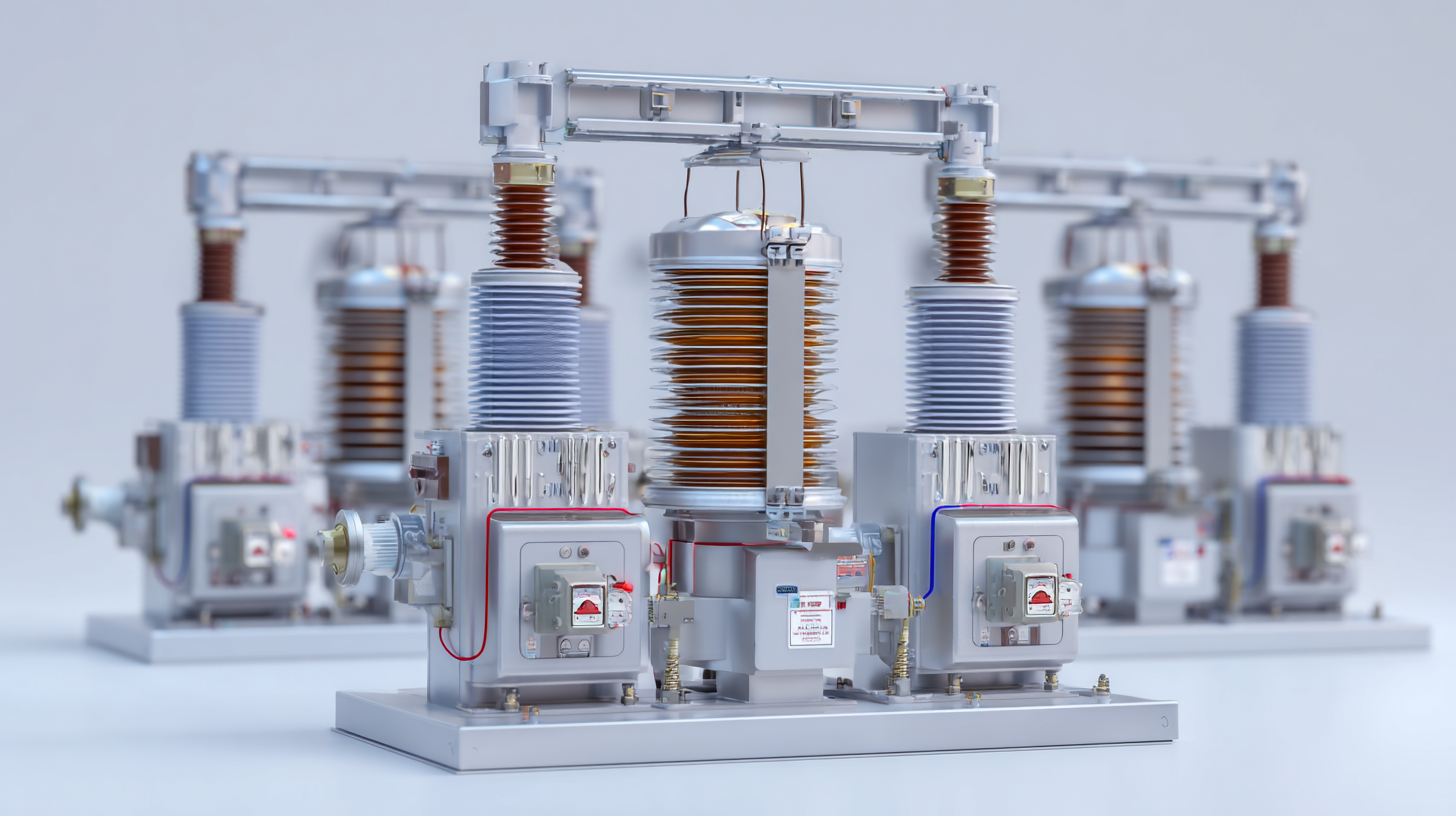
If you’re looking to get the most out of these ACTs, a couple of tips might help. First, do regular maintenance to keep things running optimal. Also, think about setting up real-time monitoring systems — one cool tool is digital twin tech. It basically creates a virtual copy of your energy system, which helps in predicting issues before they happen and fine-tuning performance. Plus, AI-driven tools are a game-changer when it comes to integrating renewable energy sources. They help grid operators coordinate solar, wind, and other renewables more effectively.
Investing in top-notch ACTs isn’t just about making things run smoother; it’s also a smart move considering how much everyone’s leaning toward cleaner energy options. As more communities explore microgrids and smarter energy solutions, ACTs will play a key role in meeting future energy needs. When we blend cutting-edge tech with our existing infrastructure, we’re really paving the way for a more sustainable and reliable energy future. It’s all about working together—old and new—to make things better for everyone.
Future Trends: The Role of Advanced Current Transformers in Sustainable Energy Practices
As the energy world moves more and more toward sustainability, high-tech current transformers are proving to be pretty essential when it comes to making energy use more efficient. These clever devices incorporate the latest tech—like artificial intelligence and machine learning—which really helps in managing the power grid better and making it easier to include renewable energy sources. With their precise measurements and better fault detection, advanced current transformers are becoming key players in tackling the new challenges that come with our modern electrical systems.
Looking ahead, I think their role in supporting sustainable energy is only going to grow. They’re super important for keeping an eye on energy flow and adjusting to the ups and downs of renewable sources, ensuring our power stays reliable. With manufacturers leaning into digitalization and Industry 4.0 trends, I wouldn't be surprised if these transformers start to include smart features—like real-time data tracking and predictive maintenance—making everything more efficient. All in all, this evolution isn’t just about saving energy; it’s also about fighting climate change and pushing the global push for greener energy solutions. Pretty exciting stuff, right?
Benefits of Using Advanced Current Transformers for Energy Efficiency - Future Trends: The Role of Advanced Current Transformers in Sustainable Energy Practices
| Feature | Description | Benefit | Future Trends |
| Higher Accuracy | Advanced current transformers provide precise measurements of current. | Improves system performance and efficiency. | Integration with smart grids and IoT. |
| Reduced Size | Enhanced miniaturization techniques allow for smaller devices. | Saves space and reduces installation costs. | Emerging compact designs for urban applications. |
| Enhanced Safety | Features that protect against overloading and short circuits. | Promotes safety in electrical installations. | Advancements in fault detection technologies. |
| Communication Capabilities | Equipped with digital communication interfaces. | Facilitates real-time data exchange. | Growth in automated grid management systems. |
| Improved Durability | Made with advanced materials that resist environmental stress. | Longer lifespan and lower maintenance costs. | Focus on sustainable materials and recycling. |
The Essential Guide to R-type Single-phase and Three-phase (SR) Transformers: Applications, Benefits, and Selection Tips
When it comes to selecting transformers for various applications, understanding the differences between R-type single-phase and three-phase (SR) transformers is crucial. Both types of transformers are designed to cater to a diverse range of power needs, with R-type transformers being particularly noted for their versatility. The ability to customize input and output characteristics based on user requirements ensures that they can serve a wide array of industrial and commercial applications. According to industry reports, the global transformers market is projected to reach USD 75 billion by 2027, demonstrating the increasing reliance on these essential power management devices.
One of the distinctive features of R-type transformers is the configuration of winding leads, which can be accomplished using either solder or plastic wire, allowing for flexibility in installation. Additionally, the option to install plugs on demand adds to the convenience and adaptability of these transformers, making them ideal for various operational contexts. SR-type transformers, on the other hand, also boast a broad power range with various terminal connections and lead-out options, thus enhancing their applicability across different systems. As industries continue to evolve, having the right transformer solution becomes imperative, with careful selection ensuring optimal performance and reliability.
In selecting between single-phase and three-phase transformers, it's essential to consider application-specific requirements. Single-phase transformers are typically sufficient for residential applications and smaller commercial setups, while three-phase transformers are preferred in larger industrial environments due to their capacity to handle higher loads more efficiently. The increasing demand for energy-efficient solutions underscores the significance of choosing the right transformer to maximize operational efficiency and minimize energy losses.
FAQS
: Advanced current transformers (ACTs) utilize digital signal processing and smart sensors, offering higher precision and faster response times compared to traditional current transformers, which rely on mechanical components.
ACTs minimize energy wastage and enhance overall performance through accurate measurements and real-time monitoring, which aids in identifying inefficiencies and developing effective energy-saving strategies.
In the automotive industry, a company implemented ACTs which led to a 15% reduction in energy consumption by efficiently monitoring electrical currents and identifying waste.
By facilitating better energy management and integration of renewable energy sources, ACTs support sustainable energy practices and help organizations achieve greener certifications.
ACTs enhance energy efficiency in smart grids by providing real-time data and monitoring capabilities, allowing for dynamic management of energy flow and improved resilience of the energy network.
Regular maintenance checks and the implementation of real-time monitoring systems, such as those using digital twin technology, are essential for ensuring optimal performance of ACTs.
They allow grid operators to better coordinate energy from various renewable sources like solar and wind, optimizing energy distribution in smart grids.
Investing in state-of-the-art ACTs boosts operational efficiency and aligns with the demand for clean energy solutions, proving advantageous as communities move toward smart grids and microgrids.
Conclusion
Advanced Current Transformers are really game-changers when it comes to boosting energy efficiency in different industries. They offer much better measurement accuracy and help cut down on operational losses, which is a big deal. Unlike the old-school models, these newer transformers use the latest tech to keep track of electrical parameters in real-time, making it easier to optimize energy use. This kind of upgrade is super important for industries that want to save energy and smoothly plug into smart grid systems.
There are also plenty of real-world case studies showing just how much of a difference these Advanced Current Transformers can make — from saving energy to boosting reliability. As we move more and more toward sustainable energy, having these kinds of devices on board not only helps companies go green but also puts firms like Beijing TransFar Electronics Group Co., Ltd. right at the forefront of the clean energy movement. Switching to advanced current transformers isn’t just about upgrading tech — it’s about making a real commitment to a greener, more sustainable future.