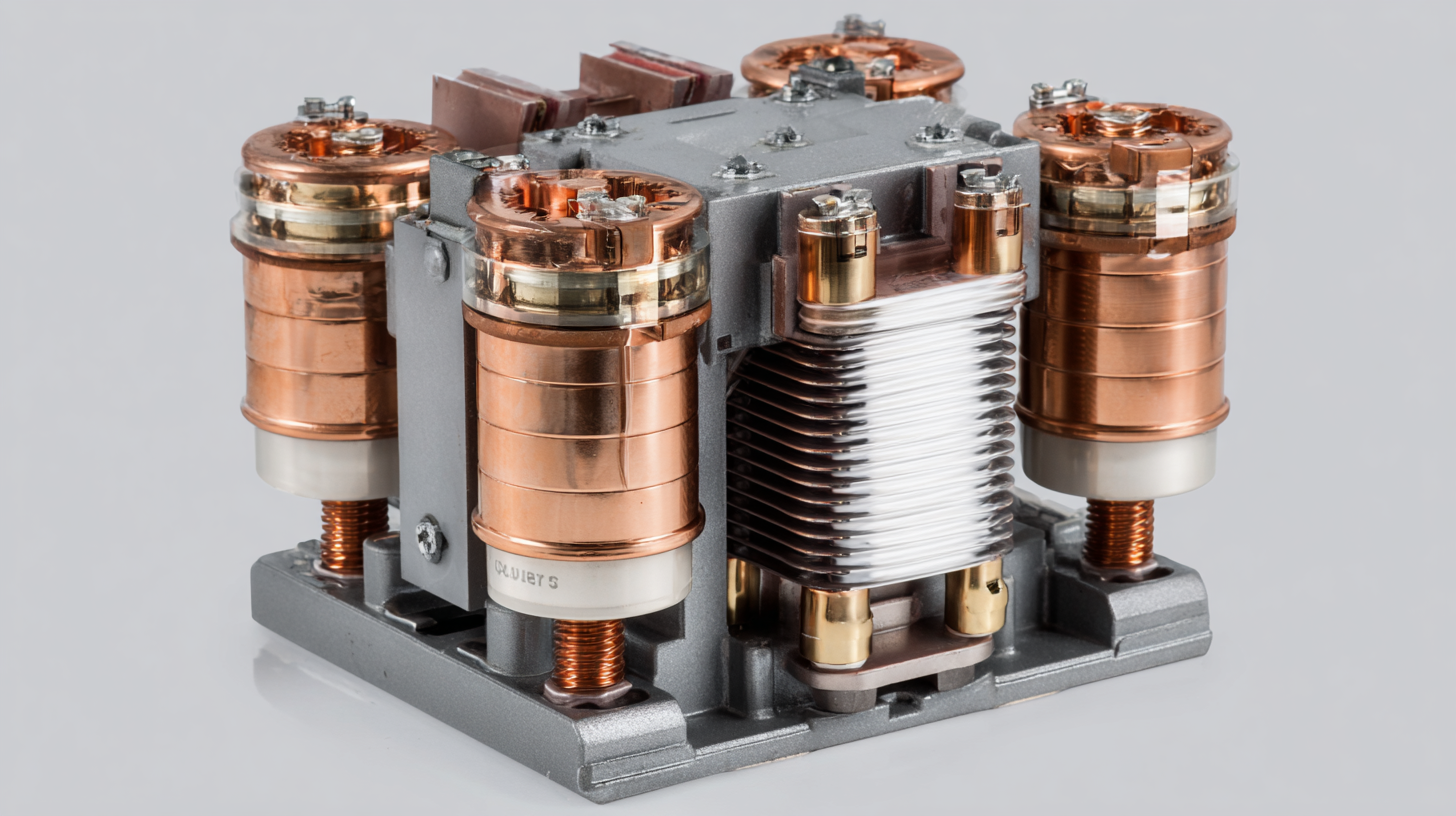
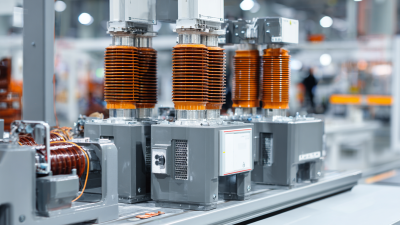
In today’s world of modern energy management, you really can’t underestimate how important Current Transformers (CTs) are. I mean, a recent report by Allied Market Research predicts that the global market for CTs will hit around $5.9 billion by 2027. That growth is mainly fueled by the rising demand for smarter, more efficient energy solutions and the big shift toward renewable energy sources.
One company making waves in this space is Beijing TransFar Electronics Group Co., Ltd.They focus on creating cutting-edge current and voltage sensors, as well as innovative energy Reactors and transformers. These tech pieces play a huge role in squeezing the most out of our energy use and keeping the power grid reliable. Basically, CTs are becoming a key part of the push towardssmarter grids and faster EV charging stations.
In this blog, I’ll break down the 10 best current transformer solutions out there—things that really meet the needs of today’s energy management. We’ll look at some exciting innovations and real-world applications that are steering us toward a more sustainable future.
Top Factors to Consider When Selecting Current Transformers for Energy Management
When you're choosing current transformers (CTs) for modern energy management setups, there’s a few key things you really want to keep in mind — like accuracy, the transformation ratio, and how well they handle different temperatures. It’s no secret that inaccuracies in CTs can actually bump up energy costs by somewhere between 5% and 10%. That’s why reliability is pretty much a top priority. A good rule of thumb? Aim for a CT with at least 0.5% accuracy—especially if you’re working with critical stuff like data centers or industrial plants where precision really matters.
Another thing to consider is the transformation ratio — basically, making sure it lines up nicely with your load. According to a study by the International Energy Agency, if that ratio doesn’t match well, it could lead to performance drops of up to 15% in your energy monitoring systems. It’s usually a smart move to chat with the manufacturer and figure out what ratio fits your specific load conditions best.
**Pro tip:** Don’t forget to think about the environment where your CT will be installed. Harsh conditions can mess with how it performs, so opting for something rated for higher temperatures and humidity ranges can really boost its lifespan and reliability.
**Another tip:** Make sure your CTs are compatible with whatever energy management system you’re using now. Lots of modern CTs play nice with digital systems, which means you can get real-time data and make smarter, faster decisions without lots of fuss.
10 Best Current Transformer Solutions for Modern Energy Management
| Model | Primary Current Rating (A) | Accuracy Class | Turns Ratio | Frequency Range (Hz) | Operating Temperature Range (°C) |
| Model A | 100 | 0.5 | 1000:1 | 50-60 | -20 to +60 |
| Model B | 150 | 0.2 | 1200:1 | 50-400 | -10 to +50 |
| Model C | 200 | 0.5 | 1000:1 | 50-60 | -20 to +65 |
| Model D | 250 | 0.1 | 1500:1 | 50-60 | -10 to +70 |
| Model E | 300 | 0.5 | 1000:1 | 50-100 | -20 to +60 |
Innovative Current Transformer Technologies Shaping Modern Energy Solutions
You know, there's some pretty exciting stuff happening with current transformer tech these days. It’s really changing how we handle energy, making power systems smarter and more efficient. As more folks want real-time data and better monitoring, modern current transformers now come with digital communication features and clever sensing tricks — pretty neat, right? These upgrades don’t just make measurements more accurate; they also fit seamlessly into smart grids, helping save energy and cut down on costs.
What’s also cool is how these transformers are getting smaller and easier to set up. Today’s designs are compact, lightweight, and versatile — perfect for everything from big industrial plants to your home. This means energy managers can finally put them in spots that were tough to access before, just because of limited space. Plus, advances in materials science mean these devices are tougher and more reliable than ever, so they last longer and need less fuss. As energy tech keeps evolving, these cutting-edge transformers are going to be key players in building a future that’s more sustainable and efficient — no doubt about it.
Comparative Analysis of Leading Current Transformer Brands for Efficiency
When we talk about modern energy management these days, one thing that's really game-changing is how efficient current transformers (or CTs, for short) are. I mean, recent studies have shown that big-name brands like Siemens, Schneider Electric, and ABB have been really pushing the envelope with their CT technology. They've managed to improve not just how accurately these transformers measure, but also how much energy they save overall. For instance, the latest models from the IEC can measure loads with a tiny error margin—like just ±0.5%. That might not sound like much, but in huge energy operations, that kind of precision makes a big difference.
And here's something pretty cool: a report from the Electric Power Research Institute (EPRI) points out that today’s CTs are more than just sensors; they’re smart devices. Many of these transformers now come with built-in capabilities for real-time monitoring and data analysis. This means systems can respond faster, and maintenance can be predicted rather than just reacted to—which helps cut down on downtime. Interestingly, utilities that are using these advanced CTs are seeing up to a 15% drop in energy losses. That’s pretty significant, really emphasizing how crucial it is for energy providers to invest in high-tech, efficient transformers. All in all, choosing the right current transformer isn’t just about measurement—it's a key part of running a sustainable, efficient power system that’s ready for the future.
Best Practices for Integrating Current Transformers into Smart Energy Systems
Switching to current transformers (or CTs) in smart energy setups is becoming more and more important for managing energy efficiently. You know, I recently read that the global market for smart energy is actually expected to jump from around $250 billion in 2021 to a whopping $620 billion by 2026 — pretty wild, right? That definitely shows we need better ways to monitor and control energy use. CTs are a big part of that—they provide real-time, accurate data on electrical currents, which helps in optimizing how we use energy and keeps the grid running smoothly.
If you're thinking about adding CTs to your energy systems, a couple of things are worth keeping in mind. First up, make sure they’re compatible with what you already have — no point in buying tech that won’t play nicely. Also, go for CTs that are super accurate; according to the IEA, using precise measurement tools can cut energy losses by up to 30%. A cool trend these days is integrating IoT-enabled CTs, which let you analyze data remotely and keep an eye on things from anywhere. And if you throw in some machine learning algorithms to interpret all that data, you can uncover patterns in energy use and even come up with proactive strategies that support sustainability goals. All in all, it’s about making smarter choices with the tech we have on hand.”
Real-World Applications of Current Transformers in Energy Management Strategies
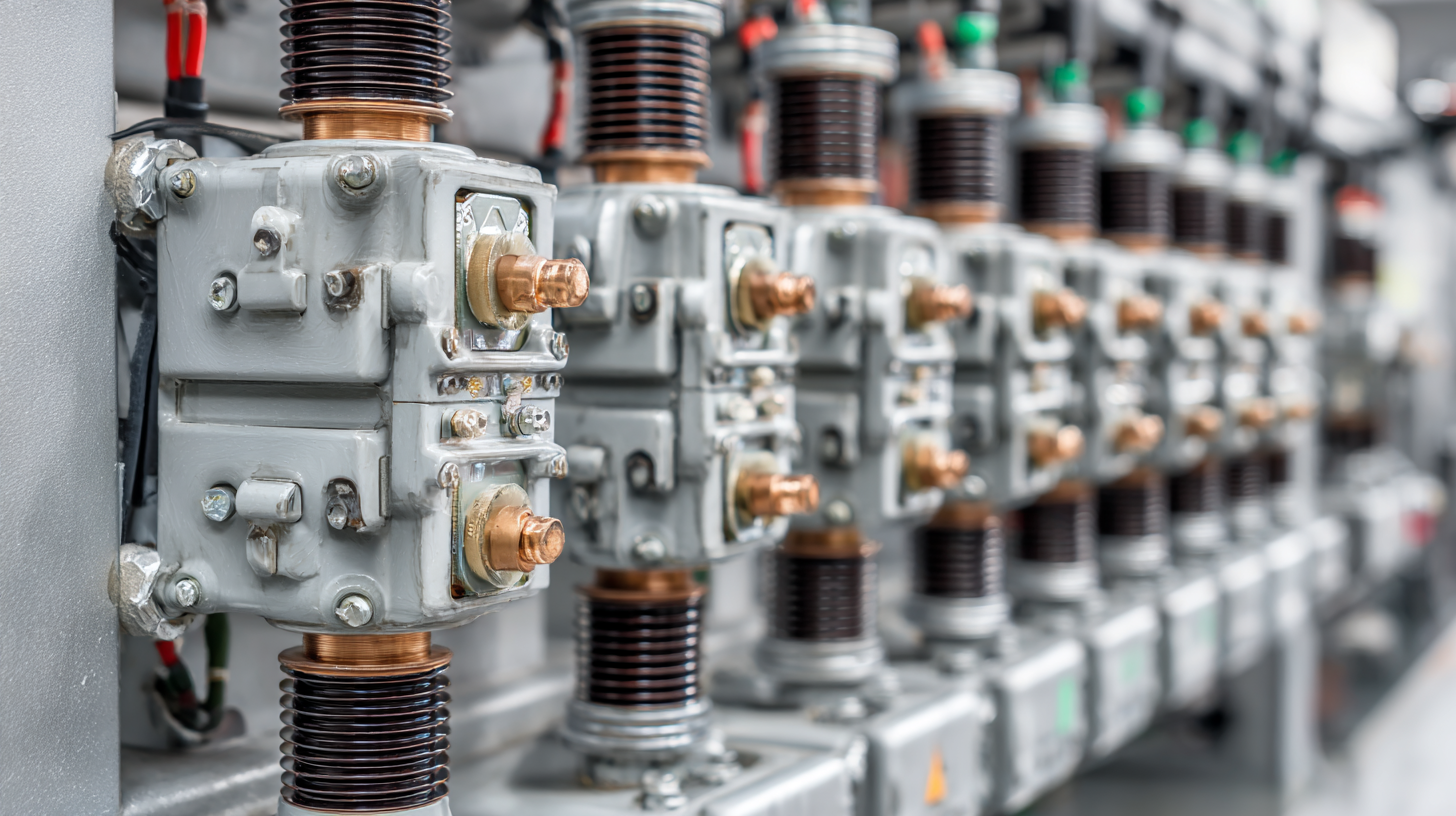
Current transformers, or CTs, are absolutely essential when it comes to modern energy management. They’re pretty much the backbone of making things run more smoothly and saving money on energy bills. Basically, they can measure current very precisely and help in making data-driven decisions, which is a game-changer across different setups.
The International Energy Agency (IEA) even says that using advanced current monitoring systems can cut down energy consumption by as much as 30% in industrial environments. That’s a huge deal, and it really shows why it’s worth investing in top-notch CT solutions to keep energy use in check.
In the real world, CTs are everywhere, especially when it comes to renewable energy projects. Take solar and wind farms, for example—they rely on CTs to keep tabs on how much energy is flowing through the system. According to a report from the U.S. Department of Energy, adding smart CTs can bump up energy forecasting accuracy by around 20%. That kind of precision helps keep the power grid stable and even lowers operational costs.
So, it’s clear that CTs aren’t just about efficiency—they’re also key players in integrating renewable sources into the grid, which is super important for moving towards a more sustainable energy future.
Future Trends in Current Transformer Development for Sustainable Energy Solutions
The development of current transformer (CT) technology is pretty important for shaping the future of sustainable energy. I recently read a report from Allied Market Research, and it looks like the global market for CTs is set to hit around $6.9 billion by 2026, growing at a steady rate of about 5.8% annually. What’s driving this growth? Mainly the rising need for smarter energy management systems that can effectively monitor and control energy use — especially as we lean more into renewable energy sources. Thanks to advances like digital metering and IoT integration, today’s CTs are becoming more sophisticated, offering real-time data that helps with voltage regulation and quick fault detection.
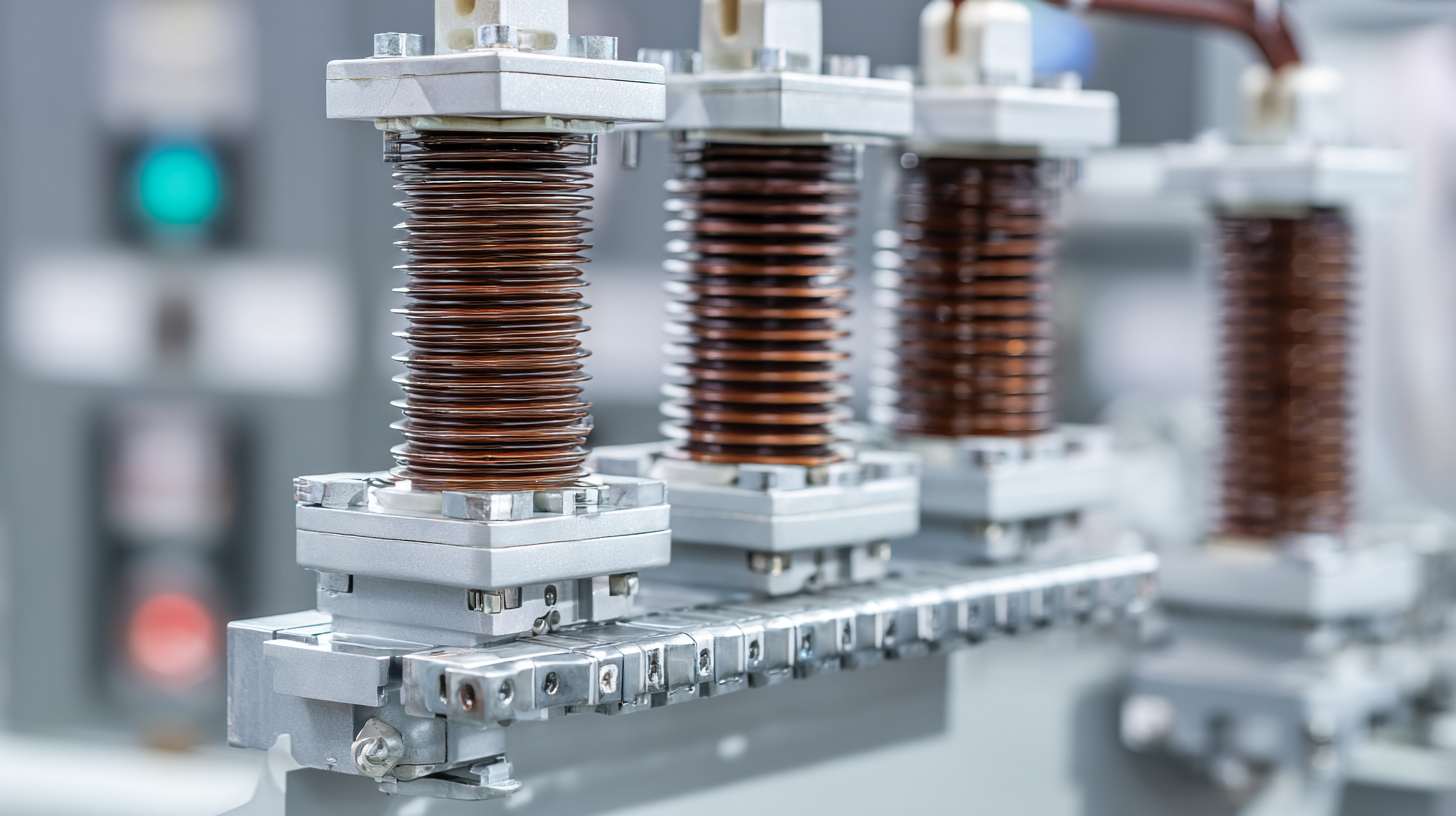
If you're thinking about jumping into newer CT tech, a good tip is to go for units that support smart grid features. Look for transformers that use communication protocols like IEC 61850 — that way, devices can talk to each other more smoothly. Also, don’t forget to think about the environmental impact over their entire lifecycle. Picking CTs that are easy to recycle and consume less energy can really help push your sustainability goals forward.
As energy management tech keeps evolving, trends like fiber-optic sensors and compact, modular designs are really gaining momentum. These kinds of innovations not only boost precision but also make energy systems safer and more efficient. Staying up-to-date with these trends and making sustainability a priority can give companies a real edge in the changing energy scene.
FAQS
: Modern current transformers are incorporating digital communication features and advanced sensing techniques to facilitate accurate measurement of electrical currents and enhance monitoring capabilities.
They integrate seamlessly with smart grid components, enabling improved energy management and reduced operational costs through real-time data monitoring.
Recent designs emphasize miniaturization, compactness, and lightweight features for easier installation in various environments, including industrial and residential settings.
The global current transformer market is expected to reach approximately $6.9 billion by 2026, growing at a CAGR of 5.8%.
New technologies provide real-time data analytics for better energy monitoring and control, essential for efficient management in renewable energy applications.
Companies should look for units with smart grid compatibility, communication protocols like IEC 61850 for interoperability, and designs that support easy recycling and lower energy consumption.
Emerging trends include the use of fiber-optic sensors, compact and modular designs, which enhance accuracy, safety, and efficiency in energy systems.
Advancements in materials science have led to the development of more durable and reliable current transformers, ensuring longevity and minimal maintenance needs.
Choosing products designed for easy recycling and lower energy consumption contributes significantly to sustainability goals and reduces the overall environmental impact of energy systems.
Conclusion
In today’s quickly changing energy scene, picking the right Current Transformer (CT) really matters if you want to keep energy management on point. Things like how accurate it is, how well it handles heat, and how easily it plays nice with smart system setups are all super important. Thanks to new tech, CTs are getting better and more efficient all the time. When you compare top brands side-by-side, you’ll notice big differences in how they perform. And if you follow some good best practices when adding CTs into your smart energy systems, you can actually boost energy efficiency and save some serious cash.
In real-world setups, CTs prove to be crucial for keeping energy management reliable—helping us monitor and control things smoothly. Looking ahead, as we push for more sustainable energy solutions, the tech behind CTs is only going to get better. Companies like Beijing TransFar Electronics Group Co., Ltd. are definitely leading the way in this innovation game, shaping the future of energy management tech.