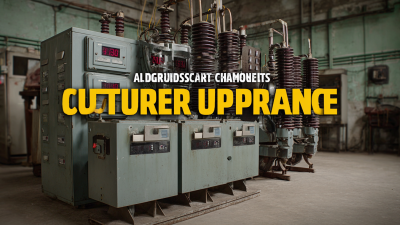
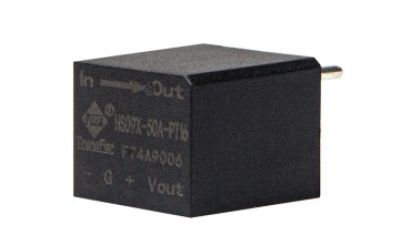
In the fast-changing world of electrical engineering, getting a good handle on Cb Current Transformers is pretty important. As Dr. Emily Chen from Global Power Solutions points out, "Reliability is everything when it comes to transformers." That really hits home because it highlights just how critical it is to choose the right Cb Current Transformer — you don’t want to cut corners here.
For buyers around the globe, there's a few key things to keep in mind. First off, specs and ratings can vary a lot from one manufacturer to another. Making sure it fits your system is a must, but surprisingly, many folks overlook this part. And then there's the budget — it’s tempting to go for the cheapest option, but that can sometimes cause headaches down the line if the quality isn’t there.
Take organizations, for example; they need to find that sweet spot between good performance and affordability. Cb Current Transformers, along with Potential Transformers, are pretty much the backbone for measuring and keeping an eye on electrical systems. So, making an informed choice really does matter. As you’re weighing your options, think about how each decision might affect your system’s reliability and safety long-term — it’s all connected.

Understanding Current Transformers: A Comprehensive Overview
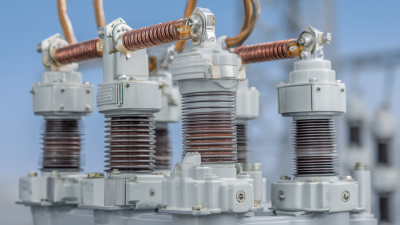
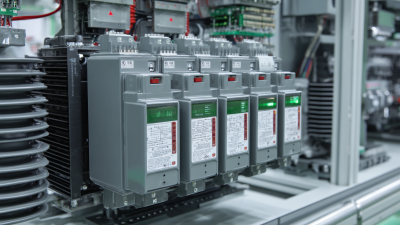
Current transformers (CTs) are pivotal for accurate measurement and protection in electrical systems. They step down high primary current to a manageable level for devices like ammeters. According to recent industry reports, the global current transformer market was valued at approximately $1.5 billion in 2022 and is projected to grow significantly, reaching around $2.5 billion by 2030. This growth highlights the increasing reliance on CTs in various sectors, including power generation and distribution.
The accuracy of CTs is essential. A minor error can lead to significant financial loss. For instance, a study from IEEE indicates that CTs with a ratio error of just 0.5% could contribute to revenue discrepancies in large-scale power utilities. The choice of technology, be it conventional or digital, can impact performance and reliability significantly. Digital CTs, while initially more expensive, offer enhanced precision and diagnostic capabilities.
Installation and maintenance of CTs must also be approached with care. Poor installation practices can lead to unexpected failures. Regular testing can identify issues before they escalate. According to technical guidelines, conducting periodic checks every six months can prevent costly unscheduled outages. Training personnel on best practices should not be overlooked, as it is crucial for ensuring safety and operational efficiency in handling these devices.
Key Features to Consider When Choosing Cb Current Transformers
When selecting a CB current transformer, understanding key features is crucial. First, pay attention to accuracy class. Higher accuracy ensures reliable measurements and is essential in system monitoring. Common classes range from 0.2 to 0.5. Choosing the right accuracy impacts performance, especially in critical applications.
Another important feature is insulation level. This varies widely, and higher voltage ratings provide better protection. Voltage spikes can occur unexpectedly, making insulation a vital consideration. Assess the environment where the transformer will be installed. A transformer in a humid or corrosive environment may require additional protective measures.
Do not overlook the burden rating. It indicates how much load the transformer can handle effectively. A rating that’s too low can affect performance and reliability. Consider the installation space as well. Compact models can fit into tighter spots, but may sacrifice some performance. Always reflect on your specific needs and system requirements before making a choice. Balancing between features and practical application is key in achieving optimal results.
Global Standards and Certifications for Current Transformers
When selecting current transformers, understanding global standards is crucial. Many international standards govern the design and testing of these devices. Compliance ensures safety and reliability. The IEC (International Electrotechnical Commission) standards are among the most recognized. Adhering to these guidelines can boost buyer confidence and product quality.
Certification bodies play a vital role in the verification process. These organizations test products against stringent benchmarks. A certified current transformer meets high performance and safety criteria. However, not all manufacturers prioritize these certifications. Some may cut corners, compromising quality. It's essential to consider reliable suppliers that prioritize compliance.
Documentation is another critical factor. Detailed specifications and test reports should accompany any purchase. They provide transparency and help in assessing the product's performance. The Current Transformer Potential Transformer's documentation must include essential safety details. Inconsistencies in documentation can raise red flags. Buyers should carefully evaluate the information provided. This diligence ensures a sound investment and peace of mind in the long run.
Best Manufacturing Practices for High-Quality Current Transformers
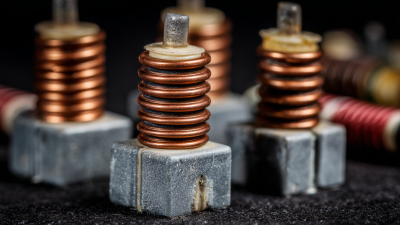
When considering the manufacturing of current transformers, adhering to high-quality standards is essential. A reliable current transformer must offer accuracy and durability. One vital aspect is the choice of materials. High-grade core materials can significantly enhance performance. Conductive materials should ensure minimal energy loss during operation. The right soldering techniques can contribute to insulating properties and longevity.
Additionally, the manufacturing process requires skilled labor and precision machinery. Each transformer must be tested rigorously for faults. This often includes thermal and electrical stress tests. Regular maintenance of manufacturing equipment also plays a crucial role. An overlooked machine may introduce defects in the production line. Quality checks at multiple stages can prevent issues before they escalate.
Attention to detail cannot be underestimated. How components are assembled impacts overall reliability. Proper alignment and secure connections reduce the risk of failure. While striving for perfection, manufacturers must also encourage feedback loops. Understanding flaws in production and learning from them is crucial. Embracing a culture of continuous improvement can enhance product quality significantly.
Cost Factors for Purchasing Cb Current Transformers Internationally
When considering the purchase of CB current transformers internationally, understanding cost factors is crucial. The price of these devices can vary greatly depending on specifications, materials, and manufacturing processes. For instance, custom transformers may come with a higher price tag due to their unique design. Buyers should ask themselves about their specific needs. Are standard models sufficient? Or do they require tailored solutions?
Shipping and tariffs also play a role in overall costs. International freight can add significant expenses. It's wise to investigate local suppliers. Sometimes, they can offer better deals. Quality shouldn’t be compromised for cost. Failure to ensure the reliability of current transformers can lead to increased operational risks.
In addition, consider the impact of currency fluctuations. These changes can affect pricing. Staying informed about market conditions can help in making educated buying decisions. Understanding the differences between current transformers and voltage transformers is vital, as each serves distinct roles in electrical systems. Buyers should reflect on their long-term needs and seek cost-effective options that ensure reliability.
Supplier Evaluation: How to Choose Trusted Vendors for Current Transformers
When evaluating suppliers for Current Transformer Voltage Transformer products, reliability is key. Start by assessing their certifications. Trusted vendors should hold international quality standards, such as ISO 9001. This certification demonstrates a commitment to quality management systems. Research shows that more than 70% of global buyers prioritize certified suppliers.
Next, consider their industry experience. Vendors with over ten years in the market tend to have established trust. Their expertise often translates to better product performance and customer support. Recent data indicates that experienced suppliers have a 30% lower defect rate. Don't overlook customer reviews. They offer insights into real-world applications. A vendor with glowing testimonials is generally a safer bet.
Lastly, transparency is crucial. Vendors should willingly share product specifications, testing protocols, and warranty terms. An unclear process may indicate potential issues ahead. A significant percentage of buyers regret not asking for this information upfront. Encouragingly, statistics show that engaging in discussions with potential suppliers increases the likelihood of a satisfactory purchase by as much as 40%.
Common Applications and Industries for Cb Current Transformers
Core Balance Current Transformers (CBCT) play a vital role in various industries. They are widely used in power distribution, protecting equipment from ground faults. In electrical installations, these transformers help maintain safety and reliability. Their ability to measure imbalance currents makes them indispensable for preventing equipment damage.
Beyond power distribution, CBCTs find applications in renewable energy sectors. Wind and solar energy systems use these transformers to monitor fault currents. They ensure system protection and performance. In industrial environments, these devices help manage electrical loads, enhancing operational efficiency. Their compact size allows for easy integration into existing systems, which is beneficial for manufacturers.
While CBCTs offer numerous advantages, users should consider their limitations. They may not provide accurate readings in certain conditions. Improper installation can lead to failures, impacting system reliability. Regular maintenance is crucial to ensure optimal performance. Understanding the specifics of the installation environment is essential for achieving the best results. Users must approach their integration with careful planning and thoughtful consideration.
Global Applications of CB Current Transformers
Exploring the Features and Applications of the HS08-A-P Series Current Sensor: A Comprehensive Guide
The HS08-A-P series current sensor stands out as a vital tool for achieving accurate electronic measurement of various current types, including direct current (DC), alternating current (AC), and pulsed currents. This advanced sensor leverages cutting-edge technology such as Hall EffeCt Sensors or Rogowski coils, which provide the ability to detect current flow without the need for direct electrical contact. This feature not only enhances measurement precision but also ensures complete safety and isolation between the primary and secondary circuits.
One of the most significant advantages of the HS08-A-P series is its galvanic separation, which plays a critical role in preventing faults and interferences that could compromise sensitive measurement devices. This isolation is especially important in high-stakes applications like industrial automation and renewable energy systems, where safe and reliable current measurements are crucial. By delivering accurate readings while protecting both the circuits involved, the HS08-A-P series current sensor enhances the overall efficiency and reliability of electronic systems across various industries.
FAQS
: Global standards ensure safety and reliability. They guide design and testing, boosting buyer confidence.
Check for certifications from recognized bodies. Certified products meet high performance and safety criteria.
Certification bodies test products against strict benchmarks. They ensure that products adhere to safety standards.
Detailed specifications and test reports provide transparency. Inconsistencies can raise concerns about product quality.
Assess their certifications and industry experience. Trusted vendors often have quality management systems in place.
Vendors with over ten years of experience usually offer better reliability. They might have lower defect rates.
Customer reviews provide real-world insights. A vendor with positive feedback is generally a safer choice.
Suppliers should offer specifications, testing protocols, and warranty terms. Lack of transparency may indicate future issues.
Engaging in discussions with suppliers can increase satisfaction. Many buyers regret not asking questions upfront.
Some suppliers may not prioritize certifications. Cutting corners can compromise product quality and safety.
Conclusion
The article "Best Cb Current Transformer Tips for Global Buyers" provides a comprehensive insight into the essential aspects of choosing Cb Current Transformers. It begins with an overview of current transformers, outlining their function and significance in electrical systems. The discussion emphasizes key features to consider when selecting these devices, such as accuracy, burden ratings, and insulation levels.
Moreover, it highlights the importance of understanding global standards and certifications that ensure quality and safety in current transformers. Best manufacturing practices are also discussed to guide buyers in identifying high-quality products. Cost factors and supplier evaluation tips help international buyers make informed decisions, while the article concludes with a look at common applications across various industries for Cb Current Transformers, reinforcing their critical role in modern electrical infrastructure.