As electric vehicles (EVs) become more and more popular, it’s clear that the need for reliable and efficient EV chargers is booming. You see, everyone’s really looking for solutions that can keep up with this growing demand. That’s where Beijing TransFar Electronics Group Co., Ltd. shines — they’re a top-tier high-tech company, really focused on developing and making EV AC and DC charging stations, along with other cool energy tech. In this post, we’re going to chat about the 7 best EV chargers out there that are really helping push us towards a greener, electric future. These chargers aren’t just your run-of-the-mill—they come with smart features, fast charging, and are designed to fit all kinds of EV owners’ needs. So, stick around as we dig into what makes these chargers special and how they’re helping build the electrical infrastructure that powers electric mobility today.
Exploring the Importance of EV Chargers in Sustainable Transportation
As more and more people are making the switch to electric vehicles (EVs), it’s become pretty clear just how important good charging infrastructure really is. The International Energy Agency (IEA) predicts that by 2030, there could be around 145 million EVs on the roads—talk about a massive shift! This isn’t just about cutting down greenhouse gases; it’s really about pushing forward to sustainable transport options that can help us lower our carbon footprint significantly.
Having enough charging stations and making them easy to find is a major factor in getting folks on board with electric cars. A report from BloombergNEF mentioned that the global market for EV chargers might hit $22 billion by 2027—that’s a huge economic opportunity tied right into this infrastructure. When chargers are readily available, whether at home, work, or on the road, it makes life so much easier for EV owners. Plus, public charging stations can really help ease that common worry—range anxiety—that stops some people from going electric. All in all, as investments in this space continue to grow, major advancements in tech and infrastructure are going to be crucial in making the global transition to electric vehicles happen smoothly.
Key Factors to Consider When Choosing an EV Charger
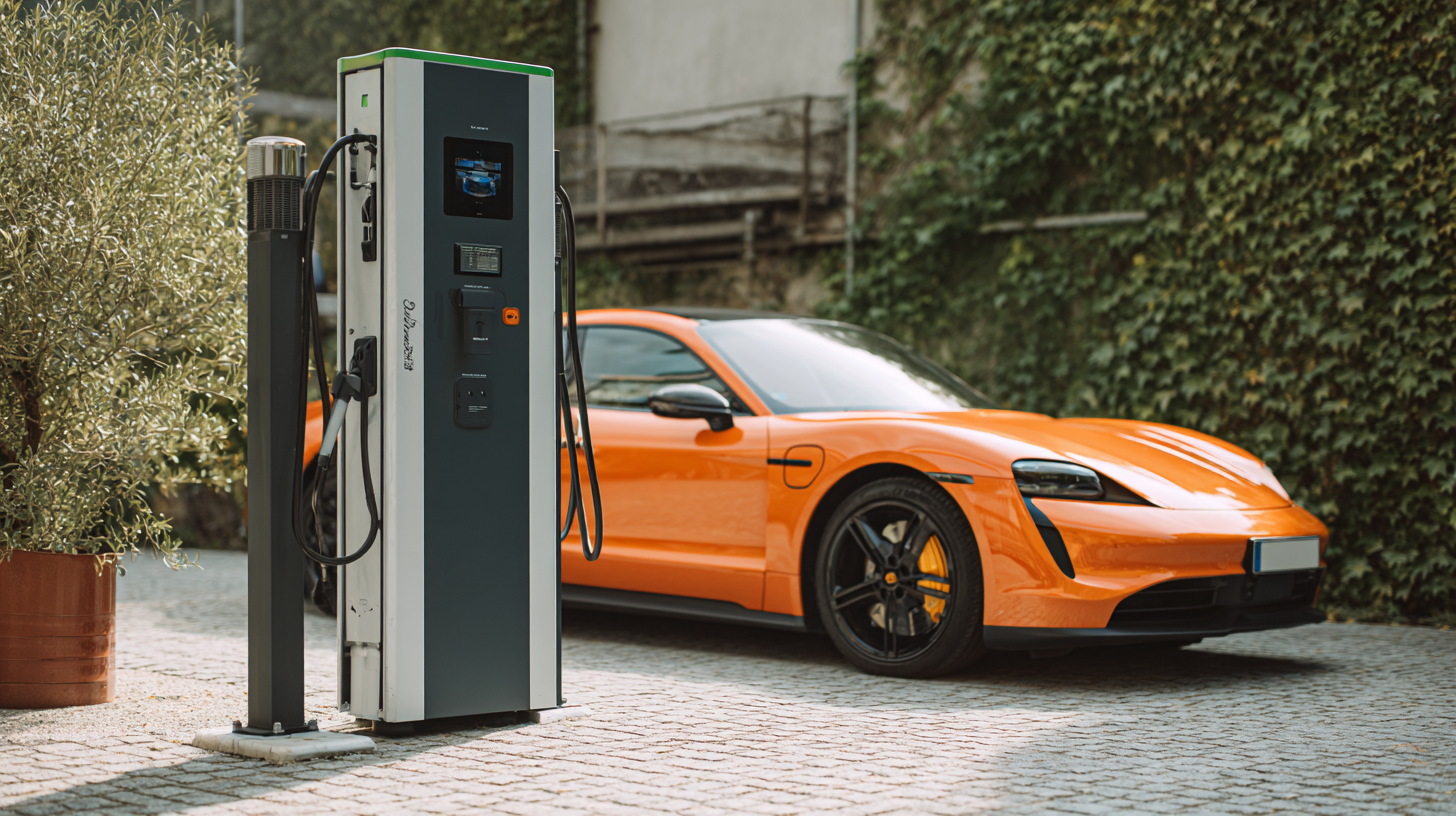
Choosing the right EV charger isn't something you wanna rush into; there are a few important things to keep in mind to make sure you pick the perfect one for your needs. First off, think about how fast you need to charge. If you're just plugging in overnight at home, a Level 1 charger is probably enough since it’s pretty slow. But if you're on the go a lot or need a quick charge, then Level 2 or even Dc Fast Chargers are the way to go—they get the job done much quicker. Also, don’t forget to check whether the charger is compatible with your car model because different EVs might need different connectors, ya know?
Another thing to consider is where you plan to install it and what kind of setup you want. Do you want something portable that you can take around, or a fixed, hardwired one that’s more permanent? Think about how easy installation will be, any electrical upgrades your house might need, and whether there are any government rebates or incentives to help cover the costs—you might be surprised what’s available!
A couple of tips — always look into the warranty and what kind of customer support the manufacturer offers. Going with a reputable brand can save you headaches later on. And hey, it’s smart to future-proof your choice a bit; pick a charger that can handle the growing number of EVs out there, especially since the global market for EV charging is expanding so rapidly these days.
Top 7 EV Charger Options for Every Driver’s Needs
As the electric vehicle (EV) market keeps booming, more and more drivers are on the hunt for better charging solutions that fit their specific needs. It’s pretty clear that having a variety of charging options is key—whether you need a super quick charge for a quick trip or something more chill for home at night. And with the UK's charging infrastructure expanding like crazy—up by a solid 38% in 2024, adding over 20,000 new charging points—that’s a huge step toward making charging more accessible for everyone. Of course, it’s not just about having enough stations; they also need to be straightforward to use, with clear pricing and reliable service so drivers aren’t left hanging.
Looking ahead, tackling the costs associated with public charging will be crucial if we want EVs to really become the go-to choice for everyone. Recent reports are pointing toward some smart ideas to solve payment hassles and make the whole charging experience smoother. Plus, advancements in charging tech—especially from specialized companies—are promising faster, more efficient chargers while also supporting sustainability and convenience. As we move towards an electric-powered future, making sure drivers have access to good, hassle-free charging infrastructure is absolutely essential if we want widespread adoption of EVs to become a reality.
Comparative Analysis of Level 1 vs Level 2 EV Chargers
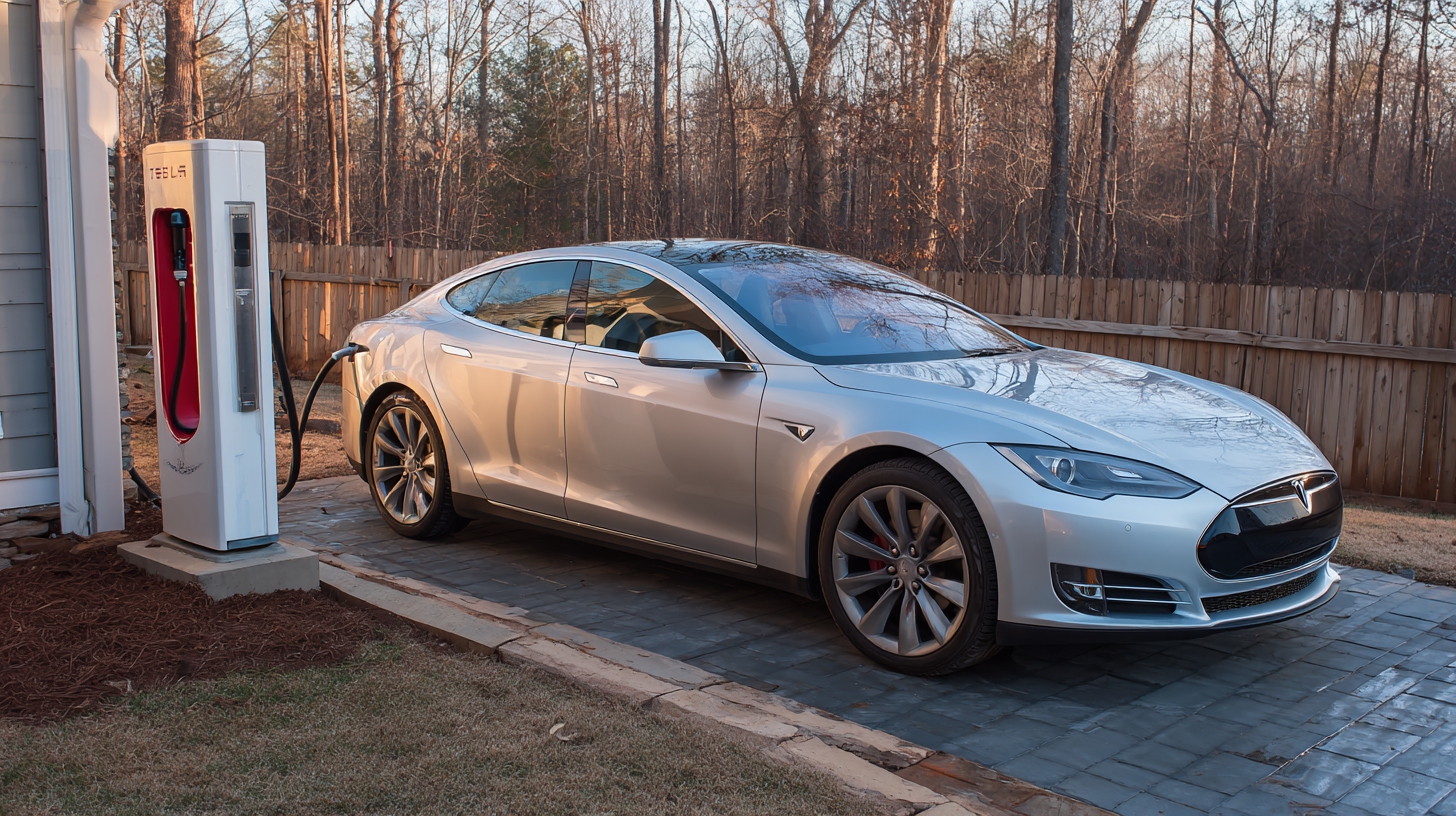
When you're trying to figure out how to power up your electric vehicle, it's pretty important to understand the difference between Level 1 and Level 2 chargers. Basically, Level 1 chargers use a standard 120-volt outlet — so, they’re super easy to plug into your home, no fancy setup required. The downside? They’re pretty slow. You’re looking at maybe 4 to 5 miles of range added per hour of charging, which is enough if you’re just doing overnight top-ups, especially if your daily commute isn’t that long. But if you’re someone who drives a lot, that might not cut it.
Now, Level 2 chargers are a bit of a different story. These run on a 240-volt Power Supply, so they charge way faster — you could get anywhere from 10 to even 60 miles of range in just an hour, depending on your car and the charger. They're great for your home, especially if you want a quick recharge during the night or between trips. Plus, you’ll spot these a lot at public charging stations. Sure, they need a bit more of a setup and can cost a bit more upfront, but for folks who drive daily and want to save time, they’re pretty much the way to go. Basically, by looking at the pros and cons of each, you can pick the charging setup that best fits your driving habits and lifestyle — simple as that.
Comparison of Level 1 and Level 2 EV Chargers
Understanding Installation Requirements for Home EV Charging
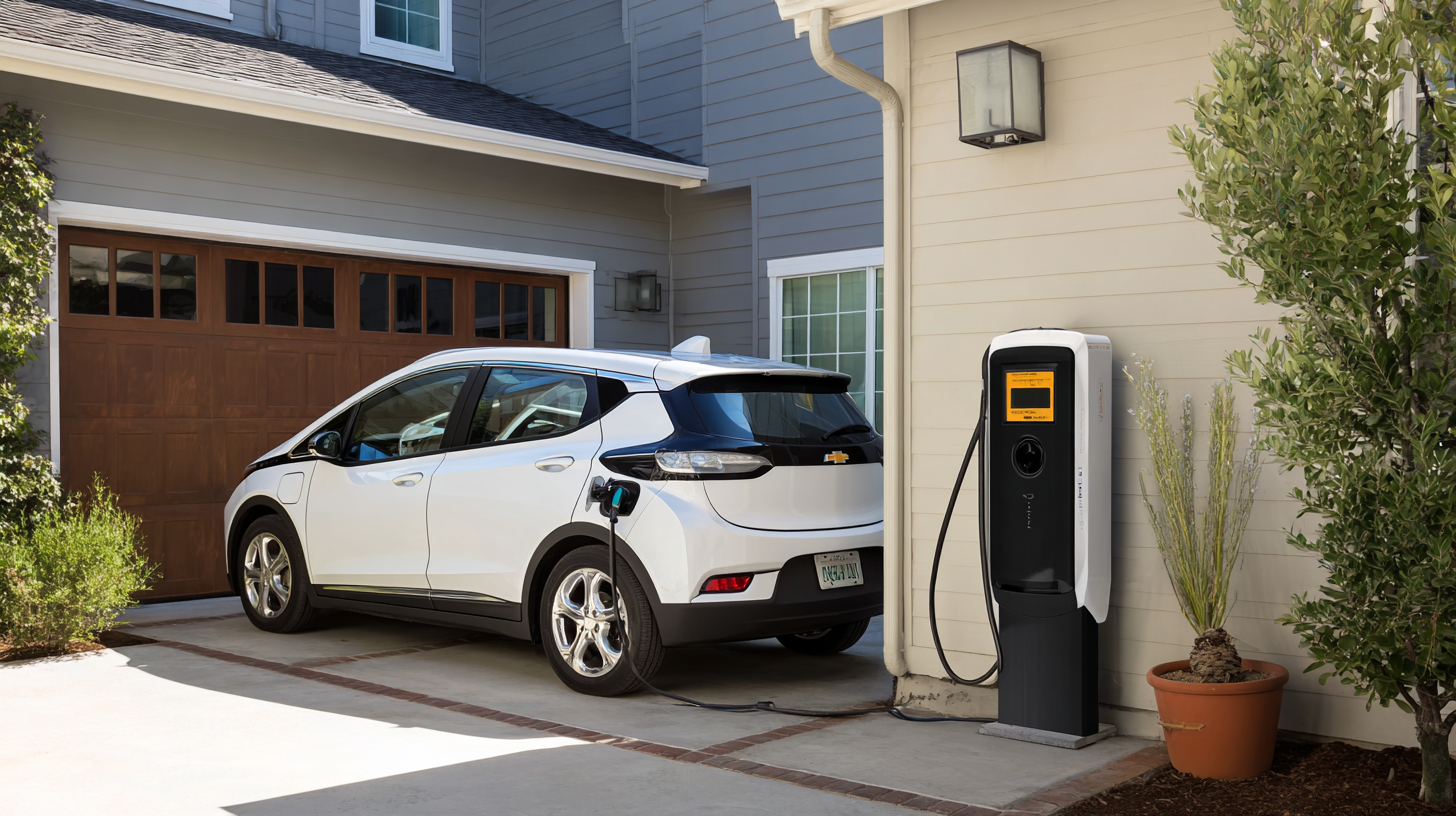
Thinking about installing a home EV charger? Well, it’s pretty important to get a grip on what’s actually involved — because it can make a big difference in how easy and efficient your charging experience ends up being. According to a report from the U.S. Department of Energy, roughly 80% of EV charging happens right at home, so having a good, properly installed charger is a total game-changer for modern EV owners. Usually, you’ll need to make sure your electrical system can handle it, which often means installing a dedicated 240-volt circuit—especially if you’re going for a Level 2 charger since they’re faster and more convenient.
But it’s not just about the electrical stuff. You also want to think about where you’re putting the charger around your property. The National Renewable Energy Laboratory stresses that proper placement is key — ideally, the charger should be easy to access so you’re not juggling extension cords that could turn into a hazard. Plus, don’t forget about local rules and permits; these can vary a lot depending on where you live. Sometimes, there might even be costs involved for trenching or wiring to connect everything up. Getting a good handle on all these installation details will help make switching to an electric vehicle way smoother and less stressful.
Future Trends in EV Charging Technology and Infrastructure
As the electric vehicle (EV) market keeps growing, it’s clear that we really need more advanced charging infrastructure to keep up. According to a report from the International Energy Agency (IEA), by 2030, there could be over 145 million EVs on the road—that’s a huge jump! To make sure everyone can charge up easily and quickly, new tech and solutions are popping up all the time. Things like ultra-fast charging stations, which can fill up an EV’s battery in just about 15 minutes, are becoming more common. On top of that, smart charging systems that use real-time data to optimize energy use are really changing the game.
Here at Beijing TransFar Electronics Group Co., Ltd., we’re proud to be leading this charge. We’re constantly pushing the envelope with our innovations in EV AC and DC charging piles, which puts us among the top players in this space. The market for EV chargers is expected to hit around $30 billion by 2027—thanks to government incentives, rising environmental awareness, and overall tech advancements. That’s why we’re focused on developing state-of-the-art products. Our advanced sensors and specialized transformers are just some of the ways we’re helping create reliable, efficient charging experiences for EV drivers all around the world.
FAQS
: The main types of EV chargers are Level 1 and Level 2 chargers. Level 1 chargers use a standard 120-volt outlet and are slower, adding 4 to 5 miles of range per hour. Level 2 chargers operate on a 240-volt supply, offering faster charging speeds of 10 to 60 miles of range per hour.
A robust charging infrastructure is crucial for widespread EV adoption because it ensures that drivers have access to sufficient and user-friendly charging options, which can alleviate concerns about range anxiety and charging convenience.
Approximately 80% of EV charging occurs at home, making the installation of home charging stations essential for EV owners.
Homeowners should consider electrical capacity, the layout of the property for accessibility, local regulations and permitting requirements, and potential costs for connecting the charger to their electrical system.
Reforming public charging costs plays a critical role in making EVs an attractive option for drivers, as it addresses payment challenges and enhances the overall charging experience.
Level 2 chargers provide significantly faster charging times, making them ideal for daily drivers who need quick recharges. Although they require a higher initial investment and more substantial electrical setups, they better suit the needs of high-mileage users.
Installing a Level 2 charger, which requires a dedicated 240-volt circuit, can enhance charging efficiency by allowing EV owners to recharge their vehicles much faster, thus accommodating their driving habits more effectively.
Fast charging solutions, like Level 2 chargers, are more suitable for drivers with high mileage demands, while Level 1 chargers may be sufficient for those with shorter commutes who can charge overnight.
User-friendly charging stations with clear pricing and reliable service are essential to ensure that all consumers, regardless of their EV knowledge, can easily access and use the charging infrastructure.
Innovations in charging technology are crucial as they aim to improve the efficiency of charge points and meet the growing demand for sustainability and convenience in the electric vehicle sector.
Conclusion
Nowadays, with how quickly the automotive world is changing, electric vehicles (EVs) are really taking center stage, and that means EV chargers are more important than ever for promoting sustainable transport. Picking the right charger isn’t just about plugging in—it can make a big difference in how convenient and efficient your charging experience is. You want to think about things like how fast it charges, if it’s compatible with your car, and what kind of installation you might need—that way, it all fits your personal needs without any hassle.
When looking at the top 7 EV chargers out there, comparing the Level 1 and Level 2 options really shows how each suits different lifestyles and charging habits. And don’t forget, understanding what’s involved in installing your charger can make switching over to home EV charging a smooth ride. Looking ahead, the industry is constantly evolving, and new tech and infrastructure developments promise to make charging even easier and more efficient. At Beijing TransFar Electronics Group Co., Ltd., we’re passionate about being part of that future with our cutting-edge EV AC & DC charging solutions.