Hey there! If you've been keeping an eye on how quickly electronics are changing lately, especially when it comes to new energy solutions, you'll notice that PCB-mounted electronics are really at the heart of boosting performance and efficiency. At Beijing TransFar Electronics Group Co., Ltd., we're all about cutting-edge tech—things like current and Voltage Sensors, reactors, and EV charging stations. These PCB-mounted components make designing stuff way easier, help save space, and boost reliability across a bunch of different applications. In this post, I’m gonna share the 15 top PCB-mounted electronics solutions you should definitely be aware of today. Plus, I’ll throw in some alternative options that could really make a difference for your projects. As engineering and manufacturing keep advancing, getting a handle on these alternatives is pretty much essential if you want your electronic systems to stay ahead in the sustainable energy game. Let’s dive in!
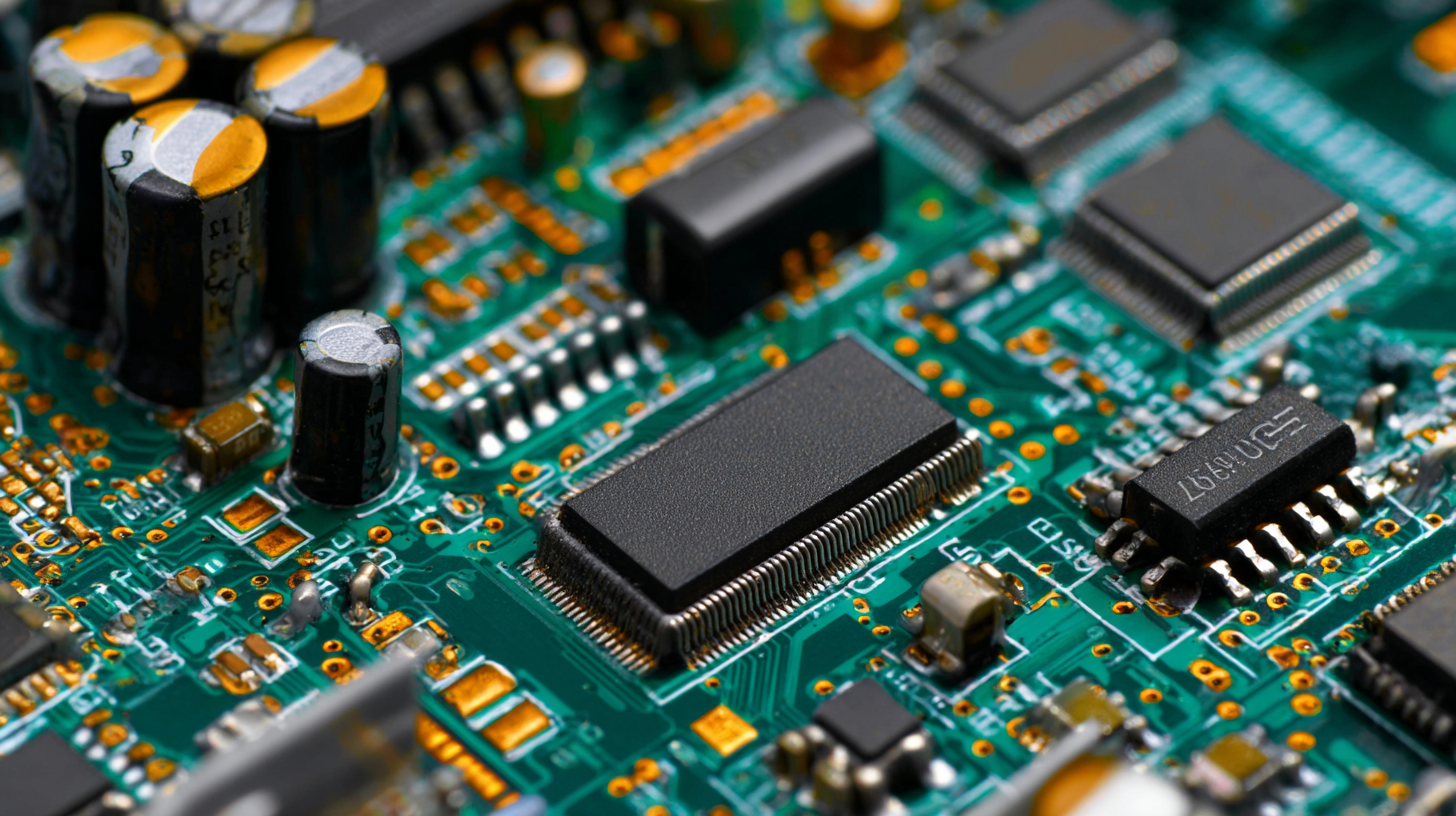
Innovative PCB Mounted Solutions for Streamlined Electronics Design
In the ever-changing world of electronics design, embracing new PCB-mounted solutions is pretty much essential if you want smoother processes and better performance. At Beijing TransFar Electronics Group Co., Ltd., we get how important it is to stay ahead by weaving in the latest tech—think new energy current and voltage sensors, super-precise electromagnetic parts, and solid charging solutions. Using smart PCB designs, we're able to boost the reliability and efficiency of our new energy reactors and special Transformers, especially for electric vehicles.
If you're thinking about PCB-mounted solutions for your own projects, here are a few tips that might help. First off, aim for modular designs—they make upgrades and maintenance way easier and keep your stuff flexible down the line. Next, pay close attention to thermal management in your layouts—good heat dissipation can really make your components last longer. And finally, don't skimp on materials—using high-quality stuff that matches your project’s needs is key to getting the best performance and dependability.
At TransFar, we’re all about delivering top-notch electronics solutions. We use the latest PCB tech to make sure our products not only meet industry standards but go beyond. If you keep these tips in mind during your design process, you’ll be well on your way to crafting effective, high-performance electronics tailored just for you.
15 Best PCB Mounted Electronics Solutions You Need to Know Today - Innovative PCB Mounted Solutions for Streamlined Electronics Design
| Solution Name | Type | Feature | Application | Benefits |
| Embedded Microcontroller | Processor | Low power consumption | Consumer electronics | Space-saving design |
| Surface Mount Resistors | Passive | High reliability | Signal conditioning | Improved density |
| Integrated Circuit Chips | Chip | Multiple functionalities | Computing devices | Reduced footprint |
| LED Indicators | Light source | Low power | Status indicators | Long lifespan |
| Power Amplifiers | Active | High output power | Audio applications | Enhanced audio quality |
| Capacitor Modules | Passive | Stability | Filtering circuits | Reduced noise |
| Thermal Management Solutions | Cooling | Effective heat dissipation | High-performance electronics | Extended component life |
| RFID Modules | Communication | Non-contact reading | Inventory management | Increased efficiency |
| Environmental Sensors | Sensor | Accurate readings | Smart buildings | Enhanced automation |
| Battery Management Systems | Power | Monitoring and control | Electric vehicles | Improved safety |
| Real-time Clock Modules | Timekeeping | Low drift | Embedded systems | Accurate timekeeping |
| Touchscreen Controllers | User interface | High responsiveness | Consumer products | Enhanced user experience |
| Audio Codec Chips | Processing | High fidelity | Multimedia devices | Improved sound quality |
| Smart Home Controllers | Control | Wireless communication | Home automation | Convenient management |
| Analog-to-Digital Converters | Conversion | Precise conversion | Signal processing | Improved measurement |
Key Advantages of Integrating PCB Mounting for Electronics
When you integrate PCB mounting into your electronic designs, you actually unlock quite a few big advantages that boost both how well things work and how smoothly everything runs. One of the biggest perks? It really cuts down on assembly time and labor costs. By mounting components directly onto the printed circuit board, manufacturers can make the whole production process way simpler — you end up with less wiring and fewer connectors to fuss with. This not only speeds things up but also makes the final product more reliable since there are fewer points where things could go wrong.
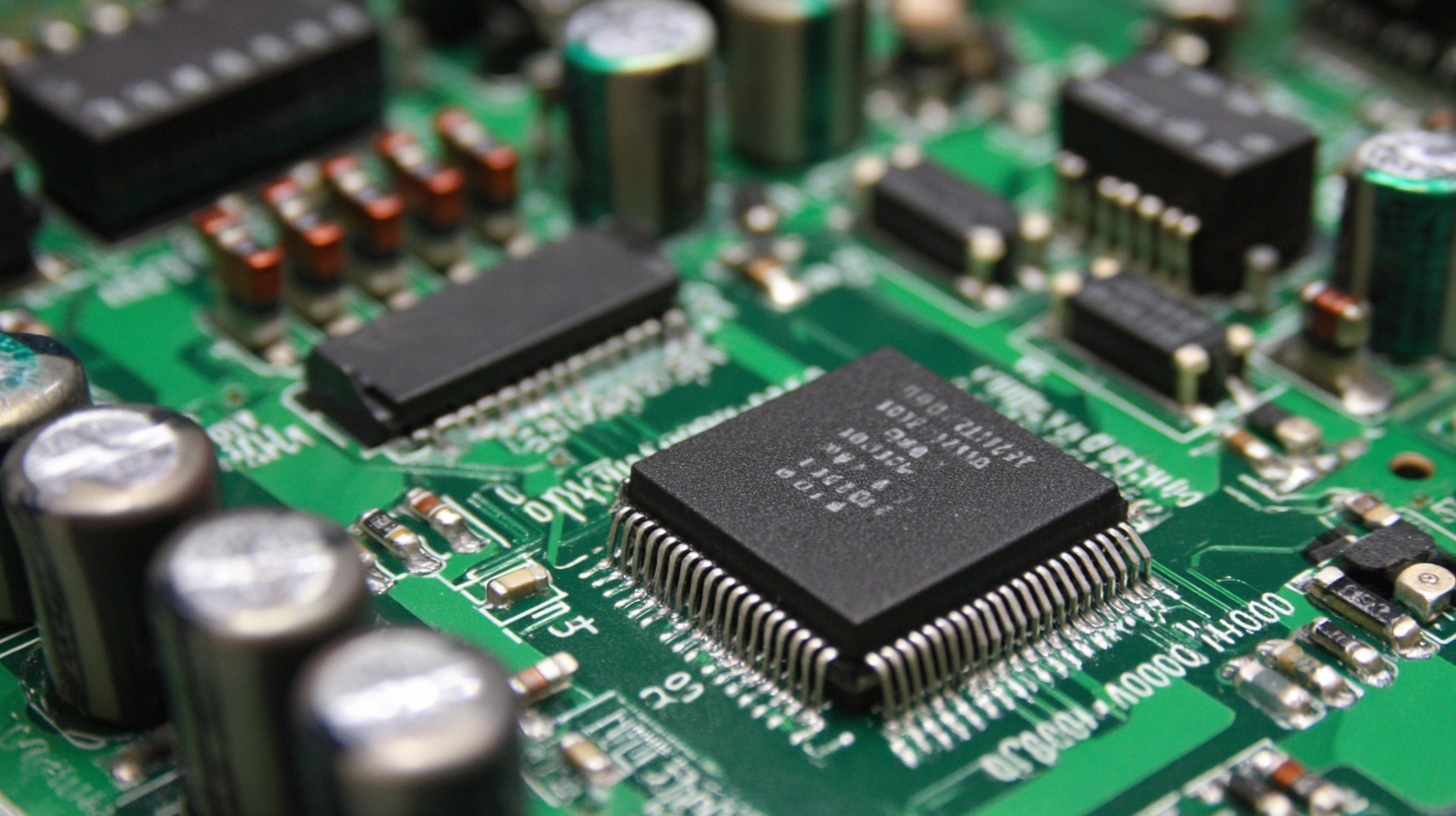
Plus, using PCB mounting helps keep your designs more compact. As gadgets get smaller and more portable, space-saving really becomes a must. When components are directly mounted on the board, you can make better use of the available space, giving yourself more room to get creative with your designs. And, since everything's packed tighter, heat can dissipate more efficiently around nearby components, keeping things cooler overall. All in all, going for PCB-mounted solutions is a smart move if you're looking to improve performance, boost reliability, and make your products stand out in the market.
Top 5 PCB Mounted Components That Every Engineer Should Consider
In today’s fast-moving world of electronics, picking the right PCB-mounted components is more important than ever for engineers trying to push performance and efficiency up a notch. I came across a recent report from IPC—they mentioned the global PCB market might hit around $80 billion by 2026. That’s mainly because there’s such a surge in consumer gadgets and IoT devices coming out all the time. It really shows how crucial it is to optimize PCB designs by including high-quality components that not only save space but also boost reliability.
One component that’s a must-consider for any engineer is surface mount resistors. Their small size makes it easier to cram more stuff into tighter spaces, which is pretty much a necessity these days. Then there are ceramic capacitors, especially MLCCs — these have become super popular because they handle high frequencies well and have low ESR. A report by Yole Développement suggests that the MLCC market might surpass $10 billion by 2025, which just goes to show how essential they are for powering the next generation of circuits. Plus, adding advanced microcontrollers onto PCBs can really ramp up processing power without making the board even bigger—making them a go-to choice for folks serious about performance in a compact package.
How PCB Mounting Enhances Performance and Reduces Space
You know, PCB mounting really changed the game for the electronics world. It’s like, not only does it boost performance, but it also helps save space—which is a big deal these days. I came across a report from Research and Markets that says the global PCB market could hit around $78.4 billion by 2026. Most of this growth? It’s driven by people wanting smaller, more efficient gadgets and devices. And honestly, that makes sense because PCB solutions let all the tiny components fit together more neatly, cutting down the size of the whole assembly quite a bit.
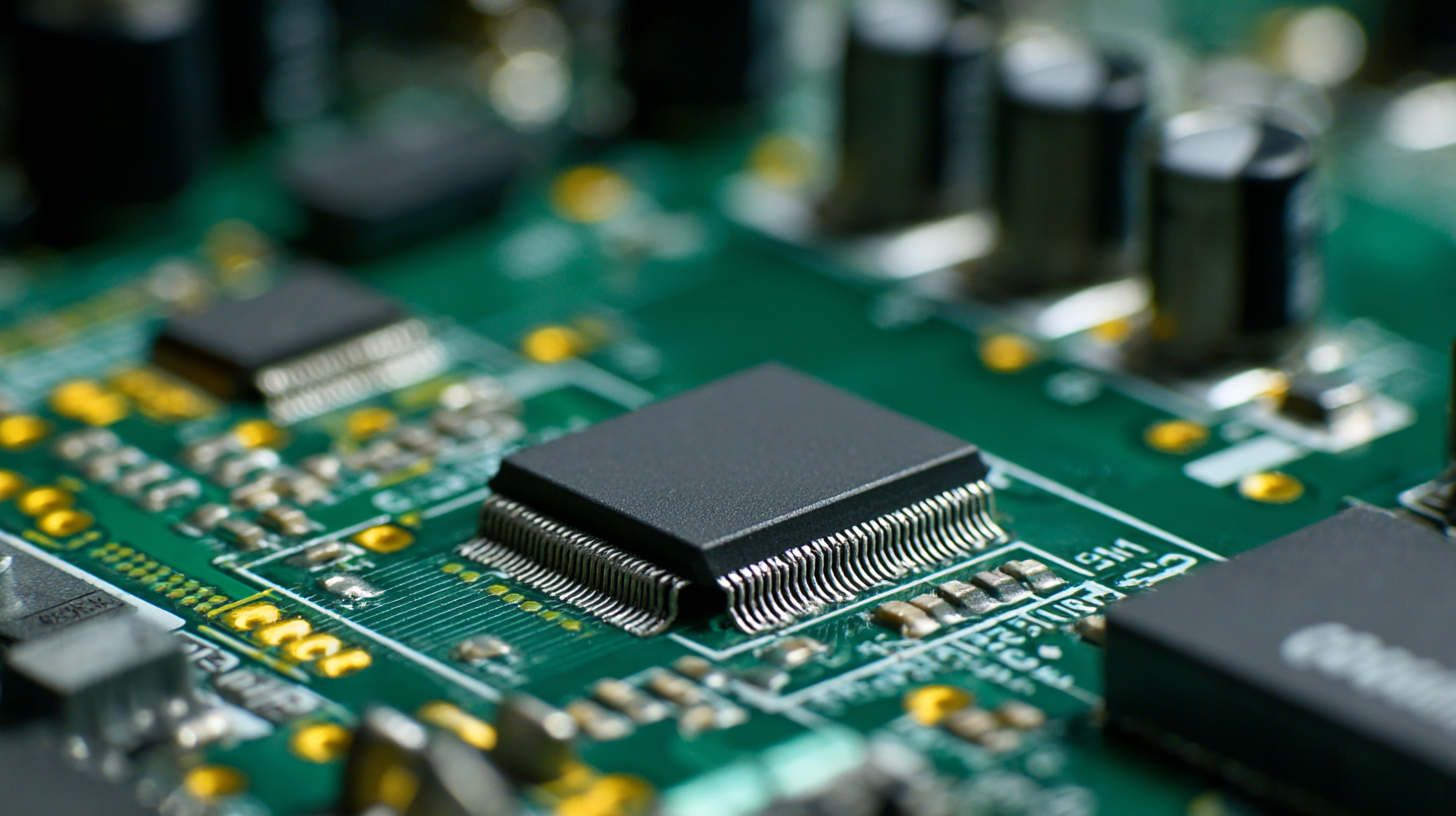
But it’s not just about saving space. Good PCB design also means better reliability and performance for electronic stuff. There’s this study I read in the Journal of Electronic Materials that mentions how smartly designed PCBs can cut down electromagnetic interference and help with heat dissipation. Those little improvements can really make a difference—they lower failure rates and even make devices last longer. In today’s world, where everyone wants smaller, faster, and more powerful tech, PCB mounting really is a key innovation that’s serving both consumers and industries alike.
Critical Factors to Consider When Choosing PCB Mounted Electronics
When you're choosing PCB-mounted electronics for your project, there are a few key things you really want to keep in mind to make sure everything works smoothly and stays compatible. First off, take a close look at the specs of the components—stuff like voltage ratings, how much current they need, and their temperature tolerances. If you pick parts that can handle the conditions they'll face, you’ll end up with a more reliable setup that lasts longer.
Then, don’t forget about the layout and footprint of these components on your PCB. Getting this right can really boost signal quality and cut down on electromagnetic interference, which is huge if you're working with high-frequency signals. Oh, and thermal management? It’s super important too. Designing for good heat dissipation—using things like thermal vias or selecting parts with built-in cooling features—can prevent overheating and keep your electronics running efficiently in real-world situations.
Future Trends in PCB Mounted Technologies You Should Be Aware Of
Looking ahead, it's pretty clear that PCB-mounted tech is on the verge of some serious changes, thanks to advancements in making things smaller, more automated, and eco-friendly. A recent report from Market Research Future predicts that the worldwide PCB market could hit around $80 billion by 2026, growing at roughly 4.5% each year. That’s a solid chunk of growth, driven by the rising demand for PCBs in electronics, cars, and healthcare gadgets. One big trend to watch is the rise of flexible and rigid-flex PCBs—they’re becoming a must-have for compact devices like wearables and IoT gadgets, fitting right into the industry’s push for smaller, sleeker designs.
On the tech side of things, smart PCB tech is starting to take off. We're talking about boards with built-in sensors and diagnostic features that boost functionality without needing extra parts. According to an IPC survey, about 70% of electronics makers are focusing on smart tech in their designs—mainly because it cuts costs and makes their products perform better.
Pro tip: If you want to stay ahead of the curve, it’s a good idea for companies to invest in R&D, especially around smart PCB designs that leverage IoT and AI.
And don’t forget about sustainability—it's a big deal for manufacturers nowadays. More companies are switching to eco-friendly materials and greener production methods. Using lead-free solder and recyclable substrates is becoming the norm, especially since regulations and consumer preferences are leaning that way.
Another tip: To really boost your eco-friendliness, adopting tools like life cycle assessment (LCA) can help you understand and reduce the environmental impact of your PCB products from start to finish.
FAQS
: Innovative PCB mounted solutions enhance streamlined processes and performance by integrating advanced technologies, improving reliability and efficiency, especially in applications like new energy reactors and electric vehicle components.
Modular designs facilitate easy upgrades and maintenance, ensuring the longevity and adaptability of applications, which is crucial in the evolving electronics landscape.
Effective heat dissipation is a key thermal management strategy, as it can significantly improve component lifespan and overall performance in electronics design.
High-quality materials that align with the project's specifications should be chosen to guarantee optimal performance and reliability in PCB designs.
Surface mount resistors are compact components that allow for denser layouts, which is essential for modern electronic devices, enhancing performance and efficiency.
Ceramic capacitors, particularly Multi-Layer Ceramic Capacitors (MLCCs), support high-frequency applications with low equivalent series resistance (ESR), making them critical for next-generation circuitry.
Advanced microcontrollers enhance processing capabilities without significantly increasing footprint, making them indispensable for engineers focused on performance and compact design.
The global PCB market is expected to reach $80 billion by 2026, primarily driven by the increasing demand for consumer electronics and IoT devices.
Optimizing PCB designs by integrating high-quality mounted components improves reliability, which is crucial for the performance of modern electronics.
Selecting the right PCB mounted components is crucial for enhancing performance and efficiency, as it directly impacts the overall functionality and reliability of electronic devices.