As the demand for electricity keeps climbing, picking the right Power Transformeris more important than ever. The global market for these Transformers is expected to see some serious growth, with forecasts indicating a CAGR of about 6.5% through 2026, according to industry reports. Big names like Siemens, ABB, and General Electric are leading the charge, each offering a range of models that suit different needs.
Power Transformers are absolutely essential when it comes to transmitting and distributing electricity efficiently. Honestly, their role in substations is nothing short of critical. But here’s the thing — with so many options out there, making the right choice can feel pretty overwhelming. You’ve got to think about voltage ratings, capacity, efficiency… it’s a lot to juggle.
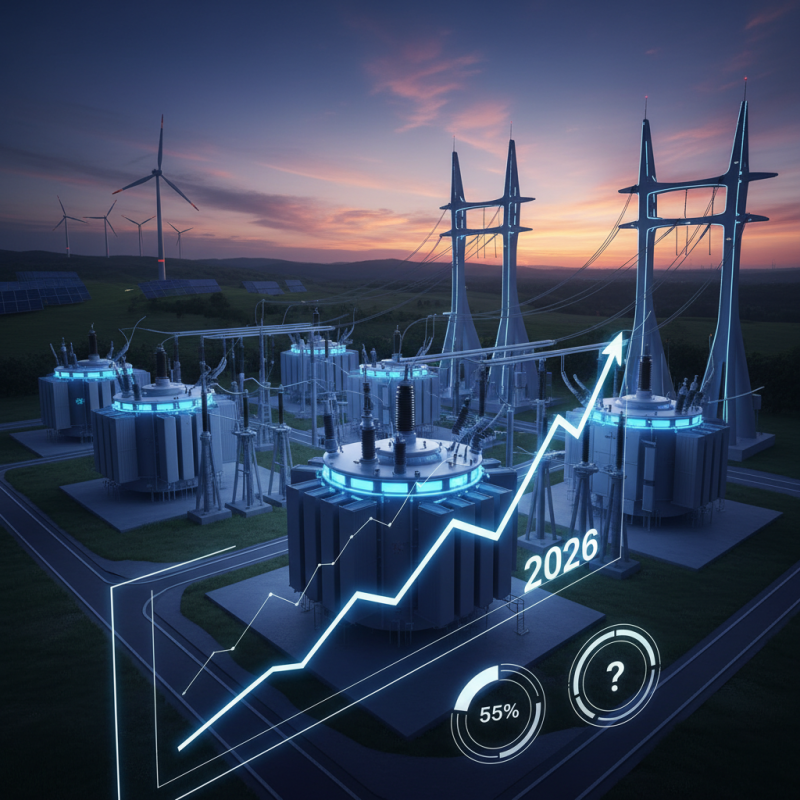
Interestingly, recent studies show that only about 55% of procurement teams actually feel satisfied with the power transformers they pick. That’s a pretty low number, and it makes you wonder — are companies making these decisions just because of budget limits, or maybe they're missing some key info? As we look ahead to 2026, understanding these little details will definitely help in making smarter choices when it comes to buying power transformers.
Best Power Transformer Options for 2026: What to Consider?
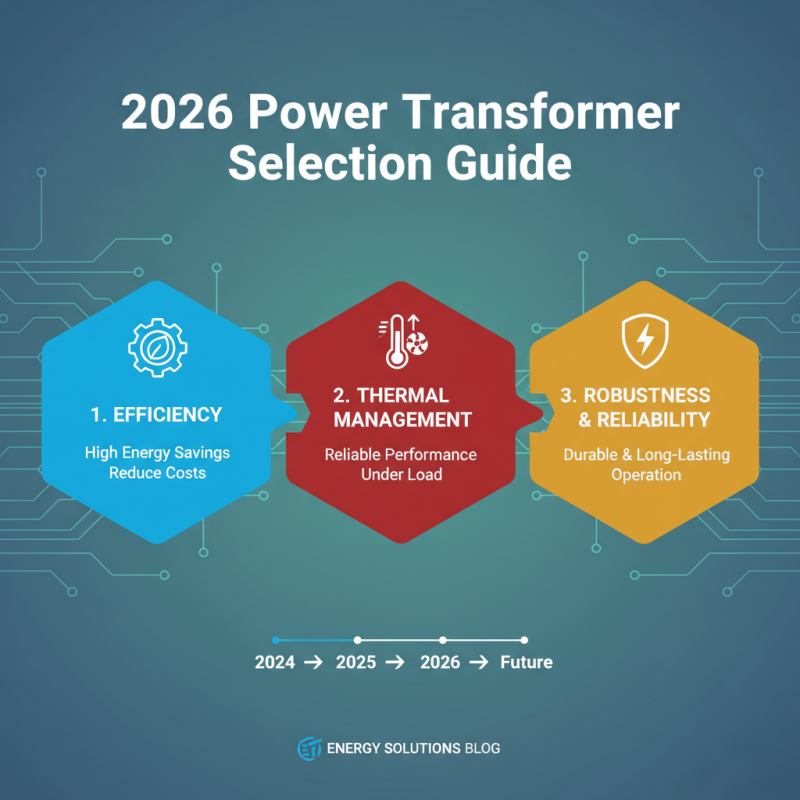
When choosing a power transformer for 2026, several factors come into play. Efficiency is key. Look for models that maximize energy use. This can lead to substantial cost savings. However, not all options on the market will fit your specific needs. It's essential to assess the load requirements beforehand.
Consider the installation space available. Some transformers are bulkier than others. Ensure you have enough clearance and ventilation for the equipment. Power ratings are also vital. Underestimating your needs can cause failures. Reliability is critical, and it's often overlooked. A Transformer For Power should withstand frequent cycles without issues.
Think about future scalability too. As equipment needs grow, can your transformer accommodate more load? If not, it may lead to costly replacements. Take your time during the selection process. Experiment with different configurations to find the best fit. A hasty choice can lead to inefficiencies and ongoing frustrations.
Understanding the Role of Power Transformers in Modern Energy Systems
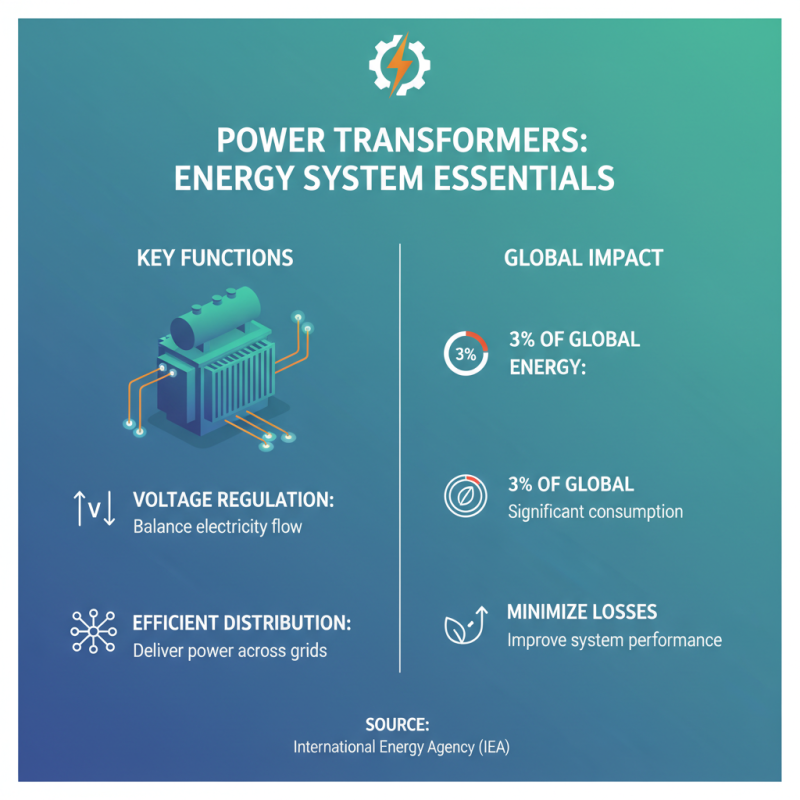
Power transformers are essential in today's energy systems. They regulate voltage and distribute electricity efficiently across networks. According to the International Energy Agency, power transformers account for about 3% of global energy consumption. This might seem low, but the impact is significant. Properly functioning transformers ensure minimal energy loss, improving overall system performance.
Modern energy demands require reliable solutions. The shift toward renewable energy adds pressure on power systems. Losses in transformers can lead to inefficiencies. A study by the Electric Power Research Institute found that upgrading to a Fully Enclosed Power Transformer can reduce energy losses by up to 35%. This improvement supports sustainable development goals and enhances grid resilience.
Utilities face challenges. Aging infrastructure often hampers efficiency. Many transformers are decades old, prone to failures. Regular maintenance is crucial but often neglected. The need for innovation is urgent. Incorporating smart technologies in transformer design can lead to better monitoring. This approach may address performance issues and improve fault detection, helping ensure reliability in energy distribution.
Key Features to Look for in Power Transformers for 2026
When selecting power transformers in 2026, several key features become essential. Efficiency is a primary consideration. Transformers with high energy efficiency reduce operational costs. This impacts the bottom line positively. Additionally, units should possess a robust thermal management system. This feature ensures reliable performance under varying load conditions.
Size and footprint play significant roles too. Compact designs save space without sacrificing performance. Manufacturers are focusing on modular designs. Such configurations make maintenance easier and upgrades simpler. It's also important to consider environmental impact. Look for units compliant with sustainability standards.
Tailor-Made Power Transformers can be an excellent choice for unique applications. Organizations must assess specific power requirements, voltage levels, and load variations. Custom solutions often lead to improved overall system functionality. However, one must reflect on the balance between customization and scalability. Choosing the right features might require careful analysis and expert consultations.
Comparative Analysis of Leading Power Transformer Brands and Models
When evaluating power transformers for 2026, various brands stand out in the market. A recent report by the International Electrotechnical Commission highlights that energy efficiency is a major focus. The report notes that transformers can achieve an efficiency of over 99% when properly designed. This efficiency ensures lower operating costs over the life of the transformer, appealing to many industries.
In the comparative analysis of leading models, key features include voltage regulation, thermal performance, and noise levels. Some models offer advanced cooling systems, enhancing their performance in high-demand situations. Notably, the average lifespan of power transformers is around 30 years, but poor maintenance can reduce their efficiency significantly. This is an area where companies must reflect.
Furthermore, the demand for sustainable solutions is increasingly vital. Reports indicate that 40% of power transformers currently in use do not meet modern environmental standards. This gap presents an opportunity for manufacturers to innovate. Investing in eco-friendly materials not only benefits the environment but also aligns with regulatory trends. Ensuring compliance with emerging standards can be challenging, but it is essential for future growth.
Best Power Transformer Options for 2026 What to Consider?
| Model | Power Rating (MVA) | Efficiency (%) | Cooling Type | Voltage Ratio (kV) | Warranty (Years) |
| Model A | 100 | 98.5 | Oil | 132/33 | 5 |
| Model B | 150 | 97.8 | Air | 220/66 | 7 |
| Model C | 200 | 98.2 | Oil | 400/220 | 10 |
| Model D | 80 | 96.5 | Air | 66/11 | 3 |
| Model E | 120 | 99.0 | Oil | 110/33 | 6 |
Assessing Efficiency and Sustainability in Power Transformer Selection
When selecting power transformers, efficiency and sustainability are key factors. The global shift towards renewable energy is influencing the design and operation of these essential devices. According to a recent report by the International Energy Agency, improving transformer efficiency can reduce energy losses by up to 20%. This percentage represents a significant opportunity for utilities aiming to decrease operational costs and carbon emissions.
Sustainability considerations should extend beyond operational efficiency. Materials used in construction play a crucial role. A report from the World Economic Forum highlights that around 55% of transformer-related emissions stem from manufacturing processes. As companies strive to cut down their carbon footprints, innovative materials and designs must be prioritized. Using recycled steel and eco-friendly insulating fluids is one approach that can enhance sustainability.
Yet, challenges persist. Many older transformers lack efficiency features. Replacing them with modern units is costly and requires careful planning. Additionally, the transition to more sustainable practices may disrupt existing supply chains. It’s important for decision-makers to weigh these complexities against the long-term benefits of adopting greener technologies. Thus, while efficiency and sustainability are crucial, they demand thoughtful consideration and a careful assessment of trade-offs.
Maintenance and Reliability Factors for Long-Term Power Transformer Use
When considering maintenance for power transformers, reliability is key. Regular inspections can save costly repairs. Pay attention to insulation conditions. This aspect often goes overlooked, yet it significantly impacts lifespan.
Operational environments also matter. Dust, temperature, and humidity can wear down transformers faster. Monitor these factors closely. Implementing a routine cleaning schedule can prevent excess buildup. It’s essential to keep connections tight. Loose connections lead to overheating and inefficiency, especially in Single Phase Power Transformers.
Tips: Always document maintenance activities. This record helps identify patterns or recurring issues. Be proactive instead of reactive; it pays off in the long run. Engage your team in regular training. A well-informed staff can spot potential problems early, ensuring reliable performance for years. Ensure to test and replace worn components promptly. Ignoring these details can lead to unexpected failures.
Best Power Transformer Options for 2026
This chart illustrates the key factors to consider when selecting power transformers for long-term use, focusing on maintenance and reliability metrics for 2026. The data shows the percentage importance of various factors including Efficiency, Lifecycle Cost, Maintenance Frequency, and Reliability Rating.
Future Trends and Innovations in Power Transformer Technology
The future of power transformer technology is exciting and complex. Experts predict significant advancements driven by increasing demands for sustainable energy solutions. According to a recent report by the International Energy Agency (IEA), global electricity demand is set to double by 2060. Meeting this demand requires more efficient transformers that can handle higher loads and reduce energy losses.
Innovations in materials and design are reshaping the landscape. For instance, amorphous steel cores can reduce no-load losses by up to 70%. This is a promising improvement, yet many manufacturers struggle to incorporate these materials due to higher upfront costs. The installation of smart transformers capable of real-time monitoring and diagnostics is another trend.
These transformers can optimize performance and minimize maintenance, but their complexity poses challenges for widespread adoption.
Technological integration, such as IoT and AI, is also on the rise. These technologies can enhance operational efficiency and improve grid resilience. However, the transition requires training and adaptation from current practices. The lack of skilled professionals in this niche remains a significant hurdle. As we move towards 2026, industry players must reevaluate their strategies to embrace these evolving technologies.
Innovative Applications and Benefits of High Frequency Current Transformers in Modern Electrical Systems
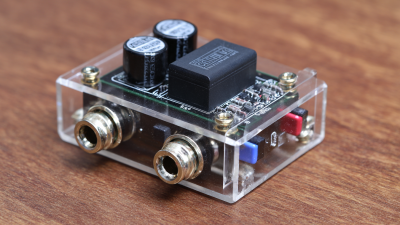
High-frequency Current Transformers (HFCTs) have become increasingly vital in modern electrical systems, particularly for applications such as switch-mode power supplies, inverters, and frequency converters. These devices are engineered to ensure precise monitoring and measurement of high-frequency pulse currents, which are crucial for the efficiency and reliability of various electronic systems. The growing demand for compact and efficient power solutions has driven the innovation in HFCT designs, which are now available in versatile configurations including built-in busbar types and both vertical and horizontal through-core setups.
One significant feature of these transformers is their wide measurement frequency range, spanning from 2 kHz to 200 kHz. This extensive range allows them to cater to various measurement scenarios, guaranteeing accurate data collection across different applications. According to industry reports, the precision in monitoring high-frequency operations can enhance the overall reliability of electrical systems, reducing the likelihood of failures that can occur due to inaccurate current readings. The capacity to support printed circuit board soldering installations further underscores the adaptability of HFCTs, making them suitable for a diverse array of installation environments.
As the global market for power electronics continues to expand, the relevance of advanced current measurement technologies like HFCTs grows correspondingly. A recent report highlighted that the surge in the adoption of renewable energy sources and the increasing complexity of electrical systems necessitate the deployment of high-performance measurement technologies to optimize operational efficiencies. By effectively addressing these challenges, high-frequency current transformers play an essential role in modern electrical engineering, ensuring that systems are both robust and responsive to the dynamic demands of contemporary power applications.
FAQS
: The service aims to provide users with personalized recommendations and insights.
It analyzes user preferences and behaviors to suggest relevant options.
Some features may require payment, while others are free to access.
Yes, users can access their accounts from different devices easily.
Users can reach out to customer support for assistance.
Personal data is collected to improve services but is protected by privacy policies.
Users are encouraged to provide feedback for better suggestions.
Yes, users have the right to cancel at any point without penalties.
It’s important to adhere to community standards and respect other users.
The platform frequently refreshes content to ensure relevance and freshness.
Conclusion
In the landscape of energy systems, the role of power transformers is critical, serving as essential components for efficient electricity distribution. As we head towards 2026, selecting the right power transformer involves understanding its key features, such as efficiency, sustainability, and reliability. Prospective buyers should prioritize transformers that not only meet current demands but are also adaptable to future technological advancements.
A comparative analysis of leading power transformer models highlights the importance of maintenance and long-term reliability, which are vital for ensuring uninterrupted service. Additionally, trends in innovation suggest a focus on enhanced efficiency and eco-friendly designs, aligning with global sustainability goals. By considering these factors, stakeholders can make informed decisions to optimize their energy systems for the coming years.