Getting a good grip on how Current Transformers work is pretty important for buyers around the globe. Picking out the right transformer isn't just about ticking boxes — it really impacts how efficient and safe your setup will be. You’ll find that different manufacturers have their own specs and tech, so it’s worth doing a little homework. Big names like Siemens, ABB, and Schneider Electric are pretty well-known, and each offers something a bit unique to cater to various needs. But let's be real — not all transformers are the same quality-wise. Some can be good, others not so much, so you gotta pay attention to key details. In this guide, we’re diving into options forCurrent Transformer And Potential Transformer. We’ll go over what features they have, the perks they offer, and give you a sense of performance, design, and pricing. All of this stuff can help you make smarter choices. And hey, taking a little extra time now can save you from headaches and costly mistakes down the line.
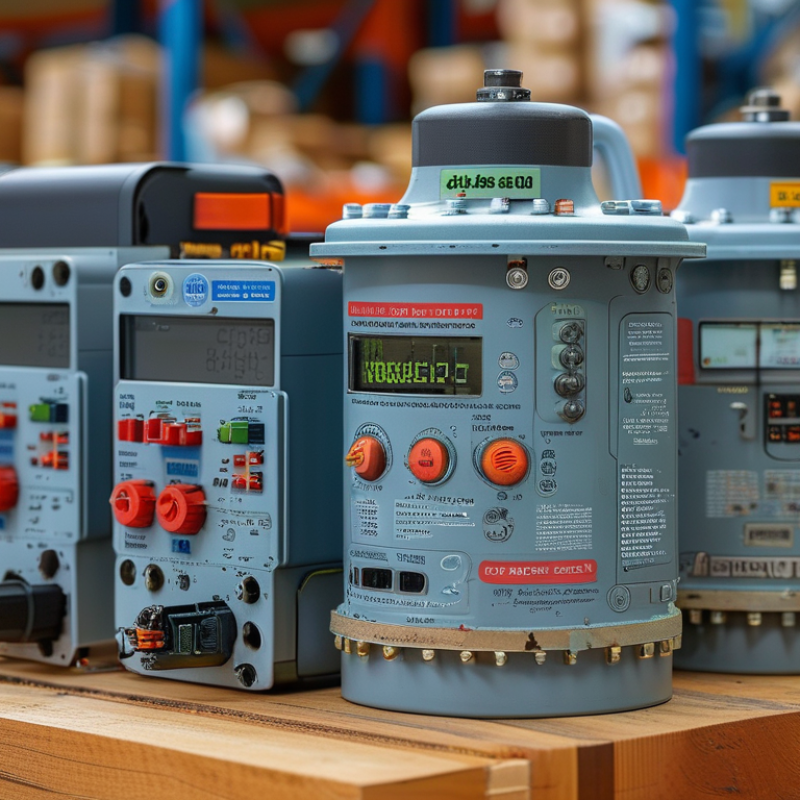
Overview of Transformer Types and Their Applications
Transformers are key components in electrical systems. They come in various types, each with unique applications. The two main categories are step-up and step-down transformers. Step-up transformers increase voltage, making them ideal for long-distance power transmission. In contrast, step-down transformers decrease voltage, which is essential for residential and commercial use.
Another type is the isolation transformer. This transformer enhances safety by isolating the output from the input power. It is commonly used in sensitive electronic devices, ensuring stable operation.
Autotransformers are another option. They are more compact and cost-effective but provide less electrical isolation.
Understanding the various transformer types helps in selecting the right one for specific needs. However, many overlook critical factors like efficiency and load requirements. Users must reflect on these aspects to make informed decisions.
It's important to continuously evaluate the performance and suitability of the transformers in use. This ongoing reflection is necessary for optimizing energy systems.
Essential Specifications for Selecting the Best Current Transformer
When selecting a current transformer, clarity on specifications is crucial. Understanding the transformer’s rated current, accuracy class, and burden is essential. These details help ensure that the transformer meets your specific application needs. A well-chosen current transformer will provide reliable and accurate measurements, promoting safety and efficiency.
Tips for selecting the right current transformer include checking the accuracy class. An accuracy class of 0.5 or better is often ideal for most applications. Additionally, ensure the burden rating matches your requirements. This rating indicates how much load the transformer can handle without distortion of measurements.
Consider your environment as well. Factors like temperature and humidity can impact performance. It’s important to choose a current transformer that operates effectively under your specific conditions. Reflecting on these factors will lead to better choices. Always prioritize reliability and safety when making your selection, especially when using a Current Transformer Potential Transformer in critical applications.
Key Features to Consider in Transformer Performance
When selecting transformers, certain performance features are crucial. Efficiency stands out. A transformer with high efficiency minimizes energy loss. This not only saves money but also reduces environmental impact. Monitoring load conditions helps determine efficiency levels accurately.
Temperature rating is another key aspect. Transformers must operate in various environments. A reliable temperature rating ensures they perform well in both hot and cold conditions. Failing to consider this can lead to failures or inefficiency.
Another important feature is the voltage regulation capability. A transformer must maintain consistent voltage under varying loads. Fluctuations can harm connected equipment or affect performance.
Overall design also plays a role in longevity. Well-designed transformers tend to resist wear and decrease maintenance frequency. Addressing these factors helps ensure optimal performance and reliability.
Global Standards and Compliance for Transformers
Global standards and compliance are critical when sourcing transformers, especially Current Transformers and Voltage Transformers. Various international organizations set these standards to ensure safety and efficiency. For example, the International Electrotechnical Commission (IEC) provides guidelines that specify performance characteristics for transformers. These standards help secure reliability in both industrial and commercial applications.
It is crucial to note that different regions may enforce varying compliance requirements. The North American market generally follows the ANSI/IEEE standards, while Europe adheres to the IEC guidelines. This disparity can create challenges for global buyers. Understanding local regulations allows for better sourcing decisions, ensuring equipment meets necessary safety standards and performance metrics.
Tips: Before procurement, verify certifications. Check if the transformers meet local compliance standards. Incorporate this step to avoid costly delays or unsafe installations. Clients often overlook the importance of testing transformers in real-world scenarios. A transformer may pass lab tests but fail under operational loads. Ensuring consistent quality requires diligence throughout the supply chain.
Cost-Effectiveness and Budget Considerations for Buyers
When selecting a transformer, cost-effectiveness is key. Buyers should evaluate their budget wisely. Prices vary widely based on the transformer's specifications and functionalities. Understanding these factors helps buyers make informed decisions.
Budget constraints often limit options. It's important to balance quality with price. A lower price might seem appealing but may lead to reduced reliability. This leads to additional costs later. Regular maintenance and repairs can add up. So, an initial bargain may not be a true bargain.
Buyers must also consider lifecycle costs. An efficient transformer can save money in energy bills. It’s essential to research the efficiency ratings. Sometimes, investing more upfront leads to greater savings over time. Effective planning ensures long-term benefits. Remember, a thoughtful approach to your budget can enhance the value of your investment.
Cost-Effectiveness of Transformer Current Ratings
Common Brands and Manufacturers in the Global Market
When exploring the global market for transformers, understanding common brands and manufacturers is essential. Recent market analysis reveals significant growth in the transformer industry, with a projected CAGR of around 6% from 2023 to 2030. This is driven by increasing energy demands and the growth of renewable energy sectors. Current Transformer Voltage Transformers are critical components in electrical systems, ensuring efficient energy distribution.
Several key manufacturers dominate the landscape, showcasing innovation and technology. They invest heavily in research, costing millions to improve product reliability. Interestingly, while many brands focus on the same technology, their quality variables can be surprising. Some lesser-known manufacturers may offer valuable alternatives that could match the performance of prominent brands at a reduced cost.
However, not all products from established brands guarantee reliability. A recent report indicated that nearly 20% of transformers in service may not meet performance expectations. This calls for diligent scrutiny when selecting a supplier. Reviews and third-party testing play a vital role in validating manufacturer claims. By doing thorough research, buyers can identify reliable current transformer voltage transformer brands that fit their specific needs.
Future Trends and Innovations in Transformer Technology
The future of transformer technology is evolving rapidly. Innovations are focusing on efficiency and sustainability. According to a recent report by the International Energy Agency, the global transformer market is expected to reach $45 billion by 2030. This growth is driven by increasing demand for renewable energy sources. However, it also raises questions about resource management and environmental impacts.
Core Balance Current Transformers (CBCTs) are emerging as key players in this landscape. These devices enhance safety and monitoring in electrical systems. Their ability to detect imbalances can prevent costly failures. Yet, their integration into existing infrastructures presents challenges. Many facilities need updates for compatibility, which can be resource-intensive.
Data shows that advancements in materials, such as low-loss electrical steel, are crucial. These materials reduce energy losses significantly, promoting overall system efficiency. However, transitioning to new technologies requires careful planning and investment. Many companies are still dependent on outdated systems. Thus, it's vital to assess both current capabilities and future needs. Balancing innovation with practical implementation is essential as the industry moves forward.
Enhancing Performance with the 'Silver Angel' SL Series Flat Printed Circuit Board Welded Power Transformer
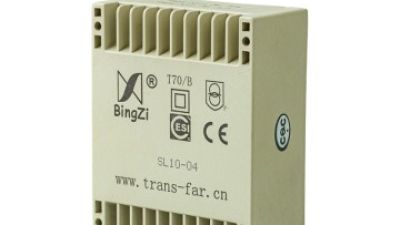
The "Silver Angel" SL Series flat printed circuit board welded Power Transformer represents a significant advancement in power transformer technology, particularly in its design and performance attributes tailored for demanding environments. Its flat closed epoxy pot-sealed construction offers not only remarkable electromagnetic characteristics but also an impressive input overvoltage capacity, making it an optimal choice for industrial and military applications. According to industry reports, power transformers with enhanced overvoltage protection can improve equipment reliability by up to 30%, a critical factor for operations in unstable electrical environments.
Safety features are paramount in power transformer design, and the SL Series impresses with its internal temperature protector, which halts the power supply during short circuit conditions. This feature addresses one of the common causes of equipment failure, which can be particularly costly. Recent studies indicate that incidents of transformer burnout can lead to operational downtimes exceeding 15% in industrial processes, emphasizing the SL Series' value in minimizing such risks.
Additionally, the SL Series is designed for versatility and ease of installation with a compact structure and low height profile, allowing it to fit seamlessly into a variety of applications. The materials used—silver-gray flame-retardant PBT and PBO engineering plastics—contribute to its moisture-proof and flame-retardant properties, which are critical in both military and industrial settings. These characteristics not only enhance the longevity of the transformers but also expand their applicability across various environments, making the SL Series a leading option for manufacturers focused on durability and performance.
FAQS
: Focus on rated current, accuracy class, and burden. These ensure the transformer meets your application needs.
An accuracy class of 0.5 or better is often ideal. This improves measurement reliability.
The burden rating indicates how much load the transformer can handle without distortion in measurements.
Temperature and humidity can significantly impact performance. Choose a transformer suited for your specific conditions.
Efficiency is key. A high-efficiency transformer minimizes energy loss and reduces environmental impact.
Proper temperature ratings ensure performance in both hot and cold environments. Ignoring this can lead to failures.
Consistent voltage under varying loads protects connected equipment from fluctuations, maintaining overall system reliability.
Well-designed transformers resist wear and reduce maintenance frequency, contributing to longevity and reliable performance.
They may offer valuable alternatives at lower costs while still matching performance expectations.
Conduct thorough research, read reviews, and seek third-party testing to validate manufacturer claims.
Conclusion
The article "Best Current Of Transformer for Global Buyers Guide" provides a comprehensive overview of various transformer types and their specific applications across different industries. It emphasizes the essential specifications necessary for selecting the best current of transformer for various needs, including considerations of accuracy, power rating, and environmental conditions. Key features affecting transformer performance, such as efficiency and reliability, are also outlined.
Additionally, the guide discusses global standards and compliance requirements that buyers should be aware of to ensure safety and performance. Cost-effectiveness and budget considerations are examined to assist buyers in making informed decisions. Finally, the article highlights emerging trends and innovations in transformer technology that signal advancements in efficiency and sustainability for future use, underscoring the importance of keeping abreast of these developments for optimizing transformer choices.