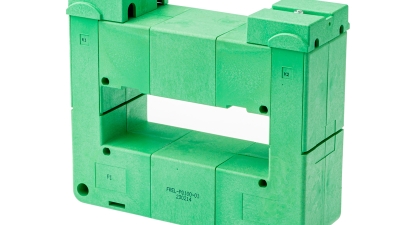
You know, in today’s fast-changing energy world, the need for efficient and reliable electrical measurement solutions has really skyrocketed. Take Current Transformers (CTs), for example; they're absolutely key players in the power industry, acting as vital tools for measuring current and providing protection. But here's the kicker: a lot of the older Current Transformers just can’t keep up with the modern demands. They tend to fall short when it comes to accuracy and how well they operate. Recent reports from the industry really shed some light on this, predicting that the global market for advanced sensors is set to hit a whopping $20 billion by 2027. Talk about a clear sign that we need to step up our game! At Beijing TransFar Electronics Group Co., Ltd., which is a leading name in high-tech solutions for new energy current and Voltage Sensors and transformers, we're all in when it comes to tackling these issues. We're dedicated to innovating our products to boost performance, reliability, and how well they work together in today’s energy systems. It’s anexciting time, really!
Challenges of Legacy Current Transformers in Contemporary Power Systems
You know, integrating those old legacy current transformers (CTs) into today’s power systems can really throw a wrench in the works. There are a bunch of challenges that pop up and these can seriously affect how well everything runs and even how safe it is. A lot of these legacy CTs just can't keep up with the demand for accuracy, especially now that power grids are getting smarter. I read a report from the International Electrotechnical Commission (IEC) that pointed out how inaccuracies in CTs can actually lead to operational hiccups. Some faults could end up going unnoticed just because the protection systems aren't performing well enough.
One big issue with most legacy CTs is that they just don’t provide real-time data, which is super important for managing today’s grids. In fact, there’s a recent study from the Institute of Electrical and Electronics Engineers (IEEE) that says up to 30% of outages might be caused by delays in fault detection linked to outdated transformer tech. So, it really makes sense to think about upgrading to digital or hybrid units, which can give us the speed and precision we need for modern applications.
Quick Tip: If you're working with legacy CTs, do yourself a favor and take a good, hard look at your current transformers to spot any weak spots. Upgrading to newer CTs that meet the latest standards can really boost your data accuracy. Plus, don't forget to schedule those regular maintenance checks! Catching any early signs of wear and tear can help keep your system strong and ready to face any issues that come your way.
The Impact of Aging Infrastructure on Measurement Accuracy and Reliability
You know, the old infrastructure of legacy current transformers (CTs) really brings a lot of challenges, especially when it comes to modern applications. It’s pretty wild to think that many setups are still relying on CTs that were designed decades ago! These outdated models often don’t have the advanced features or precision that newer alternatives can offer. As they age, their performance tends to get a bit spotty, which can lead to wrong readings. And let me tell you, that can really mess up system integrity and the decision-making process for power management.
On top of that, things like temperature swings and exposure to corrosive elements only make these old transformers deteriorate faster. Electrical systems need precise monitoring to run efficiently and safely, but legacy CTs might just not cut it anymore, leading to greater operational risks. With industries pushing for smarter technology, it’s becoming clearer than ever that there’s a widening gap between what modern applications can do and what these outdated CTs can handle. This really just underscores how crucial it is to upgrade, so we can keep that reliability and trust in our measurement systems.
Innovations Addressing Limitations of Traditional Current Transformers
You know, the evolution of electrical systems has really thrown some curveballs when it comes to mixing traditional current transformers (CTs) with the modern stuff we’ve got today. I mean, those old-school CTs were great back in the day, but let’s be real—they’ve got some serious downsides like being bulky, heavy, and not the best at keeping up with varying loads. So, according to a report by MarketsandMarkets, it looks like the global smart transformer market is set to hit a whopping $10 billion by 2025. That’s a clear sign we need to come up with fresh, inventive ways to handle energy management. This change really highlights just how essential it is to tackle the shortcomings of those old CTs if we want to keep up with today’s operational needs.
On the bright side, technology hasn’t been just sitting around! We've seen some cool innovations leading to advanced current transformers that use digital signal processing and fiber optic tech. These new CTs not only pack a punch in terms of accuracy but are also smaller and more scalable. They’re perfect for smart grids and integrating renewable energy! Some research from the International Energy Agency even pointed out that using these advanced measurement technologies could boost grid reliability by as much as 30%. As we move into this more dynamic, data-driven landscape, hopping on board with these innovations doesn't just help us with the drawbacks of legacy CTs—it really sets us up for smarter energy solutions down the line.
Addressing Challenges with Legacy Current Transformers in Modern Applications
This chart illustrates the performance comparison between traditional current transformers and modern innovations. It highlights the limitations of legacy systems and the benefits brought by new technologies in areas such as accuracy, bandwidth, and efficiency.
Comparative Analysis: Legacy vs. Modern Current Transformers and Efficiency
Let's talk about electrical engineering for a second. You know, the move from those old-school current transformers (CTs) to the newer tech is really important for boosting efficiency and reliability. I mean, traditional CTs often run into problems like thermal overload and have limited bandwidth. That's not great when you need real-time data monitoring in today’s fast-paced environment. On the flip side, modern current transformers are using digital technologies, which means they offer much better accuracy and can handle a broader frequency range. This side-by-side comparison really shows not just the performance gap, but also why we need to start integrating innovative tech into our current systems.
Pro Tip: To get the most out of your energy management system, it’s a good idea to take a good look at your application needs and pick current transformers that not only boost performance but also cut down on energy losses.
Plus, those older legacy CTs usually need a ton of calibration and maintenance, which can be a real pain in an operational setting. But with modern CTs, you get self-calibration features and way less maintenance. This upgrade doesn’t just make things run smoother for longer; it also helps integrate with advanced monitoring systems better, so data collection feels seamless.
Another Tip: If you’re making the switch to the new current transformers, don’t forget to invest in some training for your team. It’ll really help them get up to speed with the new tech and tap into its full potential.
Benefits of Upgrading to Digital Solutions for Enhanced Performance
You know, in today's fast-paced tech world, making the leap from those old-school current transformers (CTs) to sleek digital solutions really opens up a ton of opportunities for leveling up performance in all sorts of applications. When we switch to digital solutions, we’re not just dodging the headaches that come with outdated gear — we’re also tapping into a whole bunch of perks that can seriously boost our operational efficiency. With digital instruments, we get to enjoy real-time data analysis and predictive capabilities, which means organizations can make smarter decisions and fine-tune their processes a lot better.
One of the coolest things about jumping into digital tech is the whole idea of a digital twin. Basically, it’s like creating a virtual copy of physical systems, and it gives us insights into how things are performing and what maintenance they might need—without the usual constraints of old-school monitoring. By grabbing this real-time data, companies can harness predictive maintenance strategies, which really helps in dodging those expensive downtimes while improving the performance of the entire fleet. Plus, companies that dive into these digital innovations often find a solid link between their digital maturity and financial success. It’s clear that investing in modern tech isn’t just a smart move; it’s really a major step towards better financial health.
Industry Case Studies: Successful Implementation of Newer Technologies
Nowadays, legacy current transformers (CTs) are running into some serious issues as the demand for precision, efficiency, and smart tech integration keeps ramping up. As industries move towards smarter grid solutions, it’s really clear that older CTs just can’t keep up, especially when it comes to accurate measurements and quick response times. You know, a recent report even pointed out that a whopping 60% of electrical utilities are diving into digital options to boost their performance and reliability.
Take, for instance, the cool stuff happening with digital current and voltage sensors. These bad boys give real-time data and have killer signal processing capabilities. At Beijing TransFar Electronics Group Co., Ltd., we’re all about creating these next-gen sensors for new energy applications. We want to help businesses shake off the limitations of those old systems. In this age of digital transformation, it’s crucial for companies—especially the small to medium ones—to jump on board with these new technologies if they want to not just get by, but really thrive in such a competitive landscape.
Plus, have you noticed the recent push towards sustainable practices? Projects like the EOD initiative over in Guangdong Province show that there’s a real shift happening, blending innovative tech with environmental goals. You can see similar patterns popping up in different sectors, highlighting this growing awareness that we need to adapt our legacy systems for better environmental and operational results.
Maximize Efficiency and Safety with Split Core AC Current Transformers: A Comprehensive Guide
In today’s increasingly complex industrial environments, maximizing both efficiency and safety is paramount. One innovative solution that caters to these needs is the split-core AC current transformer. This transformer’s unique split-core design greatly simplifies the installation and operational processes, making it an essential tool for professionals working in electrical monitoring and control. Unlike traditional current transformers, the split-core model can be installed without the need to cut existing cables, which not only saves time but also minimizes disruptions in operations.
The split-core current transformer offers a broad measurement range, accommodating currents from 0 to 2000A. This versatility makes it suitable for various applications, including current control and protection tasks. The accurate measurement capabilities ensure that operators can rely on precise data, enhancing the overall safety of electrical systems. Furthermore, the ease of installation means that even in complex environments, technicians can quickly set up the equipment, allowing for a seamless integration into existing systems. This efficiency is crucial in today’s fast-paced industrial landscape, where safety and performance are non-negotiable.
FAQS
: Aging legacy current transformers pose challenges in measurement accuracy and reliability due to their outdated design and degradation over time, which can lead to erroneous readings and increased operational risks.
Environmental factors such as temperature fluctuations and exposure to corrosive elements exacerbate the deterioration of aging CTs, making it difficult for them to deliver the required precision in electrical systems.
Transitioning to modern CTs is crucial due to their superior accuracy, broader frequency response, and lower maintenance requirements, which enhance performance and efficiency in contemporary applications.
Modern CTs leverage digital technologies for enhanced accuracy, self-calibration features, reduced maintenance, and better integration with advanced monitoring systems compared to legacy models.
Industries can maximize the efficiency of their energy management systems by evaluating application-specific requirements and selecting current transformers that enhance performance while minimizing energy losses.
Teams should invest in training to ensure they are well-versed in the new technologies associated with modern current transformers, maximizing their benefits and functionalities.
Legacy CTs require extensive calibration and ongoing maintenance, posing significant challenges in operational settings and complicating the management of electrical systems.
Modern current transformers allow for real-time data monitoring, which is essential for maintaining efficiency and safety in electrical systems.
Erroneous readings from aging CTs can compromise system integrity, leading to poor decision-making in power management due to unreliable data.
Modern current transformers incorporate advanced digital technologies that improve measurement precision and streamline the integration with other smart technologies in energy management systems.