TransFar Electronics

Picking the right Electrical Transformer can really make a difference for your project's success. These things are pretty much the backbone of any power system since they handle voltage conversion. But here’s the thing—you gotta think about a few key points before you settle on one.
First off, you wanna get a clear idea of your power needs. Every project is different—some need higher voltage, others just a little boost. Think about the load you’re dealing with and how much power you’re actually gonna use. It’s tempting to go cheap or small, but underestimating this can lead to all sorts of issues down the line.
Then, don’t forget to consider where you’ll be using it. Is it gonna sit outside in the elements, or is it all indoors? Transformers meant for outdoor use are built tougher and have different specs. Picking the wrong one for the environment can cause problems or even break the bank.
Taking some extra time to think this through can save you a lot of hassle and cash later on. Honestly, it’s all about matching what you need with what’s out there. Each transformer has its perks and drawbacks, so it’s worth poking around and evaluating your options carefully. Better to make an informed choice now than regret it later!
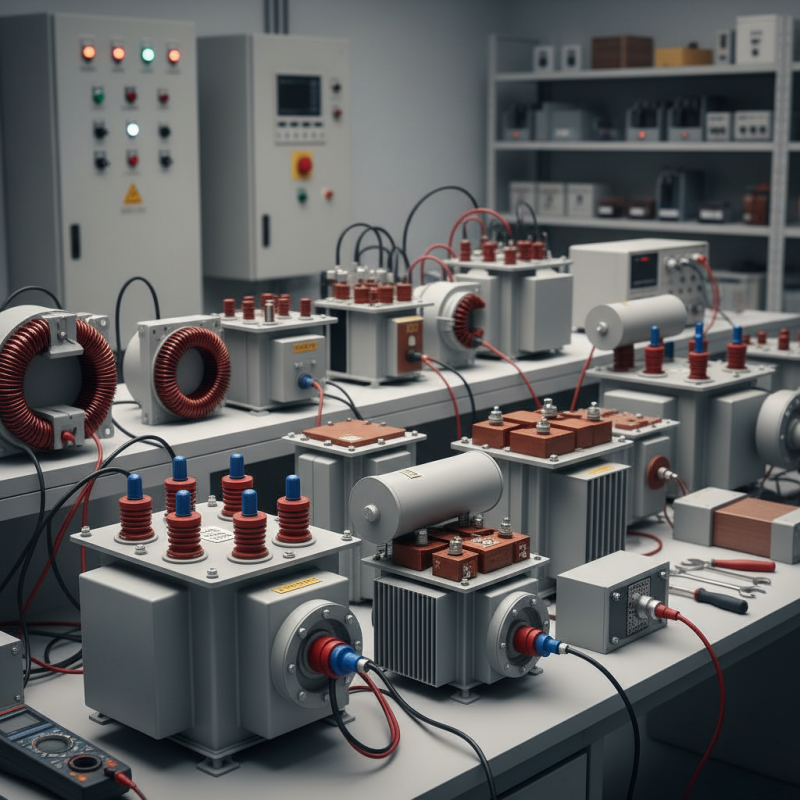
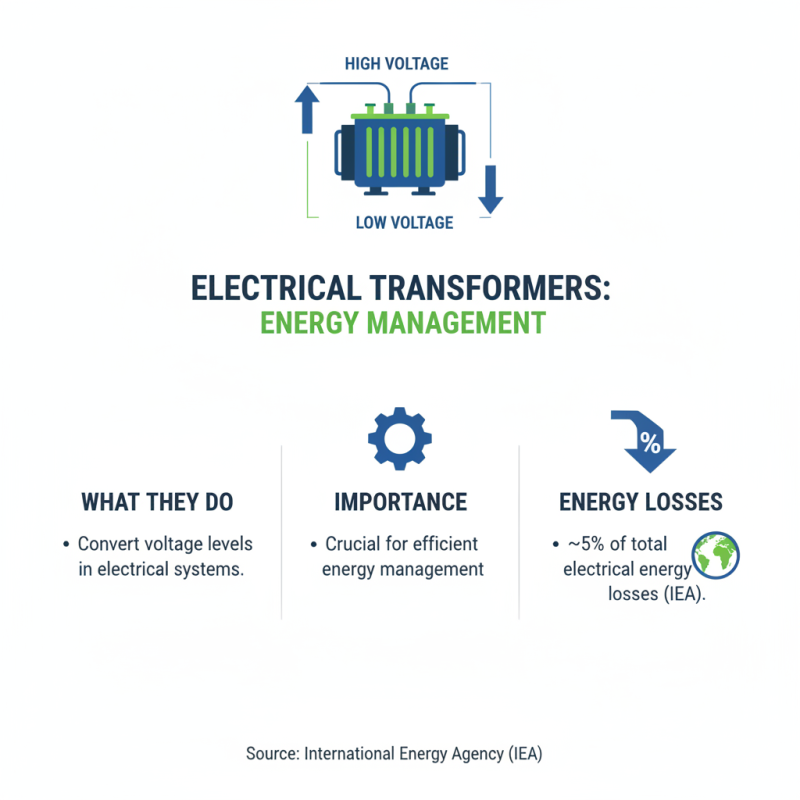
Understanding Electrical Transformers is crucial for effective energy management. These devices convert voltage levels in electrical systems. According to the International Energy Agency, transformers account for about 5% of the total electrical energy losses in power systems. This highlights their importance in maintaining efficiency.
Transformers come in various types, including step-up and step-down models. They are vital in residential, commercial, and industrial settings. A common mistake is oversizing or undersizing a transformer. This can lead to increased energy losses and insufficient Power Supply.
When choosing a transformer, consider your specific needs. Load requirements, voltage levels, and application types are essential factors. Data shows that properly selecting a transformer can reduce losses by up to 30%. Understanding these basics will help you make more informed decisions in your electrical projects.
Identifying your power requirements is essential when choosing Electrical Power Transformers. Start by assessing your electrical load. This includes both peak and average loads. You need to know the total wattage of your equipment. For example, a small commercial setup may require between 10 kVA to 30 kVA, while larger facilities could need upwards of 500 kVA. Accurate calculations can prevent costly overestimations or underestimations.
Next, consider the voltage specifications. Are you operating at 120V, 240V, or higher? The voltage level will influence the type of transformer you need. According to industry reports, mismatched voltage can lead to inefficiencies and wasted energy. It's crucial not to overlook these details. Adjusting for future growth is another point of reflection. Businesses often underestimate their power needs. A 2020 survey indicated that nearly 70% of businesses had to upgrade their transformers within five years of installation. Anticipating changes can save time and reduce downtime.
Lastly, think about environmental factors. Will the transformer be indoors or outdoors? The climate can affect transformer performance and lifespan. An improperly housed unit may face overheating or corrosion. This could lead to unexpected failures. Understanding these elements will ensure you select an Electrical Power Transformer that truly meets your needs and lasts long-term.
Choosing the right electrical transformer can shape your project’s efficiency and safety. Understanding transformer types is vital. The most common types include step-down, step-up, and isolation transformers.
Step-down transformers reduce voltage levels. They are essential for devices requiring lower voltages, like residential appliances. Industry reports indicate that these transformers enhance safety by minimizing shock risks. Their design allows for discrete power supply in various applications.
Step-up transformers do the opposite by increasing voltage levels. They power industrial machinery and systems requiring more oomph. These transformers have faced scrutiny for size and installation complexity. Make sure to assess space availability before choosing one.
Isolation transformers provide safety and signal integrity. They prevent ground loops and eliminate noise distortion in sensitive equipment. They are particularly valuable in medical settings. However, their cost and size can be limiting factors.
**Tip**: Assess your application before finalizing a transformer. Consider power ratings, operating environment, and future needs.
**Tip**: Consult with professionals when in doubt. Getting the right transformer can prevent costly mistakes. Always think about maintenance access for ease of future servicing.
Choosing the right electrical transformer requires careful consideration of several key factors. Voltage is crucial. It determines the amount of electrical energy transferred. If the voltage is too high or low, it may damage your equipment. Always check the voltage ratings of both the transformer and your devices. It’s easy to overlook this detail but doing so could save you from future headaches.
Current is another essential factor. Selecting the appropriate current rating ensures efficient operation. Underestimating current needs can lead to overheating. Over time, this can cause permanent damage. For applications requiring precise measurement, consider Current Transformer And Potential Transformer. They help monitor and manage electrical parameters effectively.
Frequency also plays a vital role. Electrical systems operate at specific frequencies. Mismatch here can cause inefficiency or burn out devices. Research the required operating frequency before making a choice. These details might seem small, yet they significantly impact performance. Ignoring them often leads to costly mistakes or system failures. Always remember, careful consideration of these factors is key to finding the right transformer.
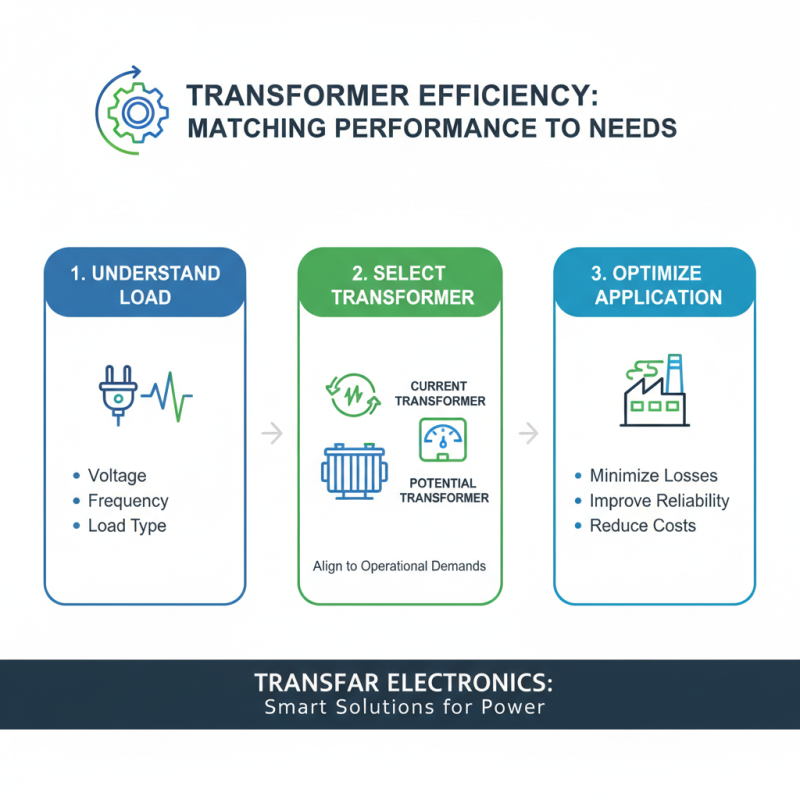
Assessing transformer efficiency is crucial for any application. It’s not just about selecting a device; it’s about matching performance to your specific needs. Start with understanding the load requirements. A Current Transformer Potential Transformer must align with your operational demands. Factors like voltage, frequency, and load type should guide your choice.
Efficiency ratings play a significant role in this process. Look at the transformer’s core material. Higher-grade materials can lead to improved efficiency. Then consider losses, both copper and iron. Lower losses mean better performance and savings in the long run. It’s vital to analyze each aspect carefully, ensuring that your choice won't lead to inefficiencies.
However, evaluating needs can be challenging. Sometimes, what looks ideal on paper may not work in real settings. Testing the transformer under real conditions is necessary. Miscalculations can lead to inefficiencies or overloading. Always keep the potential challenges in mind and be ready to reassess your decisions.
When choosing an electrical transformer, physical size is critical. The space available can dictate which type works best. Many people underestimate their installation needs. Current Transformer And Voltage Transformer vary in dimensions and layout. They may require a different approach to installation. Ensure clear access around the transformer for maintenance. This often gets overlooked.
Consider the weight of the transformer as well. A heavier unit needs a robust foundation. If the installation area has constraints, it is crucial to measure everything accurately. Misjudging the required size can lead to complications. Some may wish to cut corners, but this will cost more in the long run.
Power requirements also affect the choice of transformer size. Too small, and you risk overheating or failures. Overly large units can lead to inefficiency. Think about future needs too. Will you expand? Planning ahead can save money. Making these decisions is not always easy. Each project is unique.
Choosing the right electrical transformer involves understanding costs and maintenance. Setting a budget is crucial. Ask yourself: what are my immediate needs? What are the long-term costs? A good transformer might have a higher upfront price, but it can save money over time. High-quality models often require less maintenance and have a longer lifespan.
Consider installation expenses. Hiring skilled professionals can be pricier but ensures safety and compliance. DIY might seem tempting, but mistakes can lead to costly repairs. Routine maintenance is essential. Regular inspections help catch issues early. Remember, neglect can lead to failures and increased costs later.
Tips: Always compare quotes from different suppliers. Don't forget about parts replacement. Incorporate these into your budget. Also, assess the environment. Some transformers perform better in specific conditions. Adapting to your unique environment can prevent problems down the line.
: Mindfulness helps reduce stress and anxiety. It improves focus and overall mental health. This practice encourages being present.
Begin with just five minutes each day. Focus on your breath and observe your thoughts. Gradually increase the duration.
Not everyone responds the same way. Some may find it challenging at first. Consistency is key to experiencing benefits.
Yes, mindfulness can promote relaxation. It can help calm a racing mind before bed. Developing a night routine is helpful.
It’s normal to feel distracted. Acknowledge your thoughts, then gently return to focusing. Practice often to enhance concentration.
Keep a journal to track your feelings and experiences. Notice any changes in your mood or stress levels. Reflecting can boost motivation.
When choosing an electrical transformer, it is essential to understand the basics and identify your specific power requirements. Electrical transformers come in various types, including step-down, step-up, and isolation transformers, each serving different purposes depending on the voltage and current needs. Key factors such as voltage, current, and frequency play a crucial role in determining the right transformer for your application.
Additionally, evaluating transformer efficiency and rating is vital to ensure optimal performance. Considering the physical size, installation requirements, and budget for both the initial purchase and ongoing maintenance will help you select the most suitable electrical transformer. By keeping these aspects in mind, you can make a well-informed decision that meets your power transformation needs effectively.