These days, with tech evolving so quickly, it’s more important than ever to have reliable and efficient power solutions. You know, with electric vehicles booming and renewable energy technologies really taking off, the demand is just skyrocketing. A recent report from Research and Markets even shows that the global market for switch-mode power supplies (or SMPS, as folks like to call them) is expected to grow at about 6.4% annually from 2021 to 2026. That really highlights just how crucial these power supplies are in all kinds of devices and applications. Picking the right SMPS is a big deal — it can make all the difference in performance and energy efficiency, depending on what your project needs. And if you’re looking for a trusted partner, Beijing TransFar Electronics Group Co., Ltd. is right there at the forefront, offering cutting-edge solutions in new energy sensors and charging tech. They’ve got the expertise to help you sort through the choices and pick what's best for your specific situation.
Understanding the Basics of SMPS Power Supplies
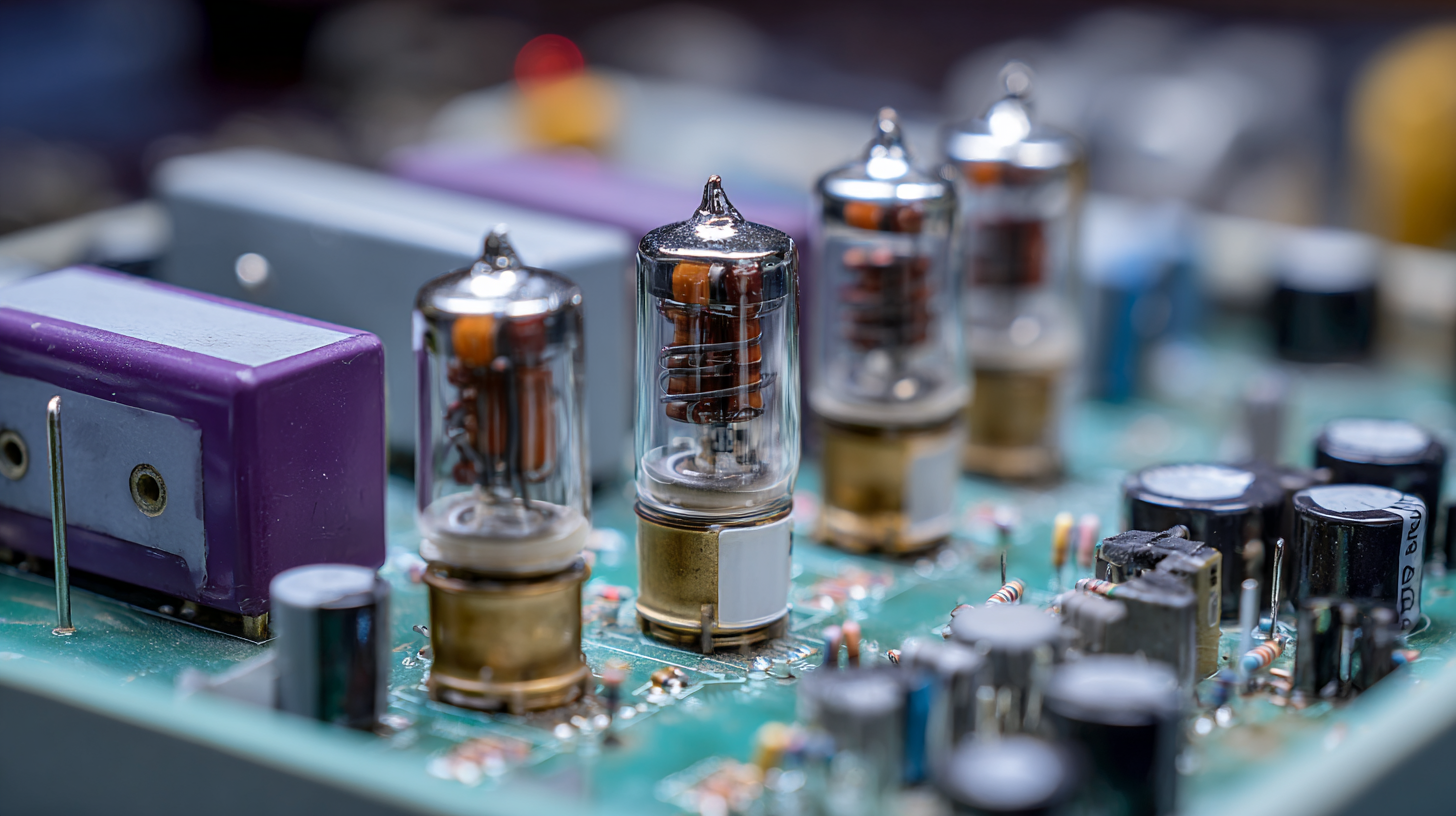
When you're trying to pick out the right SMPS (that’s Switched-Mode Power Supply, if you didn’t know), it’s really helpful to understand how they’re built and what they do. These units are pretty impressive—they convert electrical power efficiently and are usually lightweight, compact, and respond quickly to changing loads. At the heart of any SMPS, you’ll find key parts like Transformers, capacitors, and inductors working together. They regulate voltage and current while trying to keep power loss to a minimum, which is pretty neat.
Here’s a little advice: First off, make sure you know what your load requires before you choose an SMPS. Think about the voltage and current you need for your project. Depending on whether you need to step voltage up or down, different types like isolated flyback or buck converters might be the way to go.
And don’t forget to check out efficiency ratings! A high-efficiency power supply can save you money on energy bills and also produce less heat—this is key if you want your system to last longer. It’s also smart to look for models with thermal protections built-in; that way, if things get a bit too hot, your SMPS has got it covered, keeping everything running smoothly.
Getting a solid handle on these basics will definitely make your life easier when it’s time to pick the perfect SMPS for your project.
Identifying Your Power Requirements and Specifications
When you're trying to pick the right SMPS, or switched-mode power supply, for your project, the first thing you really wanna do is figure out exactly what kind of power your system needs. I mean, knowing your voltage and current specs is key — that'll help you cut down your options and zero in on what's actually suitable. Did you know that, according to a report from Research and Markets, the global power supply market could hit around $42 billion by 2026? It’s mainly driven by all these new electronics coming out and our increasing demand for more efficient power solutions. So, understanding those specifics isn't just nerd stuff — it’s crucial!
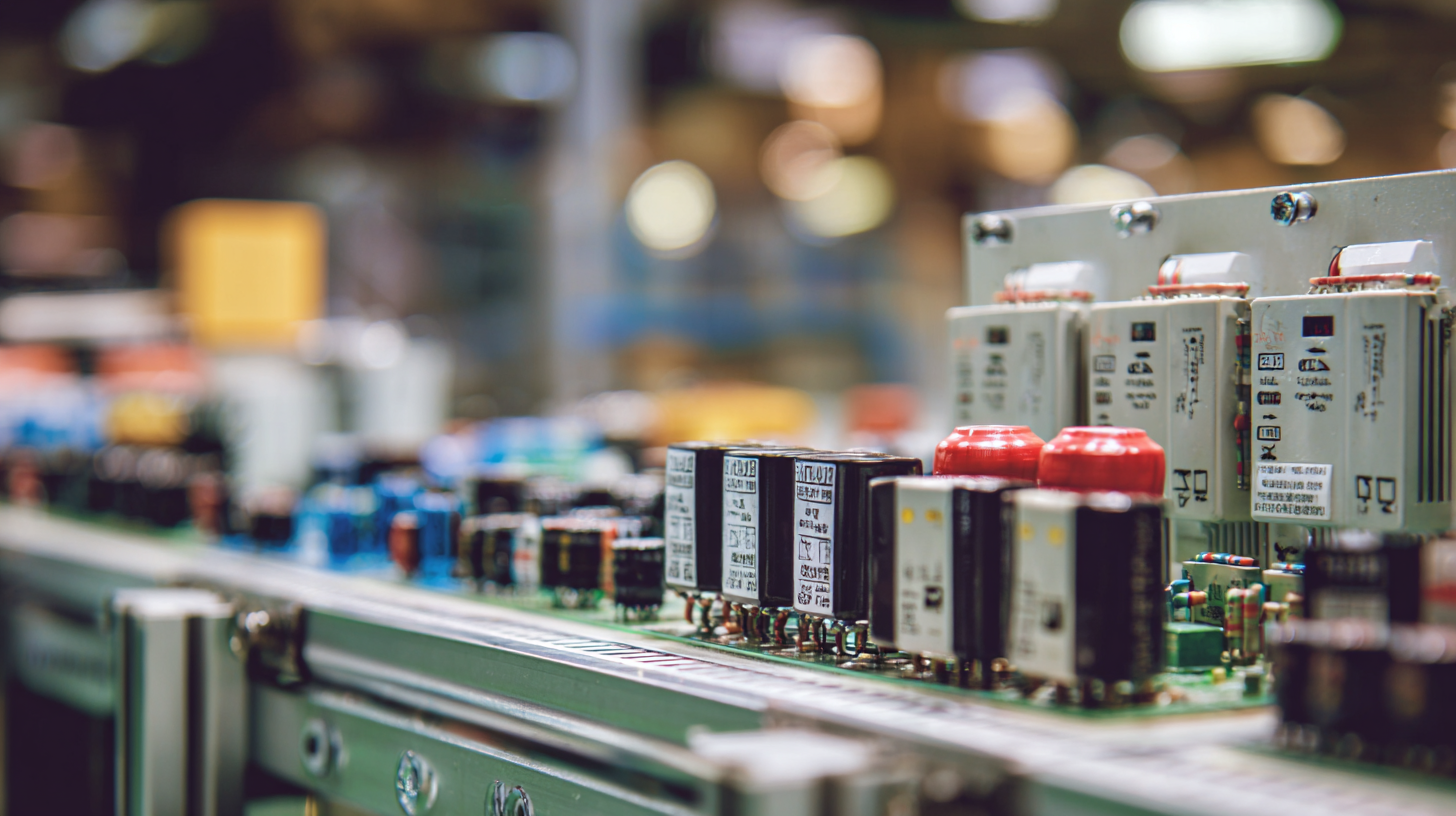
Beyond just voltage and current, you should also look at efficiency and the size or shape of the power supply. The U.S. Department of Energy mentions that opting for high-efficiency PSUs can cut energy use by up to 30%. Plus, it’s smart to consider the environment where your device will operate — things like temperature and humidity matter. Picking a power supply that can handle these conditions helps make sure everything stays reliable. And hey, certifications like UL and CE aren’t just bureaucratic labels; they tell you a lot about the quality and safety standards of the unit, which is pretty important for peace of mind, especially if it’s something critical or long-term.
Evaluating Efficiency Ratings and Their Importance
When you're choosing an SMPS (that’s a switched-mode power supply, by the way), it’s super important to pay attention to efficiency ratings. Basically, these ratings, usually shown as a percentage, tell you how much of the power you put in actually gets turned into useful output. The higher that percentage, the less energy gets wasted — which is a big deal because it can save you money on power bills and help keep things cooler inside your setup. If you're running something that needs steady, reliable power all the time, going for a more efficient unit can really add up in the long run, both in savings and in less cooling hassle.
Getting clued up on standards like the 80 PLUS certification can actually make your life easier when picking a power supply. That certification shows the power supply meets certain efficiency benchmarks at different load levels — plus, it pushes manufacturers to make greener, more eco-friendly products. If you’re in an environment where energy costs or regulations matter, choosing an SMPS with good efficiency isn’t just smart — it’s pretty much essential. And on top of saving some cash, an efficient power supply makes your whole system more reliable and lasts longer. So yeah, it’s a pretty key factor when you’re making your decision for any project or setup.
Assessing Size and Form Factor for Your Application
When you're on the hunt for a suitable SMPS (that’s switched-mode power supply, by the way), size and shape are pretty key. These factors can really make or break your project's design and how well it works. You gotta make sure the dimensions and layout fit nicely into the space you have in your equipment. Plus, different setups might need different types—like open-frame or enclosed units—so it’s worth thinking about what works best for your specific application.
**Quick tip:** Before you buy anything, always double-check the available space where you plan to mount the power supply. This little step can save you from headaches later on and helps with keeping things cool—good airflow is clutch. Don’t forget to also consider how much it weighs; a heavier model could impact your device’s overall design or portability.
And then, there's the connection setup. Make sure the power supply's form factor offers the right input and output connectors you need for your project. This part’s important because it makes installing everything much smoother and keeps your electrical connections more reliable.
**Another tip:** If your project might change or grow in the future, go for modular power supplies. They’re easy to upgrade or tweak without having to swap out the whole thing. Oh, and always take a good, close look at the manufacturer’s specs for the dimensions—trust me, it’s better to catch any surprises before you actually start installing.
How to Choose the Right Smps Power Supply for Your Application - Assessing Size and Form Factor for Your Application
| Application Type | Required Output Power (W) | Input Voltage Range (V) | Form Factor | Efficiency (%) |
| Industrial Automation | 500 | 90-264 | Open Frame | 85 |
| Telecommunication | 1000 | 100-240 | Enclosed | 90 |
| Consumer Electronics | 300 | 110-240 | External | 88 |
| Medical Equipment | 600 | 90-240 | Medical Grade | 92 |
| LED Lighting | 150 | 100-240 | Compact | 87 |
Considering Safety Features and Compliance Standards
When you're picking out a switching-mode power supply (SMPS) for your project, it’s super important to pay attention to safety features and make sure it meets the right standards. I mean, according to a report by MarketsandMarkets, the worldwide market for power supplies is just expected to grow a lot, mainly because more industries are craving efficient power solutions. Safety features like overvoltage protection, short circuit protection, and thermal shutdown aren’t just bells and whistles — they’re key for keeping things running smoothly and preventing damage to your equipment. ResearchAndMarkets also points out that if you skip out on sturdy safety mechanisms, you risk not only costly failures but also safety hazards that could seriously cause issues.
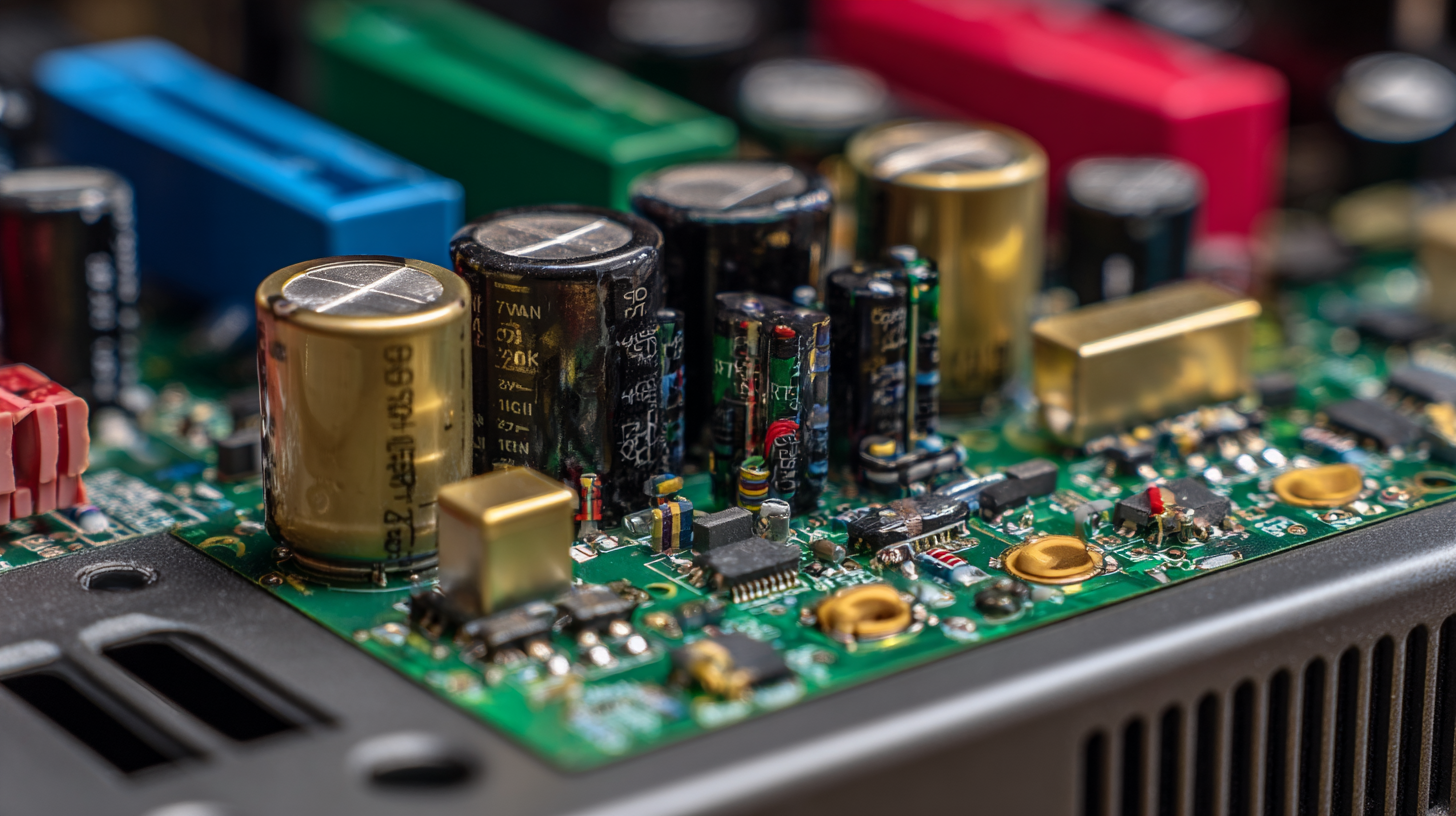
And let’s not forget about compliance. Certifications like UL, CE, and RoHS are pretty much non-negotiable when it comes to picking a good SMPS. They show that the product follows safety and environmental rules, which is a big deal — especially for making sure it’s safe for people and good for the planet. For example, the International Electrotechnical Commission (IEC) sets the global standards for electrical safety, and power supplies that follow IEC guidelines tend to be more dependable. Plus, having these certifications isn’t just about safety; it also helps you steer clear of legal problems and makes your product more appealing in the market. All in all, focusing on safety features and sticking to the right standards is really the way to go if you want to find the perfect SMPS for what you’re doing.
Budgeting and Cost Analysis for SMPS Options
Choosing the right SMPS (or Switched-Mode Power Supply) for your project isn’t just about picking the cheapest option. It’s really about thinking through your budget and understanding what you actually need. Start by figuring out the specific power specs your project requires—like voltage and current. This helps you to cut down your options so you’re not wasting money on features you don’t really need.
Then, take a moment to compare the upfront costs with what you might save in the long run. Sure, some power supplies might look cheaper at first, but don’t forget to check their efficiency, how long they’ll last, and what maintenance they’ll need down the line. Sometimes, spending a little extra on a higher quality, more efficient model can save you a ton on energy bills later on. And don’t forget to factor in possible repairs or replacements in your overall budget. By really looking at both the immediate costs and what you’ll save over time, you can make a smarter choice that fits your wallet and keeps everything running smoothly.
Comparison of Different SMPS Power Supply Options
Enhancing Energy Efficiency: Insights from the Latest IGBT Transformer Market Report for the Power Star DRT Series
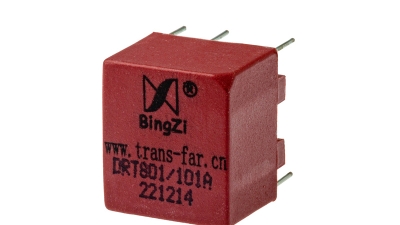
As the demand for energy-efficient solutions continues to rise, the latest insights from the IGBT transformer market reveal a strong shift towards advanced technologies that maximize performance while minimizing energy consumption. The Power Star DRT Series IGBT Drive Transformer stands out in this context, embodying the innovation needed to meet diverse application requirements effectively. According to recent industry reports, the global market for IGBT transformers is projected to grow significantly, urging manufacturers to focus on creating compact, reliable, and aesthetically pleasing products.
The DRT Series, particularly the DRT810, has been engineered with new magnetic core materials, enhancing its electrical strength and operational efficiency. Notably, the transformer features dual primary input channels, each equipped with a diode, which allows for precise control and optimal conduction in high-voltage applications. This design not only caters to the need for reliability but also enables users to measure gate current effectively using a secondary measurement resistor, ensuring that the system operates within defined parameters.
Furthermore, the emergence of drive transformers like the DRT Series addresses a substantial gap in the domestic market. The combination of safety, ease of use, and sophisticated internal circuitry positions the Power Star DRT Series as an optimal drive partner for IGBT and MOSFET users. With these advancements, the DRT Series not only enhances energy efficiency but also reinforces the necessity for innovative solutions within the industry, promising a brighter future for power electronics.
FAQS
: An SMPS (Switched-Mode Power Supply) is a device that converts electrical power efficiently, characterized by its lightweight, compact size, and fast load response. It uses components like transformers, capacitors, and inductors to regulate voltage and current while minimizing power loss.
Always evaluate the voltage and current specifications needed for your application. Consider different SMPS types, such as isolated flyback or buck converters, which may better suit your step-up or step-down capabilities.
Higher efficiency ratings lead to lower energy costs and reduced heat output, which are essential for system longevity. Selecting models with built-in thermal protections enhances reliability under various conditions.
Size and form factor are critical for ensuring compatibility with your equipment. Measure available mounting space to avoid issues and ensure efficient airflow, while also considering the weight and connection options of the power supply.
Modular power supplies offer flexibility, allowing for easy upgrades and changes in power distribution without replacing the entire unit. They can simplify integration and enhance the reliability of electrical connections.
Start by identifying specific power requirements, then compare upfront costs with long-term savings. Consider efficiency ratings, lifespan, and maintenance costs to ensure you don't overspend and align your choice with your financial goals.
Measure the available mounting space and review the manufacturer's specifications for dimensions carefully. Ensure the selected SMPS has the necessary input and output connectors for your application.
While lower upfront costs may be tempting, a more efficient power supply can lead to reduced energy consumption and lower electricity bills over time, ultimately providing long-term financial benefits.
The weight of the power supply can impact your overall product design and portability. Heavier models may pose challenges in specific applications, so consider this factor based on your design requirements.
Different SMPS types, such as flyback or buck converters, are designed for specific purposes, such as stepping up or down voltage levels. Understanding these differences helps in selecting the most appropriate model for your needs.
Conclusion
Picking the right Smps Power Supply for your project isn’t something to take lightly. It’s super important if you want things to run smoothly and reliably. First off, get a good grasp of how SMPS technology works, and then check what your specific power needs are—that way, you know exactly what specs to look for. Don’t forget—efficiency ratings are a big deal. They influence how much energy you’re wasting and can hit your costs pretty hard. Also, think about the size and shape of the power supply to make sure it’ll fit nicely with your setup.
Plus, safety features and compliance standards are definitely worth paying attention to. They keep both your gadgets and users safe. And hey, doing a proper budget and cost check helps ensure you’re making a solid choice without cutting too many corners on quality. At Beijing TransFar Electronics Group, we’re all about high-tech solutions, including custom SMPS power supplies tailored to meet a variety of energy needs.