TransFar Electronics

High voltage Power Transformers are pretty much the backbone when it comes to moving electricity over long distances. Think of them as the unsung heroes making sure the power generated at plants actually reaches our homes and offices smoothly and reliably. According to a report from the International Energy Agency, global electricity demand is expected to jump by about 30% by 2040. This just means we’re going to need even better transformer tech that can handle higher voltages without breaking a sweat—while still being safe and efficient. Luckily, thanks to advances in materials and design, today’s high voltage transformers are way more efficient, with lower energy losses and longer lifespans. That’s a big win for cutting down environmental impact from energy production.
If you're in the game of choosing these transformers—whether you're a utility company or in industry—you really need to get a good grasp on what specs matter, what kind of load they’ll need to handle, and where they’ll be used. Picking the right transformer isn’t just about specs; it’s about making sure everything runs smoothly and reliably. The global market for power transformers is actually expected to hit around USD 40 billion by 2025. That’s a ton of investment into energy infrastructure, and it really highlights how vital it is to choose transformers that can keep up with the rising demand. All in all, taking a strategic approach in selecting the right high voltage transformers is key if we want our energy systems to be efficient and dependable in today’s world.
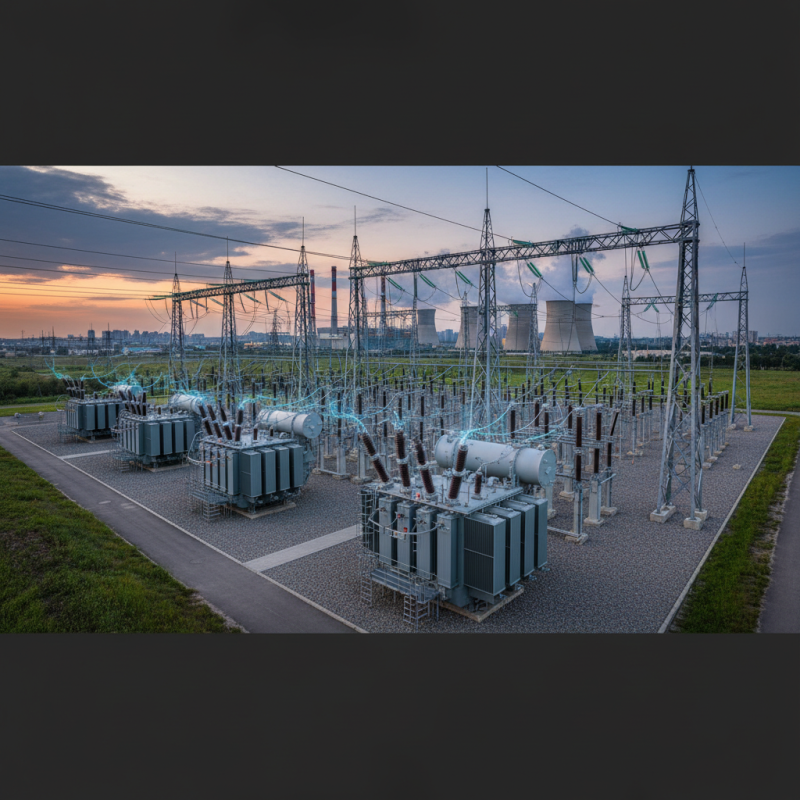
High voltage power transformers are crucial components in electrical power systems, enabling the efficient transmission and distribution of electricity over long distances. Understanding the key concepts and terminology associated with these transformers is essential for making informed decisions when selecting the right equipment for specific applications. High voltage transformers are typically categorized based on their voltage ratings and configurations, such as step-up or step-down transformers. The design of these transformers includes essential components like insulation systems, core materials, and cooling methods, all of which play a significant role in their performance and reliability.
One fundamental concept is the turns ratio, which determines how voltage levels are transformed from one side of the transformer to the other. A high turns ratio indicates a significant increase in voltage, which is essential for minimizing losses during transmission. Another critical term is “impedance,” representing the opposition offered by the transformer to the flow of current, which affects both voltage regulation and overall system stability. Additionally, familiarity with terms like short-circuit capacity, load losses, and no-load losses can help users understand how transformers behave under different operating conditions, ensuring they choose the most appropriate transformer for their specific requirements.
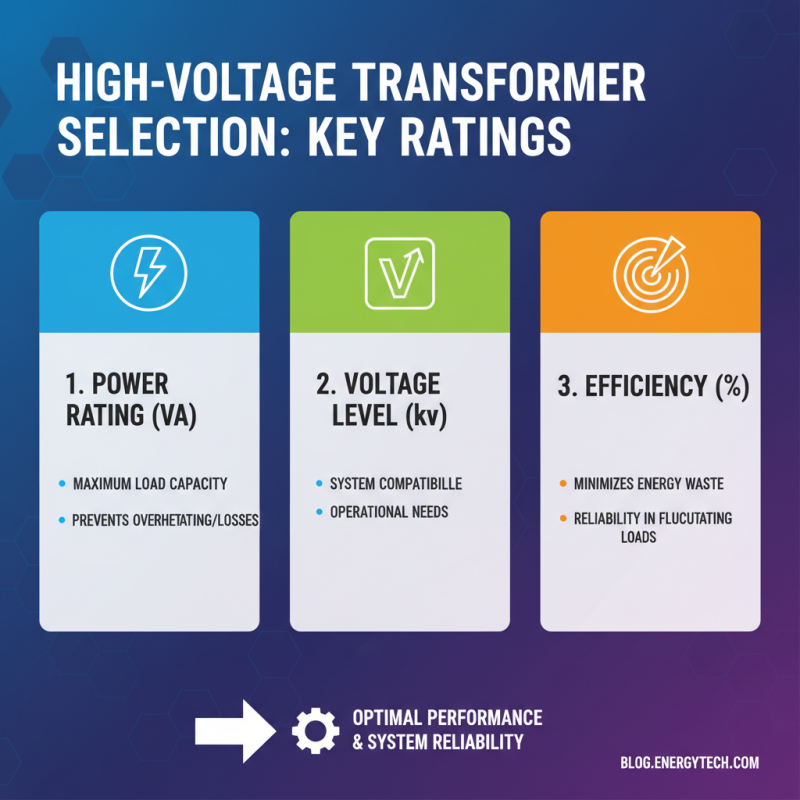
When selecting high voltage power transformers, understanding their ratings is crucial for ensuring they meet specific operational needs. Key metrics to consider include power rating, voltage level, and efficiency. The power rating of a transformer, typically expressed in volt-amperes (VA), indicates the maximum load it can handle without overheating. Indicating the suitable transformer size is essential to prevent losses and maintain system reliability. This aspect becomes particularly pertinent in environments where energy consumption may fluctuate, thus requiring careful planning and selection.
Voltage ratings are equally important, as they define the operating limits of the transformer. High voltage transformers are designed for specific voltage ranges, and matching these ratings with the network requirements helps to avoid failure and ensures compatibility with existing systems. Additionally, understanding the primary and secondary voltages is vital for voltage regulation and minimizing energy losses during transmission. Efficiency metrics, usually represented as a percentage, indicate the transformer's capability to convert input power to usable electrical energy effectively. A higher efficiency rating ensures minimal energy wastage, which translates to lower operational costs and a reduced carbon footprint. Careful evaluation of these attributes guarantees that the chosen transformer aligns seamlessly with your energy demands.
When selecting the right high voltage power transformers, understanding your load requirements is crucial. Load requirements are fundamentally categorized into continuous and peak demand. Continuous demand refers to the normal load that the transformer will support over an extended period, and it is vital for ensuring that daily operations run smoothly. This includes considering the overall energy consumption and the power ratings necessary to meet regular operational needs without interruptions. Calculating continuous demand accurately helps in choosing a transformer that can handle ongoing usage without overheating or leading to costly downtimes.
On the other hand, peak demand represents the maximum level of power consumption during short periods. This is often seen in scenarios where machinery or equipment may require bursts of energy to function optimally, such as during start-up phases or brief operational spikes. It is essential to understand these peak loads when selecting transformers, as underestimating this demand could result in transformer overloads or failure. Properly assessing both continuous and peak demand allows for informed decisions when it comes to the sizing and selection of transformers, ensuring reliability, efficiency, and longevity in power distribution systems.
When selecting high voltage power transformers, the choice of materials plays a critical role in achieving optimal performance. The core design, typically made from silicon steel, significantly influences the efficiency and magnetic properties of the transformer. According to industry reports, transformers with amorphous steel cores can improve efficiency by 2-3% compared to conventional silicon steel cores, resulting in lower energy losses during operation. This reduction in core loss not only enhances the overall performance of the transformer but also contributes to long-term cost savings on energy consumption.
Insulation types are equally important in ensuring the reliability and longevity of high voltage transformers. Common insulation materials include paper, oil, and various synthetic options like epoxy resin. Recent studies suggest that transformers utilizing synthetic insulation can withstand higher operational stresses and offer improved thermal performance, leading to extended service life. The choice of insulation directly affects the transformer's ability to handle transient voltage spikes and environmental conditions, which are critical factors in high voltage applications. As the industry aims for more durable and efficient power solutions, selecting the right materials has become paramount in transformer design, aligning with the growing demand for sustainable energy practices.
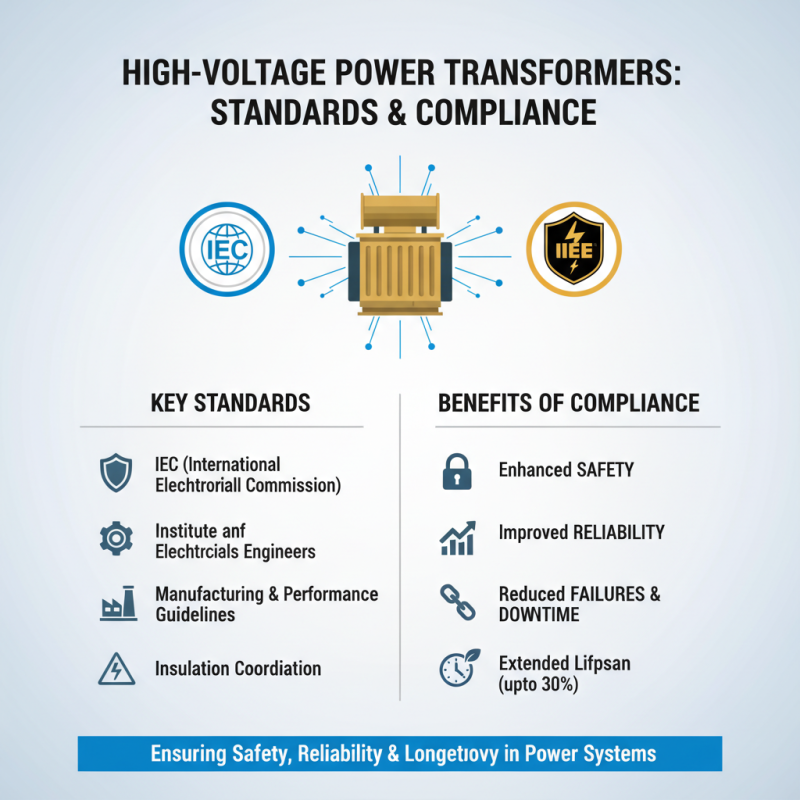
When selecting high voltage power transformers, understanding regulatory standards and compliance is crucial for ensuring safety and reliability. The International Electrotechnical Commission (IEC) and the Institute of Electrical and Electronics Engineers (IEEE) have established guidelines that govern transformer manufacturing and performance. Compliance with these standards not only ensures operational safety but also minimizes the risk of failures that can lead to costly downtimes or catastrophic events. For instance, according to a report by the IEEE, adherence to insulation coordination standards can enhance the lifespan of transformers by up to 30%, reducing the frequency of replacements and maintenance.
Moreover, local regulations often require certifications that ensure transformers meet specific safety and environmental criteria. For example, the National Electrical Manufacturers Association (NEMA) provides guidelines that emphasize the importance of equipment reliability and energy efficiency. Transformers that meet these regulatory requirements can achieve better energy performance, as indicated by the U.S. Department of Energy, which noted that energy-efficient transformers can save up to 20% in energy costs over their lifetime. This not only benefits the bottom line of utilities and businesses but also contributes to broader environmental goals by lowering overall energy consumption. Therefore, when choosing high voltage power transformers, it is imperative to prioritize compliance with these standards to ensure both safety and operational efficiency.
When selecting high voltage power transformers, a thorough cost-benefit analysis is essential to ensure that the initial investment aligns with long-term operational goals. The upfront costs of transformers can be significant, often including not only the purchase price but also expenses related to installation and commissioning. It's vital to assess these initial expenses in the context of the potential energy savings and reliability improvements the transformer may offer over its lifespan. Investing in a high-quality transformer may come with a higher price tag initially, but the returns can be substantial if it minimizes maintenance costs and enhances energy efficiency.
Furthermore, understanding the long-term operational costs associated with high voltage transformers is crucial. This includes routine maintenance, energy losses during operation, and downtime associated with failures. By evaluating the expected lifespan of the transformer and its efficiency ratings, businesses can project future expenses. A more efficient transformer may have a higher initial cost but lower operational costs due to reduced energy losses, ultimately leading to greater savings over time. Therefore, examining both the initial investment and the projected long-term costs will help in making a well-informed decision that balances immediate budget concerns with the overall financial outlook.
Maintaining high voltage power transformers is critical for ensuring their long-term performance and efficiency. Industry reports indicate that a well-maintained transformer can achieve up to a 30% increase in lifespan compared to one that is neglected. Regular inspections and timely maintenance procedures, such as cleaning of insulating fluids and checking for moisture ingress, are essential practices. For instance, the IEEE Standard 62.5 outlines comprehensive maintenance protocols for ensuring that transformer insulation systems remain robust and effective.
In addition to routine checks, implementing condition monitoring systems can significantly enhance the reliability of high voltage transformers. According to a report by the International Energy Agency, predictive maintenance strategies, which utilize data analytics and real-time monitoring, can reduce unexpected failures by up to 40%. This transition from a reactive to a proactive maintenance approach not only helps in extending equipment life but also aids in optimizing operational efficiency. Effective thermal management, for instance, has been shown to play a vital role, as excessive heat can reduce the lifespan of transformer materials, potentially leading to catastrophic failures. Therefore, companies must prioritize maintenance considerations to safeguard their investments in high voltage power transformers.
| Transformer Type | Power Rating (MVA) | Voltage Class (kV) | Efficiency (%) | Maintenance Frequency (Years) | Expected Lifespan (Years) |
|---|---|---|---|---|---|
| Oil-immersed Transformer | 50 | 69 | 98 | 5 | 40 |
| Dry-type Transformer | 30 | 35 | 95 | 3 | 30 |
| Auto-transformer | 100 | 110 | 97 | 4 | 35 |
| Three-phase Transformer | 150 | 138 | 99 | 6 | 45 |
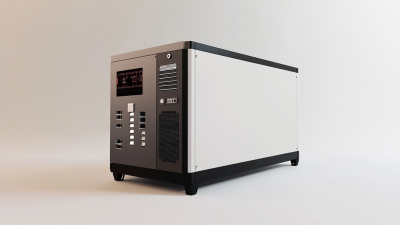
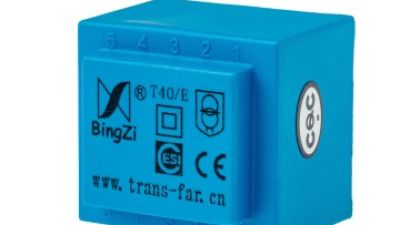
The "Smurf" T Series printed circuit board welded power transformer stands out for its efficiency and versatility, making it an essential component in various consumer-grade applications. With its compact design and high power density, it is tailored for use in modern electronics where space is often at a premium. This transformer is engineered to ensure safety, capable of withstanding electrical strength of 50Hz 2kV RMS for one minute between the windings, thus providing reliability in demanding environments.
Constructed from sky blue flame-retardant PBT engineering plastic, the "Smurf" T Series not only protects against hazards but also enhances aesthetic appeal. Its fully enclosed, epoxy pot-sealed design further contributes to its durability, making it suitable for a wide array of products—from small appliances to sophisticated electronic systems. The economical pricing of the "Smurf" T Series makes it an attractive option for manufacturers looking to balance performance with cost-effectiveness, paving the way for innovation in various industries.
: The key metrics include power rating, voltage level, and efficiency. Understanding these ratings ensures the transformer meets specific operational needs and prevents overheating and energy losses.
The power rating indicates the maximum load a transformer can handle without overheating, which is crucial for maintaining system reliability, especially in environments with fluctuating energy consumption.
Voltage ratings define the operating limits of the transformer. Matching these ratings with network requirements prevents failure and ensures compatibility with existing systems, which is essential for effective voltage regulation.
Efficiency metrics indicate how effectively a transformer converts input power to usable electrical energy. A higher efficiency rating reduces energy wastage, leading to lower operational costs and a reduced carbon footprint.
Core designs are typically made from silicon steel. However, transformers with amorphous steel cores can improve efficiency and reduce energy losses compared to conventional cores.
The choice of insulation materials, such as paper, oil, and synthetic options, affects the transformer's ability to handle operational stresses and environmental conditions, which is critical for longevity and performance.
Regular inspections, cleaning of insulating fluids, and checking for moisture ingress are essential to maintaining transformer performance. Following comprehensive maintenance protocols helps ensure robust insulation systems.
Predictive maintenance strategies that utilize data analytics and real-time monitoring can reduce unexpected failures significantly, thus extending equipment life and optimizing operational efficiency.
Effective thermal management is vital as excessive heat can reduce the lifespan of transformer materials and lead to potential failures. Proper cooling measures are essential to safeguard transformer integrity.
Well-maintained transformers can have up to a 30% increase in lifespan compared to neglected ones, demonstrating the importance of regular maintenance and timely inspections.
When selecting High Voltage Power Transformers, it is crucial to understand key concepts and terminology associated with these essential components. Evaluating transformer ratings, including power, voltage, and efficiency metrics, plays a significant role in ensuring optimal performance. Additionally, assessing load requirements for both continuous and peak demand will help in making informed decisions.
Material choices, such as core design and insulation types, greatly impact the transformer's effectiveness. Compliance with regulatory standards ensures safety and reliability, while conducting a cost-benefit analysis aids in weighing initial investments against long-term operational costs. Lastly, regular maintenance considerations are essential for enhancing the lifespan and reliability of High Voltage Power Transformers, ultimately contributing to a more efficient electrical system.