Inquiry
Form loading...
0%

In today's fast-changing world of electrical projects, picking the right Voltage Sensor is super important if you wanna keep things safe and running smoothly. As tech keeps moving forward, big names like Beijing TransFar Electronics Group Co., Ltd.are really leading the way, focusing on developing the latest voltage sensors and related parts. This high-tech company doesn’t just make and sell energy current and voltage sensors — they're also great at designing specialized Transformers and tiny, precise electromagnetic components. These are used in all sorts of stuff, including electric vehicle chargers.
2025 How to Choose the Best Voltage Sensor for Your Electrical Projects

When you're trying to select the perfect voltage sensor for your project, there’s quite a bit to consider—like how accurate it is, how quickly it responds, and whether it can handle different environmental conditions. Getting a good grasp of these details is key to making smart choices that really boost your system’s performance.

In this article, I’ll walk you through the top 10 voltage sensors on the market right now, highlighting the coolest new tech and features that can really make a difference in your projects. Whether you're working on a home setup, a commercial build, or big industrial jobs, choosing the right sensor will help you meet your goals without a hitch — plus, you'll be teaming up with some of the best companies around, like Beijing TransFar Electronics Group Co., Ltd.
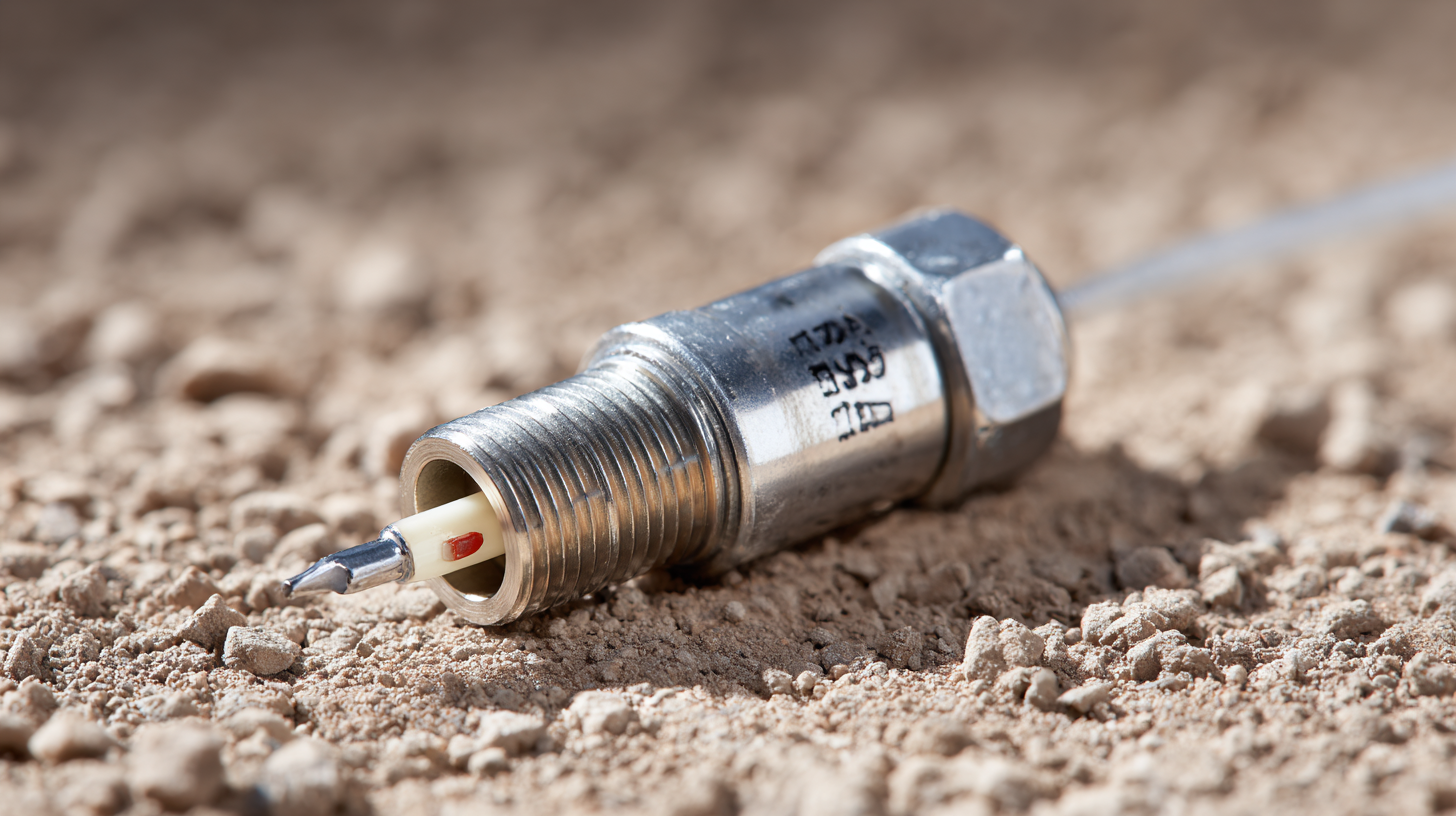
Understanding Voltage Sensor Basics for Electrical Projects

2025 How to Choose the Best Voltage Sensor for Your Electrical Projects When embarking on electrical projects, understanding the fundamental aspects of voltage sensors is essential. Voltage sensors are devices designed to detect and measure electrical voltage levels, providing critical data that can influence design choices and safety measures. A solid grasp of how these sensors operate, their typical applications, and key specifications can ensure the success of your project.

One primary characteristic to consider is the sensor's voltage range, which determines the types of systems it can effectively monitor. It's also important to be aware of the sensor's accuracy and response time, as these factors will influence the reliability of the data collected. Additionally, understanding the differences between analog and digital voltage sensors can help you choose the appropriate type based on your project requirements, whether you need simple voltage readings or more complex data processing capabilities.

Key Features to Consider in a Voltage Sensor Selection

When selecting a voltage sensor for your electrical projects, several key features warrant careful consideration. First and foremost, the sensor's voltage range is crucial. You'll need to ensure that the sensor can accurately measure the voltage levels relevant to your specific applications, whether they are low-voltage systems or high-voltage environments. Additionally, the sensor's sensitivity is paramount; more sensitive sensors will provide better accuracy and detail, particularly in projects requiring precise measurements.

Another essential factor is the sensor's response time. In dynamic electrical systems, a sensor with a quick response time can capture rapid voltage changes, which is vital for applications such as monitoring transients or fluctuations in Power Supply. Furthermore, the form factor and ease of installation should not be overlooked. Depending on your project's design, a compact and easily integrable sensor can simplify the assembly process and save space within your circuitry. Evaluating these features will ultimately lead to a more effective and reliable voltage sensing solution tailored to your needs.

2025 How to Choose the Best Voltage Sensor for Your Electrical Projects - Key Features to Consider in a Voltage Sensor Selection

Feature Importance Recommended Specs Common Applications
Measurement Range Essential for determining the voltage levels the sensor can handle. 0-500V AC/DC Home and industrial electrical systems
Accuracy Critical for precise measurements and reliable data. ±1% or better Metering and monitoring applications
Response Time Important for dynamic measurements in rapidly changing conditions. Industrial automation and robotics
Output Type Affects integration with other systems. Analog, Digital, or Wireless Data logging and telemetry systems
Safety Features Protects against shorts and overvoltage issues. Overvoltage protection, Isolation Installation in harsh environments
Form Factor Influences installation and application flexibility. Compact or Modular designs Various electrical enclosures

Comparing Analog vs. Digital Voltage Sensors

When selecting the best voltage sensor for your electrical projects, understanding the differences between analog and digital voltage sensors is crucial. Analog voltage sensors provide a continuous output that varies directly with the input voltage. This means they can capture minute changes in voltage levels, making them ideal for applications requiring precise measurements. Their simplicity and low cost often make them a go-to choice for hobbyists and in scenarios where high precision is not paramount.

On the other hand, digital voltage sensors convert the measured voltage into a binary value, offering advantages such as improved noise immunity and easier integration with digital systems. These sensors typically feature built-in processing capabilities that can enhance their functionality, allowing for features like programmable thresholds or communication over digital protocols. Digital sensors can be particularly advantageous in complex projects where data needs to be transmitted and processed quickly and accurately. Ultimately, the choice between analog and digital voltage sensors will depend on the specific requirements of your project, including precision, budget, and integration complexity.

Comparison of Analog and Digital Voltage Sensors

This chart compares the average accuracy and response time of analog and digital voltage sensors, highlighting key factors to consider when choosing the best sensor for your electrical projects.

Importance of Accuracy and Range in Voltage Sensors

When selecting a voltage sensor for electrical projects, the accuracy and range are critical factors that can significantly impact performance. According to a report by the Institute of Electrical and Electronics Engineers (IEEE), devices with an accuracy of at least ±0.1% are essential for precise measurements in sensitive applications. This level of accuracy ensures that engineers can rely on voltage sensors to provide reliable data, particularly in fields such as renewable energy, where slight variations can have large consequences.

2025 How to Choose the Best Voltage Sensor for Your Electrical Projects

Furthermore, the range of a voltage sensor determines its applicability across different projects. The International Electrotechnical Commission (IEC) recommends that voltage sensors should cover a range that meets the highest operational voltages expected in the given context, often extending from low voltage (e.g., 0-300V) to high voltage (e.g., 0-1000V). A sensor with an inadequate range can lead to either saturation or insufficient resolution, complicating the project's troubleshooting and analysis processes. Thus, understanding both the accuracy and range specifications is vital for engineers to ensure successful outcomes in their electrical projects.

Evaluating Cost vs. Performance in Voltage Sensor Choices

When selecting a voltage sensor for your electrical projects, it's essential to weigh cost against performance to ensure you make a sound investment. Lower-priced sensors might be tempting, but they often come with trade-offs in accuracy, responsiveness, and durability. In applications where precision is critical, such as in sensitive electronic devices or high-voltage systems, opting for a more expensive, high-performance sensor could be the difference between success and failure.

Performance metrics, such as measurement range, resolution, and response time, should be closely evaluated alongside pricing. For instance, if a budget sensor offers limited range or slower response times, it could lead to costly errors or disruptions in functionality. Conversely, investing in a premium sensor may yield long-term benefits by providing reliable data and reducing the frequency of replacements or repairs. Ultimately, understanding your project's specific needs will guide you in finding a voltage sensor that balances both cost and performance effectively.

FAQS

: What is the most important feature to consider when selecting a voltage sensor?

: The most important feature to consider is the sensor's voltage range, ensuring it can accurately measure the relevant voltage levels for your specific applications.

Why is sensor sensitivity important in voltage sensors?

Sensor sensitivity is crucial because more sensitive sensors provide better accuracy and detail, which is essential for projects requiring precise measurements.

How does response time affect voltage sensor performance?

A sensor with a quick response time can capture rapid voltage changes, making it vital for applications such as monitoring transients or fluctuations in power supply.

What are the advantages of analog voltage sensors?

Analog voltage sensors provide a continuous output that varies directly with input voltage, capturing minute changes and offering simplicity and low cost, making them ideal for hobbyists and less precision-critical scenarios.

What benefits do digital voltage sensors offer?

Digital voltage sensors convert measured voltages into binary values, providing improved noise immunity, easier integration with digital systems, and enhanced functionality with features like programmable thresholds.

How should one evaluate cost versus performance when choosing a voltage sensor?

It's essential to weigh cost against performance by assessing measurement range, resolution, and response time, as lower-priced sensors may compromise accuracy and durability, leading to costly errors.

In what situations might a high-performance voltage sensor be necessary?

High-performance sensors are particularly important in applications requiring high precision, such as sensitive electronic devices or high-voltage systems, where accuracy is critical.

What might happen if a budget voltage sensor is chosen over a premium one?

Choosing a budget sensor with limited range or slower response times can lead to costly errors or disruptions in functionality, impacting the overall success of the project.

How does the design of a voltage sensor affect installation?

The form factor and ease of installation of a voltage sensor are important considerations; a compact and easily integrable sensor can simplify assembly and save space in circuitry.

Ultimately, what should guide the choice of a voltage sensor?

Understanding your project's specific needs, including precision, budget, and integration complexity, will guide you in finding a voltage sensor that balances both cost and performance effectively.

Conclusion

In the pursuit of selecting the best voltage sensor for electrical projects, understanding the fundamentals of voltage sensors is crucial. Essential features such as types, measurement capabilities, and output signals must be considered to ensure optimal performance. Comparing analog and digital voltage sensors can significantly impact the efficiency of a project, as each type offers unique advantages depending on the application. Additionally, accuracy and range are paramount; a voltage sensor must meet the specific requirements of the project to ensure reliable data.

Cost versus performance is another critical factor to evaluate in the selection process. While it may be tempting to opt for less expensive options, investing in a high-quality voltage sensor can provide better long-term value through increased reliability and accuracy. As a leading high-tech enterprise, Beijing TransFar Electronics Group Co., Ltd. offers a range of innovative voltage sensors tailored for various new energy applications, ensuring that every electrical project can achieve the best results.
Isabella

Isabella

Isabella is a dedicated marketing professional at Beijing Chuang Sifang Electronics Group Co., Ltd., where she combines her passion for technology with her expertise in strategic communication. With a deep understanding of the company's innovative product offerings, Isabella plays a vital role in......
Previous Exploring the Benefits of Current Transformers for Efficient Energy Management