TransFar Electronics

Choosing the right Core Balance Current Transformer (CBCT)is pretty important if you're aiming for a smooth and efficient electrical setup. The industry has come a long way recently, with new solutions that really help improve how we monitor and protect electrical networks. I came across a report from Research and Markets stating that the global market for Current Transformers is expected to hit around $2 billion by 2025 — pretty crazy, right? That definitely shows how much demand there’s been for this kind of tech.
A guy I follow, John Smith from Current Tech Solutions, put it best when he said, “Getting the right Core Balance Current Transformer can totally change the game for how companies keep an eye on their electrical systems.” His point really hits home—understanding the challenges with these systems is key. When you're selecting one, things like the operating voltage, space available for installation, and required accuracy are super important. But honestly, picking the right unit isn’t always straightforward — you gotta know what fits your setup and performs well.
As more and more companies depend on these systems, it’s a good idea to periodically review and maybe upgrade what they’re using. Sometimes, people might skimp on proper installation or calibration, which can lead to issues and inefficiencies. So, finding that sweet spot with the right tech and correct application is crucial for keeping things safe and running smoothly. Trust me, a little bit of attention here can make a big difference in the long run.
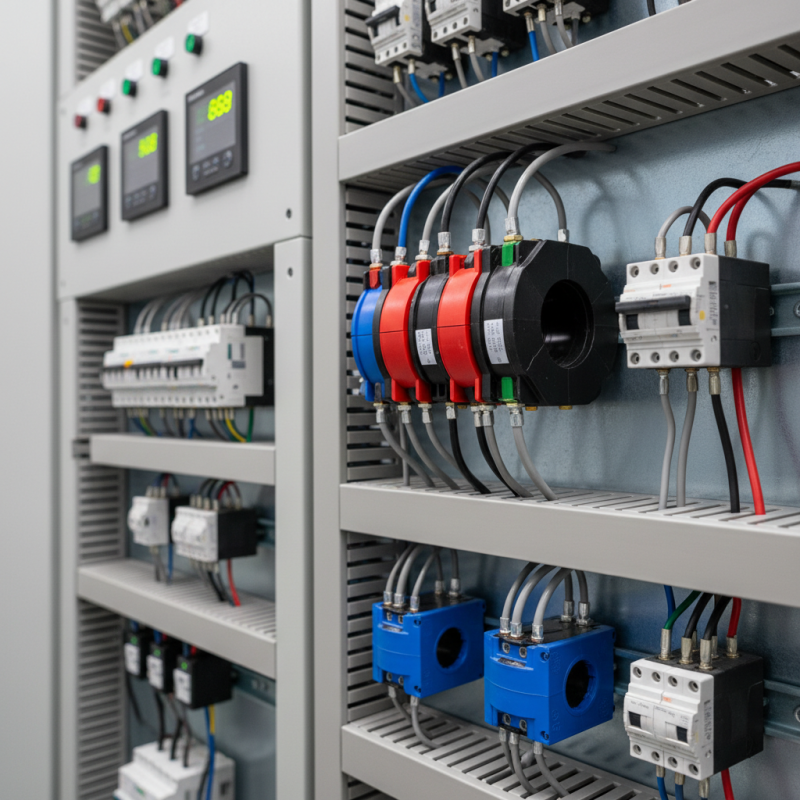
Core balance current transformers (CBCT) play a vital role in electrical systems. They help detect ground faults and ensure equipment safety. Understanding their purpose is essential for effective selection and use. These transformers monitor electrical balance in the system. When a fault occurs, they trigger alarms or protective devices. This early detection prevents equipment damage and enhances safety.
When choosing a core balance current transformer, consider the system's specifications. Make sure it matches your operational requirements. A transformer with the wrong rating may fail to detect faults. Review the installation area as well. Environmental factors can impact performance. For instance, moisture or extreme temperatures can affect reliability.
**Tips**: Always check the manufacturer's guidelines when selecting a Current Transformer Core. Assess the mounting position to avoid interference. Regular testing of the transformer ensures it operates correctly. Take time to understand the input and output configurations. This helps in achieving an efficient electrical balance. Reflect on your previous experiences and learn from any mistakes made during installation.
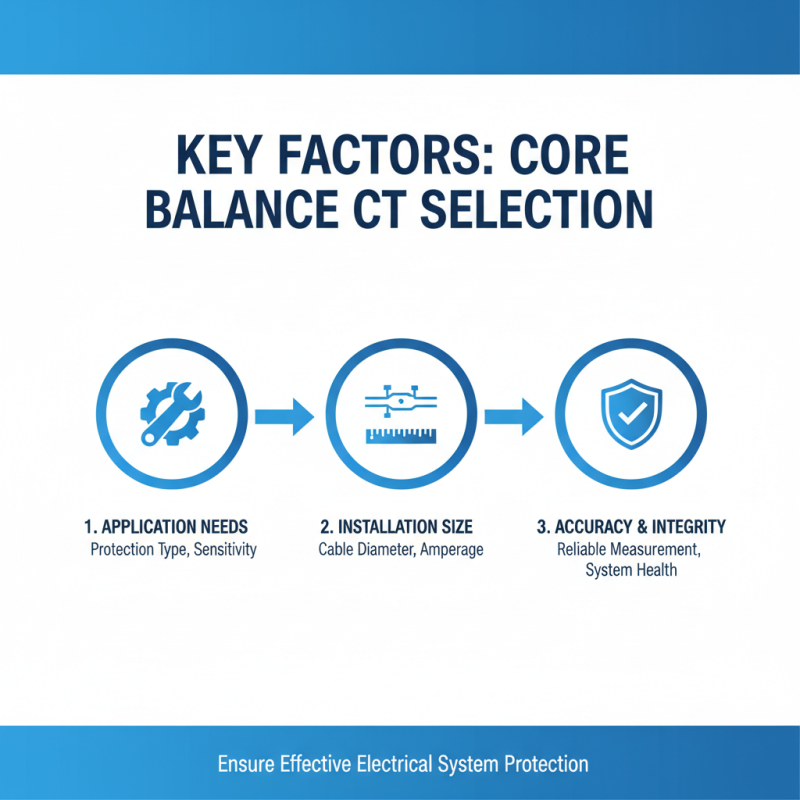
Choosing the right core balance current transformer (CBCT) is crucial for effective electrical system protection. Begin by assessing the application's specific needs. Consider the overall size of the installation. A well-matched transformer can ensure accurate current measurement and system integrity.
One key factor is the rated current. Ensure that the core balance CT can handle the expected maximum current, which influences its sizing. A mismatch can lead to incorrect readings. A Split Core Current Transformer offers flexibility for retrofitting in existing systems. Verify the compatibility with your installation requirements before making a decision.
Tip: Examine the physical environment where the transformer will be placed. It should be able to withstand temperature variations and potential moisture. Poor placement can compromise performance. Using a core balance CT with protection features can mitigate installation risks.
Another factor is the output signal type. Certain applications prefer modulated signals over analog due to their precision. Understanding the requirements for your electrical system will guide you in making an informed decision. Take the time to consult with knowledgeable experts if unsure, as misunderstandings in selection can be costly.
When selecting a core balance current transformer, understanding rating specifications is crucial. These specifications determine how effectively the transformer will monitor electrical systems. Efficiency in detecting imbalance relies heavily on both the rated current and the burden capacity. A mismatch here can lead to inaccurate readings, potentially costing time and resources in troubleshooting.
Different applications may require varying specifications. For example, in sensitive environments, a lower rated current transformer can detect even minor imbalances. In contrast, industrial settings may demand a higher capacity. Each choice carries its own implications. Insufficient ratings might overlook faults, while overestimating specifications can lead to unnecessary expenses. Understanding this is fundamental.
Reflecting on various scenarios, users often find that assumptions about what they need can lead to errors. It's tempting to choose based solely on past experiences, but every installation is unique. Thorough analysis of load conditions is vital. A misstep in selecting between Current Transformer And Potential Transformer can compromise system performance. Thoughtful consideration of every specification is essential for optimal functionality.
This chart illustrates the importance of different rating specifications in Core Balance Current Transformers (CTs) for selecting the appropriate models based on various applications.
Core balance current transformers (CBCTs) play a vital role in monitoring electrical systems. They help detect leakage currents, which can indicate insulation failures. Understanding the different types of CBCTs is essential for selecting the right one.
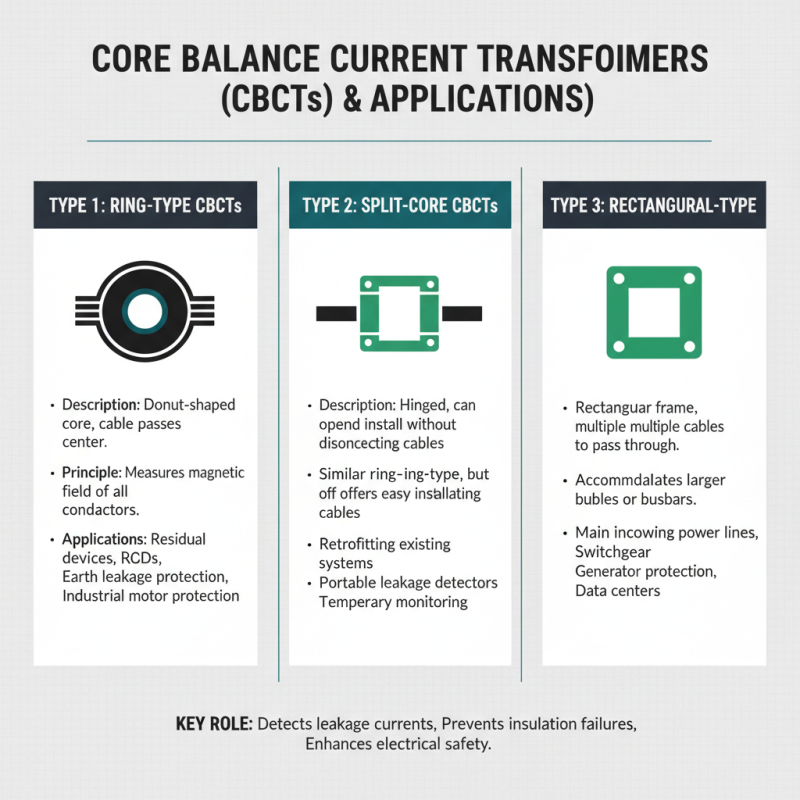
There are several types of core balance current transformers available. One common type is the toroidal transformer, which offers a compact design. This transformer wraps around the conductors, providing effective monitoring without the need for complicated installations. Another type is the split-core transformer, which is ideal for retrofitting existing systems. It can be easily installed without disconnecting the wires.
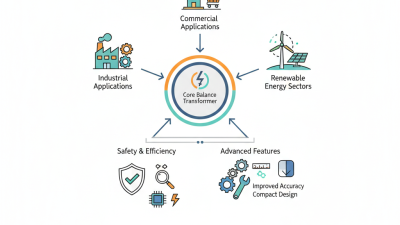
Applications vary widely across industries. In residential settings, CBCTs enhance safety by detecting earth faults. In industrial applications, these devices help prevent equipment damage. They are crucial for systems where Current Transformer Potential Transformer combinations are used. While CBCTs are effective, some installations may require additional calibration. Proper installation and regular maintenance are critical for optimal performance.
When installing a core balance current transformer, proper placement is crucial. Ensure it is on a neutral conductor for accurate readings. Incorrect positioning can lead to unreliable data. Also, check the installation site for interference. Avoid placing transformers near magnetic fields or high-voltage lines.
When it comes to wiring, use appropriate gauge wires. This prevents overheating and ensures different loads are balanced. Pay attention to the terminal connections. Loose connections could lead to signal loss.
**Tips:** Always double-check wiring connections before operation. Label all connections clearly to avoid confusion later. Periodically inspect the transformer for wear or damage. Regular maintenance can help catch issues early. Taking these steps may save time and resources down the line.
Core balance current transformers (CTs) play a vital role in monitoring electrical systems. However, users frequently encounter challenges that can impede their effectiveness. One common issue is sensor sensitivity. If a CT is not calibrated correctly, it may not detect low-phase imbalance, leading to erroneous data. Research indicates that even slight calibration errors can result in up to a 15% drop in efficiency. Therefore, regular calibration is essential, but it often gets overlooked.
Another challenge is the installation of core balance CTs. Proper placement is crucial for accurate readings. Mispositioned transformers can lead to misleading results. In a survey conducted among industry professionals, over 30% reported obtaining inaccurate data due to installation errors. Training installation teams on correct techniques can significantly reduce these errors. Feedback from users shows that ongoing education can mitigate long-term issues.
Integration with existing systems also poses a difficulty. Some operators find it challenging to synchronize CT readings with other monitoring devices. This inconsistency can complicate data analysis. In fact, reports reveal that reliable data integration is achieved only 60% of the time. In addressing these issues, industry experts advocate for enhanced training and robust installation protocols to improve overall reliability.
| Dimension | Description | Common Challenges | Solutions |
|---|---|---|---|
| Sensitivity | The ability to detect low-level leakage currents. | Inadequate sensitivity may miss small leaks, leading to safety risks. | Select a CT with adjustable sensitivity settings. |
| Installation Location | The placement of the CT in relation to the electrical system. | Poor placement can result in inaccurate readings. | Ensure proper installation following the manufacturer's guidelines. |
| Frequency Response | The range of frequencies over which the CT can operate effectively. | Response issues can lead to inaccurate current measurements. | Choose a model with a wide frequency range to cover all operating conditions. |
| Calibration | The process of adjusting the CT to ensure accuracy. | Neglecting calibration can result in drift and measurement errors. | Implement a regular maintenance and calibration schedule. |
| Environmental Factors | Conditions such as temperature, humidity, and electromagnetic interference. | Extreme conditions can affect CT performance. | Select a CT rated for the intended environmental conditions. |
Core balance current transformers (CBCT) are essential for monitoring electrical systems. To ensure their reliability, proper maintenance is critical. Regular visual inspections should be conducted to identify any signs of wear or damage. Look for fraying cables or loose connections. Such issues can lead to inaccurate readings or failures. Cleaning the transformer is also vital. Dust and debris can accumulate, affecting its performance.
Testing CBCTs is another crucial task. This involves checking their accuracy and functionality. Regular testing can detect problems early. Use appropriate equipment to measure the output and compare it with the expected values. If discrepancies arise, further investigation is warranted. Sometimes, even a small deviation can indicate underlying issues that need attention.
Documentation of maintenance and testing activities is essential for future reference. It preserves knowledge of the CBCT's performance history. However, this process is often overlooked. The lack of records can make troubleshooting challenging. Reflecting on past maintenance efforts helps improve future practices. Consistency in approach fosters a culture of reliability in electrical systems.
Accurate voltage measurement is critical in various applications, especially in power distribution and industrial processes. Precision voltage transformers (PVTs) play an essential role in ensuring voltage accuracy by effectively transforming high voltage levels into more manageable readings for monitoring and measurement. With the growing demand for reliability and precision in electrical systems, the advancements in PVT technology have become increasingly significant.
Our company's innovation in precision voltage transformers showcases a design based on current transformer technology, optimizing performance while reducing size. This current-type voltage transformer not only achieves accurate voltage transformation but does so with a remarkably compact footprint, facilitating easier installation and integration into existing systems. Traditional voltage-type transformers often occupy considerable space, but the new design significantly diminishes this concern, allowing for more efficient use of available areas.
A report by the International Electrotechnical Commission highlights that the global market for precision measurement devices, including voltage transformers, is projected to reach $20 billion by 2025, emphasizing the growing relevance of precise measurement tools. Furthermore, studies indicate that systems employing advanced precision transformers can achieve a reduction in measurement error by up to 30%, which underscores the transformative impact of adopting modern voltage transformer technologies in enhancing electrical accuracy. As industries continue to innovate, the role of precision voltage transformers becomes even more pivotal in optimizing performance and ensuring operational excellence.
: Assess the application needs, rated current, installation size, and environment. Each impacts performance significantly.
The rated current affects sizing. A mismatch can cause inaccurate readings and lead to system failures.
Choose a model designed for temperature variations and moisture. Proper placement is also critical for performance.
Some applications need precision modulated signals. Understand your system's needs to ensure compatibility.
Users may rely too much on past experiences, missing unique installation requirements. This can lead to errors.
Place it on a neutral conductor and avoid interference from magnetic fields or high-voltage lines.
Use appropriate gauge wires to prevent overheating and balance loads. Ensure terminal connections are secure.
Regularly inspect for wear or damage. Double-check connections and label them clearly to avoid future confusion.
Misunderstanding can lead to incorrect readings and costly troubleshooting times. Thorough analysis is vital.
Yes, consulting knowledgeable experts can prevent costly misunderstandings and ensure suitable choices for your needs.
The article "How to Choose the Right Core Balance Current Transformer" provides a comprehensive guide for selecting the appropriate Core Balance Current Transformer (CT) for various applications. It begins with an overview of the function and significance of Core Balance CTs, which are essential for detecting earth faults in electrical systems. The article outlines critical factors to consider during the selection process, including rating specifications, which ensure the transformer operates effectively within the desired parameters.
Additionally, the article explores the different types of Core Balance Current Transformers, highlighting their specific applications. It addresses installation requirements to facilitate optimal performance and discusses common challenges users might face, along with practical solutions. Finally, it emphasizes the importance of regular maintenance and testing to ensure the reliability and longevity of Core Balance Current Transformers, reinforcing their role in enhancing electrical safety and system performance.