Picking the right Current Sensoris a pretty big deal when you're working on any kind of electronic project. With all the buzz around smart tech these days, having accurate current measurements just keeps getting more important. MarketsandMarkets even reports that the global market for these sensors is expected to jump from about $3.56 billion in 2021 to over $5 billion by 2026 — that’s quite a leap! This clearly shows how crucial it is to understand what kind of Current Sensor you need for things to run smoothly and efficiently.
I remember hearing Dr. Lisa Henderson, one of the top folks in sensor tech, once say, “Choosing the right Current Sensor can make or break your project's efficiency.” Honestly, her words stuck with me. It’s all about finding that sweet spot between what the sensor can do and what your project actually needs. Little details like how sensitive the sensor is or how quickly it responds often get overlooked, but they really matter — whether you're working on a car, or in renewable energy.
It's not just a matter of grabbing any sensor off the shelf. Engineers often struggle to match sensor specs with what their project demands. If you don’t get this right, you might end up with a performance gap or even a failure somewhere down the line. Remember, current sensors aren’t just about measurements — they affect accuracy, efficiency, and even safety in the end. So, taking these factors into account is pretty much key to reaching your project goals without a hitch.
Understanding the Basics of Current Sensors
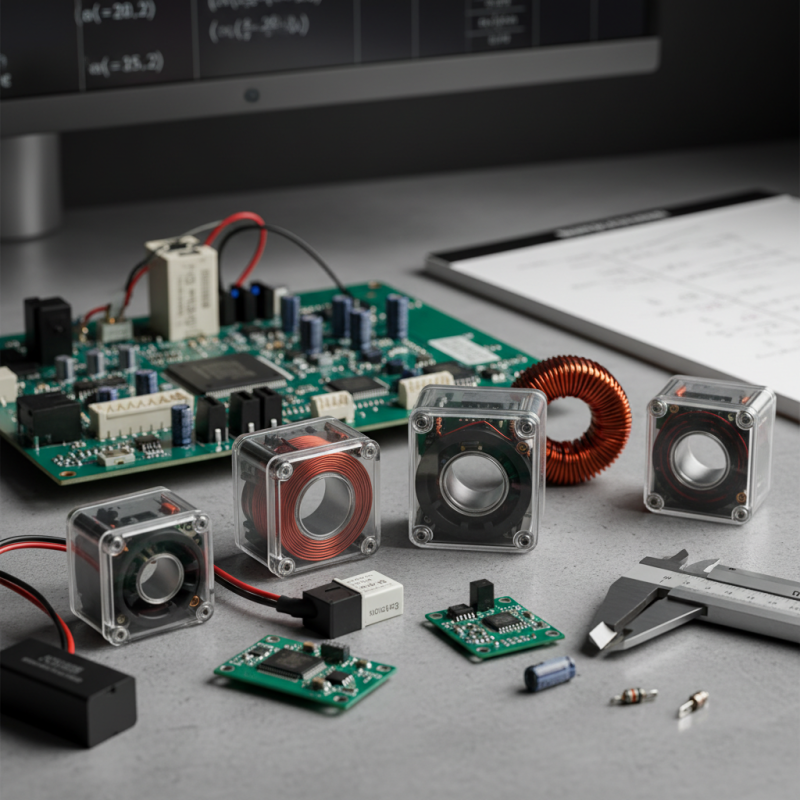
When it comes to current sensors, understanding the basics is essential. A current sensor detects and measures current flow in a circuit. There are different types of current sensors. Some use magnetic fields, while others measure voltage drop. One popular type is the Hall Effect Current Sensor. This sensor measures the magnetic field around a conductor to determine current levels.
Current sensors vary in their sensitivity and accuracy. Selecting the right one can be tricky. You need to consider your project's power requirements and the maximum current it will handle. Improper choices can lead to inaccurate readings. This may affect your entire project. It’s important to assess the environment too. Some sensors may not work well in high temperatures or humidity.
Installation matters as well. A poorly positioned sensor can cause faulty readings. Take time to review the layout of your circuit. Ensure the sensor is aligned properly. This step is often overlooked but is crucial for precise measurements. A good understanding of your project's needs will help you choose the right current sensor. Don't rush this decision; it has long-term effects on your project’s performance.
Types of Current Sensors and Their Applications
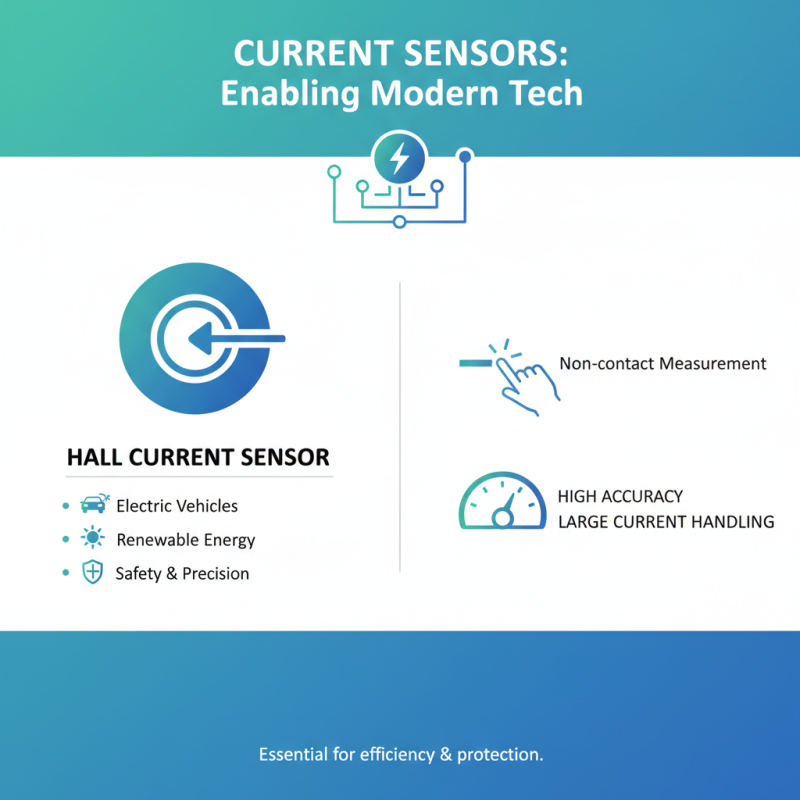
Current sensors play a crucial role in many applications. There are various types of current sensors, each serving specific needs. For example, Hall Current Sensors are widely used in electric vehicles and renewable energy systems. They are known for their accuracy and ability to handle large currents without direct electrical contact. This attribute makes them ideal for applications where safety and precision are paramount.
Another common type is the shunt resistor sensor. This type measures current indirectly by calculating the voltage drop across a resistor. It is often preferred in low-budget projects, despite some drawbacks, like heat generation. Industry reports indicate shunt resistors are commonly used in battery management systems and power supplies. They provide essential data for monitoring and managing energy efficiently.
Each type of sensor has its pros and cons. Picking the wrong current sensor can lead to inaccurate readings or system failures. It's essential to analyze project requirements carefully to avoid oversights. While Hall sensors deliver reliability, they may not suit all environments. Understanding the application and environmental factors is key in sensor selection.
Key Specifications to Consider When Choosing a Sensor
Choosing the right current sensor for your project requires careful analysis of key specifications. Measurement range is crucial. A sensor must handle the maximum current expected. For example, many applications demand sensors with ranges surpassing 100A. Yet, too wide a range can reduce accuracy. Consider taking a narrower approach for critical applications.
Accuracy is another pivotal factor. High-precision sensors can have an error of just 0.5%. This level of precision is vital in environments where small variations can lead to significant issues. Look for sensor specifications that highlight linearity and temperature effects. A sensor with high linearity is often more reliable, even if the initial data seems less appealing.
Response time plays a vital role, especially in dynamic environments. Some sensors have a response time of just 1 ms, while others may take longer. While faster is often better, one must also reflect on the type of current being measured. Transient currents may require rapid response times. Consequently, the choice depends on your specific application needs. Always align your requirements with the sensor specifications.
How to Choose the Right Current Sensor for Your Project? - Key Specifications to Consider When Choosing a Sensor
| Specification | Description | Importance |
| Measurement Range | Defines the maximum and minimum current levels the sensor can accurately measure. | Critical for ensuring the sensor meets project requirements. |
| Accuracy | Indicates how close the sensor's measurements are to the true value. | Essential for applications requiring precise current measurements. |
| Output Type | Specifies whether the output is analog, digital, or direct current. | Determines compatibility with other system components. |
| Response Time | The time it takes for the sensor to respond to changes in current. | Important for dynamic applications where current changes rapidly. |
| Temperature Range | Operating conditions that define the temperature limits for the sensor. | Vital for applications in varying environmental conditions. |
| Size and Form Factor | Physical dimensions and shape of the sensor. | Affects integration into the existing system or device. |
| Cost | Price of the sensor, including any additional components required. | Crucial for staying within budget while achieving desired performance. |
Evaluating the Accuracy and Range of Current Sensors
When selecting a current sensor, accuracy and range are crucial aspects. Accuracy determines how reliably the sensor measures current. It's essential to consider the specifications provided. Refer to the manufacturer's details for precise measurements, but be cautious. Some specs can be misleading. Verify them through testing if possible.
The range of a current sensor identifies the maximum and minimum current it can handle. If your project involves fluctuating currents, choose a sensor with an adequate range. A wide range accommodates various scenarios. However, barriers may arise if the sensor exceeds its limits. This could lead to inaccurate readings, which can complicate your project. To ensure success, always test your sensor under real conditions before finalizing your design.
Moreover, upgrading to a newer model can give you better accuracy and an enhanced range. A Current Sensor Upgrade can bring improvements in technology and efficiency. Investigate newer options that fit your needs better. This can mean the difference between a successful project and one that continually faces issues. Always question your choice and consider revisiting your sensor selection process.
Comparing Analog vs. Digital Current Sensor Options
When selecting a current sensor, understanding the differences between analog and digital options is crucial. Analog current sensors provide a continuous output proportional to the detected current. They are simple and cost-effective, making them attractive for basic applications. However, they can be susceptible to noise and may require additional circuitry for precise measurements.
In contrast, digital current sensors convert analog signals to a digital format. This process allows for better noise immunity and simplified interfacing with microcontrollers. According to a recent industry report, digital sensors can improve accuracy by up to 20% in noisy environments. This accuracy is vital for applications demanding high precision, such as motor control or power monitoring.
However, digital sensors can introduce complexity. They often require more power and can be less straightforward to integrate. Some users might find the digital readouts less intuitive than analog meters. Evaluating the specific requirements of your project is key. Consider factors like measurement range, load conditions, and environmental influences to make an informed choice.
Integration and Compatibility with Your Project
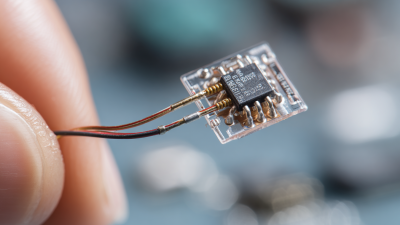
When selecting a current sensor, integration and compatibility with your project are vital. Understand the specifications of your Pcb Current Sensor. Check the voltage range and current measurement capabilities. Many sensors work within specific limits, which may not suit every application. Consider the output signal type as well. Analog and digital sensors behave differently, impacting how your project interprets data.
Compatibility also extends to physical size and mounting options. Ensure the sensor fits well within your design. Sometimes, the chosen sensor might require additional components, complicating integration. Refer to the datasheet for wiring instructions. Mistakes in connections can lead to malfunctions. Always verify the sensor's performance in your setup. Testing different configurations can be enlightening, revealing unexpected limitations.
Think about software compatibility too. If you're using microcontrollers, ensure your Pcb Current Sensor can communicate effectively. Libraries may be available for easier integration. However, not all sensors work seamlessly with every platform. Reflections on past projects can guide current decisions. Learning from errors is part of the process. Each project presents its unique challenges, and adapting is key to success.
Current Sensor Selection Based on Key Parameters
This bar chart illustrates key parameters to consider when selecting a current sensor for your project, including sensitivity, range, response time, accuracy, and cost. Evaluating these parameters can help you find the right sensor that meets the specific requirements of your application.
Cost Considerations and Budgeting for Current Sensors
When selecting a current sensor, budgeting is crucial. Current sensors can vary widely in cost. A low-cost sensor may work for basic applications, while advanced features drive up the price. Evaluate your project's requirements. Decide what you really need versus what would be nice to have.
Tips to consider include understanding your budget constraints. Don’t ignore the cost of additional components needed for the sensor. Some sensors require external resistors or circuits that can escalate costs. It's wise to check the total costs upfront. Always allow for unexpected expenses in your budget.
Reflect on the trade-offs between quality and cost. A cheaper sensor might save money initially but could lead to failures and higher costs down the line. Assess the potential long-term implications of your choices. Does the cheapest option truly provide value? Ultimately, balance your financial limitations with the quality required for success.
Maximizing Efficiency in Power Management: Insights from 2023 Industry Reports on KS29-A-L Series Switch Quantity Hall Current Sensors
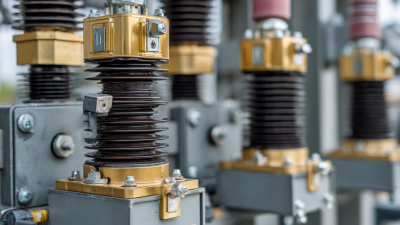
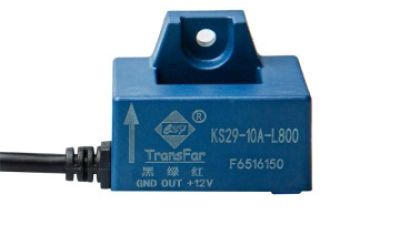
In the realm of power management, maximizing efficiency is paramount, particularly for industries relying on precise and reliable control systems. The 2023 industry reports on the KS29-A-L series switch quantity Hall Current Sensors shed light on innovative advancements that enhance operational capabilities. These sensors employ the Hall effect open-loop current sensing technology, enabling them to detect DC current signals with high accuracy while maintaining electrical isolation. This feature is crucial for applications where safety and operational integrity are non-negotiable.
One of the standout functionalities of the KS29-A-L series is its capacity for overcurrent protection. By providing a switching output in isolated conditions, these sensors effectively mitigate risks associated with high current surges, which can lead to equipment damage or failures. Their robust design ensures they can operate efficiently under various conditions, making them ideal for diverse industrial applications. As industries continue to seek ways to boost performance while maintaining safety, integrating advanced sensors like the KS29-A-L series becomes essential in driving forward power management efficiency.
FAQS
: The content aims to provide relatable experiences and insights. It offers practical knowledge for everyday scenarios.
Anyone seeking guidance can find useful tips here. It caters to a wide audience with varying needs.
Look for small changes you can make daily. Implementing small adjustments leads to significant improvements.
Yes, not every suggestion works for everyone. Each person’s situation is unique and requires adaptation.
Reflect on your current circumstances and goals. Think about how changes align with your lifestyle and values.
Recognize that setbacks happen to everyone. Use them as learning opportunities and adjust your approach accordingly.
Conclusion
Choosing the right Current Sensor for your project is crucial for ensuring accurate and efficient performance. Understanding the basics of current sensors involves recognizing their different types and applications, as they come in various forms suited for specific use cases. Key specifications such as measurement range, response time, and accuracy must be carefully evaluated to meet the project's requirements.
Additionally, comparing analog and digital current sensor options can help determine the best fit for your needs. Integration and compatibility with existing systems are also vital considerations, along with budget constraints that will influence your choices. By taking these factors into account, you can select a Current Sensor that enhances your project's overall effectiveness and reliability.