Choosing the right power supplyis pretty important for any electronic setup. Did you know that the global market for power supplies is expected to hit around $37.11 billion by 2025? Crazy, right? But here's the thing—so many folks overlook some key factors when they're picking out a Power Supply, and that can really cause issues down the line, like systems running inefficiently or costs piling up.
When you're shopping around, it's a good idea to think about what you actually need. Different devices or setups need different kinds and amounts of power. For example, servers tend to need more robust and reliable power supplies compared to just a standard desktop. Also, don’t forget to check out efficiency ratings, like the 80 PLUS certifications—they tell you a lot about how well the unit performs. Unfortunately, a lot of people forget to look at these ratings before making a purchase.
And honestly, it’s worth considering the long-term picture. Going for a cheaper power supply might save you some money upfront, but it could lead to problems later on—like failures or lower performance. Research shows that nearly 22% of power supply failures happen because of poor quality, which is pretty telling. So, taking the time to understand what specs and brands are reliable really pays off in the end.

Understanding Power Supply Units: Types and Applications
Power Supply Units (PSUs) are vital components in any electric system. They convert general electrical power into usable forms for devices. Different types of PSUs serve different applications. ATX power supplies are common in desktop computers. They provide the necessary voltage and current for smooth operation.
In contrast, external power supplies are often used for laptops. They are designed to be portable and efficient. Switching power supplies are versatile. They adapt to variations in input voltage. This adaptability makes them ideal for electronics. However, it's crucial to choose the right one for your needs.
Some may overlook wattage ratings when selecting. Choosing a PSU with insufficient wattage can lead to issues. Devices may underperform or even shut down. It’s essential to have a margin of power. A higher wattage allows for future upgrades. Reflect on your current and future requirements. This consideration helps to avoid potential frustrations.
Evaluating Your Power Requirements: Wattage and Amperage Calculations
When selecting the right power supply, it’s crucial to assess your wattage and amperage needs accurately. Begin by calculating the total wattage required by all connected devices. For instance, a typical desktop setup might need 300 to 500 watts, while high-performance gaming rigs can demand upwards of 800 watts. The key metric here is understanding that if you exceed your power supply’s capabilities, it can lead to malfunctions or even hardware damage.
Amperage is equally important. Each component in your system has a specific amperage requirement. The formula you're looking for is: Amperage = Wattage ÷ Voltage. Most systems run on a standard voltage of 120V or 240V, depending on your location. Industry reports suggest ensuring at least 20% overhead on your amperage calculations to accommodate peak usage and avoid straining your components.
Tips: Always check the power supply’s efficiency rating. An 80 PLUS certification indicates better efficiency. This means less waste heat and lower electric bills. Also, consider future upgrades. You might want to add components later, so plan accordingly. Underestimating your needs now could lead to issues down the line. Remember, a well-chosen power supply enhances system stability and prolongs its lifespan.
Considering Efficiency Ratings: 80 Plus Certification Explained
When selecting a power supply, efficiency is key. The 80 Plus certification helps determine how efficient a power supply is. This rating indicates that a power supply meets certain efficiency thresholds. It ranges from Bronze to Platinum, with Platinum being the most efficient. Higher efficiency can lead to less heat generation and lower electricity bills.
For many, the choice may seem straightforward. However, it's crucial to consider your system's requirements. A high-powered gaming PC, for example, may need more wattage compared to a simple office setup. You can easily miscalculate your needs if you're not careful. Over or under-sizing can lead to wasted energy or inadequate power delivery.
Efficiency ratings also reflect how well the power supply converts electricity. A power supply that only performs well under ideal circumstances can be misleading. If you live in an area with fluctuating power, performance might suffer. Balancing the wattage and efficiency will help ensure stability. A reliable Pc Power Supply should align with your usage while providing optimal efficiency. Hence, always verify before making a purchase to avoid regrets later on.
Assessing Form Factors: ATX, SFX, and More for Your Build
When selecting a power supply, consider the form factor that fits your build. Common types include ATX, SFX, and more. Each form factor has its own dimensions and mounting options. ATX power supplies are typically larger. They offer more wattage and ample connectors for extensive builds. SFX, on the other hand, is compact. It's ideal for smaller cases. When space is tight, SFX might be the better choice.
Another element to remember is airflow. A well-ventilated case can enhance cooling. A poorly placed power supply may block airflows. This could lead to overheating. Choose a layout that promotes good airflow. Not all power supplies are designed the same way. Some have modular cables. This allows for a cleaner setup while others have fixed cables. Evaluate your needs.
While deciding, take a moment to reflect on what you value most. Is it power efficiency, size, or quiet operation? Each factor will affect your user experience. Making mistakes is part of the learning curve. Remember that it's okay to reassess your choices as your needs evolve.
Choosing the Right Power Supply - Form Factors Comparison
| Form Factor | Dimensions (mm) | Typical Use Case | Max Wattage Range | Popular Applications |
| ATX | 150 x 140 x 86 | Standard Desktop Builds | 300W - 1200W | Gaming PCs, Workstations |
| SFX | 125 x 100 x 63.5 | Small Form Factor Builds | 300W - 600W | Mini-PCs, Compact Gaming |
| TFX | 175 x 65 x 100 | Slim Systems | 250W - 500W | Home Theater PCs, Thin Clients |
| SFX-L | 125 x 100 x 130 | Expanded Small Builds | 400W - 800W | High-Performance Mini-ITX |
| PS3 | 100 x 225 x 60 | Custom Applications | 200W - 500W | Embedded Systems, Gaming Consoles |
Reviewing Connector Types: Ensuring Compatibility with Components
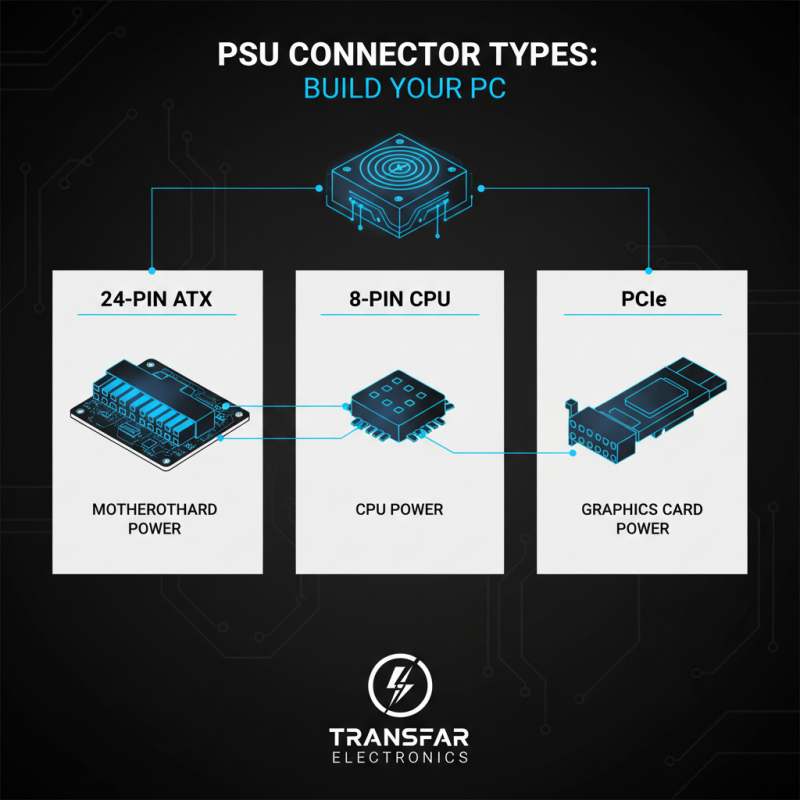
Choosing the right Psu Power Supply is crucial for your build. One vital aspect is the connector types. They ensure compatibility with your components. Common connectors include 24-pin ATX, 8-pin CPU, and various PCIe connectors. These connectors power your motherboard, CPU, and graphics card.
Verification is key when selecting connectors. A wrong connector can lead to power issues or even component failure. Many users overlook this detail. It's easy to think all power supplies are the same. However, the diversity in connectors can cause confusion. Some might have excess connectors they don't need, while others lack the essential ones entirely.
When assembling your system, take a moment to inspect your connectors. Measure the lengths and ensure they can reach all your components. Not all cases have ample space for hiding cables. Consider modular power supplies for better cable management. It’s not uncommon to face trial and error as you figure this out. You'll learn which connectors you actually use, and which ones end up collecting dust.
Analyzing Reliability: Mean Time Between Failures (MTBF) Factors
When choosing a power supply, reliability is crucial. One key metric to consider is the Mean Time Between Failures (MTBF). This standard measures the expected time until a device fails. A higher MTBF usually indicates a more reliable power supply. It can help you avoid unexpected downtime.
Tips: Look for power supplies with an MTBF rating of at least 100,000 hours. This suggests durability. Think about the operational environment as well. Dust, heat, and humidity can impact performance. An Ac-Dc Power Supply might perform differently under various conditions, so consider these factors carefully.
Quality often comes at a price. However, don’t only focus on costs. A cheaper option might save money upfront but cost more in repairs later. Reflect on the long-term benefits. Sometimes, spending a bit more can lead to better overall value in the long run. Choosing the right power supply requires thoughtful analysis of its MTBF, environment, and cost.
Budgeting for a Power Supply: Balancing Cost and Quality Features
When budgeting for a power supply, balancing cost and quality features is crucial. Recent data shows that many users overlook the importance of reliable power sources. The average cost of a decent power supply is around $50 to $100. However, cheaper options often compromise quality.
A high-quality power supply can significantly affect system stability. Reports indicate that systems with low-quality supplies fail more frequently. These failures can lead to data loss and hardware damage. A Dc-Dc Power Supply offers excellent efficiency, making it a smart choice. They convert voltages with minimal waste.
Tips: Always check the efficiency rating. Aim for at least 80% efficiency. This will save on energy costs in the long run. Additionally, consider the wattage needs. Oversizing can waste money, while undersizing can lead to system failures. Remember that investing a bit more upfront can save you from costly replacements later on.
More users need to reflect on their decisions. Quality often beats price, especially in crucial components like power supplies. Balance your financial constraints with the need for reliability. A suitable power supply can enhance overall performance and longevity of your devices.
Enhancing Efficiency and Reliability: A Comprehensive Guide to FMB50W Series DC-DC Modular Power Supplies
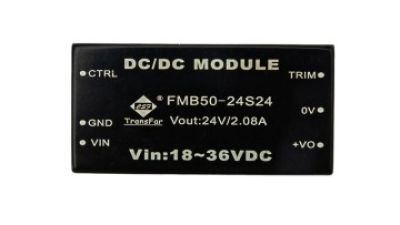
The FMB50W Series DC-DC modular power supplies exemplify the ideal solution for those seeking reliable and efficient power management in various applications. Designed for PCB installation, these DC/DC module power supplies provide exceptional performance with a compact form factor. Available in both single and dual voltage outputs, they accommodate an extensive range of input voltages, ensuring versatility across different global standards. Their operational capabilities support a wide variety of voltage combinations and power outputs from 2.5W to 50W, catering to diverse requirements across multiple sectors.
Key features such as low power consumption and high efficiency make the FMB50W Series a standout choice for industrial, office, and civil applications. The modules are engineered for high reliability, ensuring that they can withstand demanding environments while maintaining safety isolation and voltage resistance. Whether for communication equipment, instrumentation, or industrial electronics, these modular power supplies deliver enhanced efficiency, making them an indispensable component in modern electronic systems. The design considerations of these power supplies align with the increasing demand for reliable energy solutions, making them an integral part of the evolving landscape of electronic manufacturing and application.
FAQS
: A healthy diet improves energy levels. It supports mental clarity and enhances mood. It also boosts immunity.
Focus on whole foods. Choose fruits, vegetables, whole grains, and lean proteins. Read labels for better options.
Regular exercise is beneficial. Aim for at least 150 minutes weekly. Consistency helps to build good habits over time.
Set realistic goals. Prepare meals in advance. Tracking progress can also keep you engaged and motivated.
Yes, occasional treats are fine. Balance is important. Celebrate small successes with a favorite snack or a special meal.
Don't be too hard on yourself. Everyone makes mistakes. Reflect on what happened and plan for better choices next time.
Conclusion
Choosing the right power supply is crucial for ensuring the optimal performance and longevity of your computer system. Understanding the various types of Power Supply Units (PSUs) and their applications is the first step in the selection process. You need to evaluate your power requirements by calculating the necessary wattage and amperage that your components will consume. Additionally, considering efficiency ratings such as the 80 Plus certification can lead to lower energy costs and reduced heat generation.
Another important aspect to take into account is the form factor of the power supply, as it must fit within your case’s specifications—whether it's ATX, SFX, or another format. Ensuring compatibility with connector types for all components is also essential for a seamless build. Reliability is a key factor, often measured by the Mean Time Between Failures (MTBF), which can give insight into the durability of the power supply. Finally, budgeting appropriately will help balance cost with the quality features of your chosen PSU, supporting both your performance needs and financial constraints.