TransFar Electronics

Inquiry
Form loading...
- Phone
- E-mail
- WhatsApp
- WeiChat

TransFar Electronics
Picking the right Power Supply is super important for any business, especially with how fast technology is changing these days. Companies are always looking for ways to streamline their operations and boost efficiency, and getting a grip on what power their equipment actually needs is crucial. A dependable power supply not only makes sure that everything runs smoothly but also helps keep different systems lasting longer and performing better. So, when businesses are on the hunt for the right solution, they really need to think about stuff like load capacity, efficiency, safety features, and how well it fits with what they’ve already got in place.
Here at Beijing TransFar Electronics Group Co., Ltd., we’ve got you covered with smart power solutions designed to meet all sorts of business demands. We’re all about research, design, production, and sales of top-notch energy current/voltage sensors, reactors, and precision electromagnetic components. Whether you're looking to set up EV AC & DC charging stations or need specialized Transformers, we’re dedicated to helping you meet your power supply needs, while also driving your business toward better performance and sustainability.
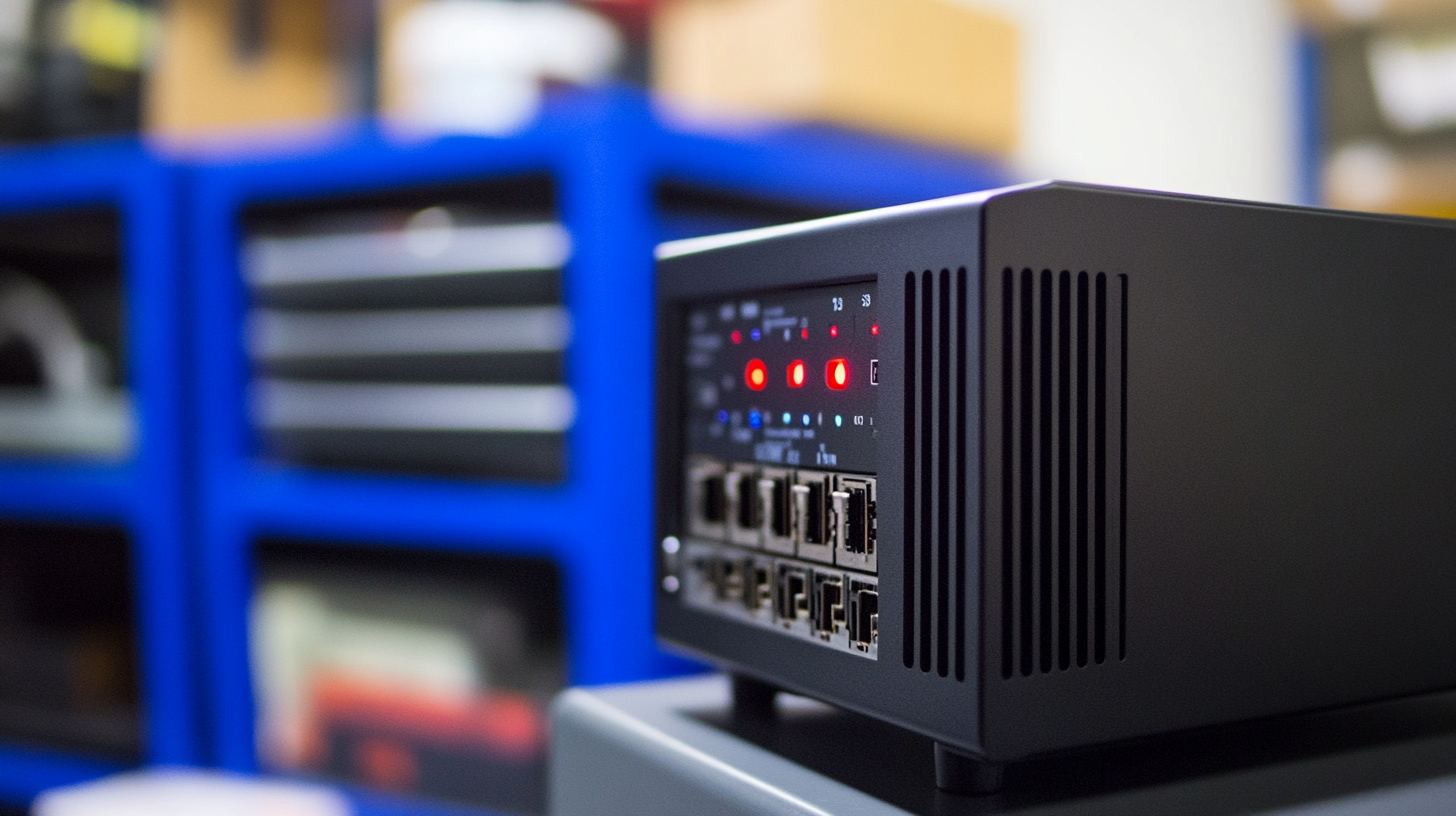
You know, when it comes to running a business smoothly, you really can't underestimate how important a good power supply is. A reliable power source keeps everything humming along, from the basic office gadgets to the high-tech machines we see on factory floors. Businesses are pretty much dependent on having consistent power to avoid any nasty downtime, so it’s super important to get a grip on their unique power needs and pick the right supply system. So, how do you figure out what your business actually needs? It all starts with taking a good look at the equipment you’re using. For example, the big machinery in a factory is gonna need a different kind of power supply than a small office that’s just running some computers and printers. Plus, it’s really smart to think about things like peak load demands and any plans you have to expand in the future. This kind of foresight helps businesses choose a power supply that not only handles today’s demands but can also support growth down the line—without constantly needing major updates. On top of that, the quality of your power supply can really affect how efficiently everything runs. If there are sudden power glitches, you might end up with equipment failures and lost data, which can totally mess with productivity and drive up costs. That's why investing in a power supply that offers stability, efficiency, and protection from surges is key to keeping operations running smoothly. So, by focusing on these aspects when you’re selecting a power supply, companies can ensure everything stays on track and their infrastructure lasts a good while.
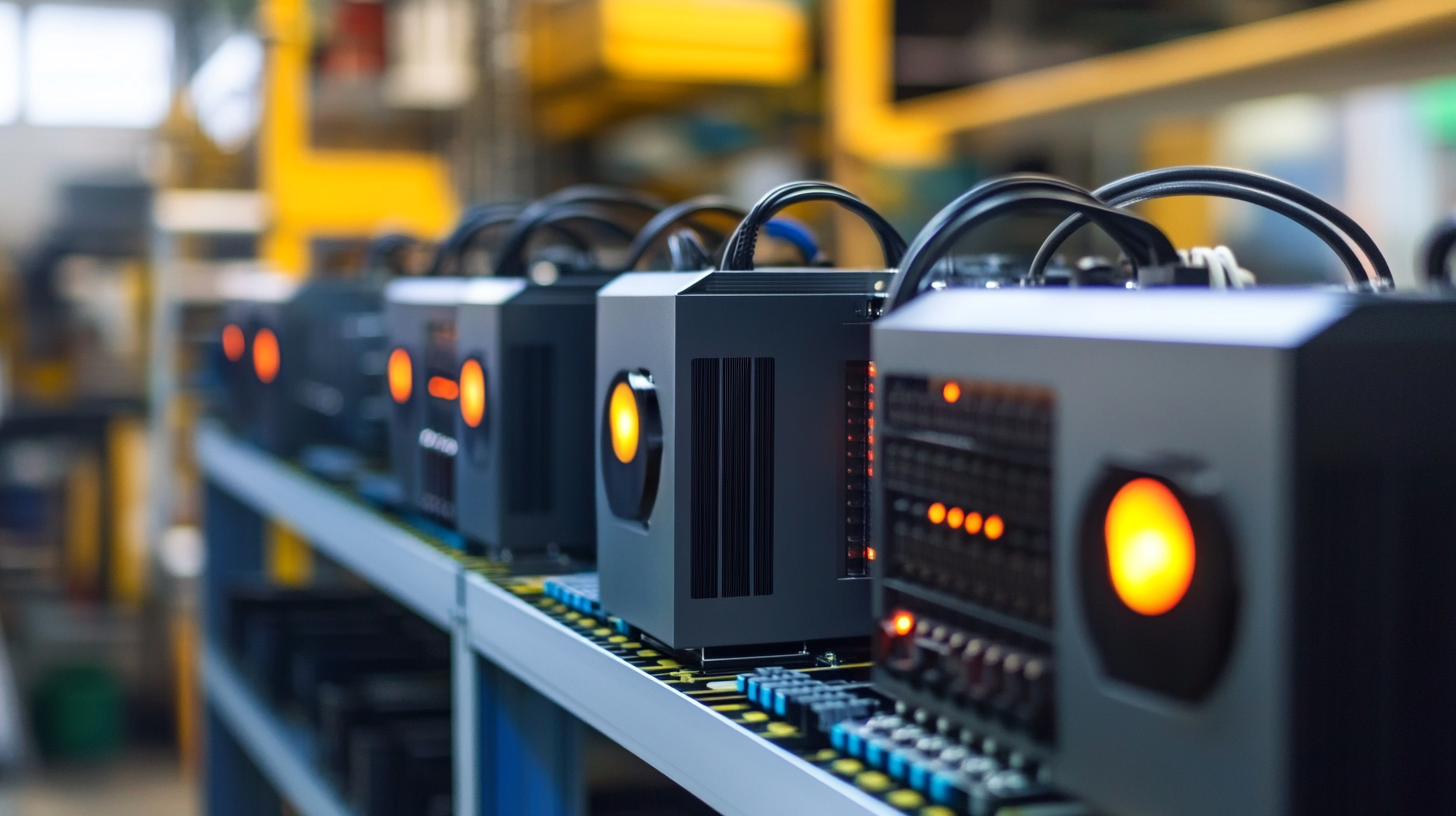
So, when you're on the hunt for the right power supply for your business, the very first thing you need to do is figure out just how much power you actually need and how you’re using it. Knowing the energy demands of your operations is super important because it helps you choose a power supply that fits like a glove. You can start by diving into your current consumption data, and honestly, smart meters can be a game changer here. They give you a detailed look at your electricity usage, highlighting those peak times when you really crank up the energy. That info is key for making smart choices.
On top of that, tapping into big data can really take your understanding of power needs to the next level. By collecting different data points about energy use, demographic trends, and market behaviors, you get a much clearer picture of how your business consumes energy. With a little help from AI-driven analytics, you can sift through all that data and uncover insights that help align your energy supply with your operational needs. It’s all about boosting efficiency and being ready for changes in energy demand—basically, optimizing your energy management strategies.
Don’t forget to think about outside factors too, like climate change and urban development, when assessing your power needs. Population growth trends and the push for decarbonization are going to have a big impact on how energy is used in the future. By staying ahead of the curve and adapting to these shifts, you can pick a power supply that meets your current needs while also setting you up for sustainable growth in this fast-paced world.
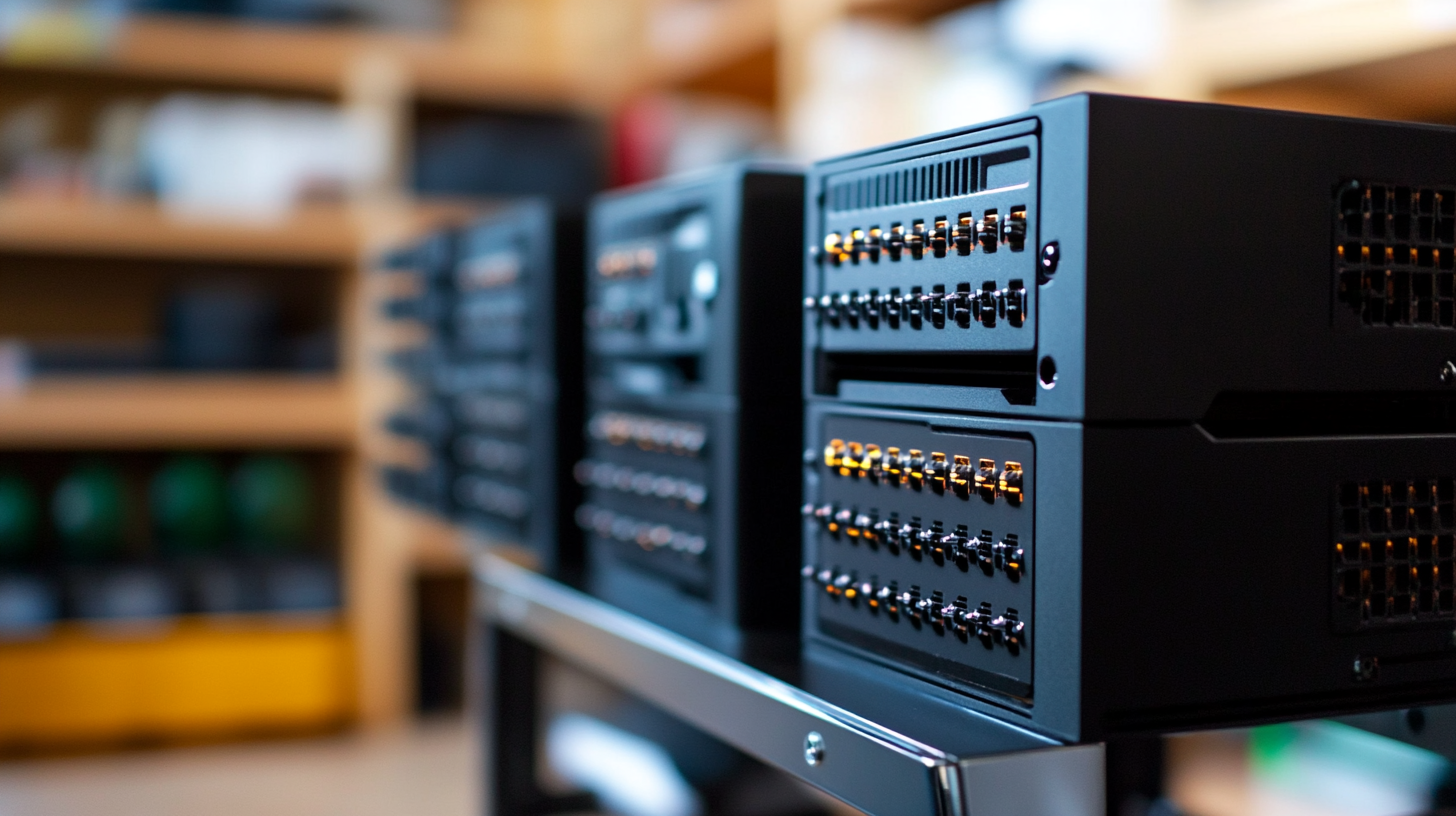
Choosing the right power supply for your business is super important, and it really helps to dive into the different types out there and what they’re best for. One cool new tech that's getting a lot of buzz is the microactuator system. This little game-changer could seriously shrink the size of power supplies for things like drones, robotics, and medical devices. It's pretty exciting to see how innovation can lead to smaller, smarter solutions that fit specific business needs.
Then there’s the radioisotope power systems, or RPS for short, which tap into nuclear energy to create electricity. Usually, you think of these for space missions, but who knows? Maybe we’ll see some of these ideas trickling down to more everyday energy challenges on Earth. These systems are awesome when you need steady, reliable power, especially in those tough spots where regular power sources just can’t keep up.
And let’s not forget about microgrids! They’re all the rage lately, marking a big step toward localized energy solutions. Microgrids give businesses a chance to manage their power production and use in a way that’s sustainable. Plus, they’re flexible enough to work with all sorts of energy sources, whether that's renewables or traditional options, which is great for fine-tuning your power supply while keeping the planet’s health in mind.
So, getting a good handle on these power supply choices is key for businesses looking to align their needs with their sustainability ambitions.
So, when you're thinking about what power supply to choose for your business, one of the most important things to keep in mind is its efficiency rating. Basically, these ratings tell you how well the power supply converts the electricity it pulls from the grid into usable power, and let’s be real, the rest of it just gets wasted as heat. If you go for a high-efficiency power supply, you can really cut down on those operational costs by trimming the energy waste. This is especially crucial if your business is aiming to boost its sustainability efforts while also keeping profits in check.
Now, let’s talk about how those efficiency ratings can really affect your bottom line. For instance, if you opt for a more efficient model, like one with an 80 PLUS Gold or Platinum rating, you might be looking at a bit of a higher upfront cost. But hang on— that could translate into some serious savings on your energy bills in the long run. By using less electricity, you'll lower your utility costs and also shrink your business’s carbon footprint. It’s definitely worth doing a little cost-benefit analysis to see how those savings stack up over time against the initial price tag.
Plus, when you choose a power supply with a better efficiency rating, it generates less heat, which means you’ll spend less on cooling. This is especially handy for businesses that have big server rooms or data centers where cooling can really eat into your operational costs. So yeah, by investing in a more efficient power supply, you’re not just improving your energy consumption; you’re also laying the groundwork for a more sustainable and cost-effective operation overall.
Choosing the right power supply for your business is super important, right? You really want to make sure whatever you pick is reliable and built to last. I mean, recent tests of portable power stations have highlighted some impressive tech improvements—over thirty models were put through their paces to see which ones hold up best, whether you're working on-site or traveling. They looked at things like how tough they are, how much power they can pump out, and how long that battery lasts. These are critical features if you can't afford any interruptions in your energy supply.
And don’t forget, it’s just as crucial to grasp how reliable your electric services are too. There’s a lot of talk these days about the reliability and resilience of electric services across the U.S., especially since there are new assessment methods popping up. This reflects the ongoing efforts to boost the stability of power supplies, which really matters for keeping any business running smoothly.
And hey, speaking of keeping the lights on, using the right measuring tools is key for managing energy use effectively. By employing advanced measuring devices, businesses can get a clear picture of their energy consumption and spot opportunities for savings. Plus, if you want to be sustainable, choosing power supplies that not only perform well but also cut down on energy waste can really pay off in the long run. With energy demands going up, making informed choices based on tech assessments and reliability data will definitely help you find efficient and lasting power solutions.
When you're picking out the right power supply for your business, think about scalability—it's super important! As your business grows, so do your energy needs, right? So, investing in a power supply that can keep up with your increasing load can really save you both time and money down the road. It’s not just about what you need right now; you’ve got to look ahead and think about future expansions, too. Trust me, having that foresight can save you from the headaches of having to replace or upgrade your system later on.
One great tip is to go for a power supply unit that has modular features. This way, as your business scales up, you can simply add more power modules instead of having to swap out the entire system. How convenient is that? Plus, don’t forget to check out the efficiency ratings of the power supply. A high-efficiency unit not only performs better, but it can also help cut down on those operational costs, which is super important as you grow.
And here’s something else to think about: make sure the power supply is compatible with the tech of the future. Industries change so fast, and the tools we use need to keep up. Ensuring your power supply can handle various technologies and possible upgrades will make sure your business can transition smoothly as it grows. So, keeping scalability in mind when you select your power supply is key to staying nimble and ready to seize new opportunities when they pop up!
Choosing the right power supply for your business? Yeah, it's way more than just picking the first option you see. You've really got to think about the environmental factors involved. Recent studies show that the whole global scene is being shaped by ecological issues, especially in places where energy demand is on the rise. Take Saudi Arabia, for instance—there, the ecological footprint is a big deal, thanks to rapid economic growth pushing energy consumption higher. So, businesses really need to focus on power supply solutions that not only meet their energy needs but also keep the environmental impact in check.
Also, it’s pretty important to keep an eye on environmental regulations and advancements in green technology, too. Companies should be aware that there are geopolitical risks tied to energy transitions, but these can be managed by sticking to environmental laws and investing in innovative solutions. Let’s be real—making sustainable choices in energy isn’t just a passing trend. It’s essential and matches up with those broader ESG (environmental, social, and governance) principles that are becoming super important for future investments.
As businesses make the switch to renewable energy, it’s also crucial to think about the lifecycle emissions of things like solar panels. Every phase—from production to disposal—can make a huge difference in your company’s environmental footprint. So, picking the right power supplies isn’t just about what works for now; it’s about adapting to ongoing ecological pressures and doing your part for a sustainable future. Understanding these environmental factors is really the key to making smart energy decisions that support both your operations and our planet’s well-being.
Hey there! So, when you’re picking a power supply for your business, it’s really important to get a grip on the balance between those up-front costs and what you'll actually save in the long run. The U.S. Department of Energy mentions that companies can actually save up to 30% on energy costs if they switch to more efficient power supply options. I know it can be super tempting to just go for the cheapest option at the start, but trust me, that can backfire with sky-high electricity bills and annoying maintenance costs down the line.
And guess what? Industry reports are saying that if you invest in those high-quality, efficient power supplies, you’ll probably see some pretty big returns. Take the National Renewable Energy Laboratory (NREL), for example; they found that businesses focused on energy efficiency often see their investment pay off in less than three years. And get this, the savings just keep rolling in! It's not just about using less energy, but you also get a longer lifespan and better reliability from these efficient systems, which means you won't have to worry as much about costly replacements or repairs.
Oh, and here's a little tip: when you’re budgeting for power supply solutions, it’s super crucial to think about the total cost of ownership (TCO). This means looking beyond just the price tag and considering things like operating expenses, maintenance, and even possible energy rebates. A report from the International Energy Agency (IEA) suggests that companies who take TCO into account often find that investing in top-notch power supplies leads to major savings and better performance over time. By weighing both your immediate costs and those future perks, you can make smart choices that really match up with your financial goals and business needs.
The first step is to identify your power requirements and usage patterns by analyzing current consumption data, which can be efficiently gathered through smart meters.
Smart meters provide comprehensive insights into electricity usage, revealing peak consumption times and trends essential for informed energy supply decisions.
Big data analytics helps businesses collect and analyze various data points related to energy usage, enabling a deeper understanding of consumption patterns and optimizing energy management strategies.
External factors, such as climate change and urban development, can significantly impact future energy use patterns, and businesses need to adapt to these influences to ensure sustainable growth.
Companies must comply with environmental regulations and invest in green technology, as these factors play a significant role in shaping power supply solutions and aligning with ESG principles.
Businesses should assess the lifecycle emissions of renewable technologies, such as photovoltaic panels, as these impacts can affect their overall environmental footprint.
By being proactive in adapting to environmental changes, businesses can select power supplies that support current needs while positioning themselves for sustainable growth.
Integrating sustainability is crucial for aligning energy choices with broader environmental goals and fulfilling long-term investment needs while minimizing ecological impacts.
Recognizing ecological pressures helps businesses make responsible energy decisions that support both operational needs and environmental integrity, contributing to overall sustainability.
AI analytics can offer critical insights that help align energy supply with operational needs, enhancing efficiency and adapting to fluctuating energy demands.