Picking the right Voltage Converter isn't just some technical detail — it can really make a big difference for how well your gadgets work. I recently came across a report from the Global Energy Conversion Association that mentioned if you don’t choose wisely, you might end up losing around 30% of energy efficiency. That’s a lot of potential savings slipping right through your fingers!
Lisa Thompson, from PowerTech Solutions, stresses how important it is to really understand what your devices need. She’s quoted saying, “Choosing the right Voltage Converter is key to making sure you’re using energy efficiently.” That really hits home because, honestly, voltage requirements can be pretty confusing for most of us. It can feel like a lot to keep track of.
When you're picking out a converter, there’s more to think about than just plugging in a device. You need to look at the voltage it requires, how much wattage it can handle, and whether it’s actually compatible with your gear. Skip any of these steps, and you risk hurting your equipment — no one wants that. For example, is your device built to run on 110V or 220V? Getting that wrong might not only cause it to run poorly but could also mean costly repairs later on. Taking a moment to weigh these factors can really help you make smarter choices.
All in all, it’s worth spending a little extra time to understand these details — it’ll save you headaches and money in the long run.

Understanding Voltage Converters: Types and Functions
When it comes to understanding voltage converters, it’s crucial to recognize the different types available. There are step-up and step-down converters, each serving unique purposes. Step-up converters boost voltage levels. This is useful for devices needing more power. In contrast, step-down converters reduce voltage levels to protect sensitive equipment. Knowing which type to use can prevent damage and improve performance.
A Voltage Converter Transformer can be particularly beneficial when traveling. It ensures your devices receive the correct voltage. Many devices are designed for specific voltages, often 110V or 220V. Using the wrong voltage can lead to malfunctions. In 2022, a survey noted that 35% of travelers experienced device issues due to voltage mismatches. Proper converters can avoid these frustrating problems.
Tips: Always check the wattage rating. This rating should exceed your device’s requirement. It’s not uncommon for users to underestimate their needs. Consider potential power surges. A converter with surge protection is a wise choice. Investing in a quality
Voltage Converter Transformer makes a significant difference.
Assessing Your Power Requirements for Voltage Conversion
When selecting a voltage converter, understanding your power needs is essential. Start by assessing the devices you plan to power. Check their voltage requirements. For example, some devices might need 110V while others use 220V. If you use a device that requires a different voltage than what your location provides, you'll need a suitable converter.
Next, consider the wattage of your devices. Each device will have a wattage rating listed somewhere. Sum the wattages of all devices you intend to use simultaneously. A converter may be rated for 200 watts, but if you're using devices that total 250 watts, you'll be in trouble. This can lead to overheating or damage to your devices. Choose a converter with a higher wattage than required for optimal performance.
Additionally, not all voltage converters are created equally. Voltage Converter Transfar is an example of how different converters have varying capabilities. Think about portability and size too. If you're traveling, a compact converter might be necessary. Reflect on your specific requirements and don’t rush your decision. A well-informed choice will save you time, money, and frustration down the line.
How to Choose the Right Voltage Converter for Your Needs?
| Dimension | Details |
| Input Voltage | 100V, 110V, 220V, 240V |
| Output Voltage | 110V, 220V, 240V |
| Power Rating | 50W, 100W, 200W, 500W, 1000W |
| Type | Step-up, Step-down, Dual Voltage |
| Application | Travel, Home Use, Industrial Equipment |
| Certification | CE, FCC, RoHS |
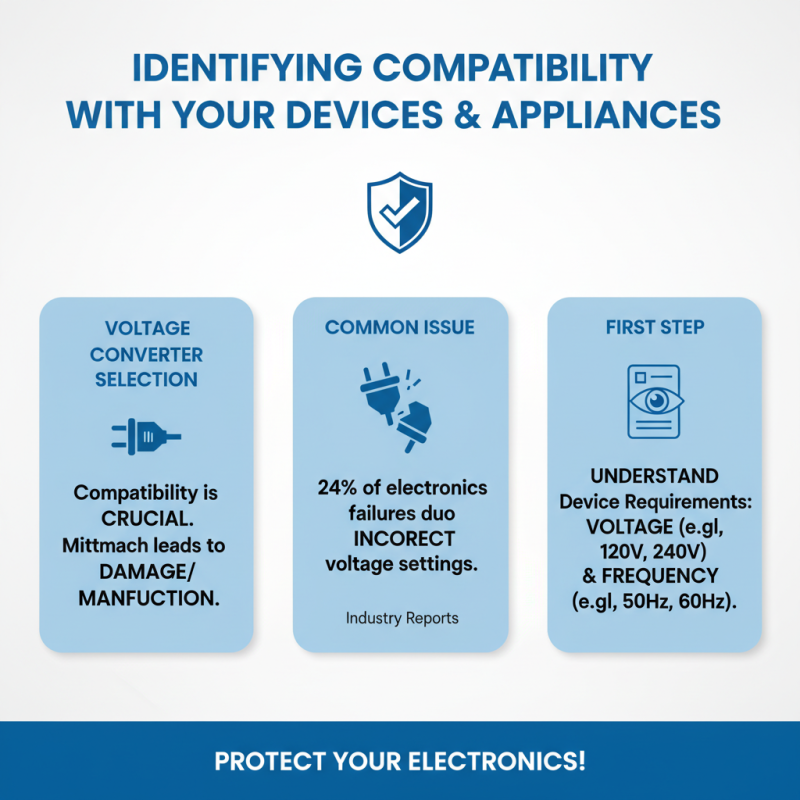
Identifying Compatibility with Your Devices and Appliances
When selecting a voltage converter, compatibility is crucial. Many devices operate on specific voltage and frequency. A mismatch can lead to damage or malfunction. According to industry reports, nearly 24% of electronics failures come from using incorrect voltage settings. Understanding your device's requirements is the first step.
Before purchasing, check the input and output voltage ratings. Common voltages include 110V and 220V. Ensure the converter can handle your device's wattage. Overloading a converter can cause overheating. For example, small appliances might need a converter rated for 1000 watts. It's worth spending time on research.
Tips: Identify your device's power needs before shopping. Double-check the specifications of your appliances. Don't assume that all converters are the same. Reliable Voltage Converter Suppliers offer a variety of options tailored to specific needs. Consider both the voltage and the frequency.
Remember, an inadequate converter can damage electronics. Consider investing in a quality converter that fits your requirements. Scrutinize any converter's ratings and reviews before buying. A thoughtful choice can prevent future headaches. Aim for longevity and compatibility in your devices.
Evaluating Conversion Efficiency and Power Loss
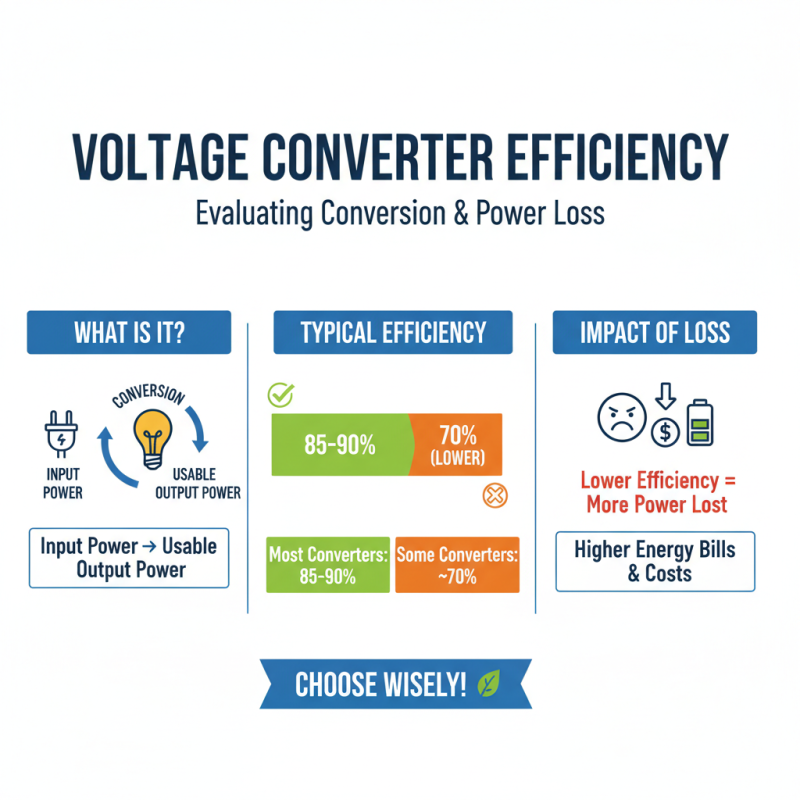
When selecting a voltage converter, efficiency is crucial. Conversion efficiency reflects how much input power is transformed into usable output power. Many converters operate around 85-90% efficiency. However, some models may dip to as low as 70%. This loss directly impacts your energy consumption and operational costs.
Power loss can be a hidden issue. In real-world terms, a converter with 80% efficiency loses 20% of its energy as heat. For a setup running 1,000 watts, this means 200 watts wasted. Analyzing these figures highlights the importance of choosing a reliable device. Companies in the industry, such as Voltage Converter Factories, emphasize durability alongside efficiency. They often provide detailed efficiency ratings in their specifications.
Consider environmental impacts too. High energy losses increase your carbon footprint. This factor drives many to rethink their power solutions. The trend is to invest in converters that prioritize minimized losses. Opting for higher efficiency converters is a long-term strategy. It not only saves money but also contributes to sustainability goals.
Safety Features to Consider in Voltage Converters
When selecting a voltage converter, safety features are crucial. A reliable converter should have overvoltage protection. This prevents damage when voltage levels exceed safe limits. Look for short circuit protection as well. This feature ensures the device shuts down in case of a fault.
Tips: Always consider the power rating. A converter must handle the wattage of your devices. If it’s too weak, it could lead to overheating or failure. Ensure the converter has a sturdy build. A flimsy design could pose risks during use.
Also, check for thermal protection. This feature stops the device from overheating. Poor ventilation can lead to dangerous situations. Additionally, read reviews to gauge real user experiences. Sometimes, the specs look good, but actual performance can be different.
Don’t rush. Choosing the right converter takes time and careful thought.
Portability and Design Considerations for Travel Use
When choosing a voltage converter for travel, portability is crucial. A compact design can save space in your luggage. Look for models that fit easily into your bag. Weight matters too. Lightweight converters are easier to carry around. You want something that won’t burden your travels.
Consider the durability of the converter. Look for sturdy materials that can withstand bumps during your journey. A sturdy design often reflects the quality. Ensure it’s easy to use without complicated settings. Simplicity is key, especially when you’re in a hurry.
Traveling can bring surprises. Sometimes, you might find yourself without an outlet. A converter with USB ports can be helpful in such situations. It allows charging multiple devices at once.
Remember, the right size and functionality can enhance your travel experience. Always reflect on what you need and make an informed choice.
Budgeting for Your Voltage Converter Purchase and Maintenance
When budgeting for a voltage converter, consider the initial purchase cost. Prices can vary significantly based on features and specifications. A basic model might be affordable, but it may not meet all your needs. Higher-end options offer more versatility but come with a larger price tag.
Don't forget about maintenance costs. Some models require regular upkeep, which can add to your overall budget. Think about where you’ll use the converter. If it's for frequent travel, invest a bit more for reliability. A more durable model might save you money in the long run. Check reviews and user experiences; they can reveal hidden maintenance issues.
It's essential to set aside an emergency fund for unexpected repairs. This might seem unnecessary at first, but it can save you from future headaches. Spending wisely is crucial. Choosing the right balance between price and quality can lead to better overall satisfaction. Reflect on your choices and adjust your budget as needed.
Voltage Converter Selection and Budgeting
Precision Voltage Transformer: Leveraging Advanced Technology for Enhanced Accuracy in Electrical Measurement Systems
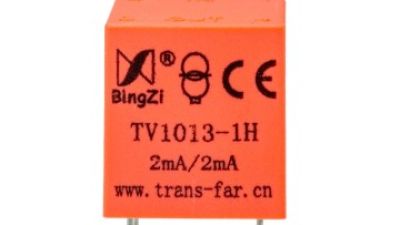
The significance of precision voltage transformers in electrical measurement systems cannot be overstated, especially in a world where accuracy is paramount. The latest advancements in voltage transformer technology have led to the development of current-type voltage transformers, which leverage the principles of current transformer technology. This innovative design results in a more compaCt Transformer that maintains superior performance characteristics while minimizing the impact on space in various electrical setups.
According to industry reports, traditional voltage-type transformers often require significant physical dimensions due to their inherent design limitations. In contrast, current-type voltage transformers have demonstrated a volume reduction of up to 50% without compromising measurement accuracy. This capability not only enhances the efficiency of electrical installations but also aligns with the growing demand for sustainable practices within the industry, as smaller devices typically consume less material and energy during production.
Furthermore, the enhanced accuracy provided by these advanced precision voltage transformers is vital for compliance with stringent regulations in power quality management. Reports indicate that inaccuracies in voltage measurement can lead to significant operational inefficiencies and increased energy costs. By adopting current-type voltage transformers, industries can ensure that their electrical measurement systems are equipped with reliable and precise technology, ultimately driving better performance and optimization in electrical infrastructure.
FAQS
: The two main types are step-up and step-down converters. Each serves a unique function.
Step-up converters boost voltage levels. They are helpful for devices that require more power.
Step-down converters lower voltage levels. This protects sensitive equipment from damage.
Using the wrong voltage can cause device malfunctions. Many devices operate at specific voltages, like 110V or 220V.
Check the wattage rating. It should exceed your device's requirements to avoid issues.
Yes, setting aside funds for unexpected repairs can prevent future inconveniences.
Some models may require ongoing maintenance. This can add to your overall expenses.
Higher-quality models can offer better reliability and durability, saving money over time.
Users often underestimate their wattage needs, leading to performance problems later.
User experiences can reveal hidden maintenance issues and guide you toward the best choice.
Conclusion
Choosing the right voltage converter involves understanding the various types and functions available, ensuring they meet your specific power requirements. It is essential to identify the compatibility of the voltage converter with your devices and appliances, as improper use may lead to damage or inefficient operation. Additionally, evaluating conversion efficiency and potential power loss is crucial for effective energy usage.
Safety features should never be overlooked, as they protect both the devices connected and the user. If you plan to travel, consider portability and design to ensure ease of transport. Lastly, budgeting for both the initial purchase and ongoing maintenance of your voltage converter will help you make a well-informed decision. By carefully assessing these factors, you can select a voltage converter that best fits your needs and provides reliable performance.