TransFar Electronics

Inquiry
Form loading...
- Phone
- E-mail
- WhatsApp
- WeiChat

TransFar Electronics
These days, with the energy world changing so fast, picking the right Voltage Converter is more important than ever—for both everyday folks and big industries. I came across a recent report from MarketsandMarkets that said the global market for voltage converters could hit around 3.5 billion USD by 2026. That growth is mainly because there's a rising need for efficient power conversion, especially with things like renewable energy setups and electric cars gaining popularity. Here at Beijing TransFar Electronics Group Co., Ltd., we really focus on designing and making high-tech stuff—like advanced current and Voltage Sensors, special transformers, and even EV charging stations. With so many different uses out there, it’s super important to really understand what you need from a converter and what features matter most. Doing your homework can make all the difference to get thebest performance and save energy in the long run.
Honestly, choosing the right voltage converter can be a bit confusing if you're not familiar with the differences between AC (Alternating Current) and DC (Direct Current). I read somewhere that from 2021 to 2026, the global market for these converters is expected to grow at around 6.5% annually, mostly because more gadgets and appliances need different voltage levels these days. So, it'll make sense to know a bit about how these two types of power work. For instance, AC voltage is what you find in your household outlets – it changes direction periodically, which makes it perfect for things like refrigerators or air conditioners. On the other hand, DC voltage supplies a steady flow of current in one direction, which is exactly what electronic devices like laptops or smartphones need to run smoothly.
Another thing to keep in mind is the voltage ratings. The National Electrical Code (NEC) recommends that appliances operate within certain voltage ranges to avoid any weird malfunctions or, worse, damage. Usually, residential AC runs around 110-120V, while many electronic gadgets use something like 5-12V DC. If you pick the wrong converter or mismatched voltage, it could cause some serious issues or even create safety hazards. So, before you buy one, it's super important to know whether your device needs AC or DC power and what voltage it’s designed for. That way, you’re good to go and won’t run into any nasty surprises!
| Voltage Converter Type | Input Voltage (V) | Output Voltage (V) | Power Capacity (W) | Usage Applications |
|---|---|---|---|---|
| AC to DC Converter | 110V - 240V AC | 5V - 24V DC | 30W | Charging USB devices, LED strips |
| DC to AC Inverter | 12V - 48V DC | 110V - 240V AC | 300W | Powering home appliances, tools |
| Step Up Transformer | 110V AC | 220V AC | 500W | Using appliances overseas |
| Step Down Transformer | 240V AC | 110V AC | 1000W | Using US appliances in Europe |
| Multi-Voltage Adapter | 100V - 240V AC | Multiple DC outputs | 60W | Traveling with various devices |
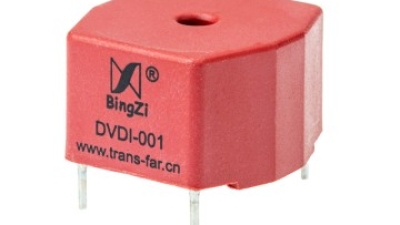
In the realm of power measurement, precision is paramount, and the DVDI Series Miniature Precision AC Transformers are setting a new standard. Specifically, the DVDI-001 model stands out as an innovative solution designed to enhance measurement accuracy in various applications. With its horizontal through-core structure, this transformer can be effortlessly soldered onto printed circuit boards, making it an ideal choice for compact and efficient designs.
The versatility of the DVDI-001 is one of its most compelling features. As a voltage transformer, it effortlessly handles AC voltage measurements up to 1000V, catering to a wide array of operational needs. On the other hand, as a current transformer, it can measure AC currents up to 20A, offering multiple ratio outputs to suit diverse requirements. This dual functionality not only simplifies the complexity of power measurement but also allows engineers to integrate it seamlessly into their systems, ultimately bringing more efficiency and reliability to their projects.
With the DVDI-001, professionals in various fields can expect increased accuracy and flexibility in their power measurement tasks. This miniature transformer exemplifies how advanced technology can revolutionize our approach to electrical measurement, providing a robust solution that meets the evolving demands of modern applications.
: You can identify your device’s power consumption needs by checking the specifications, where nearly 70% of devices have their power requirements listed. This will help you determine the wattage that your voltage converter must handle.
Continuous wattage refers to the maximum load the converter can handle over an extended period, while peak wattage indicates short bursts of energy needed during startup or specific functions.
It's recommended to select a converter that exceeds your device's wattage by at least 20% to ensure reliable performance and to prevent overheating and damage.
There are various types of voltage converters, including non-isolated DC–DC converters and transformerless quadratic buck-boost converters, which are known for their efficiency and suitability for integrated systems.
Understanding the differences is critical, especially when traveling between regions with different electrical systems, as adapters and converters help ensure that your devices can handle varied voltage levels and plug shapes.
The growing demand for energy-efficient solutions leads to innovations, like those from Beijing TransFar Electronics Group, aimed at improving energy management in various systems.
Picking the right voltage converter is pretty important if you want your gadgets to work safely and efficiently. The first thing to get straight is whether your device needs AC or DC power — they’re not all the same, after all. Knowing what your devices actually require in terms of power is super helpful so you can choose the right converter without any hassle.
Then, it’s a good idea to check out the different types of voltage converters out there. Each one has its own features, so think about what suits your needs best. When you’re making a choice, keep an eye on things like wattage capacity, how efficient it is, and whether it’s got safety certifications. These little details make a big difference in making sure you get something reliable. Oh, and don’t forget—taking care of your converter and sticking to safety standards will help it last longer. That way, it’s definitely a solid investment for all your electrical stuff. By the way, at Beijing TransFar Electronics Group Co., Ltd., we focus on top-quality voltage converters and related tech, making sure our customers get the best solutions for whatever they need.