Inquiry
Form loading...
0%

In today’s fast-changing world of energy management and usage, how well our Core Balance Current Transformers perform and how closely they follow the rules honestly matter a lot. You see, making sure these components work properly is key to keeping electrical systems safe and running smoothly. According to the International Energy Agency, keeping a close eye on electrical loads isn't just about safety — it can actually cut down on energy wastage and boost overall efficiency. Now, Beijing TransFar Electronics Group Co., Ltd., a pretty innovative high-tech company focused on creating new energy sensors and parts, stresses just how important it is to check these transformers thoroughly to make sure they meet tough industry standards. This ultimate guide is basically your go-to checklist for assessing how well your Core Balance Current Transformers are doing. It’s designed to make sure they not only tick all the regulatory boxes but also play a part in pushing renewable energy forward and helping develop smarter grid tech.
Essential Checklist for Evaluating Core Balance Current Transformer Performance and Compliance

Key Performance Indicators for Core Balance Current Transformers

When you're assessing core balance current transformers (CBCTs), there are a few key things you really want to keep an eye on to make sure they work properly and play by the industry rules. The performance of these transformers can actually make a big difference when it comes to electrical safety and protecting your gear. Usually, folks look at things like ratio accuracy, phase displacement, and how they handle different loads. According to IEEE reports, having a ratio that’s off by less than 0.5% is pretty much a must for dependable performance.

Tip 1: Make sure to calibrate your CBCTs regularly. It’s best to check them at least once a year so their ratio accuracy stays within those tight limits. Trust me, it’s worth the effort.

Another thing that really matters is the operational range. Your CBCT should be able to handle the load conditions you expect in your system. Studies show that for fault detection and protection to be accurate, these transformers need to work well across various load levels. Plus, don’t forget about their pulse response time — the faster they react, the better they can prevent damage during faults.

Tip 2: Setting up a solid maintenance routine can really extend the life of your CBCTs and keep them reliable. That way, you’re less likely to have unexpected failures, and they’ll stay performing up to snuff.
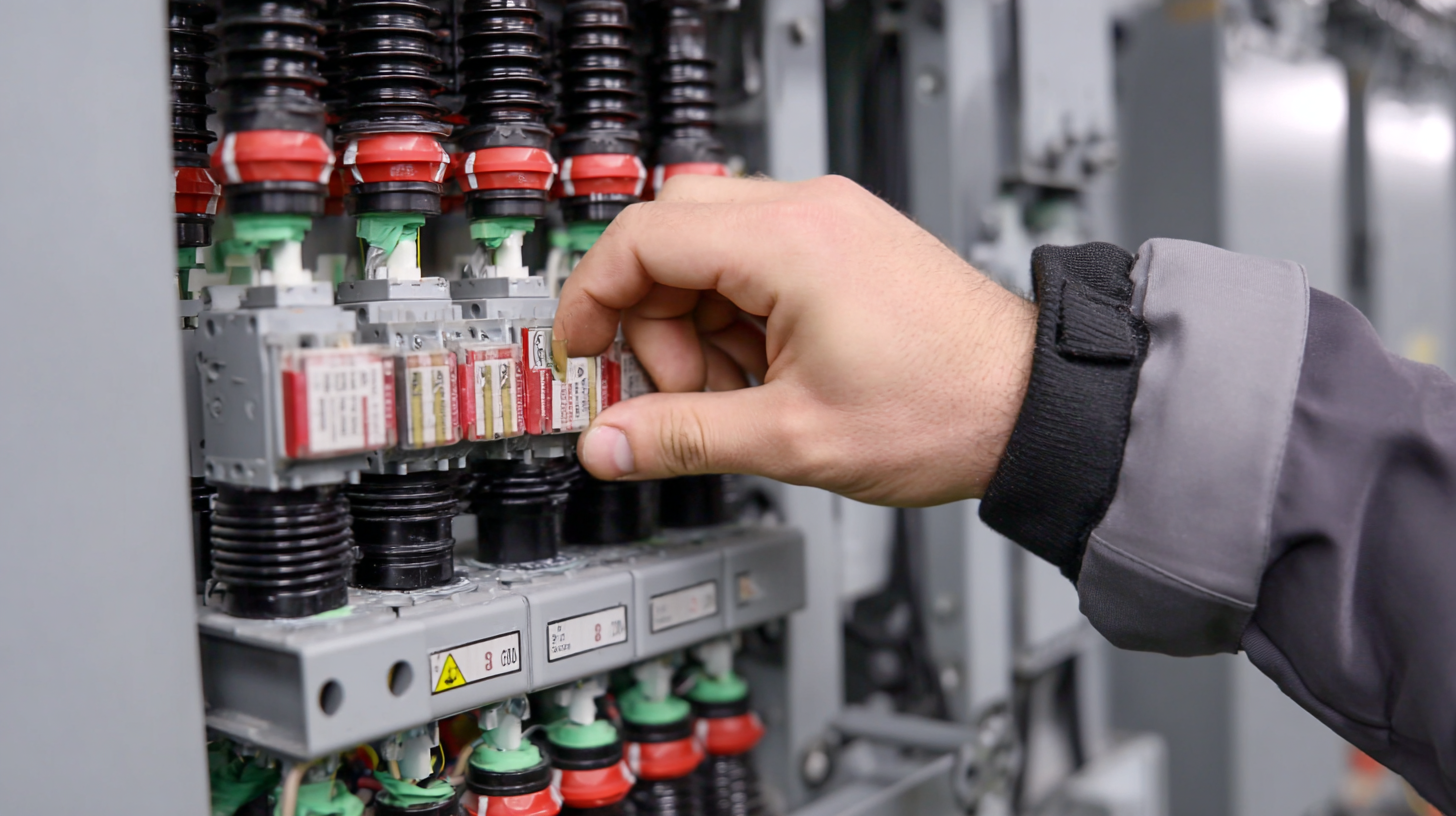
Essential Checklist for Evaluating Core Balance Current Transformer Performance and Compliance

Understanding Compliance Standards for Electrical Equipment

When it comes to keeping electrical equipment safe and running smoothly, sticking to the right standards is super important. Lately, new rules around low-voltage power distribution have made it clear just how crucial it is to install electrical systems that meet safety requirements. This is especially true for small and medium-sized businesses—these guys often struggle to keep up with the latest regulations. Not only do these standards help protect folks who use the equipment, but they also create a safer work environment by cutting down on risks like electric shocks and fires.

When we're talking about specialized gear, like current transformers, following the rules becomes even more critical—particularly for companies making medical devices. The IEC 60601 standard sets the safety basics for medical electrical tools, making sure they’re safe and reliable for patients. With agencies like ZCSA cracking down on products that don’t meet standards, it’s clear that regulatory bodies are serious about safety. Companies such as Beijing TransFar Electronics Group Co., Ltd. are doing their part, developing innovative tech that meets all these tough requirements. In turn, they help make electrical installations and the products we rely on safer for everyone.

Core Balance Current Transformer Performance Evaluation

This chart displays the performance evaluation metrics for Core Balance Current Transformers based on compliance standards. The metrics include accuracy, response time, and operational temperature ranges.

Common Performance Issues in Core Balance Current Transformers

When you're looking at how well Core Balance Current Transformers (CBCTs) are working, it’s really important to be aware of some common issues that could trip things up. One of the biggest problems is core saturation – that’s when the transformer's core gets overloaded, which can lead to pretty inaccurate readings and could even affect safety. Saturation tends to happen if the transformer is hit with too much current, like from ground faults or overloads. So, making sure you choose the right size and type of transformer based on your load requirements is super crucial.

Another thing to watch out for is phase displacement between the primary and secondary currents. If this gets out of whack, it can mess with your relay settings, sometimes causing it to trip when it shouldn’t, or worse, not trip when there’s a real fault. Regular calibration and testing are key here – they help catch these kinds of issues early, so your transformer can perform reliably under different conditions.

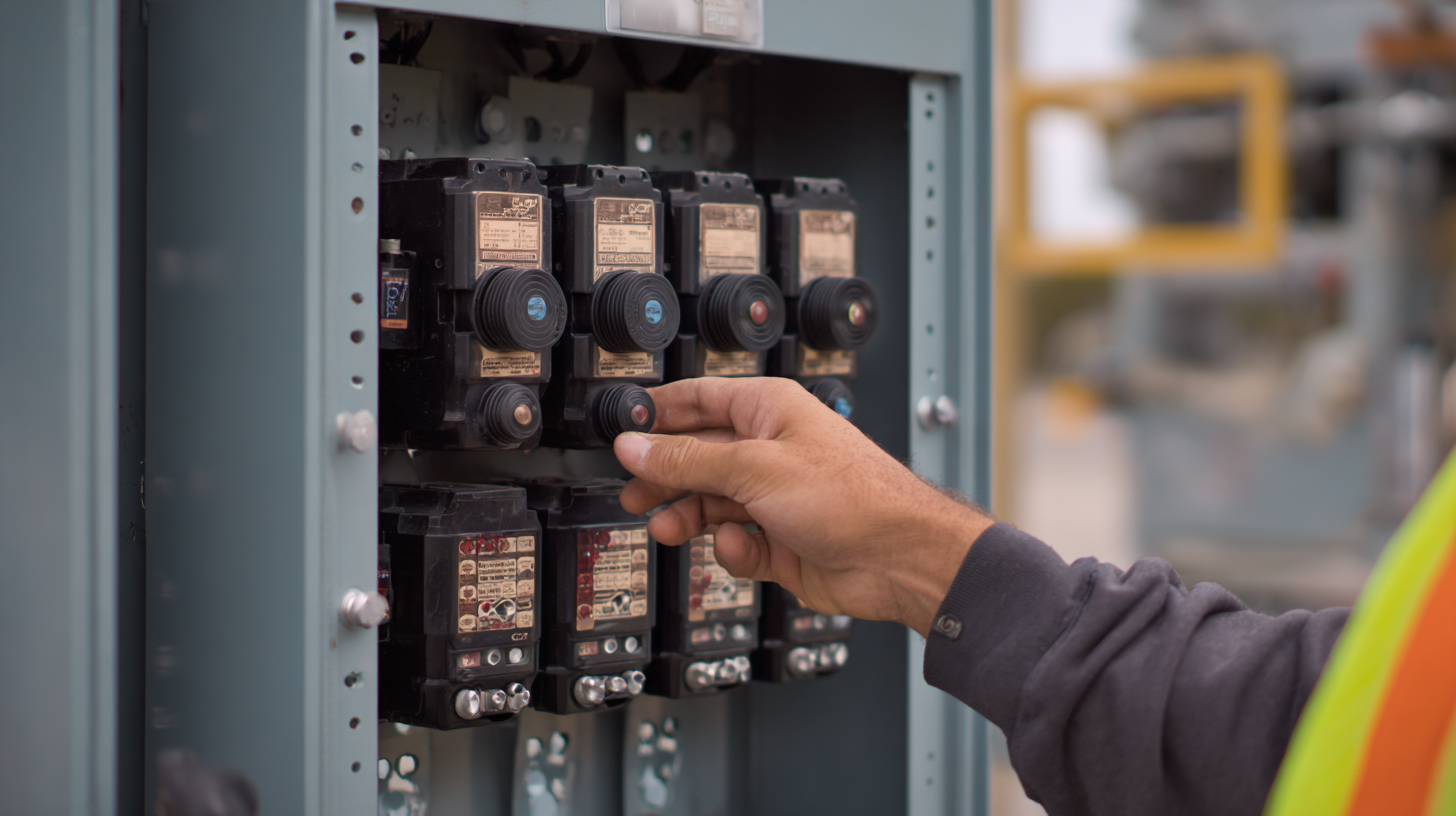
A few tips: don’t forget to do routine maintenance checks for any physical damage or signs of wear on the CBCT. It’s also a good idea to run specialized tests, like the ratio test, to see if everything’s within standard parameters. And, keep good records of your performance data over time. Tracking trends can really help spot potential problems before they become major issues.

Essential Checklist for Evaluating Core Balance Current Transformer Performance and Compliance

Future Technological Innovations in Current Transformer Design

Looking ahead at the future of current transformer design, it’s pretty exciting to see how new tech innovations are about to shake things up—especially when it comes to performance and meeting standards. One of the coolest advancements lately is the integration of smart sensor tech. These sensors can monitor things in real time and crunch data, so operators can catch issues early on—long before they turn into big, costly failures. That’s a game-changer for making power systems more efficient and cutting down on unexpected downtimes.

When you're checking out new transformer models, it’s worth looking for ones with IoT features. They can give you predictive insights that make maintenance way easier and keep your system running smoothly.

Another hot area of innovation is the use of advanced materials in transformer construction. Manufacturers are experimenting with new dielectric substances and magnetic cores that boost efficiency, handle heat better, and even shrink the size of transformers. This not only helps you stay compliant with standards but also extends the overall lifespan of the equipment.

Pro tip: Keep an eye out for lightweight materials and more compact designs in the latest models. They’re usually easier to install and cheaper to transport, all without skimping on performance.

Best Practices for Regular Maintenance and Testing

Taking good care of and regularly testing your core balance current transformers (CTs) is super important if you want them to work reliably and stay within safety standards. It’s all about catching potential issues early on—especially in demanding environments—so things don’t spiral into bigger problems down the line. Following best testing practices can really make a difference too, helping these devices run smoothly. Simple routine checks like insulation resistance tests and making sure the phases line up should be part of your normal maintenance routine to keep everything running at its best.

But hey, it’s not just about the routine stuff. Staying up-to-date with new technology and safety rules is equally important because they can really impact how well your transformer assessments go. For instance, advancements in AI tech, mentioned a lot by industry folks, show that we need to keep evolving our testing methods. Also, keeping an eye on industry guidelines and sticking to proper safety measures can help cut down on risks—like false alarms from EPIRBs—which could mess up safety procedures, especially in maritime settings. So, if organizations put a priority on regular upkeep and follow best practices, they can make sure their core balance CTs perform well and stay compliant with changing regulations.

Evaluating the Impact of Core Balance Transformers on System Safety

Understanding how core balance transformers (or CBTs) impact system safety is actually pretty important when you’re managing electrical setups. So, I came across a report from the International Electrotechnical Commission that said roughly 30% of electrical failures in industrial environments are due to bad insulation or ground faults—that’s a big chunk. Now, that’s where core balance transformers really come in handy. They help improve safety by catching those earth faults early on, which means fewer accidents or damage down the line. They keep an eye on unbalanced currents all the time, so if something’s off, they send out an alert to the operators — giving them a chance to fix things before it gets worse.

Also, according to the National Fire Protection Association, electrical failures are still a leading cause of fires at industrial sites—accounting for about 20% of the incidents. Choosing to include core balance transformers in your electrical systems can really cut down on that risk. Their quick fault detection isn’t just about protecting the equipment—it’s about safeguarding people too. That’s why they’re pretty much a must-have in modern electrical safety measures. Making sure these transformers meet the right rules and work well isn’t just some bureaucratic thing; it’s a key part of staying proactive about safety overall.

Harnessing Power: The Benefits and Applications of Voltage Output Type Current Transformers

Voltage output type current transformers (CTs) play a crucial role in modern electrical applications by converting current input into a easily manageable voltage output. This feature not only enhances the usability of current measurements but also supports the integration of these signals into various monitoring and control systems. With a frequency response range from 20Hz to 20KHz, our current transformers are designed to cater to a broad spectrum of applications, ensuring optimal performance across industries such as industrial automation, renewable energy, and electrical safety systems.

One of the standout benefits of voltage output CTs is their ability to effectively suppress fast transient pulse signal interference that may arise from the primary current. This interference can compromise measurement accuracy and system reliability, particularly in environments with fluctuating loads or electronic noise. By leveraging advanced design techniques, our CTs maintain signal integrity, ensuring precise readings and reliable operational data. Furthermore, with a variety of product parameter options, we accommodate both active and passive input methods, allowing for versatility in deployment across different operational scenarios and settings.

Industry reports indicate a growing demand for efficient measurement solutions, with the current transformer market projected to reach USD 1.2 billion by 2025. This growth underscores the critical need for innovative products that deliver superior performance while minimizing disruptions caused by electromagnetic interference. By investing in high-quality voltage output type current transformers, businesses can enhance their operational efficiency and make informed decisions based on accurate and stable measurements.

FAQS

: What are compliance standards for electrical equipment?

: Compliance standards for electrical equipment are established regulations that ensure safety and performance, minimizing risks such as electrical shocks and fire hazards.

Why is compliance with electrical standards important for MSMEs?

Compliance with electrical standards is crucial for MSMEs because they may face challenges in adapting to new regulations, which are vital to protect end-users and create a safer manufacturing environment.

What is the significance of the IEC 60601 standard in the medical device sector?

The IEC 60601 standard provides essential safety principles for medical electrical equipment, ensuring that the products are reliable and safe for patient use.

What are common performance issues associated with Core Balance Current Transformers (CBCTs)?

Common performance issues with CBCTs include core saturation, which leads to inaccurate readings, and phase displacement between primary and secondary currents, affecting protective relay settings.

How can core saturation in CBCTs be prevented?

Core saturation can be prevented by ensuring proper sizing and selection of the transformer according to the load current requirements.

What measures can be taken to address phase displacement issues in CBCTs?

Regular calibration and testing can help identify and rectify phase discrepancies, ensuring effective operation of the transformer under various conditions.

What routine maintenance should be conducted for CBCTs?

Routine maintenance checks should be performed to identify physical damage or wear in the CBCT, along with utilizing appropriate testing methods like the ratio test to evaluate performance.

How can performance data be utilized for CBCTs?

Keeping records of performance data for trend analysis can provide insights into potential issues before they manifest significantly, aiding in preventive maintenance.

What role do companies like Beijing TransFar Electronics Group Co., Ltd. play in compliance?

Companies like Beijing TransFar Electronics contribute to safety in electrical installations by developing advanced technologies that meet rigorous compliance criteria.

What actions are regulatory bodies taking regarding non-compliant electrical products?

Regulatory bodies, such as the ZCSA, are taking significant actions against non-compliant products to enforce safety standards in the electrical equipment sector.

Conclusion

When it comes to electrical safety and making sure things run smoothly, the Core Balance Current Transformer, or CBCT, really is a key player. In this post, I’m sharing a handy checklist to help you evaluate how well your CBCT is performing and whether it’s up to standard. We’ll focus on the main performance points that show how effective these devices really are. It’s super important to understand the safety standards they need to meet—otherwise, you might run into issues that could mess up their proper functioning.

On top of that, I’ll also touch on some exciting future tech trends in current transformer design. These new innovations could boost their reliability and make them even more capable. By sticking to best practices for regular checks and maintenance, you can keep your CBCTs in top shape. And don’t forget—thinking about how these transformers impact overall system safety really highlights why they’re so vital in today’s electrical setups. For companies like Beijing TransFar Electronics Group, which work with advanced electrical components, getting a good grip on all this stuff is crucial for pushing tech forward in the energy world.
Lila

Lila

Lila is a dedicated marketing professional at Beijing Chuang Sifang Electronic Group Co., Ltd., where she leverages her extensive knowledge of the company's innovative products to drive engagement and awareness. With a keen understanding of the electronics industry, Lila plays a crucial role in......
Previous Exploring the Benefits of Current Transformers for Efficient Energy Management