When it comes to electrical engineering and managing energy, picking the right sensing equipment is pretty essential if you want things to run smoothly. Out of all the sensors out there, the Core Balance Current Transformer (or CBCT, if you prefer) really stands out as a key player in keeping tabs on electrical currents effectively.
Here at Beijing TransFar Electronics Group Co., Ltd., we’re proud to be a high-tech company that focuses on researching, designing, manufacturing, and servicing the latest in energy sensors—like CBCTs. In this blog, I want to walk you through the different types of Core Balance Current Transformers you can find on the market and share some tips on choosing the best one for your specific needs.
Once you get a grip on the features and advantages of each kind, you'll be better equipped to boost safety, reliability, and efficiency in your electrical setups.
Understanding the Basics of Core Balance Current Transformers
Core balance current transformers, or CBCTs for short, are pretty crucial in the world of electrical engineering. You can think of them as the watchdogs in electrical systems—they keep an eye on the current differences between live and neutral wires, which makes them super helpful in catching earth faults early on. If you’ve been reading industry reports, like those from the IEC, you’ll see that the need for smarter protection devices like CBCTs isn’t slowing down. In fact, it’s expected to grow at about 6.5% annually over the next five years — all thanks to more investments in power infrastructures and tighter safety requirements.
Getting a handle on how CBCTs work isn’t too complicated. Basically, they usually have a toroidal core wrapped around the cables. This setup helps them pick up even tiny current imbalances. According to the Electrical and Electronics Engineers association, these little devices can detect faults as small as 30 milliamps—that’s pretty impressive! This quick detection means systems can respond faster, really cutting down the risks of electrical issues spiraling out of control. With energy use on the rise and safety more important than ever, picking the right CBCT isn’t just a geeky detail—it’s vital for engineers and facility managers who want things to run smoothly and safely.
Core Balance Current Transformer Types
This bar chart illustrates the various types of Core Balance Current Transformers (CBCT) based on their applications and characteristics. Understanding these types will assist in optimal selection for specific uses.
Key Types of Core Balance Current Transformers Explained
Core Balance Current Transformers, or CBCTs for short, are pretty crucial when it comes to electrical safety and protecting power systems. Within this group, you'll find a few main types, each designed for specific needs. The most common ones are the toroidal current transformer, the split-core version, and the solid-core kind. According to a report from Mordor Intelligence, the global market for CBCTs is expected to grow around 7% annually from 2021 to 2026. That trend really shows how more industries are starting to rely on these gadgets.
The toroidal current transformer is pretty popular because it's small, sensitive, and great at spotting earth faults — perfect for tight spaces in industrial setups. Then there’s the split-core type, which is super handy for retrofitting existing systems since it’s easy to install without needing to shut everything down. People in maintenance love it! And the solid-core transformers? They’re built tough, extremely reliable, and mainly used in high-voltage situations where durability and accuracy are critical.
As energy efficiency becomes more of a focus and protection schemes get more advanced, choosing the right CBCT can really make a difference in keeping things safe and running smoothly.
All in all, these transformers might not be the most glamorous part of electrical systems, but trust me, they’re absolutely vital for ensuring everything works safely and efficiently.
Comparing Measurement Techniques for Core Balance CTs
Core Balance Current Transformers (CTs) are pretty essential when it comes to accurately measuring electrical parameters. Knowing the different measurement techniques is really key if you want to choose and use them effectively. When you compare the traditional electromagnetic methods with newer micro-CT tech, you start to see some exciting possibilities for better performance. For example, recent studies have shown that micro-CT scans—kind of like the high-res imaging used in medicine—can give you detailed info about the size and features of electrical components. That, in turn, can really help make CT operations more efficient.
On top of that, there's interesting research showing how precise measurement techniques are important not just in electricity, but also in medical fields—like when trying to figure out how severe a patient’s Acute Respiratory Distress Syndrome (ARDS) is. One report mentioned that gaining accurate measurements of something called recruitability can be a game-changer for customizing treatments and getting better results for patients. Similarly, advanced imaging techniques can also be used to better understand old building materials, like historic bricks. This helps reveal details about porosity and structural health, which are vital for maintaining and preserving electrical equipment and infrastructure over the long haul. All these advances really highlight how adopting innovative measurement methods—whether in medicine or electricity—is crucial for making improvements and ensuring we pick the best solutions.
Unveiling Core Balance Current Transformer Types for Optimal Selection - Comparing Measurement Techniques for Core Balance CTs
| CT Type | Measurement Technique | Advantages | Typical Applications |
| Core Balance CT | Differential Measurement | High accuracy in detecting earth faults | Industrial plants, data centers |
| Split-Core CT | Clamp Meter Technology | Easy installation and maintenance | Retrofit installations, monitoring |
| Rogowski Coil CT | Integrative Measurement | Wide bandwidth, lightweight | Transient measurement, research labs |
| Shielded CT | Inductive Measurement | Reduced stray field interference | Substations, critical infrastructure |
Factors Influencing the Selection of Core Balance Current Transformers
Choosing the right core balance current transformer (CBCT) isn't exactly a walk in the park—there are quite a few factors you want to consider to make sure you pick the best one for your needs. First up, think about where you'll actually use it. The environment really matters—things like whether you're working in a tough industrial setting or just doing some residential work can totally change what features you need. For example, in harsher industrial environments, you'll want a transformer that's built tough and resistant to the elements. But if it’s for a home or small business, size and price might be more important.
Another big thing is the current rating and how sensitive the CBCT needs to be. You’ve gotta figure out the maximum fault currents it might face and what its operational limits are. Picking a model with the right sensitivity? That’s key because it helps detect current imbalances quickly. When it does its job well, it can trigger safety measures fast—saving your equipment from damage and avoiding electrical mishaps. And hey, don’t forget about making sure it plays nicely with your existing setup and meets all the necessary standards. That way, everything runs smoothly, and you won’t run into licenses or compatibility headaches down the line.
Applications and Benefits of Different Core Balance CT Types
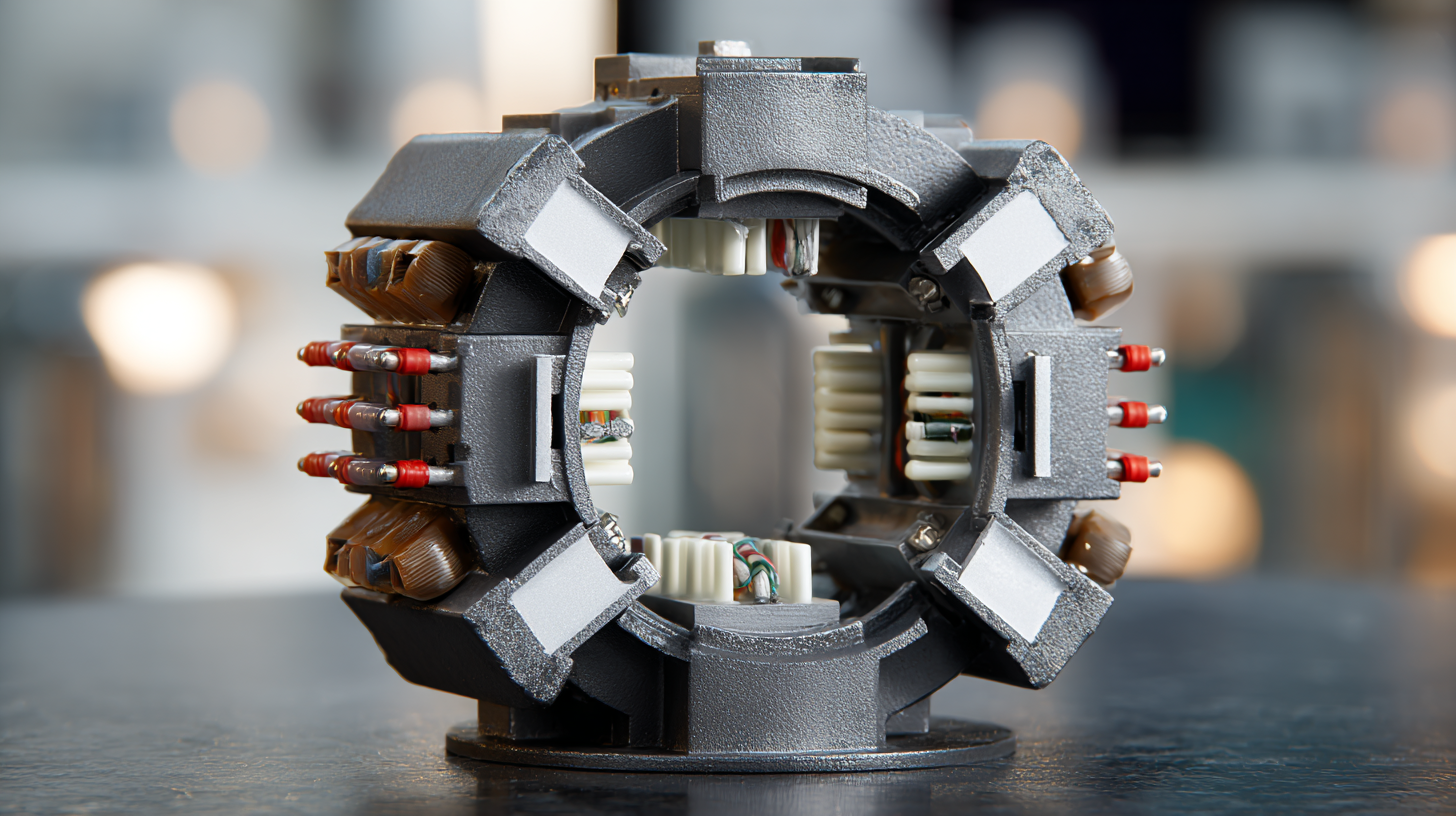 Core balance current transformers, or CTs for short, are super important when it comes to keeping electrical systems running smoothly and safely. There are different kinds of core balance CTs out there, each designed for specific jobs. Some are great for making installations easier—like split-core CTs, which are perfect if you're trying to add them onto existing setups without too much hassle. On the flip side, solid-core CTs tend to give you better accuracy, especially when dealing with high currents. So, choosing the right type really depends on what you're aiming for.
Now, with us relying more and more on energy storage tech—think batteries and other solutions—to help boost renewable energy and cut down on emissions—picking the correct core balance CT becomes even more crucial. These little gadgets don’t just monitor power quality; they also help us optimize energy use and support sustainable policies. Basically, by selecting the right CTs, organizations can better tackle their specific challenges and contribute to a greener planet, all while making their energy systems more efficient and reliable. It’s all about the right tool for the right job, really.
Common Challenges and Solutions in Core Balance Current Transformer Use
Core balance current transformers (CBCTs) play a pretty crucial role in electrical systems, especially when it comes to earth fault protection. But, let’s be real — users often run into some common issues that can really throw a wrench in their proper functioning. One of the biggest problems? Calibration. If the settings are off, you might get those annoying nuisance trips, or worse, miss actual faults altogether. To avoid that mess, it’s a good idea to regularly calibrate and test your CBCTs. And it definitely helps to have a systematic way of keeping an eye on their performance, especially when loads change.
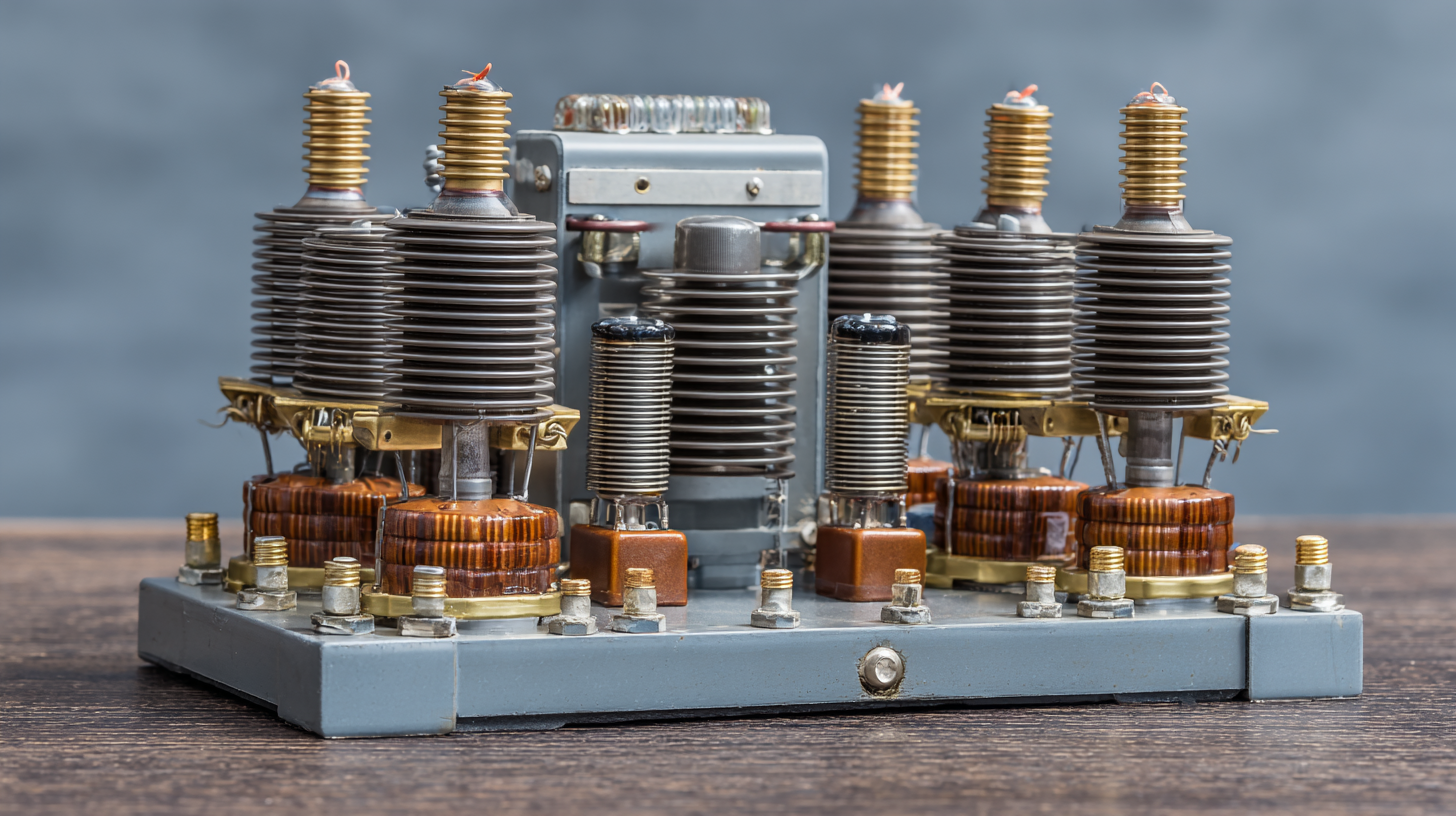
Another thing to watch out for is keeping the environment stable. Temperature swings and electromagnetic interference can mess with the readings, causing inaccuracies. So, stuff like installing them away from hot spots and shielding against interference can really make a difference. Going digital with monitoring systems is also a game-changer — they provide real-time data, so you can spot issues early and make quick adjustments.
And don’t forget — understanding what your specific application needs is key. Picking the right kind of CBCT based on the environment and requirements can seriously improve performance. It’s always a good idea to chat with experienced pros who can help evaluate your setup. In the end, taking these steps helps ensure your CBCTs work reliably and efficiently, keeping your electrical system running smoothly.
FAQS
: Core Balance Current Transformers (CBCTs) are devices used in electrical safety and power system protection, playing a crucial role in detecting imbalances in electrical currents.
The main types of CBCTs include toroidal current transformers, split-core current transformers, and solid-core current transformers, each designed for specific operational needs.
Toroidal current transformers are favored for their compact design and high sensitivity, making them particularly effective in detecting earth faults in space-constrained industrial settings.
Split-core current transformers are easy to install and ideal for retrofitting existing systems, making them popular among maintenance personnel.
Solid-core current transformers are known for their robustness and reliability, making them essential in high-voltage applications where durability and precision are critical.
The global market for core balance current transformers is expected to grow at a CAGR of 7% from 2021 to 2026, indicating increasing adoption across various sectors.
Important factors include the application environment, current rating and sensitivity, and regulatory standards to ensure proper integration and compliance.
Advanced measurement techniques, such as micro-CT technology, can enhance the precision in assessing electrical components, thereby improving the efficiency of CBCT operations.
Understanding regulatory standards is important to ensure that the chosen CBCT is compatible with existing electrical infrastructure and complies with safety guidelines.
Conclusion
Hey there! So, in our recent blog titled "Unveiling Core Balance Current Transformer Types for Optimal Selection," we really dig into what Core Balance Current Transformers (CBCTs) are all about and why they matter in today’s electrical setups. Honestly, understanding the different types of CBCTs and how to measure them is pretty key if you're trying to pick the right one for your specific project. We also chat about what factors, like accuracy and environmental conditions, can influence your choice—hoping to help engineers and tech folks make smarter decisions.
Plus, we highlight various applications and the real benefits of each CBCT type, emphasizing how crucial they are for keeping systems safe and reliable. We don’t shy away from the common challenges folks run into when working with CBCTs either, and we offer some practical solutions to help you navigate those issues. At Beijing TransFar Electronics Group Co., Ltd., we're all about boosting the performance and reliability of new energy sensing tech—that’s what we do, and we’re proud to be part of this exciting industry.