The 'Current Of Transformer' is honestly a pretty big deal when it comes to how well these devices perform and how efficiently they work. Think of transformers as the backbone of our electrical systems — they handle voltage regulation and get energy where it needs to go. If you really want to keep everything running smoothly, understanding the current flowing through these things is key. It helps us fine-tune their operation, cut down on energy losses, and keep them reliable — whether we're talking about industrial power setups or renewable energy projects.
In electrical engineering, the link between current and transformer performance isn’t just straightforward — it’s pretty complex. How the current behaves inside a transformer impacts not only its thermal performance but also influences what materials and designs we choose. When engineers look into how current flows, they can spot potential problems early, like overheating. Overheating can cause insulation to fail and shorten the lifespan of the transformer, which nobody wants. So, taking the time to analyze and measure the current isn’t just a technical task — it’s essential for keeping these vital components healthy and working efficiently.
In this discussion about the 'Current of Transformer,' we’ll explore how it impacts overall performance. We’ll see why keeping the current at the right levels can make a big difference in how long the transformer lasts and how well it does its job. As we dig into how current flows in transformers, I’ll share some insights that can help engineers and operators make smarter choices. Ultimately, it’s all about strengthening the resilience and boosting the efficiency of our electrical systems for good.
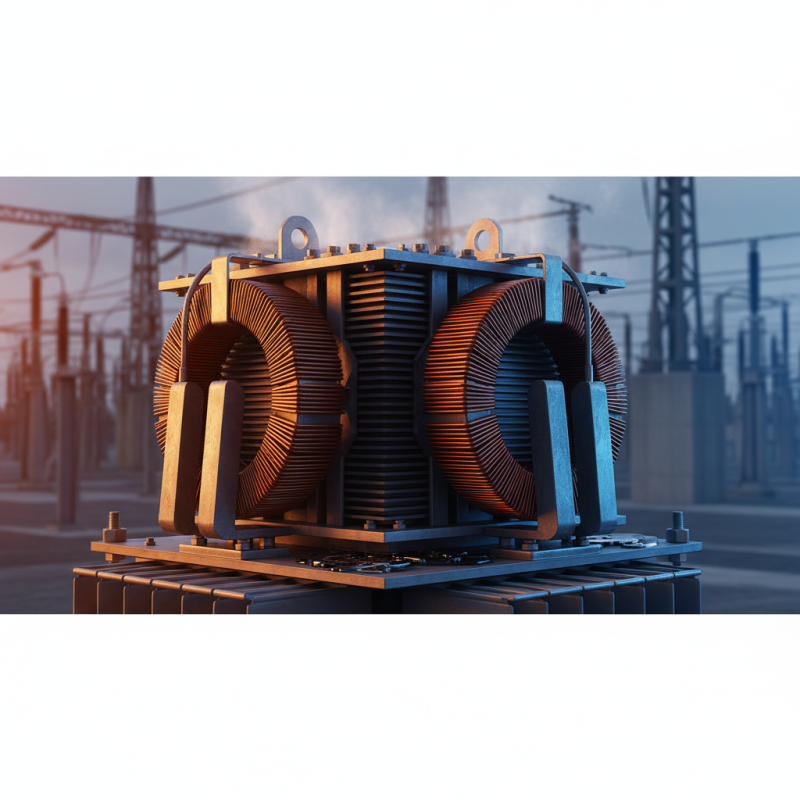
Understanding Transformer Current: Definition and Importance
Understanding transformer current is essential for evaluating the performance and efficiency of electrical systems. Transformer current refers to the flow of electric charge through a transformer, which is crucial for its operation. This current can be classified into primary and secondary currents, corresponding to the input and output sides of the transformer, respectively. The amount of current a transformer can handle directly influences its capacity to convert voltage levels while maintaining the integrity of the electrical supply.
The importance of monitoring transformer current cannot be overstated. Variations in current can indicate potential issues, such as overloading or inefficiencies within the system. A transformer operating at or beyond its rated current capacity may experience overheating, leading to insulation breakdown and reduced lifespan. Additionally, understanding current behavior helps in optimizing transformer design and integrating protective measures, ensuring long-term reliability in various applications. Overall, maintaining a close watch on transformer current is vital for efficient energy management and preventing costly downtimes.
Types of Currents in Transformers: Primary, Secondary, and Load Current
In transformers, understanding the types of currents—primary, secondary, and load current—is crucial for evaluating their operational efficiency and performance. The primary current is the input current drawn from the Power Supply, which flows through the primary winding. This current is essential as it energizes the transformer, creating the magnetic field required for transferring energy to the secondary side. The magnitude of the primary current depends on the power rating of the transformer and the voltage applied, influencing the overall performance and efficiency of the device.
The secondary current, on the other hand, is the output current available at the secondary winding, which delivers power to the connected load. This current is determined by the load impedance and the transformer's turns ratio, which dictates how voltage and current are altered during the energy transfer process. Lastly, load current represents the actual current consumed by the connected devices or systems. It varies according to the load demand, directly impacting the secondary current and, consequently, the behavior of the primary current. An understanding of these currents allows for better management of transformer performance, ensuring optimal operation within specified parameters.
Factors Affecting Transformer Current: Voltage, Load, and Impedance
The current in a transformer is influenced by several critical factors, namely voltage, load, and impedance. Voltage plays a pivotal role in determining the amount of current that will flow through the transformer, as it is directly related to the power being transformed. An increase in voltage generally leads to a proportional increase in current, which can affect the overall performance and efficiency of the transformer. Understanding this relationship is essential for optimizing transformer design and operation.
Load also significantly impacts transformer current. When the load increases, the transformer must supply more power, which results in increased current flow. However, excessive loading can lead to overheating and potential damage to the transformer, making it crucial to ensure that the transformer operates within its specified load limits.
Tips: Regular maintenance checks can help identify issues caused by excessive load, allowing for timely interventions that prevent transformer failure. Additionally, monitoring the load during peak times can provide valuable data to manage and optimize transformer performance effectively.
Impedance is the resistance to the flow of current within a circuit, and in transformers, it is influenced by the winding configurations and core materials. A high impedance can limit the current flow, which is beneficial for protecting the system from overload conditions. Understanding how impedance interacts with voltage and load is essential for ensuring the transformer functions efficiently.
Tips: Implementing impedance matching techniques can enhance overall system performance while minimizing losses and improving stability. Keeping an eye on impedance levels can help in making informed decisions regarding transformer settings and configurations.
Transformer Current and Its Performance Factors
This chart represents how transformer current varies with different factors: voltage, load, and impedance. Each factor has a significant influence on the overall performance of the transformer, affecting its efficiency and operational capabilities.
Impact of Transformer Current on Efficiency and Power Losses
The performance of transformers is heavily influenced by the current flowing through them, which directly affects their efficiency and power losses. According to the Electric Power Research Institute (EPRI), transformer losses can be categorized into two primary types: no-load (core) losses and load (copper) losses. No-load losses occur when the transformer is energized but not supplying any load, while load losses arise from the resistive heating in the windings as current flows through them. Research indicates that on average, load losses can account for up to 80% of a transformer's total losses under full load conditions.
The current in a transformer has a significant impact on these losses. As the load increases, the current drawn grows proportionately, leading to heightened copper losses that can dramatically reduce overall efficiency. Notably, the International Electrotechnical Commission (IEC) reports that efficiency can drop by as much as 2% for each 10% increase in current load beyond the transformer's rated capacity. This relationship underscores the importance of optimizing transformer operation, ensuring that they operate close to their rated capacities to minimize losses and maximize efficiency. Additionally, maintaining the correct transformer sizing can significantly mitigate the adverse effects of excessive current, thereby enhancing overall system performance and reliability.
Transformer Ratings: How Current Influences Capacity and Sizing
The current of a transformer plays a pivotal role in determining its performance and efficiency. Current, defined as the flow of electric charge, directly influences a transformer's capacity and sizing. A transformer is rated based on its maximum current-carrying capability, which is critical for ensuring safe and reliable operation. When selecting or designing a transformer, understanding how current influences the overall capacity is essential. Higher current ratings typically indicate that the transformer can handle larger loads without overheating, thereby ensuring optimal performance during peak operational demands.
Tips: When assessing transformer capacity, consider the application's specific load requirements. It is often beneficial to use a transformer that operates comfortably below its maximum rated current to enhance longevity and reduce heat buildup. Additionally, always factor in potential future load increases when sizing your transformer; this proactive approach can save time and resources in the long run.
In terms of sizing, the current directly affects the physical dimensions of the transformer. A transformer designed to handle higher currents will often necessitate larger core materials and heavier windings to manage the increased thermal and magnetic stresses. As such, engineers must critically evaluate both the current requirements and the design implications when selecting a transformer for a specific application. This thoughtful consideration ensures the transformer will operate efficiently while complying with safety standards.
Current Management Techniques to Optimize Transformer Performance
Effective current management is crucial for optimizing transformer performance, as the electrical current flowing through a transformer significantly impacts its efficiency and longevity. According to a report by the International Electrotechnical Commission (IEC), up to 30% of energy losses in electrical power systems can be attributed to inefficient transformer operation. Thus, implementing robust current management techniques not only enhances performance but also contributes to energy conservation in the electrical grid.
One widely recognized technique is the use of advanced monitoring systems, which enable real-time tracking of current levels and thermal performance. The IEEE Power and Energy Society highlights that predictive maintenance, driven by these monitoring systems, can reduce transformer failures by up to 70%, thereby minimizing downtime and maintenance costs. Additionally, utilizing tap changers for regulating voltage under varying load conditions helps maintain optimal current flow, ensuring that transformers operate within safe limits. The efficiency gains from these practices can lead to significant cost savings and improved reliability, which is essential in today’s energy-dependent world.
Common Issues Related to Transformer Current and Their Solutions
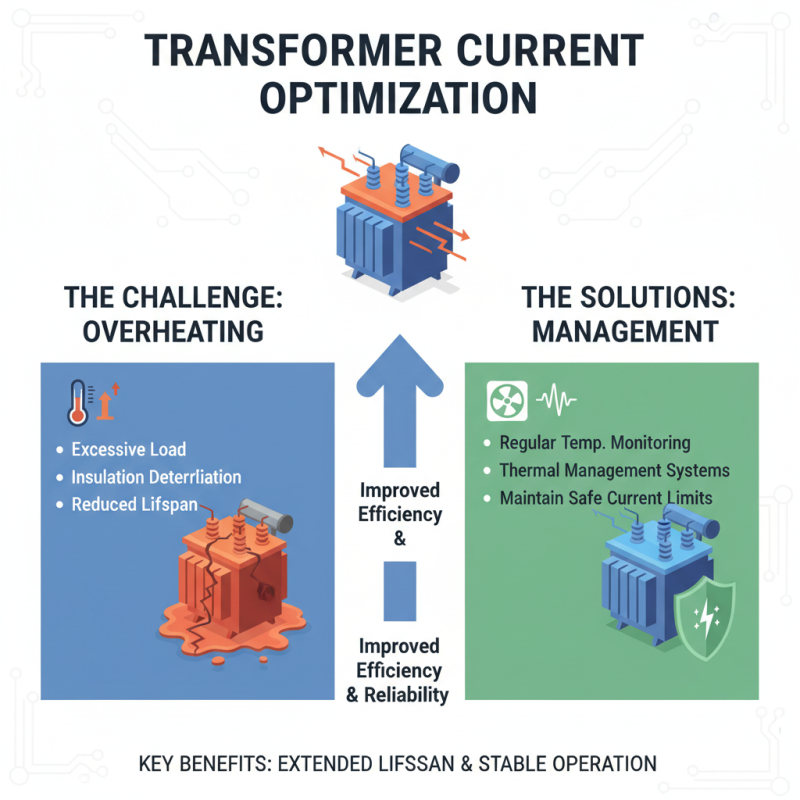
Transformer current plays a crucial role in determining the efficiency and reliability of electrical systems. One common issue associated with transformer current is overheating, which can arise when excessive load is placed on the transformer. This elevated temperature can lead to insulation deterioration, reducing the lifespan of the transformer. To address this, regular monitoring of the transformer's temperature and implementing thermal management systems can help maintain optimal operating conditions, ensuring that the current remains within safe limits.
Another prevalent issue is harmonic distortion, which occurs when non-linear loads inject harmonics into the electrical system. This distortion can lead to increased losses, reduced efficiency, and potential damage to transformers. Solutions to this problem include the installation of harmonic filters or the use of transformers designed to handle harmonic currents effectively. Additionally, educating users about the impact of their load profiles can foster a more balanced system, ultimately leading to improved transformer performance and longevity. Regular maintenance and timely upgrades based on current loading conditions can further mitigate these issues, ensuring a robust, efficient transformer operation.
FAQS
: Transformer current refers to the flow of electric charge through a transformer, and it is crucial for its operation. Monitoring transformer current is essential for evaluating system performance and efficiency, as variations can indicate potential issues like overloading or inefficiencies.
The different types of currents in transformers include primary current, secondary current, and load current. Primary current is the input current drawn from the power supply, secondary current is the output current available at the secondary winding, and load current is the actual current consumed by connected devices.
Primary current energizes the transformer and creates the magnetic field necessary for energy transfer. Its magnitude depends on the transformer’s power rating and applied voltage, directly affecting the performance and efficiency of the transformer.
Secondary current is the output current available at the secondary winding, delivering power to connected loads. It is determined by load impedance and the transformer's turns ratio, which dictates how voltage and current are altered during energy transfer.
Overheating can lead to insulation deterioration and reduce the transformer’s lifespan. Managing this issue involves regular temperature monitoring and implementing thermal management systems to keep operating conditions optimal.
Harmonic distortion occurs when non-linear loads inject harmonics into the electrical system, leading to increased losses, reduced efficiency, and potential transformer damage. Installing harmonic filters or using transformers designed to handle harmonic currents can help mitigate these issues.
Monitoring load current is important because it affects secondary current and, therefore, impacts the behavior of primary current. Understanding load demand helps manage transformer performance and ensures optimal operation within specified parameters.
To maintain transformer efficiency, regular monitoring of currents, addressing issues like overheating and harmonic distortion, educating users about load profiles, and performing timely maintenance and upgrades based on current loading conditions are essential.
Load current, which represents the actual current consumed by connected devices, varies according to load demand. It directly impacts secondary current, which in turn influences the behavior of primary current and overall transformer performance.
Solutions include thermal management systems for overheating, harmonic filters for harmonic distortion, and educating users to promote balanced load profiles. Regular maintenance and timely upgrades can also help mitigate various issues affecting transformer operation.
Conclusion
The "Current of Transformer" is a fundamental aspect that significantly influences its performance and efficiency. Understanding the types of currents—primary, secondary, and load currents—helps in evaluating how transformers operate under varying conditions. Key factors such as voltage levels, load demands, and impedance play crucial roles in determining the overall current flow within the transformer system.
Moreover, the current of transformer directly impacts its efficiency and power losses, which are critical for energy management. Proper management techniques are essential to optimize transformer performance, addressing common issues related to current fluctuations. By understanding and managing the current of transformer effectively, one can enhance the reliability and longevity of the equipment while ensuring its capacity and sizing meet operational demands.