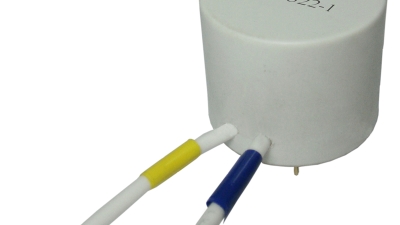
In today’s world, where energy efficiencyand precision really matter, it’s becoming more obvious than ever that upgrading your Current Sensors is a smart move. I mean, just look at the latest market report fromMordor Intelligence—it's predicting the global market for current sensors will grow at about a 6.25% CAGR from 2021 to 2026. And a big part of that growth? The surge in electric vehicles and renewable energy projects.
Here at Beijing TransFar Electronics Group Co., Ltd., we’re all about staying ahead in this fast-moving industry—specializing in cutting-edge current and Voltage Sensors. This tutorial is designed to walk you through easy-to-follow steps for boosting your current sensor performance. We’ll leverage our expertise in developing advanced electromagnetic components to help manufacturers optimize their systems and get ready forwhat's next in tech.
Understanding the Importance of Current Sensor Upgrades for Enhanced Performance
Upgrading current sensors is really a smart move for any business looking to boost its overall performance. According to a report by Markets and Markets, the global market for these sensors is expected to hit around $1.2 billion by 2026, growing at an impressive 10% annually since 2021. This trend shows just how much people are starting to see these sensors as pretty much essential—not just in manufacturing or industrial settings, but also in renewable energy tech and other areas. When companies upgrade their sensors, it’s not just about getting more accurate readings; it actually makes everything run smoother and faster. Plus, with real-time monitoring, businesses can catch issues early, do predictive maintenance, and cut down on those annoying unplanned downtimes.
Talking about energy efficiency—upgrading your current sensors is a total game-changer. The International Energy Agency points out that energy monitoring systems can slash energy use by as much as 20%, just by better data collection and analysis. Better sensors mean better measurements, which lead to smarter decisions on how to manage energy. As industries grow and the focus on sustainability gets stronger, making the switch to these advanced sensors isn’t just a good idea; it’s pretty much essential if you want to stay competitive and green at the same time.
Essential Tools and Materials Needed for Current Sensor Upgrade Projects
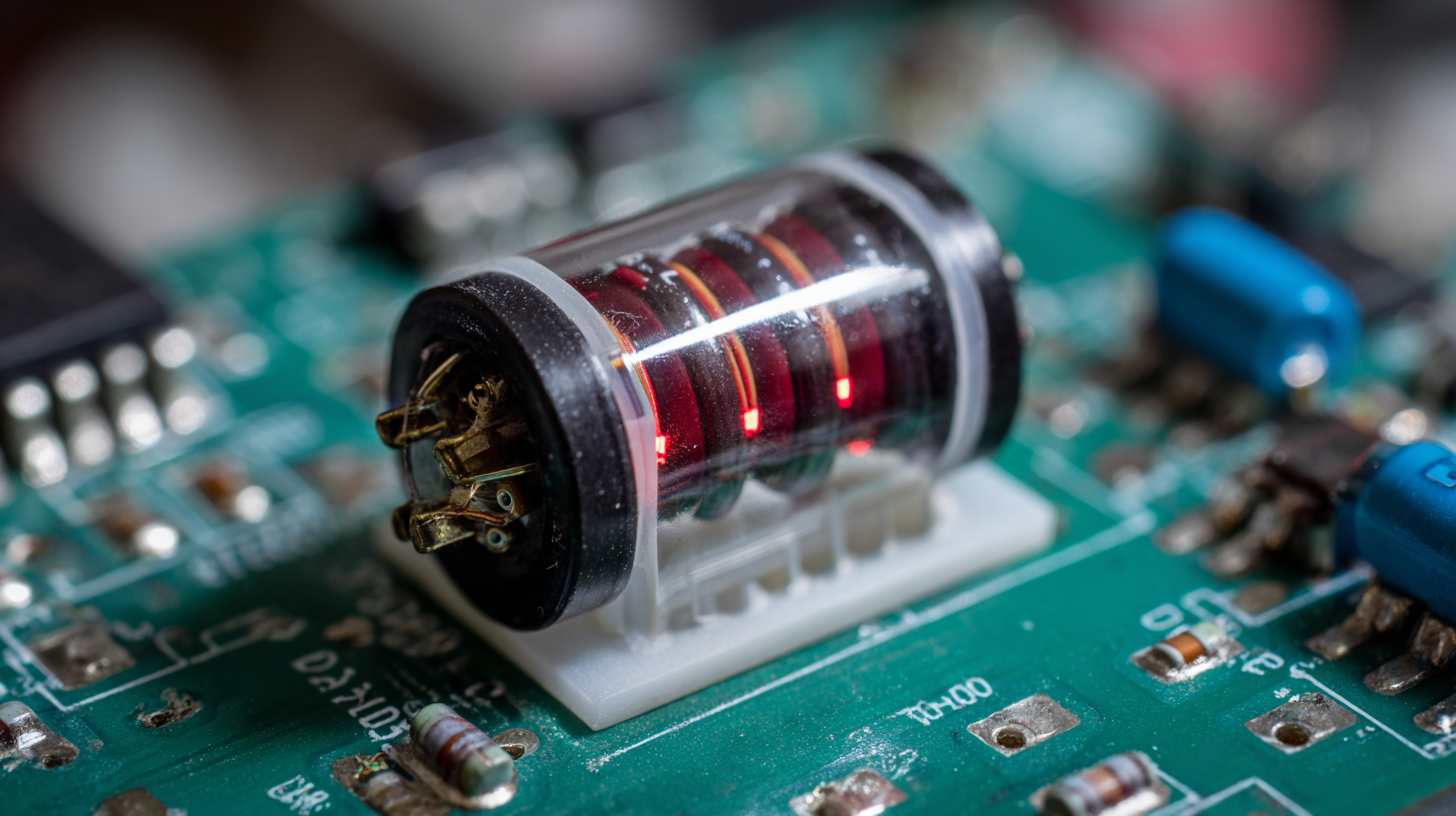
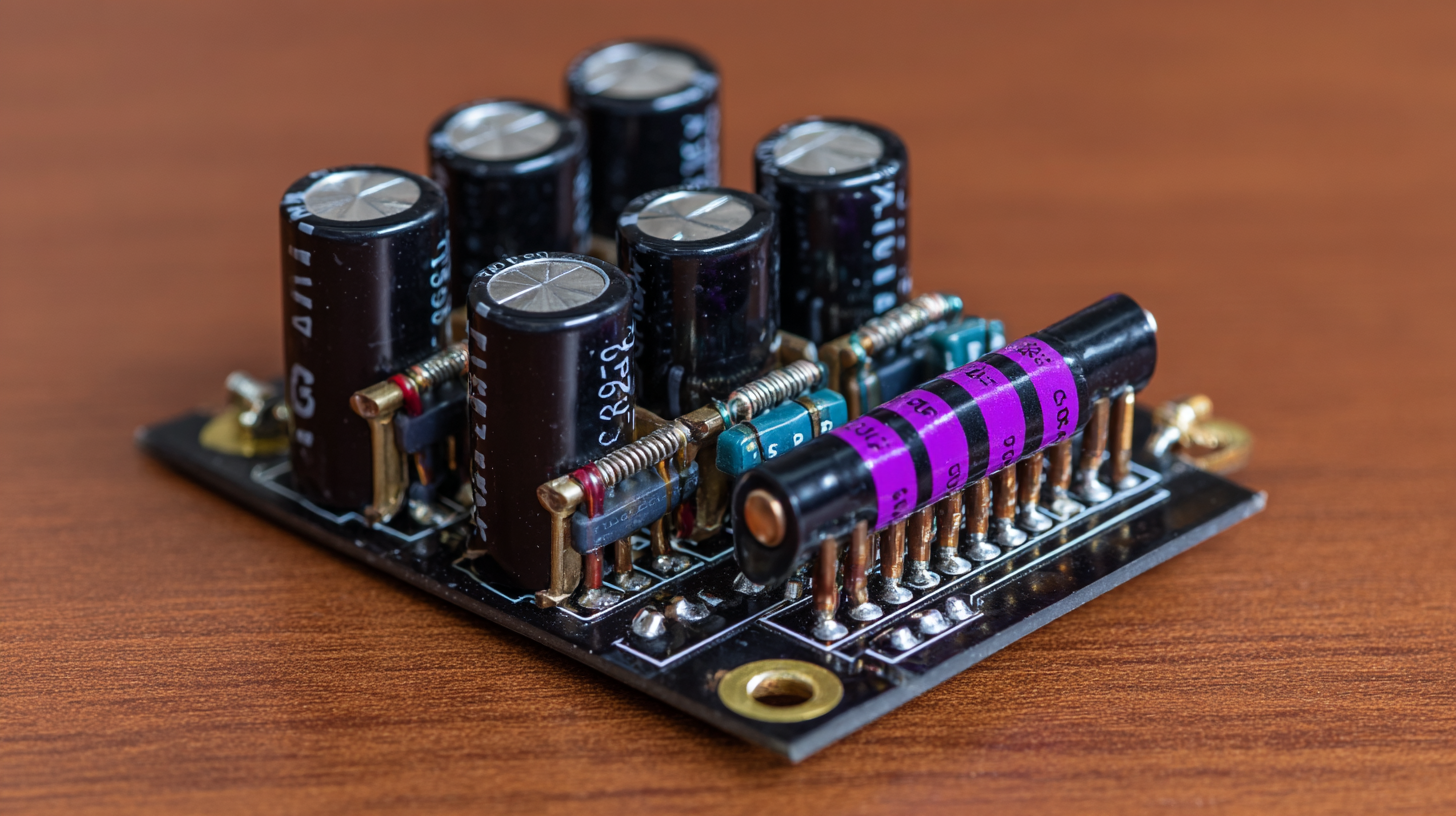
Upgrading your existing sensor can really give your project a boost, but to get the best out of it, it’s super important to collect the right tools and materials before you start. Begin with a good-quality current sensor that suits what you're working on. If you're not sure, options like Hall-effeCt Sensors are great for non-intrusive measurements, while shunt resistors can give you more accurate readings. And don’t forget a solid multimeter — it's basically your best buddy during the whole process for checking and calibrating your sensor readings.
On top of that, grabbing a decent soldering kit is a smart move. It’s not just about making connections; it helps ensure everything stays solid and reliable. Having some jumper wires and a breadboard around makes life so much easier when you’re testing out different setups before you lock everything in. Oh, and pick up some heat shrink tubing too — it’s a small detail, but it really helps protect your connections from shorts and mishaps. With these tools and materials in hand, you’re all set to dive into upgrading your current sensor — good luck and have fun with it!
Mastering Current Sensor Upgrade: A Step-by-Step Tutorial for Enhanced Performance
| Task | Description | Tools Required | Materials Needed |
| Preparation | Gather all necessary tools and materials before starting the upgrade. | Screwdriver Set, Multimeter | Current Sensors, Circuit Board |
| Disconnect Power | Ensure that the power supply is disconnected to prevent electrical hazards. | Safety Gloves, Voltage Tester | N/A |
| Replace Old Sensor | Carefully remove the old current sensor from the circuit. | Soldering Iron, Desoldering Pump | N/A |
| Install New Sensor | Install the new current sensor into the circuit board. | Soldering Iron, Tweezers | Current Sensors |
| Reconnect Power | Once the sensor is installed, reconnect the power supply. | N/A | N/A |
| Testing | Use a multimeter to test the functionality of the new current sensor. | Multimeter | N/A |
Step-by-Step Guide to Choosing the Right Current Sensor for Your Application
When you're trying to pick the right current sensor for your project, there are a few key things to keep in mind to get it just right. First off, think about what kind of current you'll be measuring—is it AC, DC, or maybe both? Because, honestly, different sensors are built specifically for each type. Using the wrong one can throw off your readings or mess with your system's efficiency, and nobody wants that.
Also, don't forget to check out the sensor's range and sensitivity. You want something that can handle the max current your setup might have, but also sensitive enough to catch smaller fluctuations—that balance is important. Plus, it’s a good idea to consider how easily the sensor can fit into your existing setup. Things like size, mounting options, and compatibility with other electronics matter a lot—if it doesn’t fit well or work seamlessly, it can cause a headache down the line.
If you pay attention to these details, you'll be able to make a smarter choice that really boosts your project's performance and keeps things running smoothly. It’s all about finding that sweet spot to get reliable, accurate measurements without any hassle.
Installing Your New Current Sensor: Best Practices and Tips
When you're upgrading your existing sensor, paying attention to how you install it really makes a difference in how well it performs. The International Electrotechnical Commission (IEC) reports that installing it properly can boost the sensor’s accuracy by as much as 25%. So, take your time picking a good spot—try to keep it away from heat sources or places with electromagnetic interference, because those can mess with your readings. Oh, and don’t forget about the orientation! Positioning the sensor so it lines up with the flow of current can seriously improve how well it detects signals.
Another thing to keep in mind is making sure all your connections are solid—using high-quality terminals and avoiding too much bending in your wires. The IEEE points out that loose or bad connections can cause errors, which could drop your system’s efficiency by around 15%. To help your sensor last longer, especially if it’s in a dusty or wet environment, use protective enclosures. Also, proper shielding and grounding are super important to cut down on noise and keep your data clean. Follow these tips, and you’ll not only get better performance from your new sensor but also enjoy a more reliable and efficient electrical setup overall.
Testing and Calibration: Ensuring Optimal Functionality Post-Upgrade
When you’ve upgraded your current sensor, testing and calibration are absolute must-dos to make sure everything's running smoothly. After the upgrade, it’s really important to check if the sensor is still working within the expected limits. Basically, you want to run some tests—think of things like measuring the output with known inputs, so you can be confident the readings are spot on. Using tools like a precise electronic load or doing simulated current tests can be super helpful here. Also, keeping an eye on how the sensor performs over time is a smart move—it helps catch any drift or weird inconsistencies early on.
Calibration is all about making sure the sensor’s output lines up with real-world conditions. That usually means adjusting things based on the data you’ve collected, to iron out any discrepancies. If you have access to advanced calibrators, they can make this process a lot more accurate and less of a headache. Some folks are even using machine learning techniques to speed things up—by leveraging past data, the calibration can be quicker and more reliable. Overall, these approaches don’t just save you time; they also boost the trustworthiness of your sensor’s readings, making your upgrade well worth it.
Current Sensor Upgrade Performance Analysis
This bar chart illustrates the performance metrics of upgraded current sensors, showcasing their test results before and after calibration.
Troubleshooting Common Issues After Current Sensor Upgrades
Upgrading your current sensors can really boost your system’s performance, but let’s be honest — it’s not always smooth sailing. Tons of folks run into some common issues that can wildify the benefits they’re hoping for. First thing, double-check that all your connections are snug and that the sensor is properly calibrated. Loose wires? Yeah, they can cause all sorts of weird readings and make your system act up — super frustrating, I know.
Pro tip: Before you fire up the system, take a moment to review your wiring. Grab a multimeter to check continuity and make sure the sensor’s getting the right voltage. It might seem like a small step, but it can save you a lot of time and headaches later on.
Another thing that pops up often is sensor drift — basically, the readings start slowly going off over time. If you’re working in a precision-dependent setup, that can be a real pain. The fix? Schedule regular calibration to keep things running smoothly and make sure your sensor’s readings stay on point.
And here’s a tip: Make it a habit to do maintenance checks and recalibrate every few months. Keep a record of how your sensors perform; it’ll help you catch patterns and know when it’s time for another calibration. Taking these small steps will make your sensors more reliable and help your whole system run at its best.
Unlocking Efficiency: Insights from 2023 Industry Reports on The Voltage Output Type Current Transformer and Its Applications
In the fast-evolving landscape of electrical engineering, the Voltage Output Type Current Transformer has emerged as a pivotal component in various applications. As highlighted in the 2023 industry reports, these sophisticated devices not only convert current input to voltage output but also boast a wide frequency response range from 20Hz to 20KHz. This feature is particularly critical for engineers and technicians working in environments where accurate signal integrity is paramount.
Our current transformers are designed with meticulous attention to performance, effectively suppressing interference from fast transient pulse signals that can disrupt primary current readings. This capability ensures reliable operation in a multitude of scenarios, ranging from power generation to industrial automation. Moreover, with a selection of product parameter options, we cater to both active and passive input methods, allowing for customization according to specific project needs. This flexibility empowers users to optimize system efficiency and enhance their overall operational effectiveness.
By leveraging insights from the latest industry reports, it’s evident that adopting state-of-the-art current transformers not only drives efficiency but also fortifies the reliability of electrical systems. As the demand for high-performance equipment continues to rise, investing in advanced current transformer technology is crucial for any organization looking to stay ahead in the competitive market.
FAQS
: Upgrading current sensors is crucial for enhancing overall performance, improving accuracy and efficiency, and facilitating real-time monitoring, which allows for predictive maintenance and reduces unplanned downtime.
The global current sensor market is projected to reach $1.2 billion by 2026, growing at a CAGR of 10% from 2021.
Enhanced current sensors provide more precise measurements, which improve performance analytics and enable smarter energy management decisions, potentially reducing energy consumption by up to 20%.
Key factors include the type of current to be measured (AC, DC, or both), the sensor's range and sensitivity, and its integration capabilities with existing systems.
Choosing an inappropriate sensor can lead to inaccurate readings and system inefficiencies.
Upgraded current sensors allow for real-time monitoring, which helps in identifying potential issues before they lead to equipment failure, enabling predictive maintenance.
Improved data acquisition enhances performance analytics, leading to better decision-making, especially in energy management.
Compatibility impacts the sensor's overall effectiveness, including aspects such as size, mounting options, and how well it integrates with other electronic components.
The International Energy Agency has conducted studies showing that energy monitoring systems can significantly reduce energy consumption through enhanced data analytics provided by improved current sensors.
As industries evolve with a stronger focus on growth and sustainability, the transition to advanced current sensor technologies becomes essential for maintaining competitiveness and efficiency.
Conclusion
When it comes to boosting the performance of various gadgets and systems, upgrading your current sensor is a game-changer. Honestly, understanding why these upgrades matter is pretty important if you’re aiming for the best efficiency and accuracy in your energy management setups. Don’t worry though—a lot of this can feel pretty technical, but I’ll walk you through all the essential tools and materials you’ll need. We’ll also cover how to pick the right current sensor for your specific needs, step by step.
On top of that, I’ll share some tips for installing your new sensor properly—making sure it works smoothly through good testing and calibration. Plus, I’ve got some handy troubleshooting tricks up my sleeve for any issues that might pop up after the upgrade. Here at Beijing TransFar Electronics Group Co., Ltd., we’re all about pushing tech forward in renewable energy solutions, and this guide is a great resource if you're looking to upgrade your system with better current sensors. Hope you find it helpful!