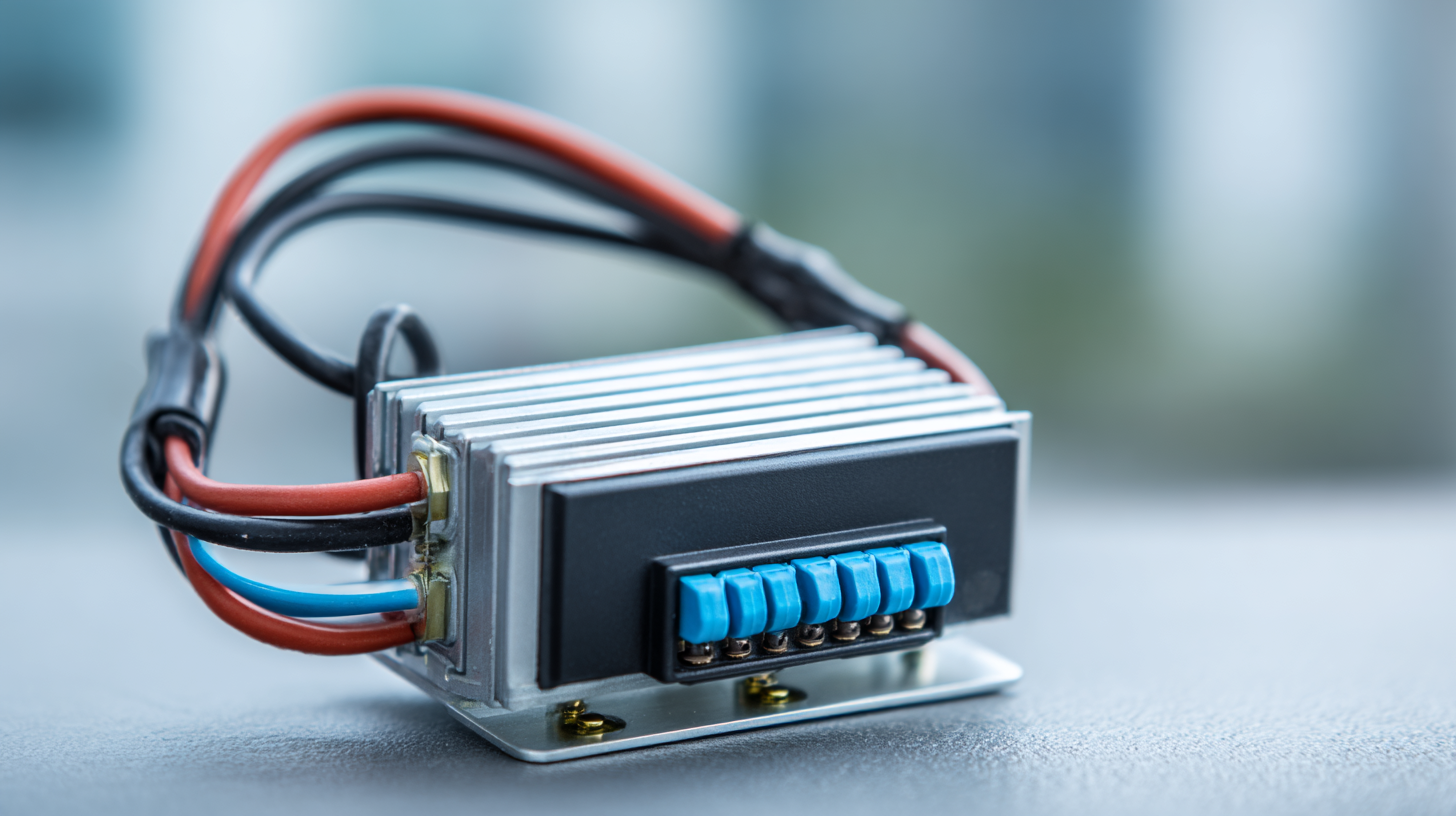
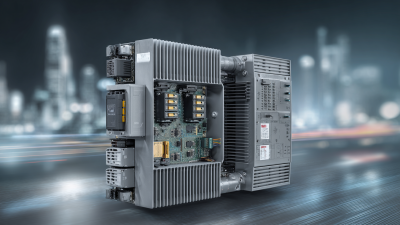
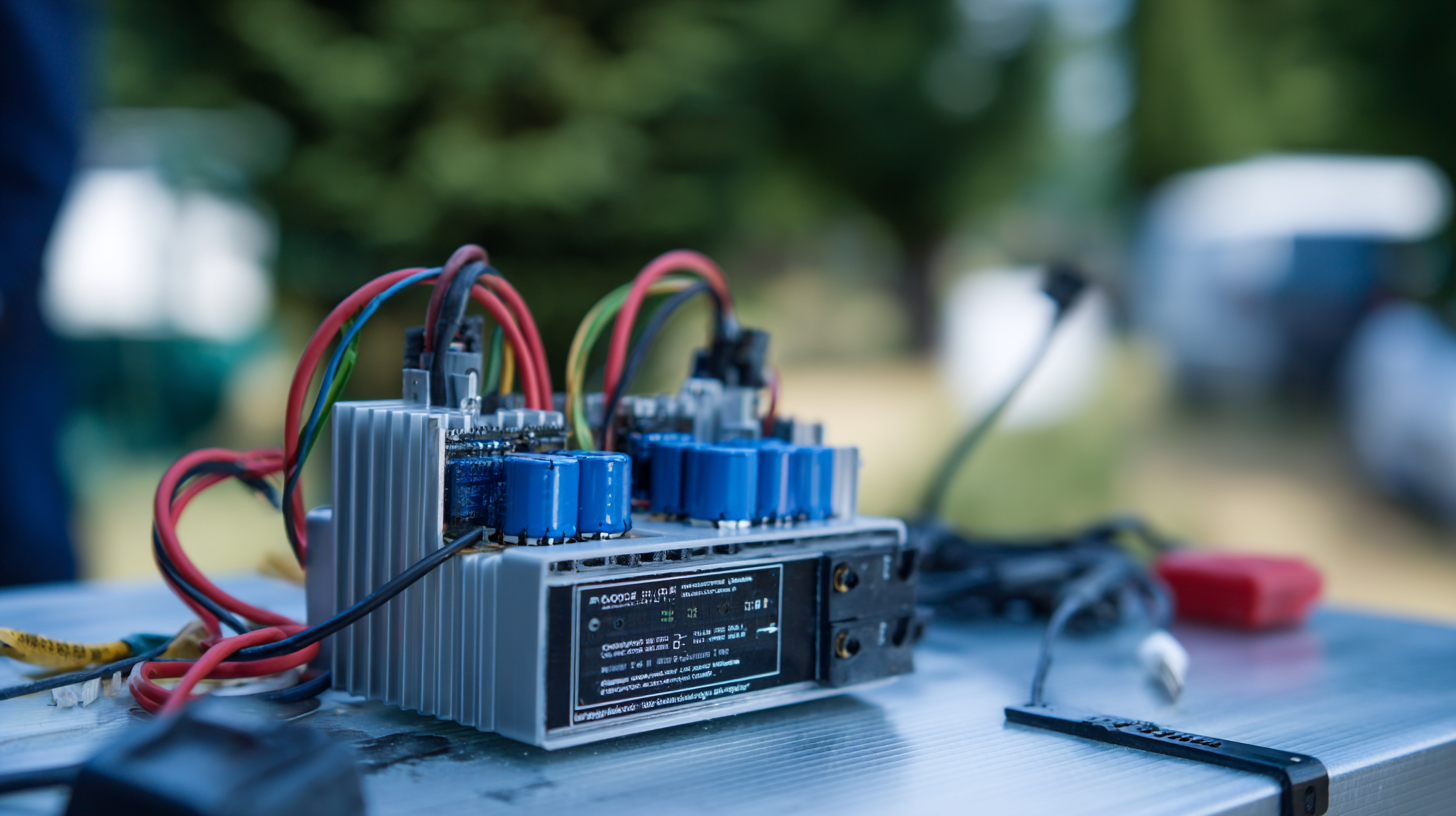
Hey there! You know, in today’s fast-changing world of renewable energy, managing electrical power smartly is more important than ever if we want things to run smoothly and stay sustainable. One piece of the puzzle that really makes a difference is the Dc-Dc Converter. Basically, it helps shift electrical energy from one DC voltage level to another—which might sound simple, but it’s actually pretty crucial for making solar panels, energy storage, and other green tech work better.
Over at Beijing TransFar Electronics Group Co., Ltd., we’re all about pushing the boundaries with new energy tech—we’ve got loads of cool stuff like smart current and Voltage Sensors, Reactors, and the latest DC charging solutions. This guide’s gonna walk you through whyDC-DC Converters are so important in renewable energy setups—covering how they work, the benefits they bring, and how they’re helping us move towards a cleaner, more efficient energy future. Exciting times, right?
How DC-DC Converters Function in Renewable Energy Systems
 DC-DC converters are pretty important when it comes to renewable energy systems. They basically help manage and convert power efficiently—taking one voltage level and transforming it into another. Whether it’s solar panels or wind turbines, these converters are key to squeezing the most out of renewable sources before that energy goes into the grid or powers electric vehicles and other gadgets. I read somewhere that the global market for these converters is expected to hit around 19.9 billion USD by 2026, which shows just how much demand is growing as everyone moves toward cleaner, more sustainable energy options.
So, how do these converters work? Well, their main job is to regulate voltage and boost the overall efficiency of energy setups. They do this using different designs like buck, boost, or buck-boost converters—kind of like different tools to match the specific voltage needs of your load. This isn’t just about performance; it also helps cut down on energy loss, making the whole system more eco-friendly and reliable for the future.
Thinking about picking out a DC-DC converter for your own renewable project? A few things to keep in mind are how efficient it is, how it handles heat, and whether it fits in the space you have. Companies like Beijing TransFar Electronics Group offer a good selection of quality parts designed for new energy applications. Going for products with advanced features can really pay off by saving energy in the long run and making sure your system stays durable and dependable.
Key Types of DC-DC Converters Used in Renewable Applications
DC-DC converters are pretty much the unsung heroes in renewable energy setups. They help make sure the energy is managed efficiently and everything runs smoothly. Basically, these devices are key when it comes to converting voltage levels to match what different systems actually need — whether it's solar panels or wind turbines. You'll mostly come across a few main types: buck converters, boost converters, and buck-boost converters. They each have their own job—buck converters bring the voltage down, boost converters crank it up, and buck-boost converters can do both depending on the situation.
Looking at the market scene, recent numbers show that the DC-DC converter market for renewable battery storage hit around $4 billion in 2022. And, get this — it’s expected to grow to about $10.2 billion by 2030. That’s pretty impressive! The annual growth rate is projected to be roughly 10.7% from 2024 onwards. So, as more folks jump on the renewable energy bandwagon and we need smarter ways to store and convert power, demand for these converters is only going up. If you’re working in this space, knowing which type to choose is gonna be super important for making sure your system’s energy stays efficient and reliable.
Design Considerations for Efficient DC-DC Converter Implementation
Getting the hang of efficient DC-DC converters is a big deal, especially when it comes to renewable energy setups. They’re pretty much the backbone for making sure energy storage and conversion run smoothly. And with everyone pushing more toward electric vehicles (EVs), it’s no surprise that the market for automotive DC-DC converters is set to explode — estimates suggest it could hit nearly $30 billion by 2032! This really highlights how much we need smart, innovative design solutions that can keep up with evolving battery tech and make systems more efficient overall.
When designing these converters, it's all about choosing the right topologies that perform well under different load conditions. For example, high-efficiency stepdown and step-up converters are crucial, especially when managing the voltage drops in series-connected energy storage setups. Plus, adding unique components into the mix can boost safety and reliability — which is especially important for things like wireless EV charging. All these technical tweaks don’t just improve how well they work; they also make the user experience smoother and more intuitive, showing just how far renewable tech has come.
Integration of DC-DC Converters with Solar and Wind Energy Systems
When you think about renewable energy setups, like solar panels and wind turbines, it's pretty clear that integrating DC-DC converters makes a big difference in boosting performance and efficiency. Lately, researchers have been stressing how important it is to have smart control systems—especially since we're seeing more and more distributed energy sources, like huge solar farms and wind parks, feeding into our power grids. For example, using multiport DC-DC converters helps manage energy from different sources smoothly, making sure everything runs optimally in hybrid renewable systems. In fact, projections show that the market for power electronics in renewables is expected to hit over 47 billion USD by 2032, which really highlights how much demand there is for better energy conversion tech.
On top of that, there are some pretty exciting innovations happening, like intelligent control systems based on neuro-fuzzy logic for multiport DC-AC converters. These not only help with better integration of energy storage but also keep the grid stable and maximize the use of energy from both solar and wind sources. Having a well-coordinated energy management system—think fuzzy logic models and all—that optimizes power flow in microgrids is becoming super important for making these systems as efficient as possible. As renewable energy keeps growing, the role of DC-DC converters is only getting more critical to ensure our energy systems are reliable and efficient without a hitch.
Electricity Generation from Renewable Sources (2022)
This chart illustrates the electricity generation from various renewable energy sources in 2022, showcasing the importance of DC-DC converters in optimizing energy output from solar and wind systems.
Challenges and Solutions in DC-DC Converter Applications for Renewables
DC-DC converters are pretty important when it comes to boosting the efficiency of renewable energy setups. They basically handle voltage levels and make sure everything flows smoothly—transferring energy from sources like solar panels or wind turbines to storage units and, eventually, the grid. That said, they’re not without their hiccups. For instance, they can lose some efficiency because they heat up, pick up electromagnetic interference, and need really precise control—especially since input conditions can be all over the place. The good news is, using smarter control algorithms and high-quality parts can help tackle these issues head-on.
If you’re looking to improve your converter’s efficiency, one tip is to go for synchronous rectification. It cuts down on power loss during switching. Also, don’t forget about thermal management—adding heat sinks or even active cooling can keep things running at the right temperature, which makes a big difference.
Another tricky part is hooking up these converters to renewable sources like solar or wind, which can be pretty inconsistent because of weather changes. So, designing your converter to be adaptable is key—this helps keep the system stable even when output varies. Using modular designs can also make upgrades and tweaks a lot easier as tech keeps advancing.
A good tip here is to go for digital controllers if you want to handle variability better. They allow real-time adjustments and fine-tuning, which means you get faster response times and a more reliable system overall.
Future Trends and Innovations in DC-DC Converter Technology for Sustainability
Looking ahead, the world of DC-DC converters is really heading into exciting territory. We're seeing some pretty groundbreaking advancements that tie in closely with the push for sustainability across different industries. And get this—the market’s growth is forecasted to be around 4.2% CAGR from 2025 all the way to 2035. That’s pretty solid. More and more, eco-friendly solutions and new, innovative materials are no longer optional but essential. Technologies like Gallium Nitride (GaN) semiconductors are really changing the game—they’re likely to boost the efficiency of power conversion systems big time, making it easier to adopt renewable energy sources like solar and wind on a much larger scale.
Plus, as people really start focusing on low-carbon building materials, DC-DC converters are becoming super important for this whole green building movement. They help optimize energy management in smart buildings. For example, high-efficiency converters can cut down energy losses a lot, which is a big win for green building efforts aimed at reducing environmental impact.
**Quick Tips:** When you're choosing DC-DC converters for projects focused on sustainability, keep an eye on efficiency ratings and how well they can work with renewable energy sources. It’s also a good idea to stay in the loop with the latest materials and design innovations—you know, just so your choices stay ahead of the curve. Regularly checking out industry reports can be a real help, giving you the scoop on the newest trends and opportunities in power electronics.
Understanding the Role of DC-DC Converters in Renewable Energy Systems
| Aspect | Description | Future Trends |
| Efficiency | DC-DC converters are critical for minimizing energy losses during voltage conversion in renewable systems. | Emerging technologies aim to achieve over 98% efficiency. |
| Compact Design | Smaller converters are essential for modern energy systems, especially in solar and wind applications. | Innovative materials and cooling techniques are leading to more compact designs. |
| Smart Technology | Integration of smart technology enhances the adaptability and control of energy systems. | Future converters may utilize AI for real-time optimization of energy usage. |
| Renewable Integration | DC-DC converters facilitate the connection of renewable sources to the grid. | Enhanced integration with smart grids is expected to evolve, allowing more flexibility. |
| Regulatory Compliance | Converters must comply with various international standards for safety and performance. | Anticipated changes in regulations may drive innovations in safety features. |
Market Analysis and Future Trends of Voltage Converters: Insights from the Latest Industry Reports on Power Conversion Solutions
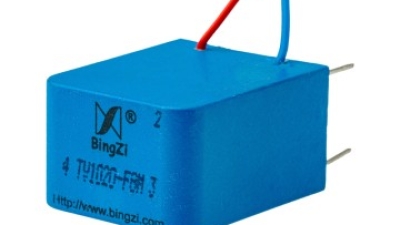
Voltage converters play a crucial role in the power conversion industry, operating efficiently in both "active" and "passive" modes. These versatile devices can output either AC or DC signals, catering to a variety of applications across different sectors. The engineering behind these converters integrates the functions of an I/V converter and a transformer into a single unit, streamlining the design and enhancing performance. This integration yields fixed values for the nominal input and output voltages, providing reliability and consistency for users.
Recent market analyses highlight the growing relevance of voltage converters in modern electrical systems, particularly as industries shift towards more compact and efficient solutions. The adaptability of the input coil connection, whether through PCB soldering or flexible wiring, further broadens the application scope of these converters. This flexibility not only supports diverse installation environments but also meets the evolving needs of technological advancements.
As the market trends indicate, the demand for efficient power conversion solutions is expected to rise, driven by the increasing reliance on electronic devices and renewable energy sources. With insights drawn from industry reports, manufacturers are encouraged to prioritize innovation in voltage converter designs, ensuring that they remain at the forefront of power conversion technology while meeting both current and future energy demands.
FAQS
: DC-DC converters are devices that convert voltage levels to meet specific application requirements in renewable energy systems. They are crucial for efficient energy management and optimized performance in applications like solar and wind energy.
The main types of DC-DC converters used in renewable applications are buck converters, which reduce voltage; boost converters, which increase voltage; and buck-boost converters, which can perform both functions.
The DC-DC converter market for renewable battery storage was valued at approximately $4 billion in 2022 and is expected to reach $10.2 billion by 2030.
The expected compound annual growth rate (CAGR) for the DC-DC converter market from 2024 to 2030 is 10.7%.
The future of DC-DC converter technology is expected to advance with eco-friendly solutions and materials, including Gallium Nitride (GaN) semiconductors, which enhance the efficiency of power conversion systems, thereby supporting larger-scale adoption of renewable energy sources.
DC-DC converters optimize energy management within intelligent building systems, thus reducing energy losses and supporting green building initiatives that aim to minimize environmental impact.
When selecting DC-DC converters for sustainable projects, consider factors such as efficiency ratings and compatibility with renewable energy technologies, along with staying updated on emerging materials and design innovations.
The projected compound annual growth rate (CAGR) for the DC-DC converter market from 2025 to 2035 is 4.2%.
Individuals can stay informed about advancements by regularly reviewing industry reports to track developments in power electronics and the latest insights in energy sustainability.
Understanding DC-DC converters is essential for maximizing energy efficiency and system reliability as renewable systems become more prevalent.
Conclusion
DC-DC converters are pretty essential in renewable energy setups—they help efficiently manage and transform electrical power from one voltage level to another. In this guide, I’ll walk you through how these converters actually work, and take a look at the different types you’ll find in green energy applications, like buck, boost, and buck-boost converters. We’ll also cover some key design tips to help you get the most out of them, especially when integrating into solar and wind energy systems.
Of course, it’s not all smooth sailing—there are challenges, like losing some efficiency or dealing with heat buildup. But don’t worry, I’ll point out some practical solutions to tackle these issues. Looking ahead, there are some pretty exciting trends and innovations popping up in DC-DC converter tech, all pushing us toward more sustainable energy systems.
And just so you know, Beijing TransFar Electronics Group Co., Ltd. is really pushing forward in this space. They’re dedicated to developing state-of-the-art components that boost the performance of renewable energy solutions—really exciting stuff for the future!