Inquiry
Form loading...
0%

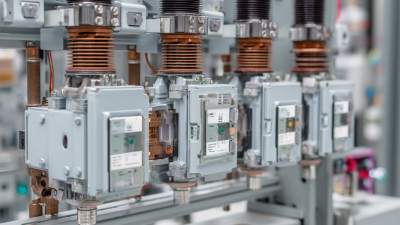
You know, adopting cutting-edge energy monitoring tools is really crucial if we want to get serious about sustainable energy management. And at the heart of this shift is the Core Balance Current Transformer, or CBCT for short. I came across a report from MarketsandMarkets that says the global current transformer market could hit around 6.5 billion USD by 2025 — all thanks to the rising need for precise and efficient energy monitoring systems. Now, Beijing TransFar Electronics Group Co., Ltd. is one of those high-tech companies really pushing the envelope, focusing on creating innovative energy sensors like the CBCT. This little device makes a huge difference by improving how accurately we measure energy use. What’s cool is that it gives real-time insights and boosts energy efficiency. Not only does it help companies stay compliant with regulations, but it also supports their efforts to go greener. As we all move towards more sustainable energy habits, tech like the CBCT will become absolutely essential for smarter, more effective solutions — kinda exciting when you think about it, right?
Revolutionizing Energy Monitoring with Core Balance Current Transformers: A Comprehensive Guide

Types of Core Balance Current Transformers and Their Applications

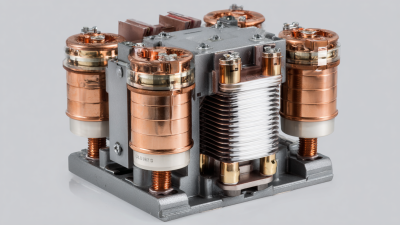
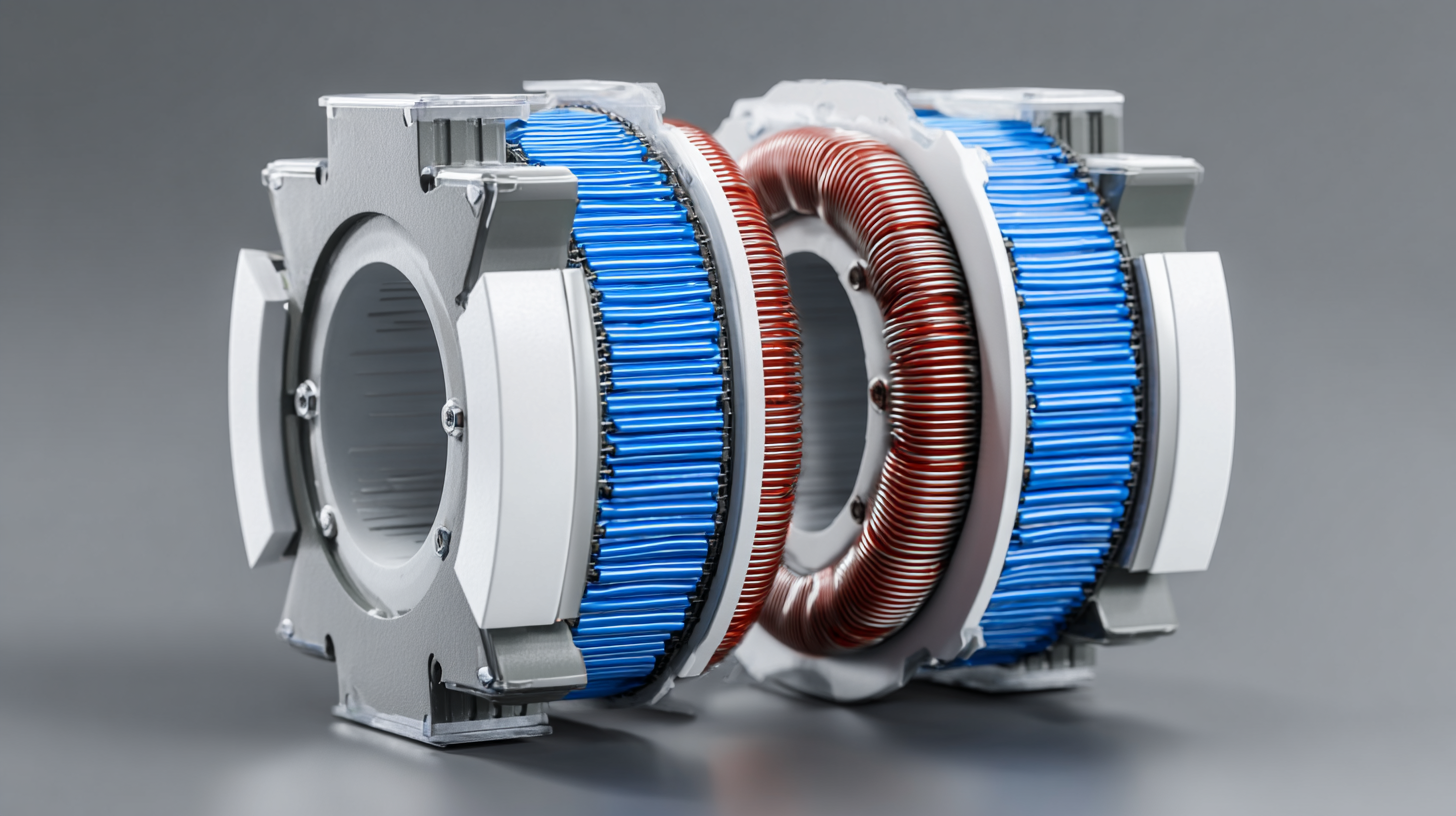
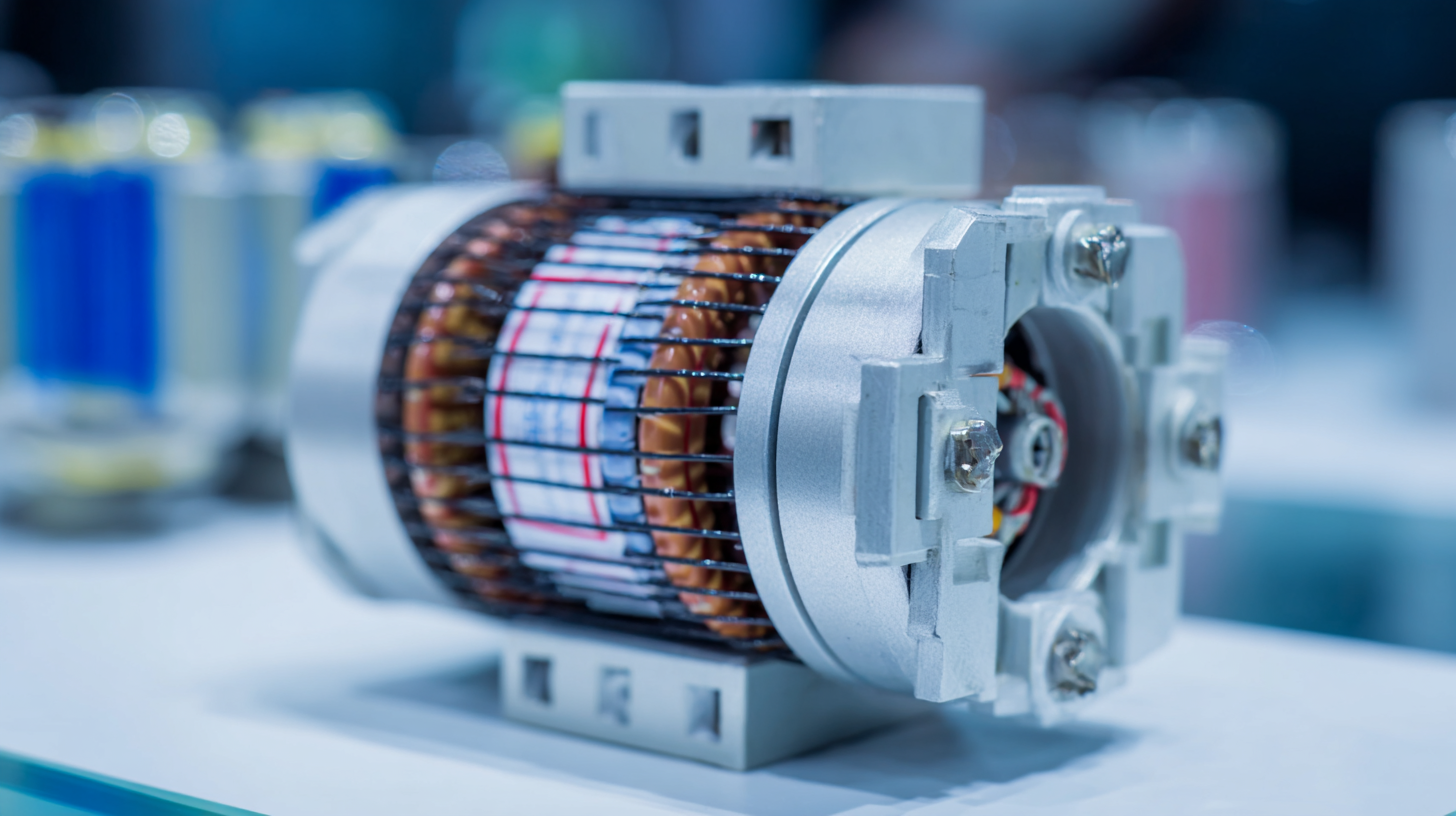
Core balance current transformers, or CBCTs for short, are pretty important in today’s energy monitoring setups, especially with how much smart grid tech is taking off. They come in a bunch of different types—some even based on nanocrystalline cores—which really boosts their measurement accuracy and manufacturing tech. With more and more people needing real-time power data and integrating renewable sources, the market for these transformers is definitely on the rise and expected to hit some big milestones soon.

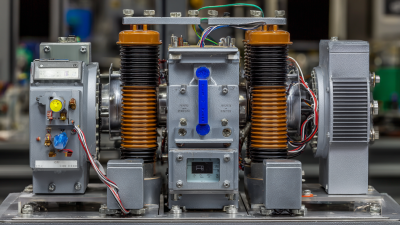
When you're picking out a core balance current transformer, it’s a good idea to think about what exactly you need it for. For instance, motor protection transformers come in various specs to handle three-phase AC systems just right. They’re built to give really precise measurements, so your energy management system works as smoothly as possible.

**Pro tip:** Always double-check the voltage and current ratings to make sure they match your specific application. If you go for models with nanocrystalline cores, you’ll notice reduced energy losses and better linearity, which boosts the overall efficiency of your system. Also, don’t forget – regular maintenance and calibration are key if you want your transformers to stay accurate and last a good long time in energy monitoring roles.

Revolutionizing Energy Monitoring with Core Balance Current Transformers: A Comprehensive Guide

Type of Core Balance Current Transformer Sensitivity (mA) Primary Current Range (A) Application Area Installation Type
Standard Core Balance CT 5 50 - 600 Commercial Buildings Wall Mounted
High Sensitivity Core Balance CT 1 20 - 100 Data Centers Embedded
Split Core Balance CT 3 30 - 300 Residential Monitoring Clamp-on
Digital Core Balance CT 0.5 10 - 500 Industrial Applications Integrated
Low Power Core Balance CT 5 1 - 25 Small Scale Equipment Battery Powered

Understanding the Working Principles of Core Balance Current Transformers

Core Balance Current Transformers, or CBCTs for short, are pretty important when it comes to keeping an eye on electrical systems. Basically, they help spot any imbalance in the phase currents—that's a fancy way of saying they check if everything's running smoothly or if something’s off. These devices work on the good old principle of electromagnetic induction. So, when current flows through the different phases, it creates a magnetic field. The CBCT can sense this magnetic field and then produce a secondary current based on it. If everything’s balanced, the magnetic fields cancel each other out, and you won't see any output. But if there's an imbalance? Well, that usually signals a problem, and the device will kick in to trigger alarms or activate protective measures.

Revolutionizing Energy Monitoring with Core Balance Current Transformers: A Comprehensive Guide

What's cool about CBCTs is their ability to give real-time updates on the health of your electrical system. They keep an eye on the sum of all the phase currents constantly, so any little deviation from normal gets noticed right away. That’s super helpful—not just for safety, preventing electrical faults before they turn into bigger issues, but also for saving energy. When the system runs as it should, it’s more efficient. As more folks realize how important reliable energy monitoring is getting, understanding how CBCTs work becomes a pretty big deal for managing systems effectively and keeping everything protected.

Key Benefits of Using Core Balance Current Transformers for Energy Monitoring

Core Balance Current Transformers (CBCTs) have really become a game-changer when it comes to keeping an eye on energy use, especially in industrial and commercial setups. One of the coolest things about CBCTs is their ability to give you real-time updates on leakage currents—so you can catch issues as they happen. According to a report from the International Electrotechnical Commission (IEC), nearly 30% of electrical equipment failures are caused by earth faults that go unnoticed. That just shows how important CBCTs are for safety and avoiding expensive shutdowns. When these devices help detect problems quickly, businesses can cut down on fire risks and keep their systems running smoothly.

On top of that, CBCTs are pretty useful for saving energy too. The US Department of Energy points out that around 5-10% of energy in electrical systems gets lost—kind of a waste, right? By using CBCTs, companies can spot and fix issues like overloads and imbalances, making sure their power is used more efficiently. Having better insight into energy consumption doesn’t just cut costs; it’s also a step toward being more eco-friendly. Reducing waste and maximizing efficiency helps lower carbon footprints, fitting perfectly with global goals for energy conservation and responsible resource management.

Energy Monitoring Trends with Core Balance Current Transformers

This bar chart illustrates the energy consumption across different sectors utilizing Core Balance Current Transformers for effective energy monitoring. The data highlights the varying energy needs in residential, commercial, industrial, renewable energy, and data center settings, showcasing the potential for improved efficiency and monitoring in each sector.

Comparison of Core Balance Current Transformers with Traditional Current Transformers

Core Balance Current Transformers, or CBCTs for short, are quite the game-changer when it comes to keeping an eye on energy use.

You see, traditional current transformers (CTs) are designed to measure the current flowing through a wire by giving a proportional output. Sounds straightforward, right? But here’s the catch — they don’t really do a great job at catching small leaks or unbalanced loads. That’s a problem because it can lead to wasted energy or even electrical issues down the line.

Now, CBCTs take a different approach. They use magnetic balance to keep track of the net current in a circuit, which means they can pick up on tiny leakages that might otherwise go unnoticed.

On top of that, setting up and running CBCTs is usually simpler and less hassle. Traditional CTs can be pretty complicated, needing multiple sensors to measure different phases, which makes installation and maintenance a pain. CBCTs, on the other hand, pack everything into a single device, making the whole process a lot easier and boosting the reliability of the system.

Honestly, with their better sensitivity and easier integration, Core Balance Current Transformers really stand out as a smart choice for modern energy management. They help save energy, boost safety, and make your electrical systems run smoother overall.

Practical Installation Tips for Core Balance Current Transformers in Energy Systems

Core Balance Current Transformers, or CBCTs for short, have really become a must-have for keeping an eye on energy use these days. If you install them right, they can make a huge difference in how accurately you track your energy consumption — which is super important, especially now with grid voltage fluctuations becoming more common, especially for folks running solar power setups. When the voltage spikes, it can lead to wasted energy or even damage your solar equipment. So, it’s pretty crucial for homeowners and operators to understand how to properly set up these CBCTs to keep an eye on their energy systems. Placing them correctly can help catch voltage quirks early on, so you can stay a step ahead and manage your energy use better.

When you’re installing CBCTs, it’s also a good idea to think about how your electrical panel is arranged and what kind of load your connected devices are pulling. As your system gets bigger—say, with more solar panels or batteries—you’ll want to make sure everything’s compatible so you don’t run into issues like overloads on your busbar. Plus, with smart grids becoming more common and pulling in more renewable sources, the need for accurate energy monitoring will only grow. Using CBCTs effectively helps you keep better control over your energy flow, making sure things stay efficient and sustainable, even as power demands and tech keep evolving.

Future Trends in Energy Monitoring: The Role of Core Balance Current Transformers

You know, the world of energy monitoring is changing really fast these days, and core balance current transformers—CBCTs for short—are right at the heart of it all. As both businesses and everyday folks look for smarter, more reliable ways to manage their energy, CBCTs are becoming super important because they give us precise, real-time data. These high-tech sensors don’t just boost the efficiency of energy systems; they also play a key role in helping us blend renewable energy sources into the grid. That’s a big deal when it comes to being more sustainable and cutting down our carbon footprints.

And speaking of leaders in this space, Beijing TransFar Electronics Group Co., Ltd. is definitely one to watch. They’re all about innovative energy monitoring solutions. Their lineup includes new energy current and Voltage Sensors, along with specialized transformers and reactors—pretty impressive stuff. As we head toward a future where everything’s more connected and energy-conscious, CBCTs are only going to become more essential. They’re helping build smarter infrastructure and supporting our global push toward cleaner, greener energy solutions.

Revolutionizing Energy Monitoring with Core Balance Current Transformers: A Comprehensive Guide

Enhancing Energy Efficiency: A Deep Dive into HS23-C Series Current Sensor/Transducer Data and Market Trends

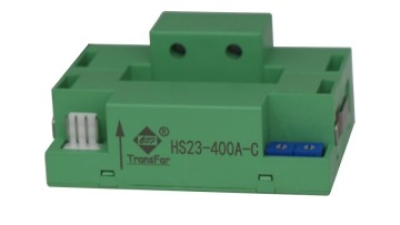
The HS23-C Series Current Sensor/Transducer represents a significant innovation in enhancing energy efficiency across various applications. Leveraging the open-loop Hall effect principle, these sensors provide rapid response times with minimal current consumption, making them ideal for both direct current (DC) and alternating current (AC) measurements, as well as pulsating current scenarios. According to market research, the global current sensor market is projected to reach USD 4.3 billion by 2027, highlighting the increasing demand for energy-efficient solutions in industrial and commercial sectors.

One of the key features of the HS23-C Series is its fully enclosed design, which ensures high isolation and pressure resistance. This characteristic is critical for applications in environments with extreme conditions, where high mechanical strength and resistance to elevated temperatures and humidity are essential. Industry reports indicate that sensors operating in harsh environments improve safety and reliability, thus reducing maintenance costs and downtime for businesses. As energy consumption becomes a focal point for sustainability, current sensors like HS23-C are paving the way for smarter monitoring and control systems, ultimately leading to more efficient energy use across the board.

FAQS

: What are core balance current transformers (CBCTs) used for?

: CBCTs are used for energy monitoring, particularly in industrial and commercial applications, providing real-time monitoring of leakage currents and contributing to operational safety.

How do CBCTs enhance energy efficiency?

By enabling better management of electrical loads, CBCTs help identify and mitigate energy inefficiencies, which can account for 5-10% of total energy consumption, ultimately optimizing energy use and reducing operational costs.

What should be considered when choosing a CBCT?

When selecting a CBCT, it is essential to verify the specific voltage and current ratings required for your application and consider models with nanocrystalline cores for improved accuracy and reduced losses.

What are the benefits of using nanocrystalline core models in CBCTs?

Models with nanocrystalline cores significantly reduce losses, improve linearity, and enhance overall system efficiency, making them a preferred choice for energy monitoring.

Why is regular maintenance important for CBCTs?

Regular maintenance and calibration of CBCTs are crucial to ensure their accuracy and longevity in energy monitoring applications, helping to maintain reliable performance over time.

How can homeowners benefit from installing CBCTs?

Homeowners can significantly benefit from installing CBCTs by effectively monitoring their solar power systems, detecting voltage anomalies, preventing damage, and optimizing energy utilization.

What impact do CBCTs have on fire safety in electrical systems?

CBCTs play a critical role in improving fire safety by ensuring rapid detection of earth faults and abnormalities, significantly reducing the risk of electrical equipment failures and potential fire hazards.

What role do CBCTs play in the evolution of smart grids?

As smart grids evolve and integrate more renewable energy sources, the demand for precise energy monitoring solutions like CBCTs increases, helping users maintain better control over their energy systems.

How can the installation of CBCTs prevent issues in electrical systems?

Proper installation of CBCTs can prevent issues such as busbar overload and voltage fluctuations, ensuring efficient operation and enhancing the accuracy of energy consumption measurements.

What is the projected growth of the CBCT market?

The CBCT market is projected to reach significant milestones in the coming years, driven by the increasing demand for real-time power monitoring and the integration of renewable energy sources.

Conclusion

Hey, have you read that article called "Revolutionizing Energy Monitoring with Core Balance Current Transformers: A Comprehensive Guide"? It really dives into how CBCTs are changing the game when it comes to modern energy monitoring. The piece breaks down all the different types of CBCTs out there and shows where each one fits in, basically explaining the core principles that make them so crucial for getting accurate energy readings. One of the cool things it highlights is how CBCTs are a step up from the traditional current transformers — they’re safer, more reliable, and way more efficient, which is pretty impressive.

The article also shares some handy tips on installing these transformers into your existing systems, making sure you get the best performance out of them. Plus, it takes a peek into the future of energy tech, emphasizing how important CBCTs are going to be in shaping smarter energy management. And it’s clear that companies like Beijing TransFar Electronics Group are all-in on developing the latest tech, including these CBCTs, to keep up with the rapidly changing energy world. Overall, it’s a solid read if you want to get a good sense of how innovations like CBCTs are making a real difference.


Lila

Lila

Lila is a dedicated marketing professional at Beijing Chuang Sifang Electronic Group Co., Ltd., where she leverages her extensive knowledge of the company's innovative products to drive engagement and awareness. With a keen understanding of the electronics industry, Lila plays a crucial role in......
Previous Exploring the Benefits of Current Transformers for Efficient Energy Management