In today’s fast-moving energy world, everything’s about being efficient and reliable — that’s how you keep things running smoothly and sustainably. As a high-tech company, Beijing TransFar Electronics Group is really pushing the envelope when it comes to innovation. They focus on developing and manufacturing cutting-edge energy solutions, like new energy current and Voltage Sensors, along with specialized transformers. Upgrading current transformers — it might sound technical, but honestly, it’s a pretty big deal for making energy systems moreefficient overall. It helps us monitor and control electrical setups better, which is crucial these days.
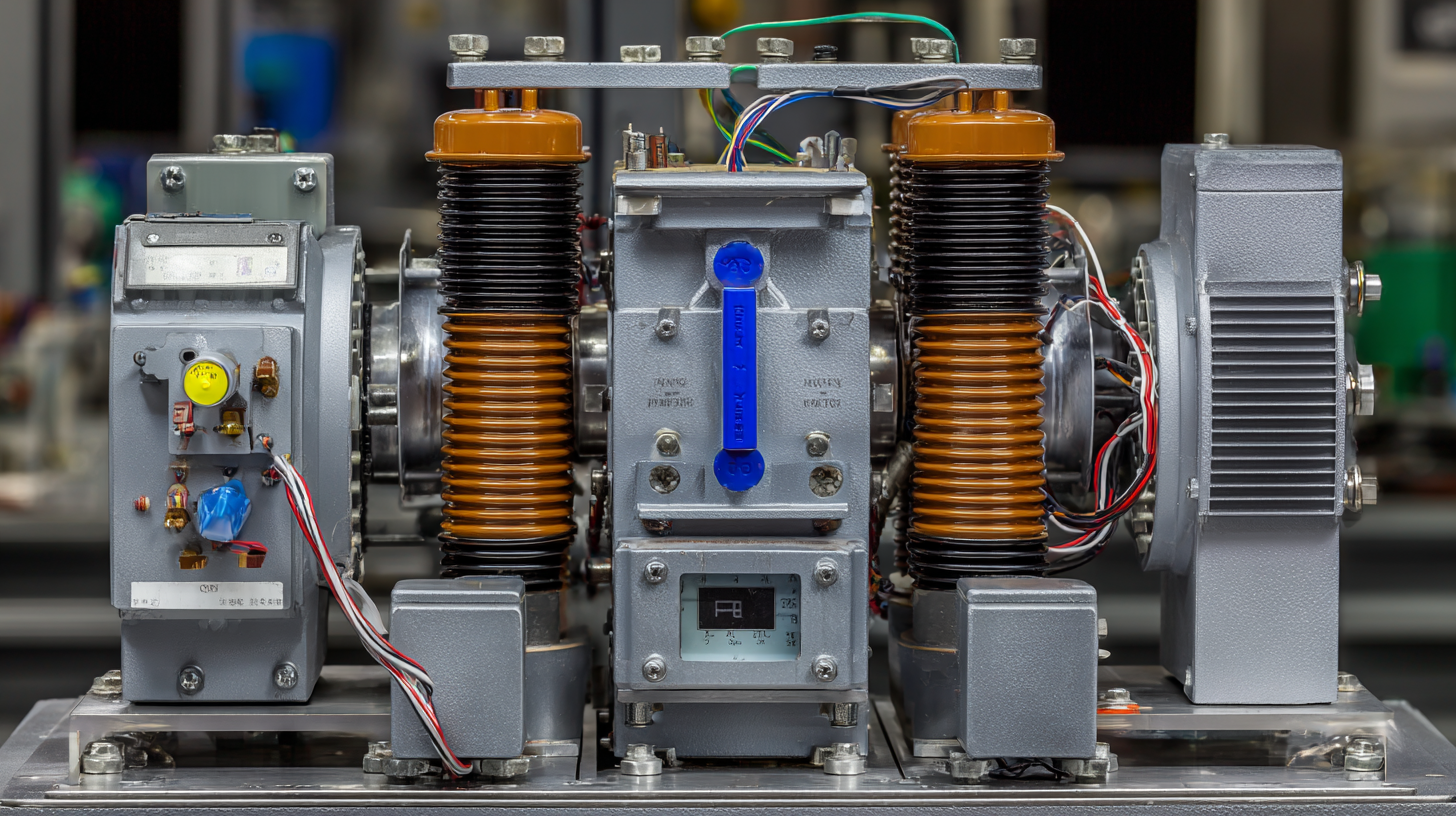
In this article, we’ll go over some key strategies for upgrading these transformers and highlight how advanced tech and smart design can really make a difference. With our expertise in electromagnetic components and charging infrastructure, we hope to help businesses boost their operational performance while cutting costs and making energy use a whole lot more efficient — it’s all about working smarter, not just harder.
Understanding Current Transformer Basics and Their Role in Efficiency
Current transformers, or CTs for short, might sound a bit technical, but they really are a key part of electrical systems. Basically, they help measure the flow of alternating current (AC) and keep things safe by isolating different parts of the system. Think of them like a translator—they step down huge currents into smaller, manageable ones so that we can keep an eye on what's going on and make sure everything's running smoothly. If you understand how CTs work—their design and how they operate—you’re better equipped to improve power management and efficiency. When CTs are working well, they give us accurate readings of energy use, which helps us make smarter decisions about saving power and cutting down costs.
Upgrading your current transformers can really make a difference. The newer models today use advanced materials and tech that deliver better accuracy and lose less energy along the way. As our electrical systems grow more complex and there’s more focus on being energy-efficient, modern CTs come with cool features like digital outputs and the ability to connect with monitoring systems. This means you can analyze and control things in real-time, making your whole setup more reliable and cost-effective. Honestly, investing in updated CTs isn’t just about performance—it’s about building a smarter, more efficient energy future for everyone.
Identifying Limitations of Traditional Current Transformers
Traditional current transformers, you know, those old-school devices we've relied on for ages to keep tabs on current flow in electrical systems? They're pretty much a staple. But honestly, they do come with their fair share of problems that can hold back efficiency and accuracy. For example, they struggle when it comes to measuring really low currents—something that's becoming super important with the high-precision stuff we need now. And let’s not forget, during those push-the-button peak loads, they can get saturated, which messes up the measurements and can even pose risks if you’re not careful. It’s like watching your data get distorted right when you need it most. Not great, right?
Plus, these traditional CTs are usually larger and less flexible than the newer tech out there. They don’t play well with modern digital systems, which makes integrating them into smarter monitoring setups kind of a pain. And since they lack any kind of smart features—no real-time data, no fault detection—they miss out on opportunities to spot issues early or do proactive maintenance. The good news? Upgrading to more advanced current transformers can really solve a lot of these problems. They tend to give better accuracy, work well even at lower currents, and fit nicely into digital networks. As more and more organizations are pushing for smarter, more efficient energy management, addressing the limitations of old-school CTs isn’t just a good idea—it’s becoming essential for keeping up and staying reliable.
Exploring Modern Upgrade Solutions for Current Transformers
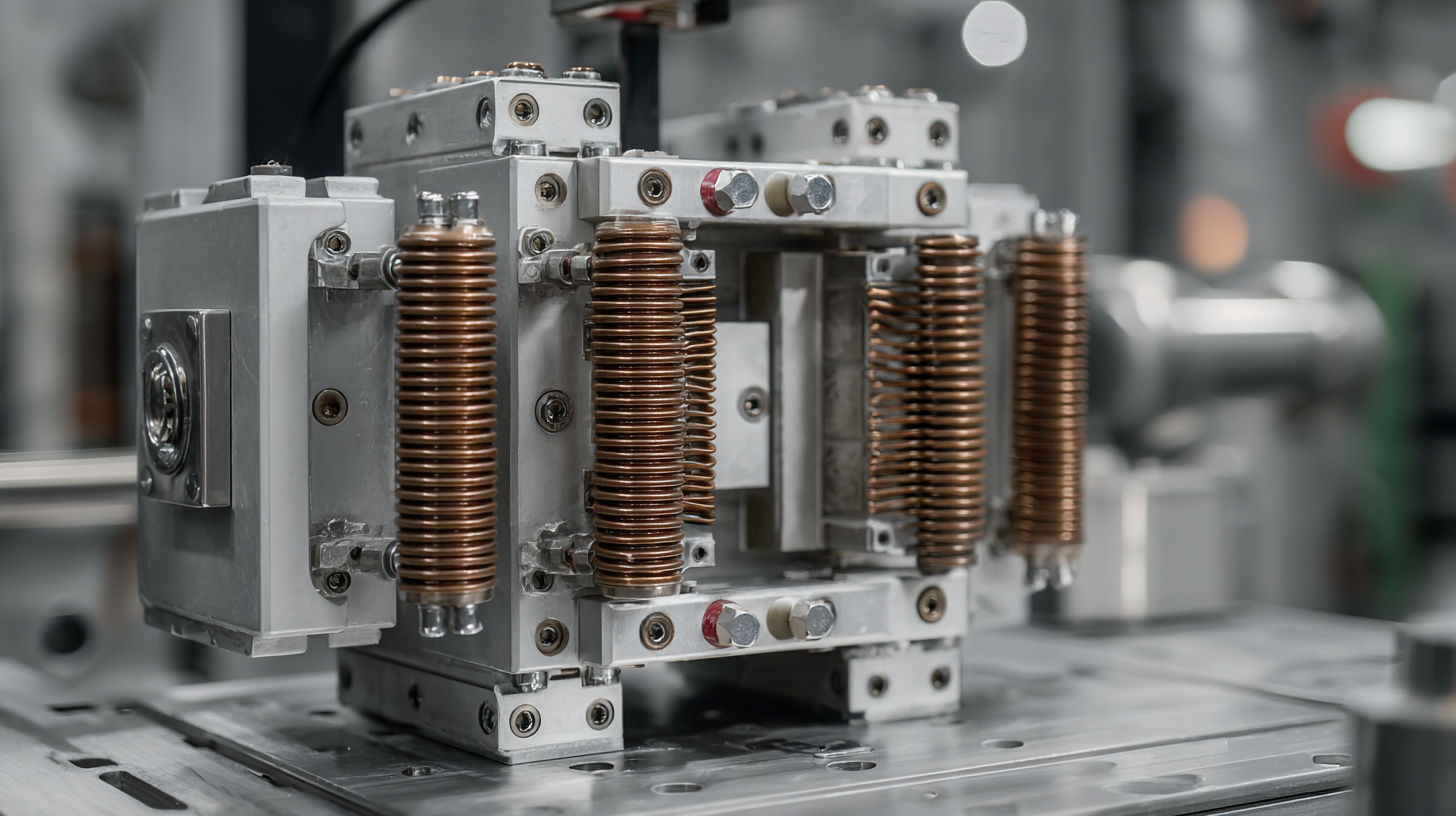
You know, current transformers (CTs) are pretty much essential when it comes to electrical systems. They give us those vital measurements that help monitor and control how power flows around. As energy usage patterns keep changing, it’s more important than ever to give these devices a good upgrade—otherwise, we risk losing efficiency and reliability. Nowadays, the newer solutions for upgrading CTs use cutting-edge sensor tech that really boosts accuracy and overall performance. It’s a lot easier now to handle more complex energy systems without breaking a sweat.
By the way, Beijing TransFar Electronics Group Co., Ltd. is leading the way with innovative designs and manufacturing of current and voltage sensors, especially for new energy applications. Recent industry chatter suggests that switching to high-tech CTs can cut measurement errors by up to 30%. That’s a big deal—it means better grid management and lower operating costs. So, investing in the latest CT tech doesn’t just make things more efficient; it also helps push us toward a more sustainable energy future.
A quick tip—consider swapping out your older, less efficient CTs for high-precision models. Those usually come with improved temperature stability and can handle a broader range of frequencies. Plus, it’s a smart move to regularly check your current transformer setups to see if there’s room for upgrades. Staying up-to-date with the latest industry standards and tech advancements can really make a difference. And, by the way, deploying smart grid solutions can really optimize how energy is distributed and boost your system’s overall resilience—no kidding.
Current Transformer Efficiency Enhancements
This chart illustrates the efficiency improvements in current transformer upgrades over the past five years, highlighting key advancements in technology and their respective impacts on performance metrics.
Assessing the Impact of Upgraded Transformers on Operational Efficiency
Upgrading transformers is becoming more and more important if we want to make our power systems run smoothly these days. You know, adding smart tech like temperature sensors that can monitor the equipment in real-time is a game changer. It’s pretty cool how just having better accuracy in measuring temperatures can really boost a transformer’s reliability—fewer breakdowns, less money spent on repairs, and overall, fewer headaches. For example, some data suggests that these improved sensors can boost efficiency by as much as 20%, which means better load management and energy distribution without breaking a sweat.
On top of that, the new generation of transformers—particularly those designed to work with renewable energy sources—are making things even more efficient. They’re built to handle the unpredictable power swings from things like solar and wind, helping keep the grid stable and reliable. Studies show that using these advanced transformers can increase energy transfer efficiency by more than 15% compared to older models. All in all, these upgrades aren’t just about smoother operation; they’re also a big step toward making our energy systems more resilient and eco-friendly. It’s clear that upgrading transformers is a crucial part of modernizing the whole energy landscape, don’t you think?
Implementing Best Practices for Current Transformer Installation and Maintenance
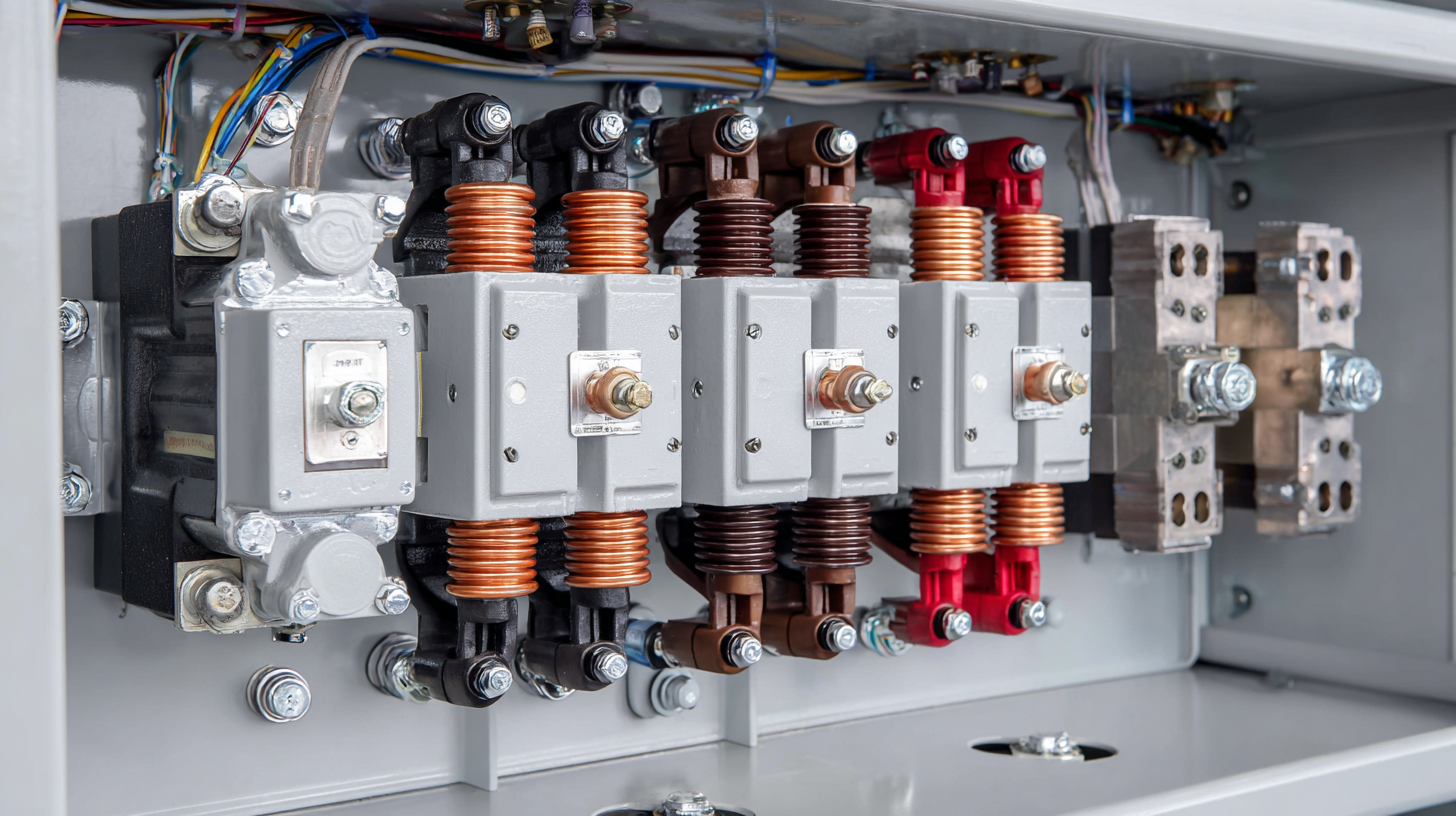
Upgrading your current transformers (CTs) is really key if you want to boost the efficiency of your energy systems. Making sure they're installed correctly and maintained well can really cut down on energy losses and help keep things running smoothly. I recently came across a report saying that managing your CTs properly can improve the overall system performance by as much as 15%. That just goes to show how important it is to follow the right practices.
When you're putting in new current transformers, double-check that they’re placed just right and insulated properly—this can help avoid electrical hiccups down the line. And don’t forget regular check-ups! Studies show that nearly 30% of electrical failures stem from transformers that haven’t been maintained properly. Setting up a solid maintenance schedule can really save you a lot of headache later on.
**A few tips:**
1. Always stick to the manufacturer’s installation guidelines—it's the best way to stay safe and compliant.
2. Use diagnostic tools periodically to test the CTs and catch any issues before they turn into big problems.
3. Keep your team updated with the latest in technology and maintenance methods—things are evolving fast in this field, after all.
At Beijing TransFar Electronics Group Co., Ltd., they’re all about applying cutting-edge tech and sticking to strict maintenance routines to get the most out of their new energy Current Sensors and transformers. It’s all about staying ahead and making sure everything works at its best!
How to Enhance Efficiency with Current Transformer Upgrade Solutions - Implementing Best Practices for Current Transformer Installation and Maintenance
| Dimension | Description | Best Practice | Expected Outcome |
| Transformer Rating | Power rating suitable for system load | Conduct a load analysis | Optimized performance and energy efficiency |
| Installation Alignment | Proper physical placement of the transformer | Ensure alignment with system specifications | Reduction in installation errors |
| Routine Maintenance | Regular checks to ensure optimal functioning | Schedule regular maintenance visits | Extended transformer lifespan |
| Testing Procedures | Diagnostic tests for performance evaluation | Implement standardized testing protocols | Early detection of potential issues |
| Documentation | Records of installation and maintenance | Maintain accurate and updated records | Easier tracking of performance changes |
Measuring Performance Improvements Post Upgrade and Future Considerations
Updating your current transformers (CTs) can really make a difference when it comes to measurement accuracy and overall system efficiency. Once you've done the upgrade, it’s super important to check how well things have improved. You’ll want to do some thorough testing and analyze the data, focusing on things like how accurate they are, how quickly they respond, and whether they saturate under load. Comparing the results before and after the upgrade helps you see exactly how much benefit the new tech is bringing to the table, which is pretty cool.
Looking ahead, it’s worth thinking about whether these upgraded CTs will play nicely with your existing systems as you grow. Technology is always changing, so making sure the new transformers can smoothly fit into your automation setups and work well with fancy analytical tools is key. Also, don’t forget about regular maintenance and calibration—those little steps keep everything running smoothly and make sure your improvements stick around. And hey, keep an eye on the latest tech trends too! Staying up-to-date means you can snag the latest advancements, stay ahead of industry shifts, and keep your operations running at their best.
FAQS
: The primary function of current transformers is to measure alternating current (AC) and provide isolation for safety, allowing for accurate monitoring and regulation of electrical flow.
Current transformers enhance energy efficiency by stepping down high currents to manageable levels, enabling accurate measurement of energy consumption which informs decision-making regarding energy use and savings.
Modern current transformers are designed with advanced materials and technologies that yield better accuracy, reduced energy losses, and improved temperature stability and frequency response.
Upgrading to advanced current transformer technologies can reduce measurement errors by up to 30%, leading to better grid management and significant reductions in operational costs.
Modern current transformers are incorporating smart technology such as digital outputs and connectivity to monitoring systems, enabling real-time analysis and control of energy systems.
Regular evaluation of current transformer setups is important to identify upgrade opportunities, ensuring alignment with the latest industry standards and technology advancements for improved efficiency and reliability.
Current transformers are essential in smart grid solutions as they help optimize energy distribution and contribute to overall system resilience, supporting a more sustainable energy ecosystem.
Investing in new current transformer solutions enhances overall efficiency, supports sustainable energy practices, and reduces operational costs through improved accuracy and performance.
Adopting advanced current transformer technologies can lead to significant improvements in grid management, minimizing operational issues and allowing for more effective energy distribution.
Companies should consider replacing older current transformers with high-precision models that offer enhanced accuracy, better temperature stability, and a wider frequency response to improve overall performance.
Conclusion
The article titled "How to Boost Efficiency with Current Transformer Upgrades" dives into the crucial role that current transformers (CTs) play in making electrical systems run smoother and more efficiently. It kicks off by breaking down what current transformers are and why they matter when it comes to keeping everything running reliably. You know, as traditional CT models start showing their age—losing accuracy or reliability—the article points out some pretty cool modern upgrade options that tackle these issues head-on.
It also discusses how upgrading your transformers can really give your operations a much-needed boost, sharing practical tips on how to install them right and keep things maintained over time. Oh, and they stress the importance of tracking performance after the upgrade—because what’s the point if you don’t see any improvement, right? Since Beijing TransFar Electronics Group Co., Ltd. specializes in innovative energy solutions, this article really offers some solid insights for industries thinking about upgrading their current transformers for better efficiency and overall system health.