TransFar Electronics

Inquiry
Form loading...
- Phone
- E-mail
- WhatsApp
- WeiChat

TransFar Electronics
In today's fast-changing world of electrical systems, upgrading your Current Sensors has becomepretty much essential if you want to boost efficiency and reliability. I came across this recent report from ResearchAndMarkets, and it says the global market for current sensors is expected to hit around $3.2 billion by 2027. That’s mainly because more and more industries—like renewable energy setups and electric vehicles—are craving better monitoring and control tech. 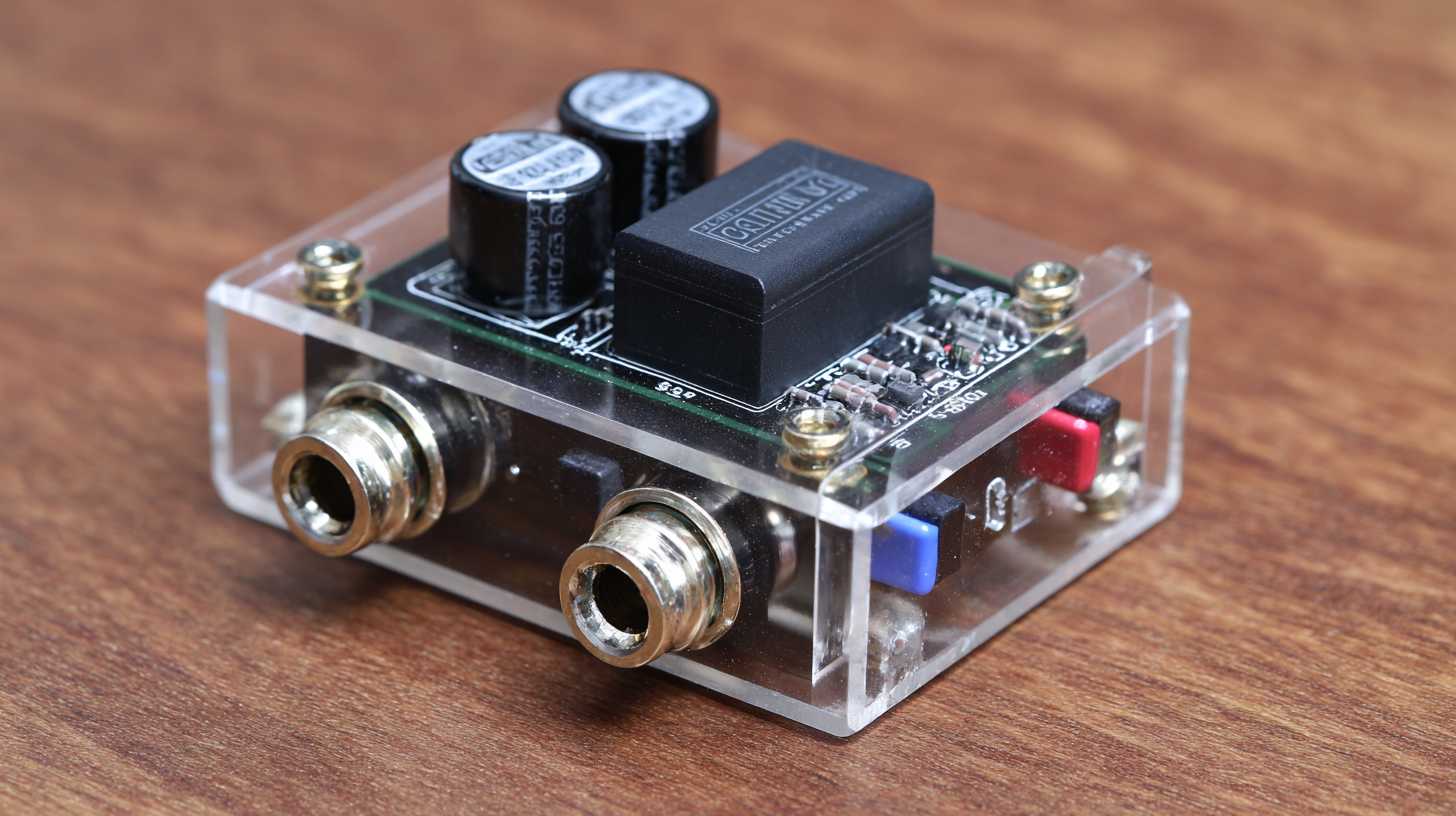 At Beijing TransFar Electronics Group Co., Ltd., they’re really ahead of the game, offering innovative solutions like new energy current and Voltage Sensors, plus high-precision electromagnetic parts. By adopting the latest sensor tech, companies can get a handle on their energy management, cut down on operational costs, and stay compliant with tough regulatory standards. All of this helps them stay competitive in a market that’s definitely moving towardssustainability and smarter, more efficient tech.
If you're looking to boost your electrical systems, upgrading to more advanced current sensors is definitely a smart move. They bring a bunch of benefits—really helping improve both performance and reliability. These sensors are key when it comes to keeping an eye on energy use and system efficiency, basically forming the backbone of smart grid tech. Recent industry reports even show that switching to better sensors can cut energy losses by around 20-30%. It’s a huge step forward, especially with everyone’s push towards more sustainable energy and decarbonizing power systems.
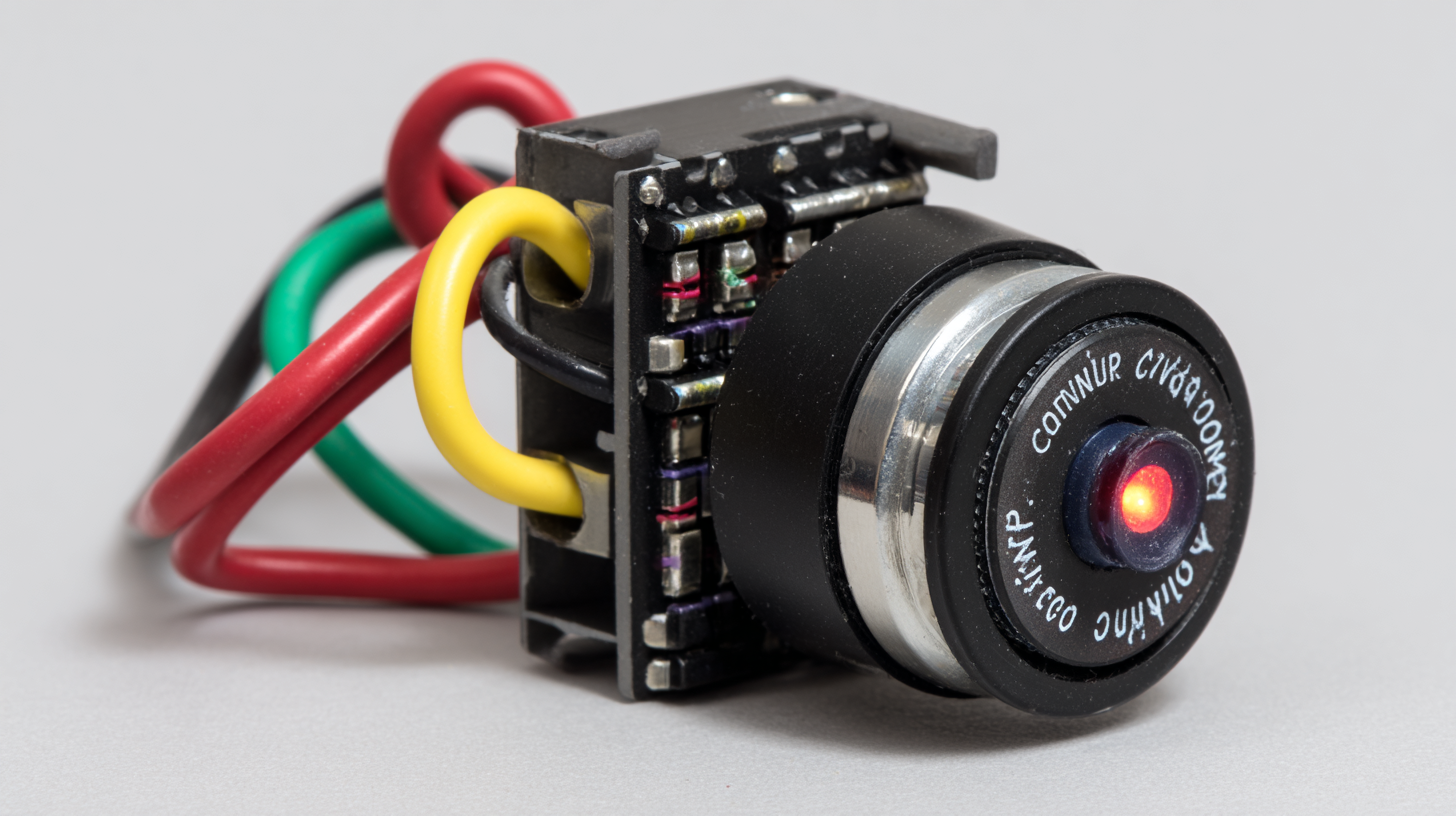
And the latest sensor tech trends, like the Internet of Things (or IoT), make things even more exciting. They let us collect and analyze data in real time, which is becoming more and more important these days. Not only do these advanced sensors give us deep insights into how energy is being used, but they can also help with predictive maintenance— potentially reducing downtime by up to 40%. With energy storage tech getting better and hybrid renewable systems becoming more common, the need for smart, sophisticated current sensors is clearer than ever.
They help better integrate different energy sources and make the whole system more resilient. Investing in these sensor upgrades is a smart move for companies wanting to stay ahead—the benefits include higher efficiency and, let’s be honest, helping us all move towards a greener future.
In modern electrical systems, the importance of the zero-sequence current transformer cannot be overstated. This device plays a crucial role in accurately measuring zero-sequence currents, critical for fault detection and system monitoring. Specifically designed for busbar current systems ranging from 0 to 500A, it precisely measures currents from 0 to 1A while maintaining a linear range up to 2 times the rated value. Industry reports indicate that effective current monitoring is essential for the prevention of overloads and ensuring the reliability of electrical infrastructure, highlighting the necessity for advanced measuring devices like this transformer.
The compact design of the zero-sequence current transformer, combined with a soft wire lead, significantly eases the installation process while fitting into diverse setups. This becomes increasingly vital as electrical systems grow more complex with the integration of renewable energy sources and smart grid technologies. High-precision measurement performance is another key feature that ensures data accuracy and reliability, providing operators with the information needed to make informed decisions. According to research from the IEEE, systems that utilize advanced measuring equipment report up to a 30% reduction in operational failures, underscoring the transformative impact that devices like zero-sequence current transformers can have on system reliability and performance.
As power systems evolve, the demand for reliable monitoring tools grows. The zero-sequence current transformer stands out as an ideal solution, proving effective in various complex environments. Its robust support fosters the stable operation of power systems, making it an indispensable component in contemporary electrical engineering practices. Understanding and implementing such vital technologies is essential for sustaining the efficiency and safety of today’s electrical grids.
: Traditional current sensors often have limitations in accuracy and responsiveness, leading to inefficiencies, while modern sensors equipped with advanced technologies offer enhanced precision, real-time data analytics, and better load forecasting.
Ensure that the new sensors are compatible with existing infrastructure, evaluate specific performance metrics such as sensitivity and response time, and conduct regular performance reviews to gauge effectiveness.
Look for high accuracy, quick response time, noise immunity, durability for harsh environments, compatibility with existing systems, energy efficiency, and comprehensive data analysis options.
Modern current sensors optimize energy consumption by providing precise monitoring and adapting to dynamic system changes, potentially reducing energy costs by up to 15%.
The growth is driven by the increasing demand for efficient electrical systems, accurate electrical consumption monitoring, and the push for renewable energy sources.
Upgraded current sensors improve reliability and performance, resulting in reduced energy costs and maintenance expenditures, which contribute to significant long-term savings.
Energy-efficient sensors consume minimal power while maintaining high performance, helping to reduce operational costs and support greener practices in electrical management.
The current sensor market is expected to grow at a compound annual growth rate (CAGR) of approximately 5.2% from 2020 to 2025, reaching a market size of USD 2.76 billion by 2025.
Advancements such as artificial intelligence and advanced data fusion techniques have led to more effective collaborative analysis and real-time monitoring capabilities in modern current sensors.
Quick response time is crucial for detecting changes in current seamlessly, allowing for effective real-time monitoring and preventing potential issues related to fluctuations.
Upgrading your electrical systems with the latest in current sensor technology can really make a difference. You’ll notice better performance, more energy savings, and, of course, safer operations. When you compare the new sensors to the older models, it’s clear they’re more accurate and respond faster—things you definitely want when it comes to electrical safety and efficiency. Some key features to look out for in these next-gen sensors include increased sensitivity, improved thermal stability, and compatibility with modern electrical setups. And, just a heads-up—sticking to industry standards is super important to make sure everything gets installed safely and runs smoothly.
If you do a quick cost-benefit check, it becomes obvious that investing in these sensors pays off in the long run. You save on maintenance costs and get a more reliable system. There are plenty of real-world examples showing how companies have successfully made the switch and benefited across different applications. For a company like Beijing TransFar Electronics Group Co., Ltd., which is all about innovative energy solutions, upgrading their current sensors isn’t just a good idea—it’s essential for staying competitive in today’s fast-changing electrical market.