Inquiry
Form loading...
0%

In today’s super competitive world of smart energy solutions, integrating the latest tech is basically essential if you wanna boost both efficiency and sustainability. One of the coolest innovations happening right now is the Current Sensor Upgrade technology. It’s a game-changer when it comes to making energy management systems work better. By upgrading these sensors, companies can get way more accurate readings—meaning they can keep closer tabs on energy use, cut down on waste, and make their systems run smoother overall. A big player in this space is Beijing TransFar Electronics Group Co., Ltd. — they’re a high-tech company that specializes in designing, researching, and manufacturing new energy current and Voltage Sensors. They’re really leading the charge here, offering solutions that not only meet the industry’s changing needs but also support larger goals like saving energy and cutting emissions. As energy management gets smarter and smarter, this Current Sensor Upgrade tech is becoming more crucial than ever for boosting efficiency and pushing sustainability across a bunch of different applications.
Enhancing Efficiency with Current Sensor Upgrade Technology for Smart Energy Solutions

Understanding Current Sensor Technology and Its Role in Smart Energy Solutions

You know, current sensor technology is honestly a game-changer when it comes to pushing forward smart energy solutions. It allows us to keep a close eye on electrical systems in real-time, so we can see exactly how energy is being used and how well everything’s performing. This kind of info is super important if we want to make things more efficient and cut down on waste. With advanced measurement tools at their disposal, these sensors help us manage power grids more intelligently and give a real boost to renewable energy systems. It’s not just about keeping the lights on — it’s about making energy use more sustainable, whether it's in homes or businesses.

At Beijing TransFar Electronics Group Co., Ltd., we’re pretty proud to be right there in the thick of this tech revolution. Our team focuses on designing and making innovative current sensors that are up to the challenge of today’s booming new energy scene. From electric Vehicle Chargers to high-precision electromagnetic parts, our solutions aim to be reliable and top-notch. We’re always investing in R&D to improve our sensors’ performance and accuracy, and honestly, it’s all about supporting the bigger goal — a global shift toward smarter, greener energy management and more sustainable practices.

Identifying Key Benefits of Upgrading Current Sensors for Enhanced Efficiency

Enhancing Efficiency with Current Sensor Upgrade Technology for Smart Energy SolutionsUpgrading current sensors is a pretty important step when it comes to making smart energy systems work more efficiently. One of the biggest perks here is that these newer sensors are way more accurate at keeping track of energy use. They’re super sensitive and precise, so they can gather real-time data that helps spot where things are wasting energy. That kind of info is gold – it helps us manage loads better and optimize how energy is used, which ends up saving money for both homeowners and businesses, without a doubt.

Plus, a cool thing about these upgraded sensors is how smoothly they play with smart grid tech and analytics. They make it easy for devices to talk to each other, pooling data from various sources. This interconnected setup means better decision-making, since it gives us practical insights we can actually act on. And, on top of that, the new sensors can even support predictive maintenance — kinda like a health check for the system, catching problems early so they don’t get out of hand. That keeps everything running smoothly and makes the whole system last longer, which is a win for everyone.

Exploring the Integration of Current Sensors in Smart Energy Management Systems

You know, integrating current sensors into smart energy management systems is really a game-changer. It’s such a big step forward in making industries more efficient, especially now when everyone’s craving reliable energy solutions. The market for these sensors is booming right now, mainly because of all the cool innovations happening in sensor tech. You’ve got different types—like Hall effect sensors, resistive sensors, and current transformers—that are all gaining popularity, each suited for specific needs. And if you look at the market segmentation, there are open-loop and closed-loop sensors, each with their own perks when it comes to performance and accuracy.

On top of that, the rise of smart tech is totally shaping the current sensor scene. These days, companies are deploying advanced sensors to keep an eye on energy use in real-time—helping to cut costs, boost safety, and use energy more wisely. As these technologies keep getting better, it’s clear that the future of smart energy solutions depends heavily on smoothly integrating these cutting-edge sensors. They’re really key players in pushing energy efficiency and making sustainability a reality in smart energy systems.

Enhancing Efficiency with Current Sensor Upgrade Technology for Smart Energy Solutions

Parameter Description Value Unit
Current Sensor Type Type of current sensor used in smart systems Hall Effect -
Measurement Range Range of current that can be accurately measured 0 to 100 A
Response Time Time taken to respond to changes in current 2 ms
Accuracy Accuracy of the current measurement ±1 %
Operating Temperature Temperature range for operation -40 to 85 °C
Power Consumption Power required for sensor operation 15 mW
Communication Protocol Protocol used to communicate with the system I2C -

Implementing Best Practices for Current Sensor Upgrades in Existing Infrastructure

Upgrading the current sensors in our existing energy infrastructure is really key if we want to boost efficiency in smart energy solutions. I recently came across a report by MarketsandMarkets that estimates the global smart energy market could hit around $400 billion by 2025 — that really shows there's a rush to develop better sensor tech. These advanced sensors are crucial for utilities to handle rising energy demands while also keeping performance on point. If we follow best practices when upgrading sensors, it doesn’t just improve how we manage energy; it can also slash operational costs—those costs make up about 30% of total energy sector expenses, according to Deloitte.

Enhancing Efficiency with Current Sensor Upgrade Technology for Smart Energy Solutions

At Beijing TransFar Electronics Group, we’re focused on creating the latest current and voltage sensors, which are vital for this new wave of smart energy. Our solutions are designed to smoothly fit into existing setups, giving energy providers real-time insights and data-driven options. By sticking to industry standards and pushing innovative designs, our sensor upgrades help maximize efficiency and sustainability. This plays right into global efforts to build smarter, greener cities. Using our advanced tech, energy efficiency could see improvements of around 20-30%, making our products pretty essential for what's coming next in the industry.

Evaluating the Impact of Current Sensor Upgrades on Energy Consumption and Cost Savings

When you really sit down to evaluate these current sensor upgrades, it’s pretty clear they play a huge role in how we understand energy use and save costs. Modern smart energy solutions now use cutting-edge sensors that give us real-time info on how electricity is being used. That means we can manage our energy resources way more efficiently. By adding high-precision current sensors, companies can get a much clearer picture of how energy flows, spot where things aren’t running smoothly, and then come up with plans to cut down on waste. It’s basically a proactive way to optimize energy use and, over time, slash operational expenses.

But it doesn’t stop there. These upgrades also make predictive maintenance and load balancing possible, which means even more savings. With better insights into energy patterns, businesses can tweak their energy consumption during those pesky peak times. Taking advantage of cheaper, off-peak rates can make a noticeable difference—especially for industries that use a ton of energy. As energy prices keep climbing, investing in current sensor tech isn’t just smart—it’s a strategic move that can pay off in the long run. Plus, it helps promote more sustainable energy habits, which we all kind of need these days.

Impact of Current Sensor Upgrades on Energy Consumption and Cost Savings

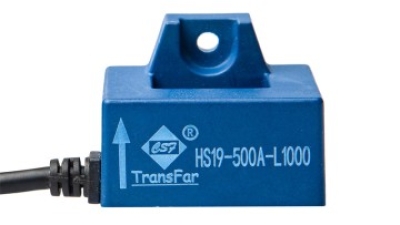
An In-Depth Look at HS19-A-C Series Current Sensor: Features, Applications, and Benefits

The HS19-A-C series current sensor stands out in its category by offering an advanced open-loop Hall effect design, ideal for a variety of applications. One of its remarkable features is the analog output capability, which facilitates seamless integration with existing monitoring systems. The 2.54 pitch connector link enhances usability, ensuring a secure and straightforward connection while accommodating various wiring setups. This makes the HS19-A-C perfect for measuring isolated DC and AC pulse currents, as well as any irregular current fluctuations that might arise during operation.

With a fast response time and wide broadband performance, the HS19-A-C sensor excels in demanding environments, such as those found in welding machines. Its robust design ensures reliability and accuracy, crucial for industries where precision and efficiency are paramount. Additionally, the sensor's versatility allows it to be employed in diverse sectors, further solidifying its status as an essential tool for current measurement. Whether it's monitoring welding processes or managing electrical currents in industrial applications, the HS19-A-C series offers unmatched benefits that cater to the needs of modern users.

FAQS

: What is the role of current sensor technology in smart energy solutions?

: Current sensor technology enables precise monitoring and management of electrical systems, providing real-time data on energy consumption and performance essential for optimizing efficiency and reducing waste.

How do upgraded current sensors improve energy efficiency?

Upgraded current sensors improve accuracy in monitoring energy consumption, allowing for better load management and optimization, which minimizes energy waste and lowers operational costs.

What are the benefits of improving the accuracy of current sensors?

Improved accuracy in current sensors allows for real-time data collection, helping to identify inefficiencies and facilitating smarter decision-making regarding energy usage.

How do enhanced current sensors integrate with smart grid technology?

Enhanced current sensors allow for seamless communication between devices, enabling data aggregation from multiple sources which fosters improved decision-making and energy management.

What impact do current sensors have on renewable energy systems?

Current sensors enhance the operational efficiency of renewable energy systems by providing critical data for smarter grid management and promoting sustainable energy consumption practices.

How does Beijing TransFar Electronics Group contribute to current sensor technology?

Beijing TransFar Electronics Group specializes in developing innovative current sensors to meet the needs of the new energy sector, focusing on research and development to improve performance and accuracy.

What is predictive maintenance in the context of current sensors?

Predictive maintenance involves using data collected by upgraded current sensors to identify potential issues before they become critical, ensuring uninterrupted service and extending system longevity.

What types of applications utilize current sensors?

Current sensors are used in various applications, including electric vehicle charging stations and precision electromagnetic components, supporting the growing demands of the new energy sector.

Why is real-time data collection important for energy management?

Real-time data collection is vital as it helps identify inefficiencies and allows for timely adjustments to optimize energy usage, ultimately leading to cost savings and enhanced system performance.

Conclusion

So, I recently came across an article called "Enhancing Efficiency with Current Sensor Upgrade Technology for Smart Energy Solutions," and honestly, it dives into some pretty important stuff about how current sensors are key to making smart energy management work better. The piece really stresses how getting a good handle on current sensor tech—and knowing how to smoothly bring it into your smart energy setups—can seriously boost efficiency. Basically, upgrading these sensors isn’t just a nice add-on; it means better performance, less energy waste, and yep, some pretty noticeable savings on costs too.

It also walks you through tips and best practices for rolling out these upgrades without messing up your existing systems—making sure everything stays smooth while you get the most out of the upgrades. And at the end of the day, it highlights how these sensor upgrades actually make a real difference when it comes to cutting down energy use, which just underlines how crucial these tech improvements are when we're aiming for smarter, greener energy solutions.
Lila

Lila

Lila is a dedicated marketing professional at Beijing Chuang Sifang Electronic Group Co., Ltd., where she leverages her extensive knowledge of the company's innovative products to drive engagement and awareness. With a keen understanding of the electronics industry, Lila plays a crucial role in......
Previous Exploring the Benefits of Current Transformers for Efficient Energy Management