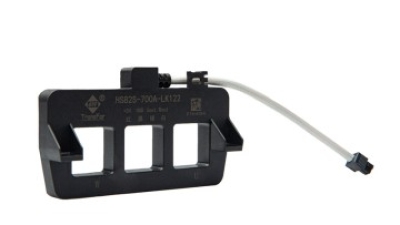
In the world of electrical engineering these days, picking the right Voltage Sensor is super important if you want your project to succeed—especially when accurate voltage monitoring and control are involved. According to the 2023 Global Voltage Sensor Market Report, the industry is expected to grow about 7.5% annually over the next five years. That’s mainly because there's a rising demand for smarter sensing tech in things like smart home appliances, renewable energy setups, and industrial uses. All of this just goes to show how crucial it is to really understand what makes a high-quality Voltage Sensor stand out among the rest.
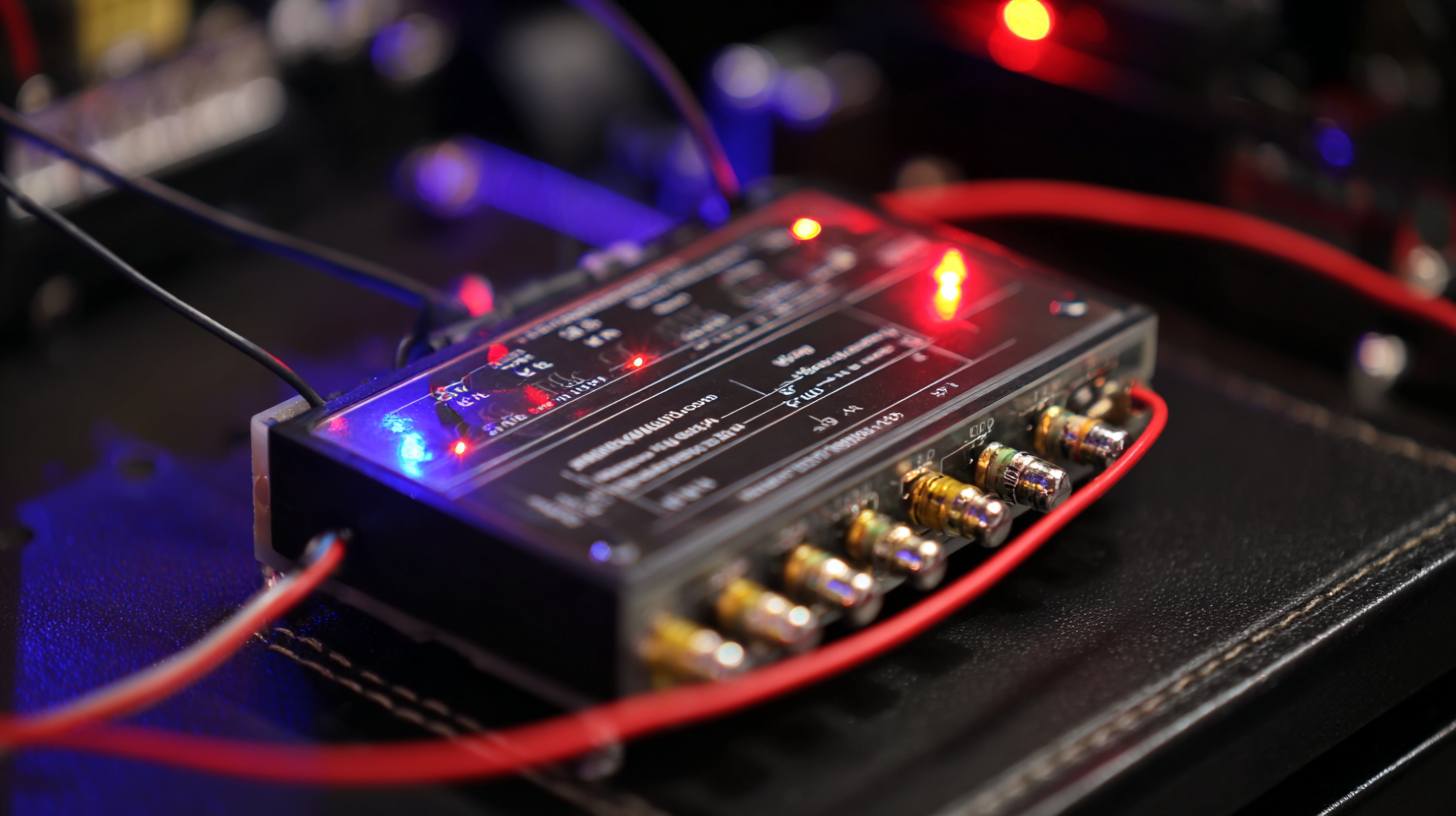
Dr. Sarah Thompson, a well-known expert on sensor tech at ElectraTech Innovations, mentions, “The kind of Voltage Sensor you choose can really impact how well your system performs and how efficient it is. So, making the right choice is a big deal for engineers and developers alike.” Her insights remind us that it’s key to get familiar with the different types of Voltage Sensors out there — whether they're analog or digital — so you can pick the best fit for your project. Following the ten tips outlined in this guide will hopefully make the whole selection process less overwhelming, helping you make smarter decisions and get the most out of this essential technology.
Understanding Different Types of Voltage Sensors Available on the Market
When selecting a voltage sensor for your projects, it is crucial to understand the various types of voltage sensors available in the market. There are primarily three main categories: analog sensors, digital sensors, and isolation voltage sensors. Analog sensors provide continuous voltage readings, making them ideal for applications where consistent data monitoring is essential. In contrast, digital sensors offer discrete readings, which can enhance the reliability of voltage measurements in specific conditions.
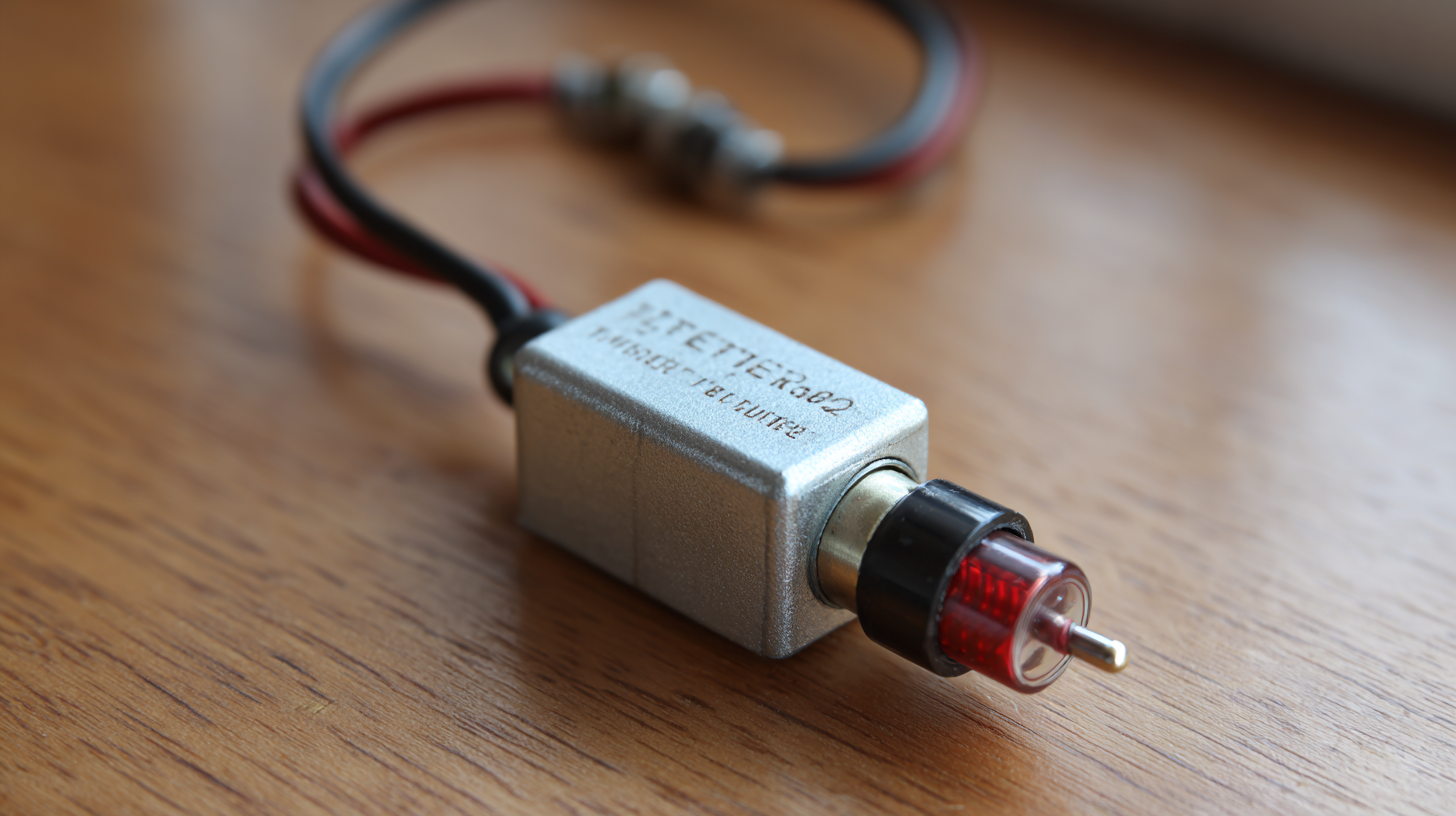
Isolation voltage sensors are essential for ensuring that the measurement circuit is electrically isolated from the high voltage circuit. This feature is particularly important in safety-critical applications where preventing short circuits and protecting sensitive components is a primary concern. Additionally, with the increasing focus on remote monitoring and automation, advanced battery pack sensors are becoming integral in many projects, providing enhanced tracking and analysis of battery performance over time. Understanding these types of sensors will help you make informed choices tailored to your specific project requirements.
Key Factors to Consider When Selecting Voltage Sensors for Your Projects
When selecting a voltage sensor for your projects, one of the key factors to consider is the voltage range and sensitivity that the sensor offers. Different applications may require sensors that can operate within specific voltage limits. Ensure that the sensor you choose can comfortably handle the maximum expected voltage in your project while providing accurate readings at lower voltages. Additionally, examine the sensor's specifications for precision and response time to determine its suitability for your particular application.
Another crucial aspect to consider is the communication interface of the voltage sensor. Depending on your project requirements, you may need a sensor that integrates seamlessly with microcontrollers or other processing units. Common interfaces such as I2C, SPI, or analog outputs can greatly influence how easily the sensor can be integrated into your system. Moreover, consider the Power Supply requirements and size of the sensor, as these factors can impact the overall design and efficiency of your project. By carefully evaluating these elements, you can select a voltage sensor that not only meets your technical needs but also helps streamline your project development process.
Voltage Sensor Selection Criteria
Comparing Accuracy and Precision in Digital Voltage Sensors
When selecting a digital voltage sensor, understanding the difference between accuracy and precision is crucial for the quality of your projects.
Accuracy refers to how close a sensor's measurement is to the true value, while precision denotes the consistency of repeated measurements under the same conditions. In practical applications, a sensor can be highly precise but not accurate, potentially leading to misleading data if its calibration is off.
For example, a sensor that consistently reports a voltage measurement of 5.0V when the actual value is 5.5V demonstrates high precision but poor accuracy. Depending on the project requirements, you may prioritize one over the other.
In applications where exact voltage measurements are critical, such as in calibration or testing circuits, accuracy must take precedence. Conversely, in situations where relative changes are more important than absolute values, a highly precise sensor may suffice. Understanding these differences will help you make a more informed choice tailored to the specific needs of your project.
Evaluating Voltage Sensor Response Time for Optimal Performance
When selecting a voltage sensor for your projects, one of the critical parameters to consider is the sensor's response time, which significantly impacts overall performance. A study showcased the functionality of advanced materials, such as nickel oxide (NiO), in detecting vapors like acetone and isopropyl alcohol under various bias voltages. Research indicates that optimizing these materials can lead to faster detection times, which is essential for real-time applications and maximizing sensor efficiency. Voltage sensors that integrate these advanced sensing materials tend to demonstrate a more rapid response, thus improving their practicality in dynamic environments.
Additionally, the incorporating of decentralized control strategies, particularly in voltage imbalance mitigation for three-phase distribution networks, signals a shift towards more efficient voltage management systems. By employing machine learning and numerical modeling techniques, researchers have demonstrated that such approaches enhance the predictive capabilities of voltage sensors, allowing for quicker adjustments to fluctuating conditions. The ability of voltage sensors to maintain accuracy and responsiveness under varied operational contexts is vital, ensuring that they perform reliably in both consumer electronics and industrial applications.
10 Essential Tips for Choosing the Right Voltage Sensor for Your Projects
| Parameter | Description | Importance | Recommended Value |
| Response Time | The time taken by the sensor to respond to changes in voltage | Critical for dynamic applications where voltage changes are rapid | |
| Voltage Range | The range of voltage the sensor can accurately measure | Ensures the sensor can handle the voltages present in your project | 0-30V |
| Accuracy | The degree to which the sensor measurement reflects the actual voltage | Crucial for applications requiring precise voltage readings | ±1% |
| Temperature Range | Operating temperature limits of the sensor | Important for applications in extreme environments | -20°C to 85°C |
| Output Type | The format of data output from the sensor (analog, digital) | Defines compatibility with your project components | Analog (0-5V) |
| Size | Physical dimensions of the sensor | Affects placement options in your project | Compact design preferred |
| Power Supply Voltage | Voltage required to operate the sensor | Must match your power source for functionality | 5V |
Integration and Compatibility of Voltage Sensors with Your Hardware
When selecting a voltage sensor for your projects, understanding the integration and compatibility with your existing hardware is crucial. According to a recent market analysis by Research and Markets, the global voltage sensor market is expected to grow at a CAGR of 5% over the next five years, driven by the increasing demand for energy-efficient systems. This growth reflects the importance of choosing voltage sensors that seamlessly integrate with various hardware platforms, such as microcontrollers and programmable logic controllers (PLCs). Ensuring compatibility can prevent potential issues like signal interference or inaccurate readings, which are critical in sensitive applications.
Furthermore, different voltage sensors have varying interfaces, such as I2C, SPI, or analog outputs, which directly impact how they communicate with your hardware. A smart choice is to seleCt Sensors that adhere to common communication protocols; a study by theInternational Electrotechnical Commission (IEC) revealed that devices using standardized interfaces show a 30% increase in system reliability due to better integration. Therefore, evaluating the communication capabilities of voltage sensors before making a purchase can significantly enhance the overall performance of your projects, ensuring a smooth and efficient development process.
Cost-Effectiveness: Balancing Quality and Budget for Voltage Sensors
When selecting a voltage sensor for your projects, cost-effectiveness is paramount. It is essential to strike a balance between quality and budget, as opting for the cheapest option may lead to subpar performance and reliability. High-quality voltage sensors often come with advanced features, better accuracy, and durability, which are critical for long-term use. Therefore, investing a little more initially can save money in the long run by reducing maintenance costs and the need for replacements.
To achieve a balanced approach, start by understanding the specific needs of your project. Identify the required voltage ranges and sensor specifications before comparing different models. Look for sensors that offer competitive pricing while still maintaining reputable performance metrics. Customer reviews and industry recommendations can provide valuable insights into the reliability and effectiveness of a sensor within your budget constraints. Ultimately, a thoughtful comparison of quality versus cost will lead to a more successful and sustainable choice for your voltage sensing needs.
Understanding the HS83-A-P Series Current Sensor/Transducer: Features, Applications, and Benefits
The HS83-A-P Series Current Sensor/Transducer stands out in the market for its advanced features and applications, particularly in the realm of accurate electronic measurements across various current types, including direct current (DC), alternating current (AC), and pulsed currents. One of the key highlights of this series is its integration of galvanic isolation technology, which is crucial for safeguarding both the measurement equipment and the operators from potential electrical hazards. According to industry reports, such as those from the International Electrotechnical Commission (IEC), effective galvanic isolation can mitigate risks associated with high-voltage currents and prevent ground loops, ensuring the integrity of the measurement process.
Moreover, the HS83-A-P Series employs robust methods like transformers, opto-couplers, and Hall-effect sensors to deliver precise and reliable current readings. These techniques are instrumental in complex electrical environments where signal interference can significantly distort measurements. A study by the Electric Power Research Institute (EPRI) indicates that systems equipped with proper isolation techniques can achieve up to 99.9% accuracy, which is pivotal in industrial applications where adherence to strict safety and reliability standards is paramount. As industries continue to embrace automation and advanced electronic systems, the demand for reliable current measurement solutions like the HS83-A-P Series is projected to increase, highlighting the growing importance of such technologies in modern applications.
FAQS
: Accuracy refers to how close a sensor's measurement is to the true value, while precision indicates the consistency of repeated measurements under the same conditions.
Yes, a sensor can be highly precise but still provide inaccurate measurements if its calibration is off, leading to potentially misleading data.
Accuracy should be prioritized in applications where exact voltage measurements are critical, such as in calibration or testing circuits.
A highly precise sensor may suffice in situations where relative changes are more important than absolute voltage values.
Cost-effectiveness is crucial to balance quality and budget; choosing the cheapest option may compromise performance and reliability.
Start by understanding your project's specific needs, identify required voltage ranges, and compare models based on performance metrics and customer reviews.
Consider the sensor specifications that meet your project needs, as well as competitive pricing and the reputation of performance metrics.
Investing in high-quality sensors can reduce maintenance costs and the need for replacements, resulting in savings over time.
Yes, customer reviews and industry recommendations provide valuable insights into the reliability and effectiveness of sensors while staying within your budget.
Conclusion
When selecting a Voltage Sensor for your projects, it's essential to understand the various types available on the market, as each type may serve different applications and performance needs. Key factors to consider include accuracy, precision, response time, and compatibility with your existing hardware. Evaluating these elements will ensure optimal performance and reliability in your applications.
Additionally, cost-effectiveness plays a crucial role in the selection process. Balancing quality with budget constraints can lead to more sustainable choices without compromising on functionality. At Beijing TransFar Electronics Group Co., Ltd., we specialize in high-tech voltage sensors and other related products, providing innovative solutions tailored to meet the demands of new energy applications and beyond.