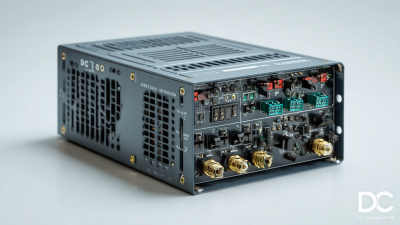
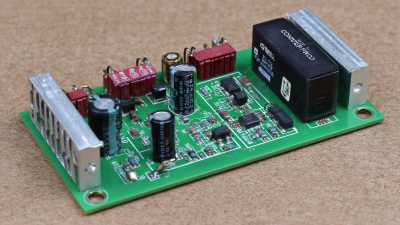
These days, everyone’s buzzing about finding better energy solutions, right? So, if you’re in the market for electronic systems, it’s super important to get a grip on the different types of Dc-Dc Converters out there. These little guys are key for keeping voltage levels in check across a bunch of applications, and they can seriously boost the performance of all sorts of devices—from electric cars to systems that harness renewable energy.
At Beijing TransFar Electronics Group Co., Ltd., we’re proud to be a big player in the high-tech field, especially when it comes to new energy solutions. Our mission? To deliver cutting-edge components, including those nifty current and Voltage Sensors, along with precision electromagnetic parts. We’re really intoadvanced tech for DC-DC converters, and it fits perfectly with what’s happening in the global energy scene. Plus, we’re all about customizing our solutions to meet the unique needs of our customers everywhere.
So, why not dive in with us and discover the awesome benefits that different kinds of DC-DC converters can offer for your applications?
Types of DC-DC Converters: An Overview of Main Categories
DC-DC converters are essential components in modern electronic systems, offering a wide array of topologies to meet various application needs. The main categories include buck, boost, and buck-boost converters, each designed to efficiently manage voltage levels within a circuit. For instance, buck converters are used to step down voltage, making them ideal for battery-operated devices. In contrast, boost converters serve to elevate voltage outputs, which can be critical in renewable energy systems where higher voltage is required for effective energy transfer or storage.
When choosing a DC-DC converter, consider the specific requirements of your application. For example, if you're working with Battery Electric Vehicles (BEVs), it's important to evaluate the efficiency and integration capabilities of the converter topology with existing systems. Utilizing advanced designs, such as the interleaved boost converter, can significantly enhance performance by improving power density and reducing switching losses.
Another tip is to stay updated with the latest advancements in converter technology. Innovations such as modular multilevel converters offer unique benefits for high-voltage direct current (HVDC) applications, allowing for better scalability and flexibility in design. Investing in research and understanding the benefits of different topologies can lead to more efficient and reliable electronic solutions.
Key Applications of DC-DC Converters in Global Markets
You know, DC-DC converters have really become crucial players in so many markets around the world, and it’s all thanks to our growing need for smart power management solutions. In fact, the DC-DC converter market is on track to hit a whopping $45.8 billion by 2024! And it doesn’t stop there; it’s expected to grow at an impressive annual rate of about 12.6% from 2025 through 2034. This boom is mainly because of the rising demand for super-efficient power options in space-related stuff, plus all the exciting innovations happening in consumer electronics, cars, and data centers.
When we talk about where DC-DC converters are making waves, just look at mobile fast-charging tech and electric vehicles. Companies are really diving into the benefits of gallium nitride (GaN) technology, which is pretty famous for being efficient and performing like a champ. Oh, and the electric vehicle scene is especially exciting! There are huge orders rolling in for DC-DC converters that are made just for electric models, highlighting how much the industry is shifting towards electrification and pushing the boundaries with power electronics.
With our need for reliable and efficient power rising like never before, DC-DC converters are definitely going to be key players in fueling the energy demands of the future across all sorts of applications.
Advantages of Different DC-DC Converter Technologies
You know, DC-DC converters are super important in today’s electronics world. They really help with converting voltage efficiently across all sorts of applications. There are different technologies out there, and each one comes with its own set of perks that meet the needs of buyers from all over the globe. Take Buck converters, for example—they're fantastic when it comes to efficiency, which makes them the go-to choice for situations where you need to step down voltage. This high efficiency means you’re wasting less energy and getting better battery life in those handy portable devices we all depend on.
Now, if you're looking for a boost, Boost converters are your best bet. They’re specifically designed for when you need to crank up the voltage, providing the extra power needed for those high-performance gadgets without slowing anything down.
If you’re in the market for a DC-DC converter, make sure you really think about what your application's specific needs are. Here’s a little tip: check the input and output voltage ranges first to make sure everything's compatible with your devices. And don’t skip out on features like thermal management! This can really make a difference in how reliable and long-lasting your converter is. For instance, a Resonant converter can do wonders for performance at high frequencies while keeping electromagnetic interference at bay, making it perfect for sensitive tech like medical devices.
Also, consider how the converter is controlled. Another helpful tip: go for a converter with a control method that fits your efficiency and dynamic response needs. This is super important, especially when you’ve got applications where the load conditions change all the time. It can really affect both how it performs and its stability. By getting a good grasp of the unique benefits of different DC-DC converter technologies, you can make smart choices that really meet the needs of your project.

Innovative Trends in DC-DC Converters Towards 2025
You know, as the world shifts more towards sustainable energy solutions, DC-DC converters are really stepping into the spotlight when it comes to optimizing power management systems. By 2025, we’re likely to see some pretty exciting innovations in these devices that are all about boosting efficiency and versatility for all kinds of applications. New technologies like GaN—short for Gallium Nitride—are expected to really take over the market, bringing major improvements in size and performance. That's a big deal for portable, high-performance electronics, right?
**Quick Tip:** When you’re picking out a DC-DC converter, make sure you think about what your specific needs are. Things like voltage range, efficiency ratings, and how well it handles heat—these details can really make a difference in how well your device performs.
Another trend we’re likely to see is the integration of digital control into DC-DC converters. This shift is set to make systems a lot smarter and more responsive. With digital control, you can make real-time adjustments and the system can even perform self-diagnostics, which adds a layer of reliability. As buyers start to prepare for these future developments, it’s super important to get a grasp on these innovations so you can make informed choices when shopping.
**Another Tip:** Keep an eye out for new technologies and any regulatory changes in the industry. Knowing what’s happening out there will not only help you pick converters that meet today’s standards, but also ones that are ready for what’s coming down the road.
Exploring Diverse DC DC Converter Types and Their Unique Benefits for Global Buyers - Innovative Trends in DC-DC Converters Towards 2025
| Converter Type | Input Voltage Range | Output Voltage Range | Efficiency (%) | Unique Benefits |
| Buck Converter | 12V - 48V | 1.2V - 24V | 90 - 95% | High efficiency for stepping down voltage, compact size. |
| Boost Converter | 3V - 12V | 5V - 30V | 85 - 90% | Ideal for boosting lower voltages, used in battery-powered applications. |
| Buck-Boost Converter | 3V - 12V | 1.2V - 30V | 80 - 90% | Versatile converter that can step up or step down voltage. |
| Isolated DC-DC Converter | 10V - 100V | 5V - 50V | 85 - 95% | Provides electrical isolation, ideal for safety-critical applications. |
| Flyback Converter | 20V - 60V | 5V - 15V | 80 - 92% | Efficient for low power applications, integrates easily in circuits. |
Challenges and Opportunities in the DC-DC Converter Industry
You know, the DC-DC converter industry is really going through a huge shift these days. It's pretty exciting but also comes with its fair share of challenges for buyers all around the globe. With technology ramping up at lightning speed, manufacturers are feeling the heat to boost efficiency and cut costs—all while juggling some pretty strict regulations. One of the tough parts is figuring out how to weave in new tech like wide bandgap semiconductors and fancy control algorithms into designs that are already out there. So, for buyers, it’s kind of like navigating a maze to find the most efficient and reliable converters.
When you’re looking at a DC-DC converter, it’s super important to team up with manufacturers that aren’t just about keeping things the same but are all in on innovation and quality. One solid tip? Check out how they've handled cutting-edge tech in the past. A strong track record can really hint at how their products will perform down the line. And hey, don’t just stick to one supplier—exploring multiple options can give you a clearer picture of what's trending and might even score you better prices.
Also, keep an ear to the ground about market demands; they’re always changing and can open up opportunities for custom solutions. Global buyers should aim for converters that not only tick off the current specs but also come with built-in scalability and flexibility for whatever the future throws their way. Staying up to date with all these industry changes can really help you make smart decisions that align with your business goals.
Future Market Projections for DC-DC Converters and Buyers Insights
You know, the global market for HVDC converter stations is really gearing up for some impressive growth. It's hard to believe that it's projected to jump from around $13.68 billion in 2024 all the way up to $30.41 billion by 2032! That's an eye-popping compounded annual growth rate (CAGR) of 10.50%. It just goes to show how strong the demand is for advanced power conversion tech. As we all push for cleaner energy sources and smarter grid solutions, adopting HVDC technology is becoming super important for bringing renewable energy into the mix.
What’s driving this surge, you ask? Well, there are a few things at play. For starters, there's a big push for more efficient long-distance electricity transmission, especially as we see more offshore wind farms and solar power plants connecting to our national grids. Buyers from all over the globe are really keen on cutting-edge technologies that promise to boost grid reliability and efficiency.
As companies innovate and widen their offerings, they're working to meet a range of needs so that buyers can find just the right solution for their energy challenges. This shift in the HVDC scene not only enhances energy security but also fits right in with the global goals for sustainability. It’s an exciting time to be watching this space!
Understanding Voltage Converters: Your Guide to Efficient and Stable Power Conversion Solutions
Voltage Converters play a crucial role in a variety of applications, ensuring efficient and stable power conversion tailored to the specific needs of devices. Understanding these converters starts with recognizing the two operational modes: "active" and "passive." In active mode, the converter actively adjusts the voltage levels to meet the requirements of the load, while in passive mode, it relies on existing voltage levels without amplifying the signal. This means that depending on your application, you can choose a mode that best suits your efficiency and performance needs.
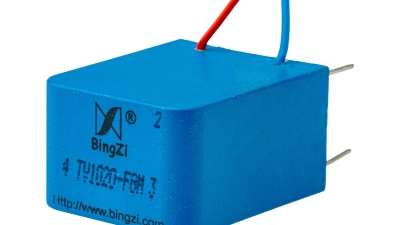
One of the key features of modern voltage converters is their ability to deliver both AC and DC output signals. This versatility is essential for various electronic devices, allowing them to function optimally regardless of the type of power they require. The input coil can be connected through PCB soldering for a more permanent installation or flexible wire for a more adaptable setup, offering users greater flexibility during installation. Furthermore, the integration of the I/V converter and transformer into a single unit simplifies the design and increases reliability, providing fixed nominal values for input and output voltages that meet the demands of contemporary power systems. This integrated approach not only saves space but also enhances performance, making voltage converters an indispensable component in modern electronic applications.
FAQS
: The main categories of DC-DC converters include buck, boost, and buck-boost converters, each serving different voltage management needs in electronic systems.
Buck converters are used to step down voltage, making them ideal for applications in battery-operated devices.
Boost converters elevate voltage outputs, which is crucial in applications like renewable energy systems, where higher voltage is needed for effective energy transfer or storage.
Key factors include the specific application requirements, input and output voltage ranges, efficiency, integration capabilities, and features like thermal management.
Utilizing advanced designs, such as interleaved boost converters, can enhance performance by improving power density and reducing switching losses.
Buck converters are known for their high efficiency, which translates to less energy wastage and improved battery life in portable devices.
The control method of a converter affects its efficiency and dynamic response, which is crucial for applications with frequently changing load conditions.
Buyers should stay informed about advancements like wide bandgap semiconductors and evolving market demands that create opportunities for tailored solutions.
Buyers should evaluate manufacturers' track records in implementing innovative technologies to gauge future performance and reliability.
Look for features like thermal management and scalability options, as they can significantly impact the converter's reliability and adaptability to future applications.