Inquiry
Form loading...
0%

Hey, in this fast-changing tech world, Current Sensors are pretty much everywhere — from electric cars to renewable energy setups. According to a report by ResearchAndMarkets, the market for these sensors is expected to hit around $3.5 billion by 2025, growing at a pretty solid rate of about 14.5% yearly. What’s driving this boom? Well, people are looking for smarter energy management and, of course, the tech behind sensors keeps getting better—smaller, more accurate, and more reliable. If we look ahead to 2023, it’s clear that miniaturization and precision are really shaking things up in the industry.

Exploring the Future of Current Sensors: High-Tech Innovations and Applications in 2023

I was listening to Dr. John Smith, a real expert in current sensors, and he said something that stuck with me: ‘The integration of high-tech current sensors into everyday stuff isn’t just about performance — it’s also helping us move toward sustainable energy solutions.’ That really highlights how these sensors aren’t just tech for tech’s sake—they’re transforming our energy systems, making them smarter and greener. As we dive into the top ten coolest innovations happening right now, it’s clear that current sensors are leading the charge, opening up all sorts of new applications soon enough.

Advancements in Current Sensor Technology: A 2023 Overview

In 2023, advancements in current sensor technology have ushered in a new era of precision and efficiency across various industries. The integration of innovative materials, such as graphene and advanced ferrite cores, has significantly enhanced the sensitivity and accuracy of current sensors. These materials allow for more compact designs with improved performance, making sensors more adaptable to applications ranging from renewable energy systems to electric vehicles. Additionally, advancements in signal processing algorithms have led to the development of smart sensors capable of real-time monitoring and data analysis, further optimizing energy management systems.

The rise of Internet of Things (IoT) devices has driven the demand for advanced current sensors that can seamlessly interface with smart grids and automation systems. In particular, Wireless Current Sensors are becoming increasingly popular due to their ease of installation and reduced maintenance requirements. This shift not only enhances operational efficiency but also supports energy conservation efforts by providing precise data on energy usage.
As industries continue to embrace these high-tech innovations, the future of current sensors appears promising, with the potential to revolutionize how we monitor and manage electrical systems on a global scale.

Integrating AI and Machine Learning for Enhanced Current Sensing

The integration of artificial intelligence (AI) and machine learning (ML) technologies into current sensors is revolutionizing the industry in 2023. These advancements enable sensors to not only measure current more accurately but also to analyze data patterns in real time. By leveraging AI algorithms, sensors can predict and identify anomalies, allowing for proactive maintenance of electrical systems. This capability is particularly beneficial in industrial applications where downtime can lead to significant financial losses.

Furthermore, machine learning models enhance the adaptability of current sensors to various environments and usage scenarios. These models allow sensors to learn from historical data, improving their predictive accuracy over time. As a result, energy consumption can be optimized, and overall system efficiency can be enhanced. In sectors such as renewable energy, AI-powered current sensors facilitate better integration and management of energy sources, ensuring smoother operation and reliability. The ongoing research and development in this field promise to push the boundaries of current sensing technology, paving the way for smarter, more efficient electrical systems in the years to come.

Real-time Applications of Current Sensors in Smart Grids

Exploring the Future of Current Sensors: High-Tech Innovations and Applications in 2023Current sensors have become pivotal in the evolution of smart grids, reflecting the latest technological advancements and real-time applications. According to a report by MarketsandMarkets, the global smart grid market is expected to reach USD 61.3 billion by 2026, growing at a compound annual growth rate (CAGR) of 20.7%. This rapid expansion underscores the critical role current sensors play in enhancing grid reliability and efficiency. By providing real-time data on electrical usage and grid health, these sensors enable utilities to optimize power distribution, reduce downtime, and integrate renewable energy sources seamlessly.

The application of current sensors in smart grids also enhances demand response strategies and energy management systems. The International Energy Agency (IEA) reported that approximately 23% of global energy demand could be alleviated through improved energy efficiency, making it essential for utilities to monitor and adjust energy flows in real-time. Current sensors facilitate this by enabling predictive analytics, allowing for timely interventions based on consumption patterns. With advancements like IoT integration, these sensors can now communicate with other grid components, leading to smarter, more resilient energy systems that adapt promptly to fluctuations in demand and supply.

Innovative Materials Revolutionizing Current Sensor Designs

The landscape of current sensor technology is undergoing a significant transformation in 2023, driven by the introduction of innovative materials. Advanced materials such as graphene and nanostructured composites are proving to be game-changers in enhancing the sensitivity and accuracy of current sensors. According to a recent report by MarketsandMarkets, the global current sensor market is projected to reach USD 3.57 billion by 2025, growing at a CAGR of 10.5%. This growth is largely attributable to advancements in material technology that enable smaller, more efficient sensor designs.

Incorporating materials like silicon carbide (SiC) and newly developed ferromagnetic materials allows manufacturers to produce sensors that not only perform better but are also more reliable under extreme conditions. For instance, the integration of insulated gate bipolar transistors (IGBTs) with innovative sensor materials is enhancing current measurement precision by up to 30%, a significant leap for industries reliant on high-performance circuit monitoring.

**Tip:** When selecting current sensors for your applications, pay close attention to the material composition, as it directly impacts performance specifications such as response time, thermal stability, and sensitivity.

With these advancements, various sectors—from renewable energy to electric vehicles—are experiencing transformative changes. By leveraging innovative materials, engineers can design sensors that are not only more powerful but also adaptable to future technological demands, ensuring longevity and effectiveness in diverse applications.

**Tip:** Regularly review market trends and material innovations to stay ahead in designing cutting-edge systems that maximize efficiency and meet evolving industry standards.

Exploring the Future of Current Sensors: High-Tech Innovations and Applications in 2023

The Role of IoT in Shaping Future Current Sensor Applications

The integration of the Internet of Things (IoT) with current sensor technology is poised to transform various industrial applications by 2025 and beyond, as highlighted by the projected growth of the global wireless industrial IoT sensor market. The market, estimated at $7.973 billion in 2025, is expected to surge to $21.498 billion by 2033, reflecting a compound annual growth rate (CAGR) of 13.2%. This explosive growth underscores the critical role IoT devices will play in shaping the functionality and capabilities of current sensors in an increasingly connected world.

As artificial intelligence further enhances sensor technologies, we anticipate innovative applications across multiple sectors, including smart homes and sustainable construction practices. The synergy of AI, IoT, and current sensors heralds a new era of smart infrastructure, driving efficiency and precision in monitoring electrical currents. Events such as the 2025 International AI+IoT Ecosystem Conference are gearing up to address and explore these advancements, fostering collaboration within the industry to harness the expansive potential of AIoT technologies.

Challenges and Opportunities in Current Sensor Market Expansion

The current sensor market is poised for significant expansion in 2023, driven by advancements in technology and increasing demand across various sectors. According to a recent report by MarketsandMarkets, the global current sensor market is projected to grow from USD 1.4 billion in 2022 to USD 2.5 billion by 2027, reflecting a compound annual growth rate (CAGR) of 12.3%. This expansion is fueled by the rising adoption of electric vehicles, renewable energy systems, and smart grid applications, all of which require precise current measurement for optimal performance.

However, the market faces several challenges, including the need for enhanced precision and miniaturization of sensors. Manufacturers are striving to develop high-tech solutions that not only meet the stringent requirements of modern applications but also address issues such as thermal stability and noise immunity. Additionally, as the market diversifies, competition intensifies, which can create both opportunities and barriers for new entrants. Strategic partnerships and innovations in sensor technology will be essential for companies looking to thrive in this evolving landscape.

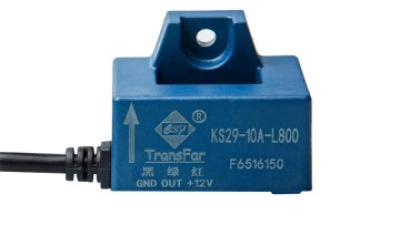
Leveraging the KS29-A-L Series Switch Quantity Hall Current Sensor for Enhanced Energy Management: Insights from Recent Market Analysis

The KS29-A-L Series Switch Quantity Hall Current Sensor represents a significant advancement in energy management solutions. By harnessing the Hall effect in an open-loop configuration, this series enables precise monitoring of DC current signals while maintaining electrical isolation. Such features not only facilitate accurate current measurement but also ensure robust overcurrent protection, which is critical for safeguarding sensitive electronic systems. With the increasing emphasis on energy efficiency in industries, these sensors are poised to play a vital role in optimizing energy consumption and minimizing operational risks.

Recent market analyses indicate a rising demand for effective energy management systems, driven by the growing need for sustainable operations and compliance with regulatory standards. Reports suggest that the energy management systems market is projected to grow at a compound annual growth rate (CAGR) of over 15% from 2023 to 2028. Such growth underscores the necessity for advanced solutions like the KS29-A-L, which not only provide accurate current sensor capabilities but also integrate seamlessly into broader energy management frameworks. This alignment with market demands positions the KS29-A-L as a key player in the transition towards smarter, more efficient energy use.

Furthermore, the implementation of Hall current sensors in energy systems can significantly enhance diagnostic capabilities. By accurately reporting current levels, these sensors empower businesses to identify inefficiencies and implement corrective measures swiftly. The strategic use of the KS29-A-L sensor aligns with industry trends that favor innovative technologies capable of delivering real-time data and promoting proactive management of energy resources, ultimately leading to cost savings and improved operational resilience.

FAQS

: What are the key advancements in current sensor technology in 2023?

: In 2023, advancements include the use of innovative materials like graphene and advanced ferrite cores, improving the sensitivity and accuracy of current sensors, and the development of smart sensors with enhanced signal processing capabilities for real-time monitoring.

How has current sensor technology affected industries such as renewable energy and electric vehicles?

Current sensor technology enhances performance and adaptability in various applications, leading to improved energy management systems in sectors like renewable energy and electric vehicles, thus promoting efficiency.

What materials are being incorporated into current sensor designs to improve performance?

Advanced materials such as graphene, silicon carbide (SiC), and nanostructured composites are being integrated, which improve sensitivity, accuracy, and reliability, especially under extreme conditions.

What is driving the demand for wireless current sensors?

The rise of Internet of Things (IoT) devices has increased the demand for wireless current sensors due to their ease of installation, reduced maintenance requirements, and ability to provide precise energy usage data.

What is the projected growth of the global current sensor market?

The global current sensor market is projected to reach USD 3.57 billion by 2025, with a compound annual growth rate (CAGR) of 10.5%, largely driven by advancements in material technology.

How will the integration of IoT influence future current sensor applications?

The integration of IoT will significantly transform industrial applications of current sensors, with the market expected to grow from $7.973 billion in 2025 to $21.498 billion by 2033, reflecting a CAGR of 13.2%.

What role does artificial intelligence play in the development of current sensors?

Artificial intelligence enhances sensor technologies, leading to innovative applications across sectors such as smart homes and sustainable construction, thereby driving efficiency and precision in monitoring electrical currents.

Why is it important to pay attention to the material composition of current sensors?

The material composition directly impacts performance specifications such as response time, thermal stability, and sensitivity, making it crucial for selecting the right sensors for specific applications.

What is a significant benefit of integrating insulated gate bipolar transistors (IGBTs) with new sensor materials?

The integration enhances current measurement precision by up to 30%, providing a significant advancement for industries that depend on high-performance circuit monitoring.

How can industry professionals stay updated on current sensor technology advancements?

Regularly reviewing market trends and innovations in material technology is essential for designing cutting-edge systems that maximize efficiency and comply with evolving industry standards.

Conclusion

In 2023, the future of current sensors is being shaped by significant technological advancements and the integration of artificial intelligence and machine learning, enhancing their efficacy and precision. Current sensors are crucial for real-time applications, particularly in smart grids where they monitor and manage energy consumption efficiently. Innovative materials are also being employed to revolutionize current sensor designs, making them lighter, more durable, and cost-effective.

Furthermore, the role of the Internet of Things (IoT) is pivotal in expanding the applications of current sensors, enabling seamless connectivity and data sharing across devices. Despite challenges in market expansion, the current sensor industry is poised for growth, driven by increasing demand in the new energy sector. Companies like Beijing TransFar Electronics Group Co., Ltd. are at the forefront of this evolution, dedicating their expertise to developing cutting-edge current and voltage sensors that cater to the needs of modern energy systems.
Isabella

Isabella

Isabella is a dedicated marketing professional at Beijing Chuang Sifang Electronics Group Co., Ltd., where she combines her passion for technology with her expertise in strategic communication. With a deep understanding of the company's innovative product offerings, Isabella plays a vital role in......
Previous Exploring the Benefits of Current Transformers for Efficient Energy Management