TransFar Electronics

Inquiry
Form loading...
- Phone
- E-mail
- WhatsApp
- WeiChat

TransFar Electronics
Lately, the way electronics get their power is really changing, and switching power supplies are playing a bigger and bigger role. They're pretty much the go-to solution when it comes to meeting those tough energy efficiency and performance standards across all sorts of gadgets and devices. I read somewhere (Markets and Markets, I think) that the global market for switching power supplies is expected to hit around $31.6 billion by 2025, growing at about 6.3% annually since 2020. Pretty impressive! Beijing TransFar Electronics Group is really leading the charge in this area. They're using their expertise in things like new energy sensors, reactor tech, and Ev Charging Stations to create smarter, more innovative power supplies. With the world shifting toward renewable energy and electric vehicles, these efficient power supplies are becoming even more critical — they’re a key piece of the puzzle when it comes to making energy cleaner and greener. Thanks to their advanced R&D and design skills, Beijing TransFar is dedicated to developing high-quality solutions that will meet the needs of tomorrow’s electronics landscape.
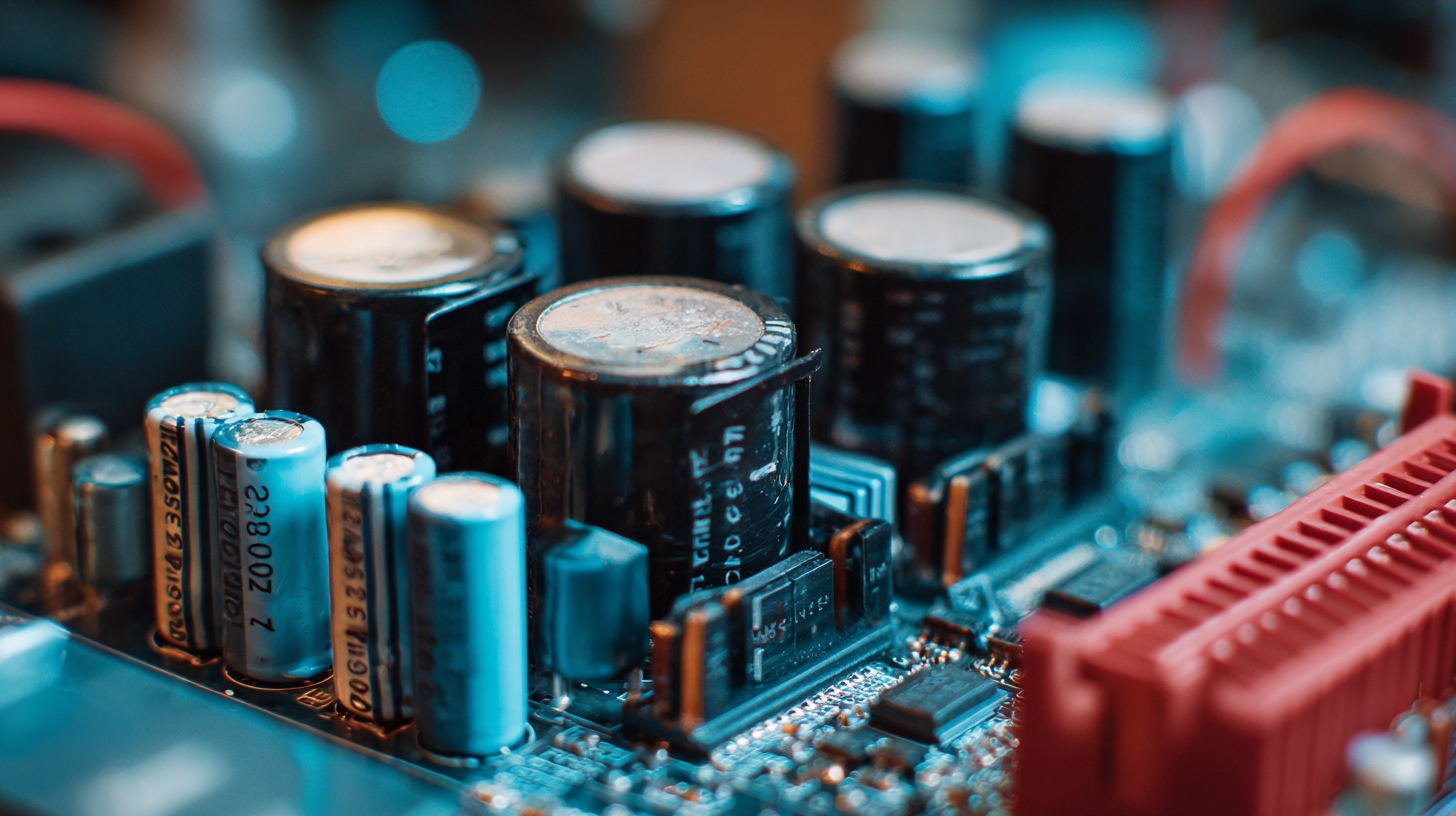
Switching power supplies are kind of the unsung heroes in modern electronics. They might not be the most glamorous part, but they’re super important when it comes to making sure devices run efficiently. Unlike those old-school linear power supplies, switching power supplies use high-frequency switching to keep the output voltage just right. That means they can be made smaller and lighter—big plus for keeping gadgets sleek and portable. Plus, they don’t heat up as much, which helps devices last longer. Basically, they’re all about providing steady, reliable power while wasting less energy—something that’s vital whether you’re talking consumer electronics or industrial gear.
But their significance goes beyond just saving energy. Switching power supplies basically open the door for creating more advanced gadgets that need really precise voltage control and smart power management. Their flexible design means they can handle a wide range of input and output setups, making them perfect for everything from telecom equipment to solar farms. As people keep pushing for smaller, more energy-efficient electronics, these power supplies are only going to become more essential—they're at the heart of innovation across industries and helping us move toward a more sustainable future.
| Parameter | Value | Importance |
|---|---|---|
| Input Voltage Range | 85-265V AC | Wide voltage compatibility |
| Output Voltage | 3.3V, 5V, 12V, 24V | Versatile for different applications |
| Efficiency | Up to 95% | Saves energy and reduces heat |
| Ripple Voltage | Ensures stable output | |
| Operating Temperature | -40°C to 85°C | Suitable for harsh environments |
| Size | 50mm x 30mm x 20mm | Compact design for space-saving |
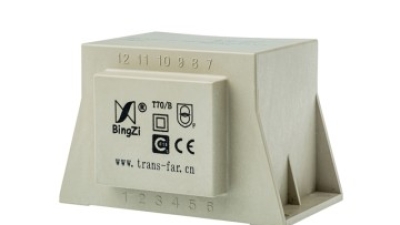
The SC Series Fully Enclosed Side Vertical Power Transformers stands out as a top-tier solution designed to maximize efficiency and safety in various applications. Its fully closed design not only simplifies installation but also enhances its aesthetic appeal, making it an ideal choice for environments where appearance matters. The compact structure ensures that it occupies minimal space while providing robust performance with features such as seismic resistance and moisture-proof capabilities. This transformer is also flame retardant, ensuring safety in hazardous conditions while maintaining high electrical resistance.
In terms of performance, the SC Series delivers with low no-load current and a high power factor, catering to a wide input overvoltage range. Each unit comes with a built-in temperature protector, which safeguards against potential overheating, ensuring safe operation. Connectivity is seamless thanks to the leading terminal's welding compatibility with standard connectors, offering flexibility and convenience for electrical circuit integration. With an input voltage of 220V (50Hz/60Hz) and varied output voltages—from 6V to 27V—this transformer supports a diverse array of power requirements, making it a versatile asset for modern electrical systems.
: Switching power supplies are critical components in modern electronic systems that efficiently convert energy. They provide a reliable power source with precise voltage regulation while minimizing energy losses, making them essential for both consumer electronics and industrial applications.
Unlike traditional linear power supplies, switching power supplies use high-frequency switching to regulate output voltage, allowing for a more compact and lightweight design. This technology enhances efficiency and reduces heat generation compared to linear counterparts.
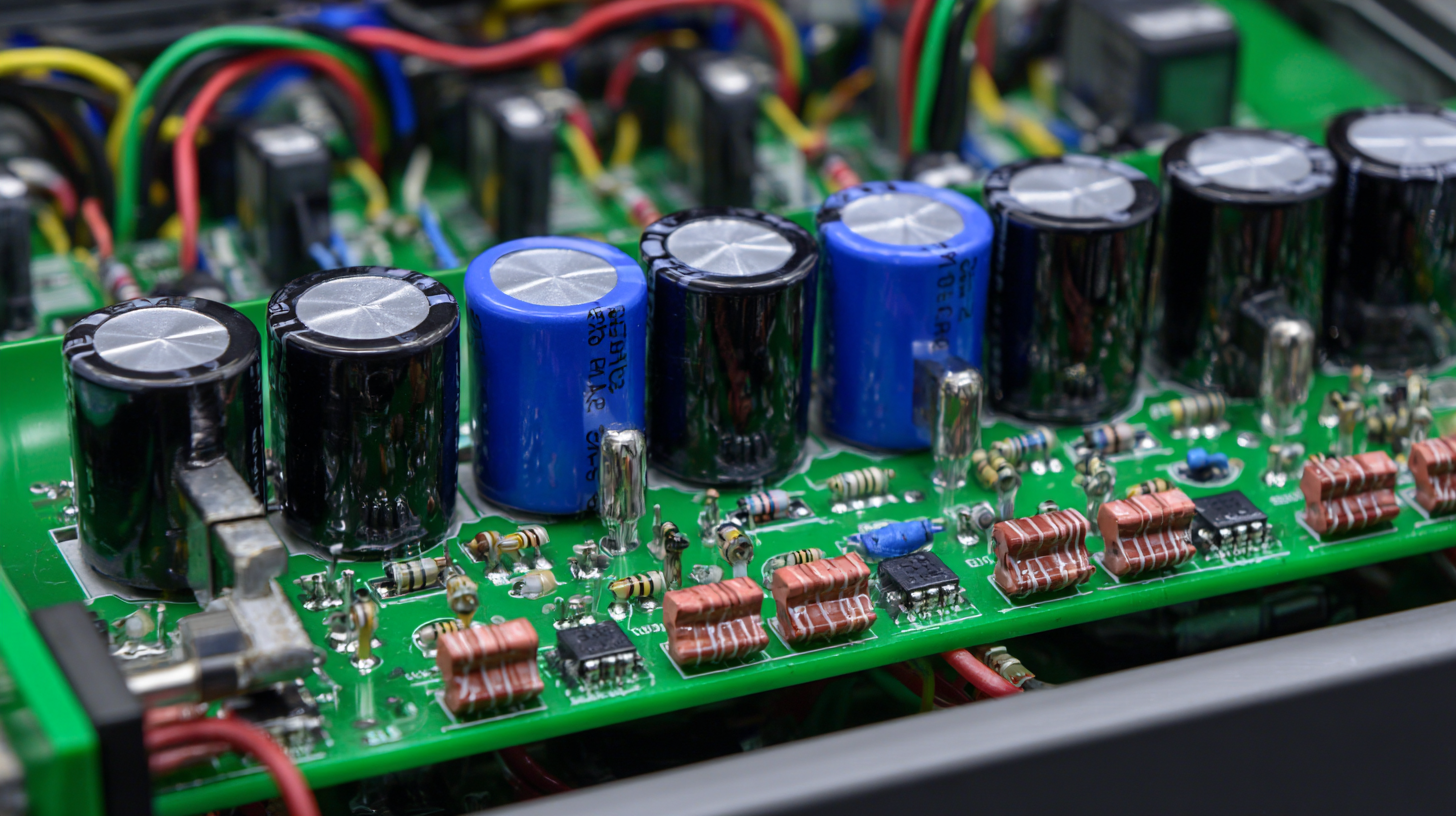
The key components of switching power supplies include inductors, capacitors, and transformers, which work together to efficiently convert electrical power and ensure stable output.
According to MarketsandMarkets, the switching power supply market is projected to grow from USD 18.9 billion in 2021 to USD 29.5 billion by 2026, highlighting the increasing reliance on these systems across various applications.
Advancements in semiconductor technology, particularly in MOSFET and IGBT devices, have significantly enhanced the performance and thermal management of switching power supplies, with efficiencies reaching upwards of 90%.
Future trends indicate a shift towards more compact designs with higher power density, driven by the demand for portable electronics and renewable energy systems, alongside innovations in materials and circuit design.
Wide-bandgap semiconductors, such as silicon carbide (SiC) and gallium nitride (GaN), enable power supplies to operate at higher frequencies with lower switching losses and improved thermal performance, leading to smaller and more efficient designs.
The integration of IoT capabilities into power supplies is expected to enhance real-time monitoring and control, improving energy management and enabling predictive maintenance for better performance.
Efficiency is crucial as it reduces energy losses, lowers heat generation, and contributes to the overall longevity and performance of electronic devices, essential for meeting energy sustainability goals.
Switching power supplies are preferred in various industries, including telecommunications, consumer electronics, and renewable energy systems, due to their efficiency and ability to manage power effectively.
Switching power supplies are pretty crucial in today’s electronics world. They offer way better efficiency and tend to be more compact than the old-school linear regulators we used to rely on. These things work by using key components like inductors, capacitors, and switching devices — all helping to quickly convert energy while cutting down on wasted power. You’ll find them everywhere, from your favorite gadgets to electric vehicle chargers. Honestly, they’re a big part of pushing forward smarter, more energy-efficient tech.
As the industry keeps moving forward, so does the tech behind switching power supplies. We’re seeing ongoing innovations aimed at making them even more efficient and reliable. Of course, there are challenges — things like managing heat and dealing with electromagnetic interference — but new materials and smarter engineering are helping tackle these hurdles. Companies like Beijing TransFar Electronics Group Co., Ltd. are really leading the charge here, pushing out energy-efficient solutions that keep up with what the modern world needs. It’s pretty exciting to see how this technology keeps evolving, right?
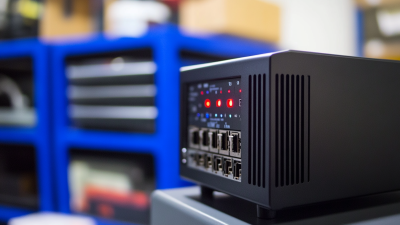






 Switching power supplies, or SMPS for short, have become pretty much a staple in today's tech world. They’re loved mainly because they’re super efficient and fit into small spaces. At their core, you'll find essential parts like inductors, capacitors, and