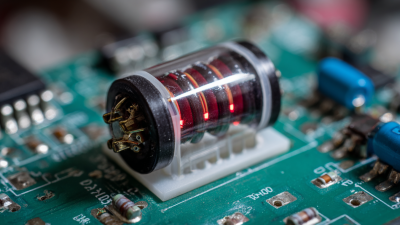
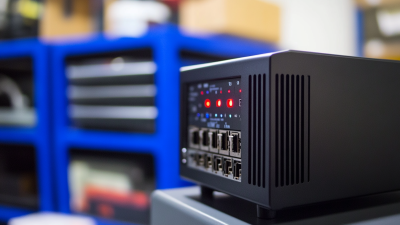
As we see the demand for energy efficiency really picking up, it’s clear that Current Sensors are playing an increasingly important role in modern energy management systems. A report from MarketsandMarkets predicts that the global current sensor market will hit around $2.7 billion by 2025 — and a big reason for that is the growing popularity of electric vehicles and the push for smart grid tech. Companies like Beijing TransFar Electronics Group Co., Ltd.are actually leading the way in this field. They focus on researching, designing, and manufacturing high-tech current and voltage sensors that help optimize energy use and boost system performance. What’s pretty cool is how they’re tailoring innovations specifically for new energy setups, like Ev Charging Stations.
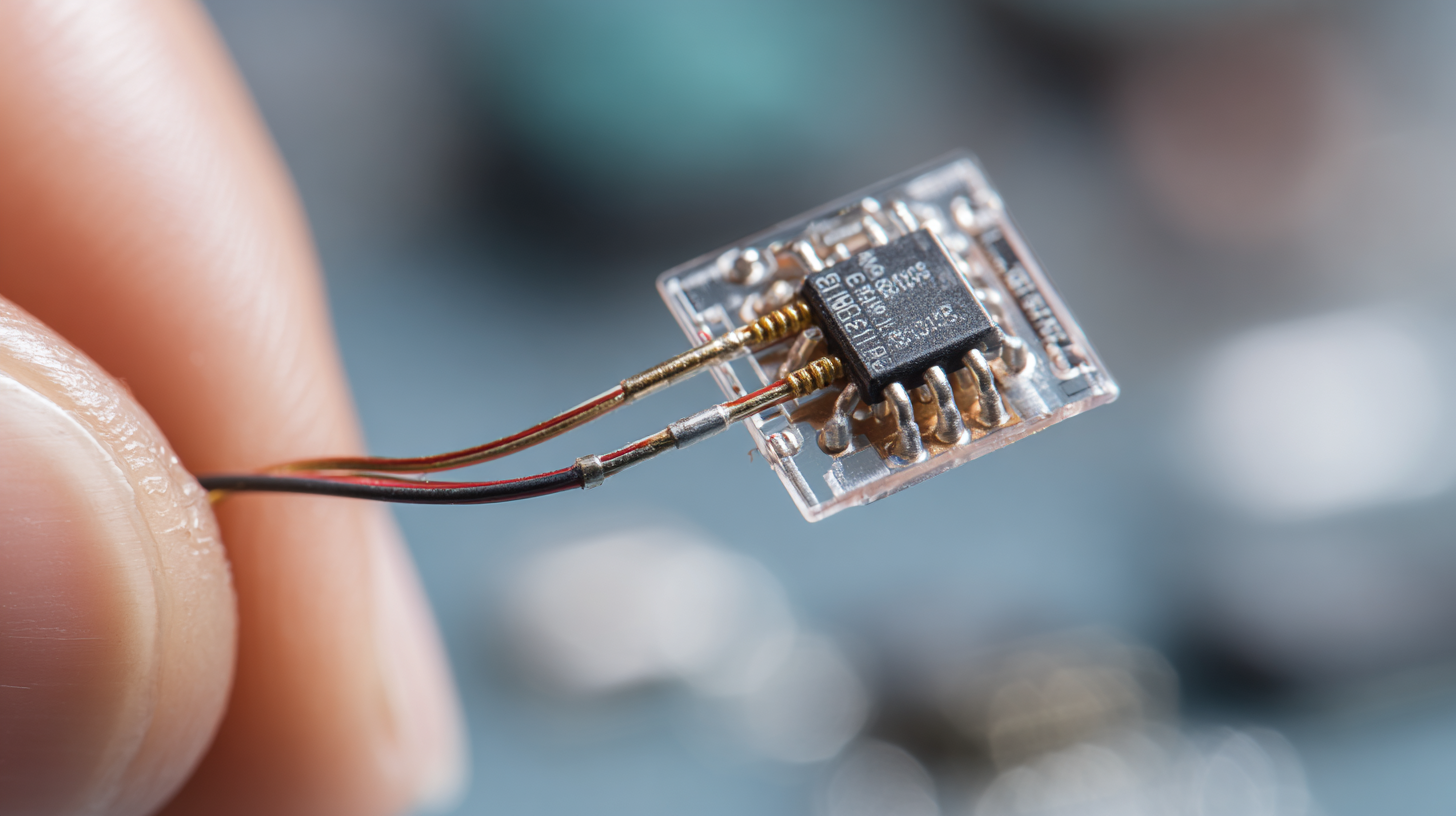
TransFar’s really committed to being at the forefront of energy solutions, using the latest sensor tech to make a real difference. Their expertise and the market’s growth potential put them in a strong position to shape the future of energy management — pretty exciting, right?
Emerging Trends in Current Sensor Technology for Energy Management
These days, sensor tech is evolving pretty fast, and it’s really shaping how we’ll manage energy down the line. One of the coolest trends right now? Adding Internet of Things (IoT) features to sensors. This upgrade basically means sensors can send data and give us real-time updates, making energy management smarter. With IoT-connected sensors, companies can keep an eye on energy use, spot weird patterns or problems early on, and even take action before problems get out of hand. It’s a handy way to cut down on waste and save some bucks.
Another exciting development is how sensors are getting smaller and way more accurate. These tiny, highly precise sensors can now be used in all sorts of places — from monitoring your home utilities to big industrial setups. This isn’t just about keeping tabs on energy; it also helps move us toward renewable sources like solar and wind. Accurate sensors are key to smoothly integrating these green energy sources into the existing grid, making sure power flows steadily and efficiently. All these advancements are paving the way for a future where energy management is more intelligent, responsive, and way more in tune with what’s happening in real time.
The Role of Smart Sensors in Enhancing Energy Efficiency
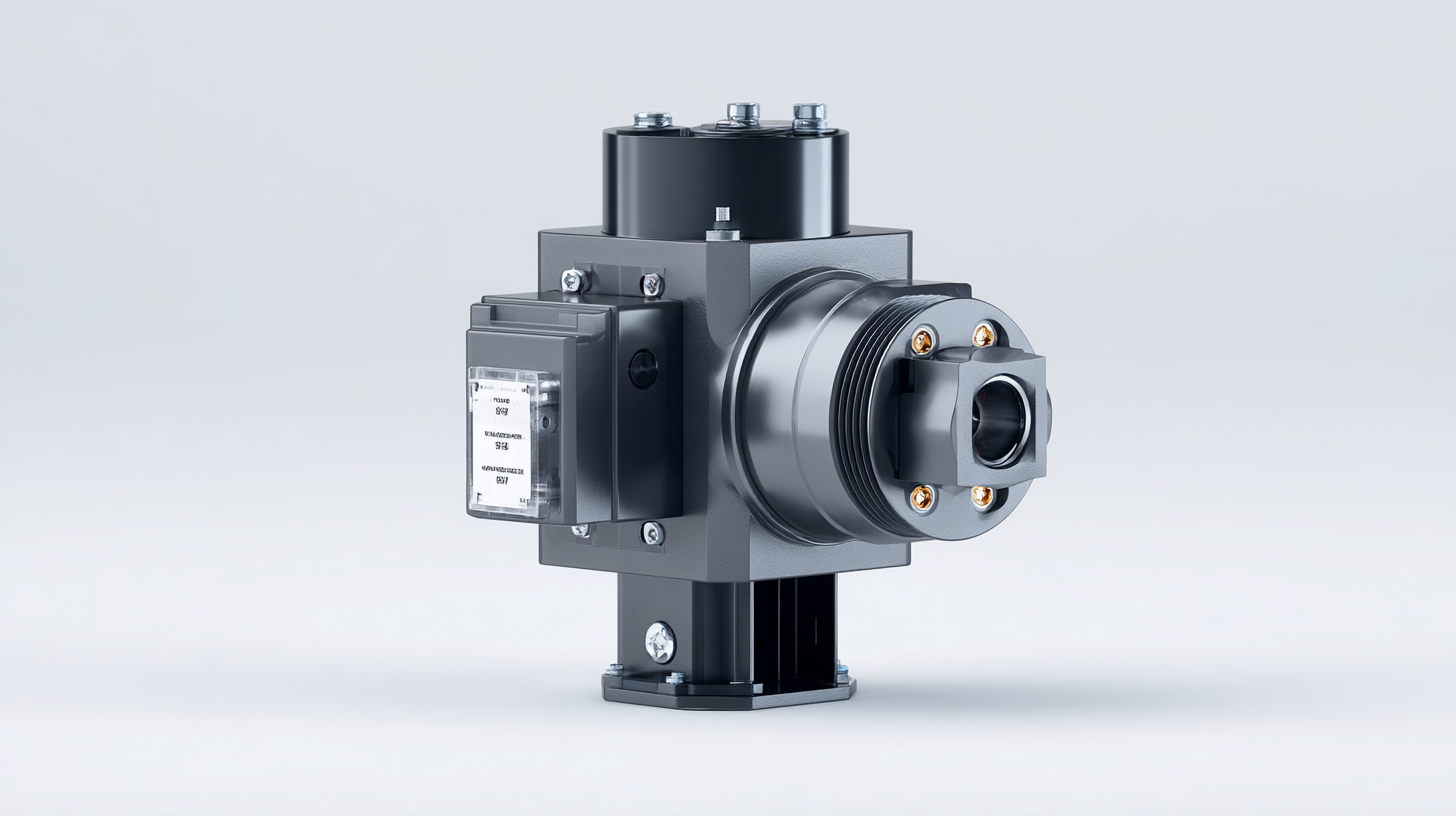 Smart sensors are really changing the game when it comes to managing energy. They’re pretty amazing at helping us boost efficiency across different areas. Basically, these devices can monitor everything in real-time and gather data, so you can see exactly how energy is being used. This means spotting where things are wasting energy or where there are hiccups in the system becomes much easier. With smart sensors, companies can figure out their peak usage times, cut down on unnecessary energy use, and smooth out operational bottlenecks. All of this helps them fine-tune their energy consumption in a smarter way.
And it doesn’t stop there. When you integrate these sensors into your energy systems, they can even predict when maintenance might be needed or automatically tweak settings to keep things running smoothly. For example, if a sensor notices something’s off — like unusual energy use or a drop in equipment performance — it can send an alert or automatically adjust the system to prevent bigger issues. It’s like having your own energy watchdog. This proactive approach not only saves money in the long run but also helps reduce the overall carbon footprint. So yeah, smart sensors are really key players in building a more energy-efficient and sustainable future.
Exploring Applications of Current Sensors in Renewable Energy Systems
These days, current sensor technology is really becoming a big deal in the renewable energy scene. I mean, it’s pretty amazing how these sensors help us keep an eye on everything—whether it’s solar panels or wind turbines. They can actually measure the electrical currents in real-time, which means we get instant data on how much energy is being produced and used. This info is super valuable because it helps us tweak things so that systems run smoother and more efficiently. Basically, they make sure your renewable setups are working at their best, or close to it.
And here’s the cool part—when you mash up current sensors with smart grid tech, it’s like stepping into the future of energy management. For example, in solar setups, these sensors can tell us when there’s plenty of extra power being generated during those sunny midday hours, helping us decide when to store that energy or use it right away. In wind turbines, they can spot if something’s not quite right, so maintenance can happen before small issues turn into big problems. Honestly, the versatility of these sensors is a game-changer for renewable energy projects and helps us move toward a more sustainable way of managing energy overall.
Challenges and Solutions in Implementing Current Sensor Technologies
Getting current sensor tech to work smoothly in energy management isn't without its hurdles. One big issue is making sure those sensors give reliable, accurate readings. As energy systems get more complicated, it’s super important that sensors are spot-on—otherwise, we risk wasting energy or not optimizing it properly. Plus, things like temperature and humidity can mess with sensor performance, so you need sturdy calibration methods and durable materials to keep everything running smoothly over time.
Another tricky part? Making sure all these different sensors and systems can talk to each other easily. Many places are still using older, legacy setups that don’t play nice with newer sensor tech. To fix this, organizations really need to invest in creating standard protocols—that way, the new sensors can seamlessly communicate with the existing management systems. This kind of unified approach makes monitoring and control way more efficient, leading to better energy savings and smarter management practices. And don’t forget—advanced data analytics can really help make sense of all that sensor data, helping decision-makers act quickly and distribute energy more intelligently.
Understanding the Future of Energy Management Through Current Sensor Technology - Challenges and Solutions in Implementing Current Sensor Technologies
| Dimension | Current Challenges | Potential Solutions | Impact on Energy Management |
| Data Accuracy | Inconsistencies in sensor readings | Calibration and validation processes | Improved decision-making based on reliable data |
| Integration | Complexity of integrating with existing systems | Use of universal standards and protocols | Seamless operation across platforms |
| Cost | High initial investment for installation | Long-term ROI analysis and cost-sharing initiatives | Increased adoption of energy management systems |
| Maintenance | Ongoing maintenance requirements for sensors | Implementation of predictive maintenance practices | Reduced downtime and operational efficiency |
| Scalability | Challenges in scaling the sensor networks | Modular systems for easy expansion | Enhanced capability to manage larger energy flows |
Future Prospects: Integrating AI with Current Sensors for Energy Management
As the energy industry keeps evolving, mixing artificial intelligence (AI) with the latest sensor tech is really a game-changer for managing energy more smartly. Think about those sensors that track electricity use and system performance in real-time — they’re like the eyes and ears of the system, giving us crucial data. Now, with AI crunching all that info, we can optimize how we use energy, saving money and resources. A report from Allied Market Research even says that the global market for smart energy management is expected to hit $70 billion by 2027, mainly because more folks are adopting IoT devices and AI solutions.
What’s pretty cool is how AI can process tons of sensor data to predict when something might break or become inefficient — kind of like a proactive health check. McKinsey & Company highlights that AI could boost energy efficiency by up to 20%, which means big savings and a smaller carbon footprint for companies. By combining these sensors with AI tech, businesses can set up adaptive energy systems that not only cut down on waste but also support green energy practices — moving us towards a more sustainable future.
All in all, the partnership between AI and current sensors is about to totally change how we handle energy. Experts even say that by 2030, smart grids powered by this kind of tech could cut energy costs by around 30%. It really shows how blending sensors, data analytics, and machine learning has huge potential to transform the way we think about energy management.

Comparative Analysis: Traditional vs. Modern Current Sensing Techniques
You know, the way we manage energy is changing pretty fast nowadays, largely thanks to new advancements in current sensing tech. I mean, for years, traditional methods like shunt resistors and Hall effect sensors were basically the go-to for monitoring energy. But, let's be honest—these old-school techniques have their flaws, especially when it comes to accuracy and efficiency. That's why we're now seeing newer options, like Rogowski coils and fiber optic sensors, stepping in. They deliver better performance with less energy loss, making the data we collect so much clearer and more reliable. Interestingly, a recent report by MarketsandMarkets points out that the global market for current sensors is expected to grow from about USD 1.37 billion in 2020 to around USD 2.36 billion by 2025—definitely showing that the industry’s moving toward more innovative, smarter solutions.
Bringing in these modern sensing technologies can really up your game when it comes to energy management. They allow for real-time monitoring and give you more insights through analytics. Plus, they open doors for predictive maintenance, which can save a ton of money in the long run. A study from Grand View Research even suggests that using smart sensors can cut energy usage by up to 30%. Pretty impressive, right?
A quick tip—when you're adding new sensing tech, think about how scalable it is. Will it grow with your needs down the road? And, don’t forget to check if the new sensors will play nicely with your existing systems—that way, you avoid extra costs or headaches. Oh, and it’s definitely a good idea to keep your team in the loop. Providing training on these new tools ensures everyone stays up-to-date and can make the most out of the latest tech. Trust me, a little investment in education now can save you a lot of trouble later on.
Exploring the Benefits and Applications of Voltage Output Type Current Transformers in Modern Electrical Systems
Voltage output type current transformers (CTs) play a crucial role in modern electrical systems by providing accurate current measurement and monitoring. These transformers convert current inputs into voltage outputs, making them essential for various applications, including power distribution, industrial automation, and energy management. The broad frequency response range from 20Hz to 20KHz ensures that they can effectively capture a wide array of electrical signals, allowing for precise monitoring of both AC and transient currents.
Our company specializes in designing and manufacturing high-performance current transformers that excel in suppressing fast transient pulse signal interference. This feature is particularly beneficial in environments with fluctuating load conditions where interference can lead to inaccurate readings. With a variety of product parameter options available, our current transformers can be tailored to meet the specific needs of different application scenarios, whether the requirement is for active or passive input methods. Such versatility enhances their usability across diverse sectors, ensuring reliable performance in any electrical system.
FAQS
: Smart sensors are advanced devices that provide real-time monitoring and data collection, enabling users to track energy consumption patterns and identify inefficiencies, thereby enhancing energy efficiency across various sectors.
Smart sensors can detect abnormal energy usage or performance issues, which allows them to trigger alerts or make automatic adjustments, helping prevent potential failures and reducing energy waste.
Organizations gain insights into peak usage times, energy waste, and operational bottlenecks, allowing them to implement targeted measures to optimize energy usage and lower operational costs.
Key challenges include ensuring the reliability and accuracy of sensor data and the interoperability of different sensor systems with existing infrastructure.
Variations in environmental conditions, such as temperature and humidity, can impact the performance of smart sensors, making robust calibration methods necessary for ensuring accurate readings.
Many facilities have legacy systems that may not be compatible with modern sensor technologies, necessitating investments in standardized protocols for seamless communication and integration.
Advanced data analytics can effectively interpret sensor data, enabling timely decision-making and smarter energy distribution strategies essential for improving energy efficiency.
By minimizing energy waste and lowering operational costs, smart sensors contribute to a more sustainable energy model, helping to reduce the carbon footprint associated with energy consumption.
Calibration is critical to ensure the precision of sensor readings, especially as energy systems grow more complex and are influenced by varying environmental conditions.
Smart sensors facilitate real-time monitoring, predictive maintenance, and automated controls, collectively fostering a smarter, more energy-efficient future.
Conclusion
So, I read this article called "Understanding the Future of Energy Management Through Current Sensor Technology," and honestly, it was pretty eye-opening. It dives into how these smart current sensors are really shaking things up in energy management systems. Basically, they can track energy use in real-time, which helps make everything way more efficient. The article also talks about how these sensors are super important when it comes to renewable energy setups—making sure everything runs smoothly and reliably.
That said, it doesn’t shy away from the challenges either. Implementing this tech isn’t always straightforward, but it also suggests some pretty clever solutions. And looking ahead, the article gets really exciting about the possibilities when AI gets mixed with current sensors—imagine the kind of innovative energy strategies we could see! There's even a comparison between the old-school sensing methods and the latest tech, highlighting how much progress has been made. All of this ties back to companies like Beijing TransFar Electronics Group Co., Ltd., who are really pushing the boundaries in new energy solutions. Little things, but they add up, and it’s cool to see how everything’s evolving.
Overall, it’s a fascinating read if you're into the future of energy and tech—lots of potential there!