TransFar Electronics

Inquiry
Form loading...
- Phone
- E-mail
- WhatsApp
- WeiChat

TransFar Electronics
As the global energy scene keeps shifting, it’s pretty clear that we really need smarter, more efficient ways to keep track of energy usage. Enter Current Transformers (CTs) — these little devices are kinda the heartbeat of this whole change, helping us measure electrical parameters with precision. That’s super important when you're trying to cut down waste and make the grid more reliable. Did you know that, according to MarketsandMarkets, the market for energy monitoring systems was around $4.1 billion back in 2020, and it’s expected to shoot up to over $11 billion by 2025? That’s like a 21.3% growth every year! Companies like Beijing TransFar Electronics Group are leading the charge here, focusing on developing advanced current and voltage sensors, plus some innovative new energy reactors and transformers. By tapping into these cutting-edge techs, businesses can stay ahead with solid energy management systems that not only meet future demands but also support sustainability goals. Incorporating CTs into monitoring setups isn’t just about getting real-time data — it also helps us use energy smarter across different areas, paving the way for a more efficient and eco-friendly energy future.
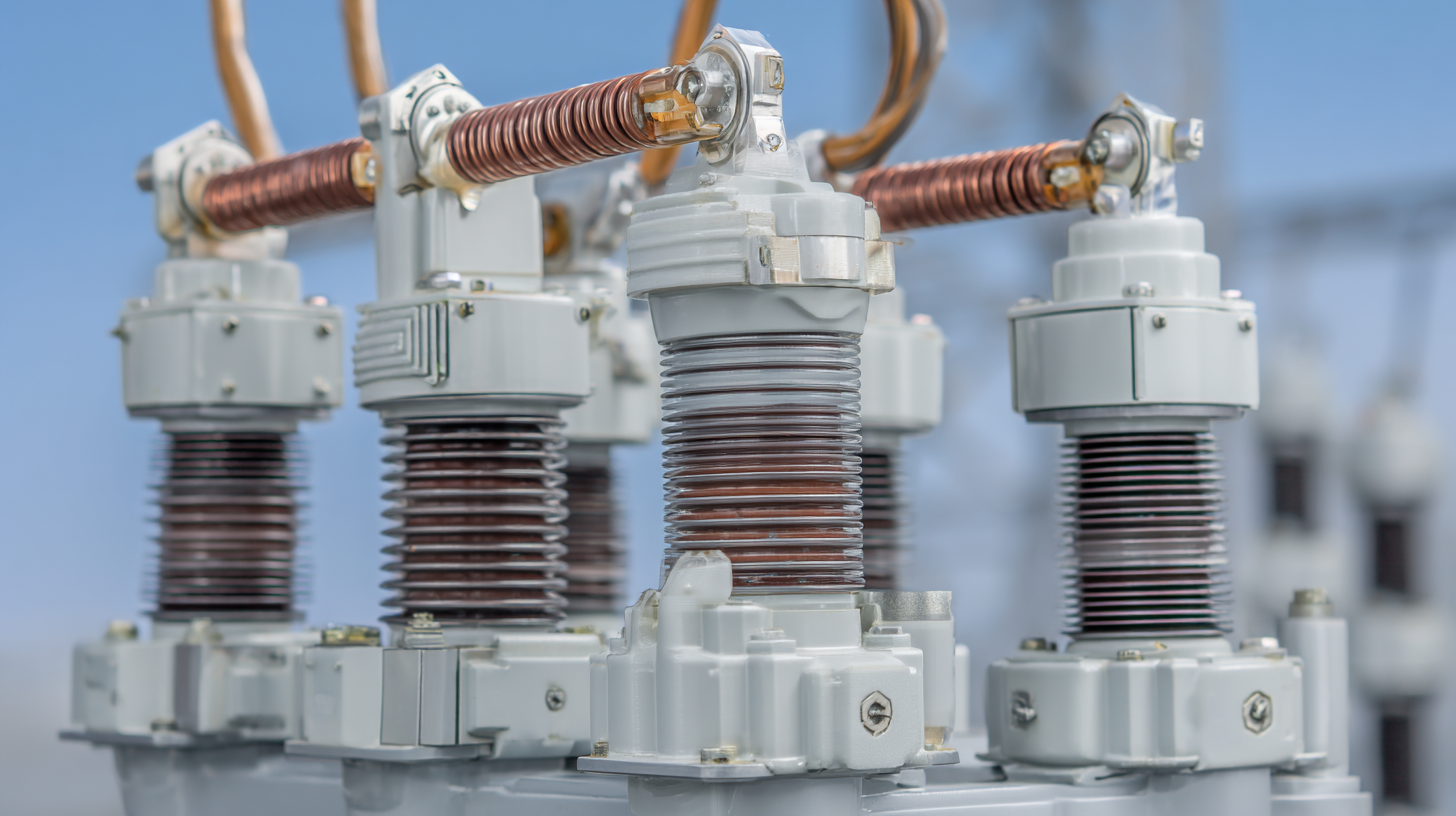
You know, advancements in Current Transformer tech are really making a big difference when it comes to getting more accurate energy readings. As more folks are cranking up their home energy use, it’s becoming pretty clear that we need smarter monitoring devices—things like those involving current transformers—to keep up. For example, if you look at the European current transformer market, it’s expected to skyrocket to about 1.43 billion USD by 2033. That right there shows how much everyone’s interested in innovations that make energy measurement more precise and efficient. Germany, in particular, is kinda leading the charge, grabbing nearly a quarter of the market at 24.8%, which really highlights the strong demand for high-quality transformer solutions.
And it’s not just Europe; the global market for oil-immersed current transformers is also predicted to grow big time—around 3.51 billion USD by 2034. This signals a shift towards more solid and reliable energy monitoring systems. It’s all about devices that can keep data accurate even when things get tricky—like sensors failing or communication getting delayed. That’s why we’re seeing the rise of integrated solutions, like combining box-meter designs with deep learning algorithms, to help address these issues by filling in gaps in power data. All of this means better, more trustworthy energy monitoring and a step forward in making energy management in homes and industries more resilient and sustainable. It’s pretty exciting stuff, honestly.
| Dimension | Value |
|---|---|
| Average Accuracy of Current Transformers | ±0.5% |
| Typical Measurement Range | 5 A to 2000 A |
| Common Applications | Industrial Monitoring, Renewable Energy Systems, Smart Grids |
| Trends in Energy Monitoring | Integration with IoT, Real-time Data Analysis, Machine Learning Enhancements |
| Projected Market Growth (2023-2028) | 15% CAGR |
| Factors Enhancing Accuracy | Calibration Techniques, Advanced Algorithms, Sensor Fusion |
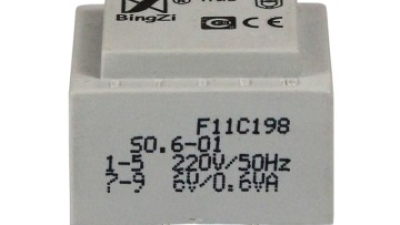
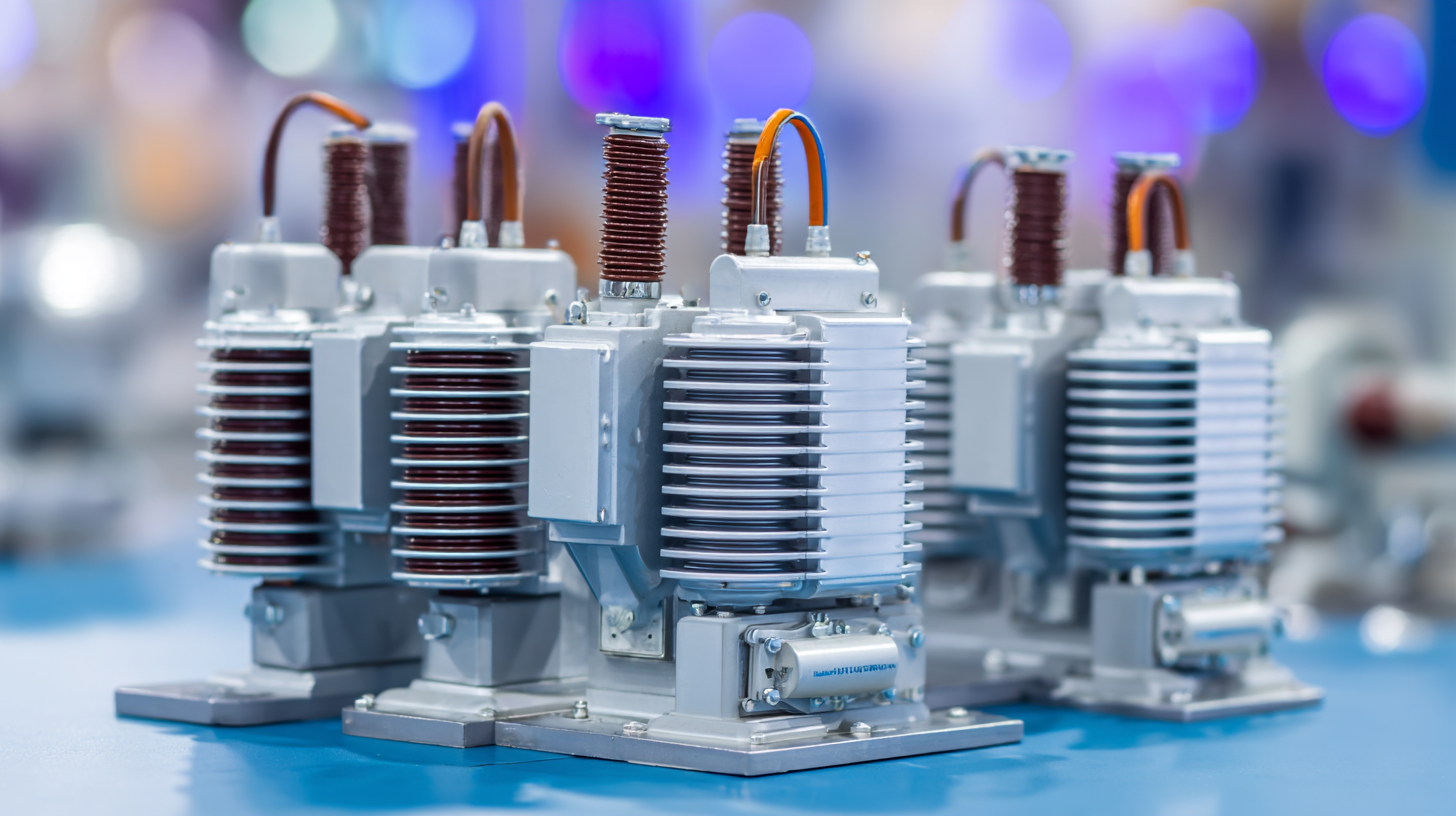
The "Silver Angel" S Series PCB welded transformer represents a significant innovation in power supply technology, tailored for both industrial and military applications. Designed with a closed epoxy pot-sealed structure, this transformer boasts superior electromagnetic characteristics and an impressive input overcurrent ratio, with a total capacity reaching up to 275V. Its versatility is further enhanced by wide environmental adaptability, making it a reliable choice in various operational conditions.
Safety is paramount in the design of the "Silver Angel" S Series, which features an internal temperature protection device capable of cutting off the power supply during short circuits. This crucial function not only prevents equipment burnout but also enhances the overall reliability of the systems it powers. Encased in a robust silver-gray flame-retardant PBT and PBO engineering plastic casing, this transformer is aptly nicknamed the "Silver Battle" due to its resilience and outstanding performance. With these innovations, the "Silver Angel" S Series is set to transform the landscape of power supply solutions, promising enhanced safety and efficiency for future electrical applications.
: Current transformers are essential for accurately measuring electrical current, which enhances the precision of energy monitoring systems, especially as energy consumption increases.
The European current transformer market is projected to reach USD 1.43 billion by 2033, indicating a significant demand for innovative and efficient energy measurement solutions.
Current transformer solutions help maintain data integrity despite challenges such as sensor failures or communication delays, ensuring reliable energy monitoring.
IoT technology facilitates seamless real-time data collection, allowing organizations to monitor energy usage accurately and analyze consumption patterns for improved efficiency and cost reductions.
AI and machine learning enhance real-time monitoring, predict consumption patterns, detect anomalies, and ensure continuous improvement of energy monitoring systems through data analysis.
Advanced analytics platforms allow energy consumption data to be visualized and compared, identifying inefficiencies and opportunities for conservation, empowering users to make informed decisions.
The adoption of smart grids combined with AI allows for efficient energy distribution and better responsiveness to consumer demands through the analysis of data from numerous current transformers.
The future of the current transformer market will likely see continued growth, with increasing demand for robust, reliable energy monitoring systems integrating advanced technologies.
Germany holds a commanding market share of 24.8% in the current transformer sector, reflecting a strong demand for high-performance solutions in energy monitoring.
The global market for oil-immersed current transformers is expected to grow to around USD 3.51 billion by 2034, showcasing a shift towards more reliable energy monitoring systems.
Current Transformers, or CTs for short, are super important when it comes to making energy monitoring systems more accurate. As the smart grid tech keeps evolving, these little devices are playing an even bigger role in how we keep track of energy use. Over the years, we've shifted from the old-school designs to some pretty fancy digital solutions, which means we get more precise and dependable readings. Thanks to IoT and data-driven insights, we can now analyze energy consumption in real-time and tweak things on the fly. Plus, with AI and machine learning stepping into the picture, these systems are not just watching—they're predicting patterns and helping us run things more efficiently.
Looking ahead, the market for energy monitoring stuff is expected to boom, thanks to all these cool tech advancements. Companies like Beijing TransFar Electronics Group are really leading the charge—they’re all about designing and making state-of-the-art current and voltage sensors that are key to building smarter, more efficient energy solutions. By tapping into these innovations, we're on the path to better energy management and a more sustainable future that’s good for everyone.



 You know, integrating