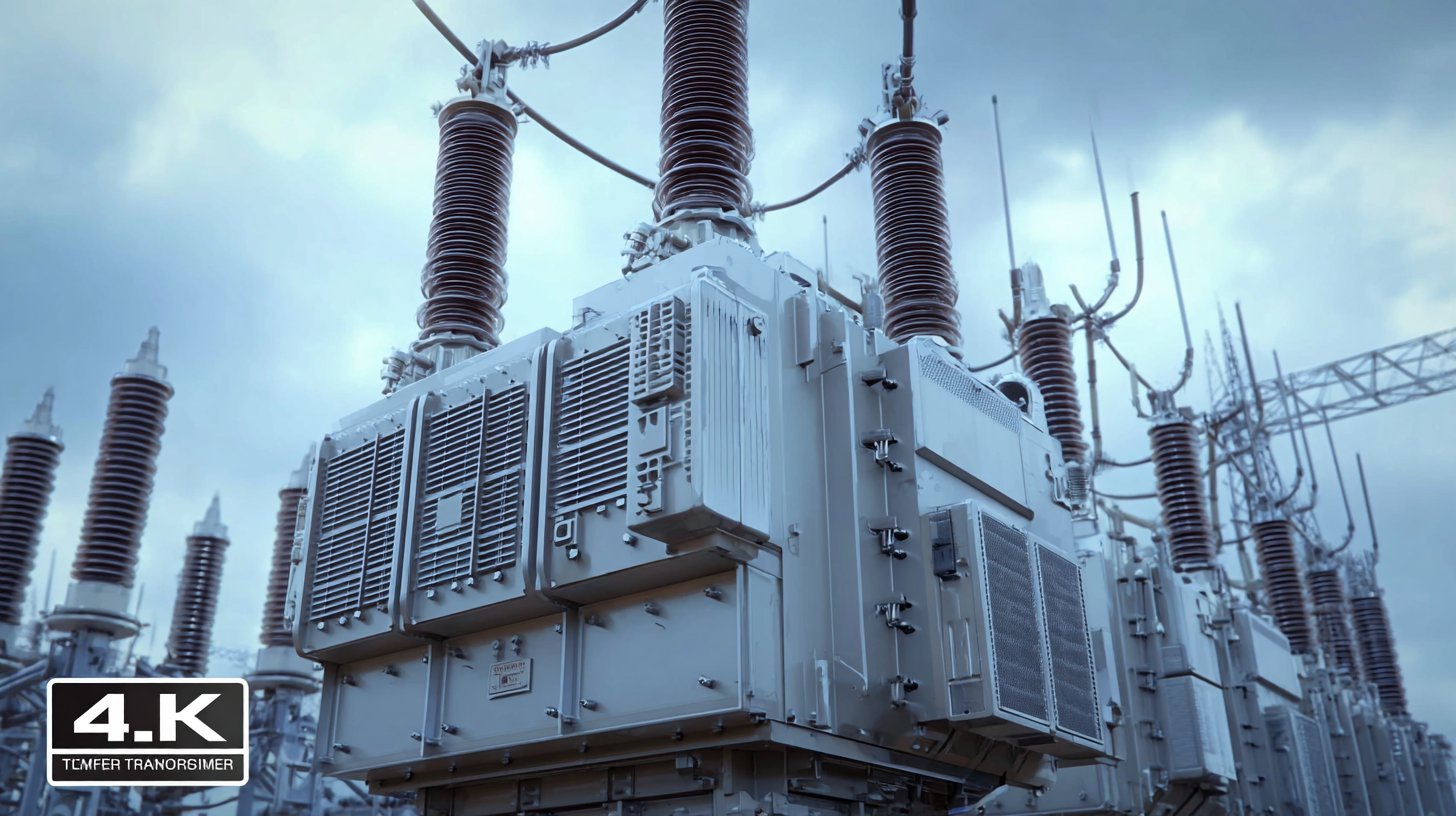
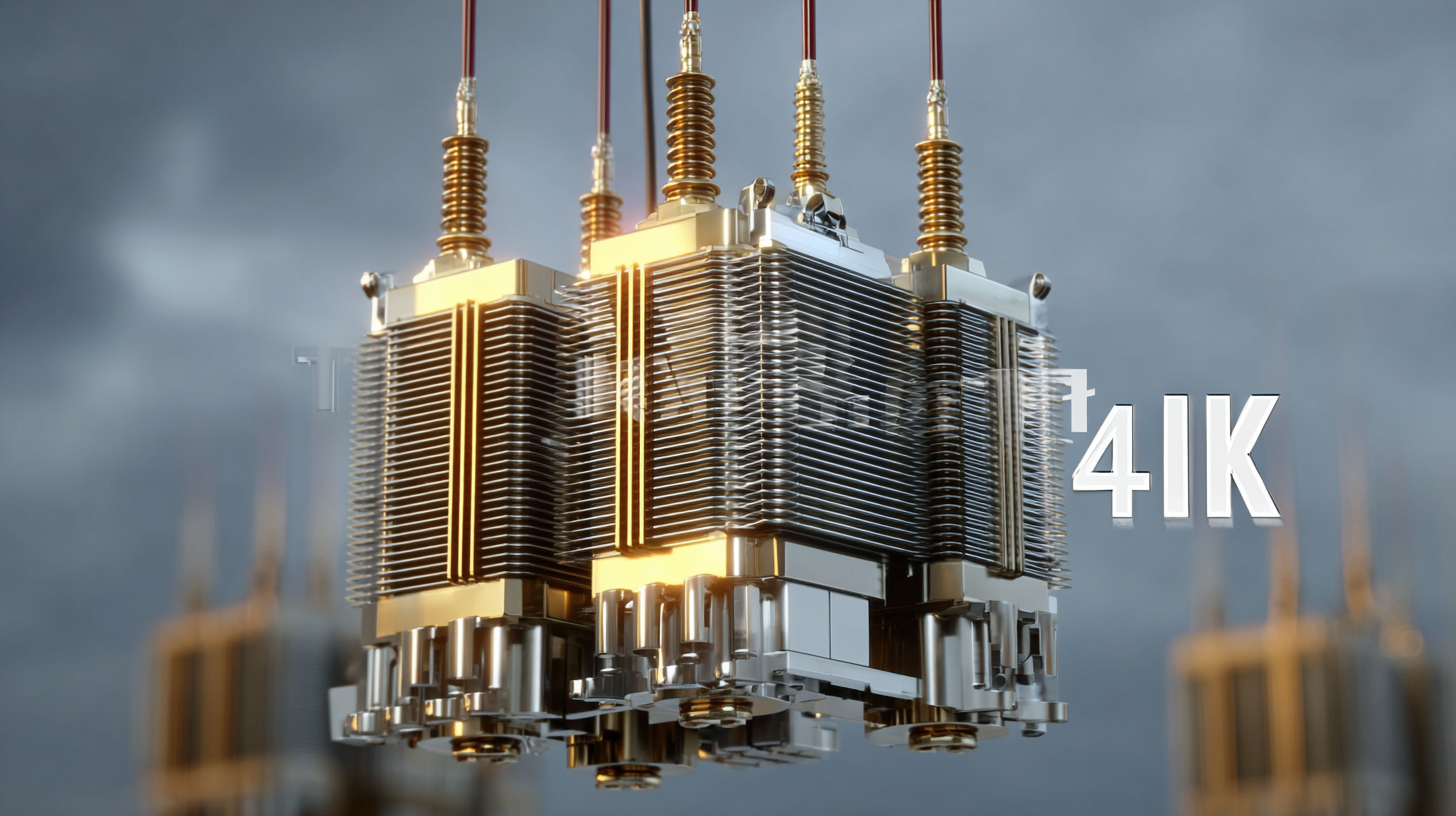
You know, the energy scene is changing pretty fast, and it’s clear we need some fresh ideas when it comes to power transformation. In fact, research suggests the global transformer market is set to hit around 30 billion bucks by 2025. That’s a huge leap, mainly thanks to the growing reliance on renewable energy and the boom in electric transportation. Over at Beijing TransFar Electronics Group Co., Ltd., we’re right in the thick of it. We focus on crafting some pretty amazing tech, including transformers that are designed to keep up with these shifts in demand. With more folks driving electric vehicles and the push for sustainable energy solutions, our high-tech current and Voltage Sensors, as well as our specialized transformers, are geared up to really make an impact in the future of power transformation.
Innovative Transformer Technologies: Revolutionizing Power Distribution
You know, as we keep pushing for power distribution that’s more efficient and dependable, there’s some exciting stuff happening with transformer technology. Traditional transformers are getting a serious makeover! They've got smart features now that can keep an eye on things in real-time and even adjust themselves as needed. It's pretty cool because these upgrades not only boost performance but also help slash energy losses and lower maintenance costs. Plus, with digital tech coming into play, utilities can actually fine-tune grid performance and offer better service stability. And hey, it gives consumers the tools to manage their energy use much better too.
By the way, if you’re thinking about sprucing up your power distribution system, take a close look at the potential ROI from those snazzy new transformer technologies. You want to find options that offer advanced diagnostics; they can really help stretch the life of your whole system.
And let’s not forget the green side of things! New, eco-friendly transformer designs are shaking things up in the power distribution world. We’re seeing a shift from oil-filled transformers to dry-type ones, which is awesome because they cut down on spill risks and are generally more sustainable. What's even better is that newer technologies are making use of recyclable materials, which helps everyone stick to the rules and lower the environmental impact of power systems.
So, when choosing your suppliers, keep sustainability in mind! Go for those who are all about using eco-friendly materials and practices in their manufacturing. Not only does this keep you compliant with regulations, but it also aligns with the rising demand from consumers for greener energy solutions.
Key Benefits of Smart Transformers in Modern Power Grids
Hey there! So, as our power grids are adapting to keep up with the growing demand for energy and those sustainability goals we all care about, smart transformers are really stepping into the spotlight. They’re not your typical transformers; these guys are pretty cool because they use all sorts of advanced tech like IoT connectivity, AI analytics, and they’re great at integrating renewable energy. It’s interesting to note that a recent industry report says the global market for smart transformers is expected to grow by about 21% every year from 2022 to 2027. This just shows how important it is becoming to have effective energy management in our lives.
What’s great about smart transformers? Well, they really boost grid reliability and efficiency. They allow for real-time monitoring and control, which means energy distribution gets optimized and losses are reduced. The U.S. Department of Energy has pointed out that using smart grid technologies—including smart transformers—could actually cut electricity costs by 20-30% and also improve power quality.
So here’s a tip: if you’re thinking about upgrading your power system, it’s super important to check how well your existing infrastructure can work with smart transformer technology. This could have a big impact on how well your investments pay off. By bringing smart transformers into the mix, you not only manage peak energy loads better but also make it easier to incorporate distributed energy resources. It’s all about moving toward a more sustainable energy future, which is pretty exciting!
The Role of Renewable Energy in Shaping Transformer Innovation
You know, the way energy is being produced and consumed around the world is really changing, and renewable energy is playing a huge role in pushing transformer technology forward. I recently came across this report from the International Energy Agency (IEA), and it says that the capacity for generating renewable energy is expected to jump by 50% between 2020 and 2025! Crazy, right? With this massive demand for green energy, we really need transformers that can handle all those variable loads and make sure energy distribution is super efficient.
There are some cool innovations in transformer design out there. For instance, using amorphous steel cores and smart grid tech is becoming increasingly important to adapt to the unique needs of renewable sources like solar and wind. The U.S. Department of Energy pointed out that smart transformers can boost grid reliability by as much as 30%. That’s pretty critical as more folks and businesses make the switch to sustainable energy.
Plus, a report from MarketsandMarkets mentions that the market for these renewable energy transformers is set to hit a whopping $22 billion by 2026. It just shows we’re moving towards investing in advanced tech that’s really geared towards supporting clean energy efforts. These innovations aren’t just about making things more efficient; they’re also key to helping us reach those global sustainability goals we keep hearing about!
Challenges and Solutions in the Design of Next-Gen Transformers
So, let's talk about the design of next-gen transformers. Honestly, it’s not without its hurdles. One biggie is the push for energy efficiency. You know, the International Energy Agency (IEA) estimates that transformers can chew up about 5% of the world's electricity losses. That really highlights how crucial it is to come up with designs that can cut down on that waste. Using fancy materials, like amorphous steel, could really level up transformer efficiency, cutting energy waste and slashing those operational costs. Who doesn’t want to save a bit of cash?
Now, another challenge we face is the need for transformers to get with the times, especially as we’re leaning more on renewable energy sources. According to a report from the U.S. Department of Energy, the shift towards cleaner energy might require transformers that are not just flexible but super resilient too. They need to handle all those ups and downs in energy input and output. Smart transformers, which come packed with real-time monitoring and grid management features, could really help smooth out that transition to more distributed energy resources.
**A few tips:** When you’re thinking about transformer designs, definitely look for materials that boost both efficiency and durability. And hey, consider throwing some smart tech into the mix to make sure your transformers are ready for whatever the future throws at us. Also, don’t forget to keep an eye on performance data. It’s a smart way to pinpoint areas for improvement and stay ahead of any new regulations popping up.
The Future of Power Transformation with Innovative Transformers
This chart illustrates the projected efficiency improvements of next-gen transformers over the next decade, compared to traditional transformers. Innovations in materials and design are expected to lead to significant enhancements in performance.
Future Trends: How AI and IoT are Enhancing Transformer Efficiency
You know, technology has come a long way in the energy sector lately, especially when it comes to transformers. It's fascinating how things are changing so quickly, thanks to the rise of Artificial Intelligence (AI) and the Internet of Things (IoT). These innovations are really shaking things up, making transformers work smarter and more efficiently than ever before. With real-time data analytics, AI can actually foresee when maintenance is needed, balance the load better, and even spot faults before they become a big issue. This kind of forward-thinking not only helps transformers last longer, but it also cuts down on downtime and those pesky operational costs.
And speaking of smart changes, IoT is taking this to the next level by keeping transformers connected to monitoring systems without a hitch. This means utility companies can gather and crunch tons of performance data from transformers located all over the place. With insights based on that data, energy providers can really nail their grid management, which helps ensure that power stays reliable. As smart grid technologies keep progressing, the combination of AI and IoT with traditional transformer technology is set to achieve some mind-blowing efficiency and resilience in our energy landscape.
The Future of Power Transformation with Innovative Transformers - Future Trends: How AI and IoT are Enhancing Transformer Efficiency
| Dimension | Current Value | Projected Value (2025) | Impact of AI & IoT |
| Transformer Efficiency (%) | 95.0 | 98.5 | Increased monitoring and predictive maintenance |
| Failure Rate (per 100 units) | 3.5 | 1.2 | AI-driven predictive analytics |
| Maintenance Cost ($) | 5000 | 2000 | Remote monitoring systems |
| Data Collected (TB/year) | 0.5 | 5.0 | IoT sensors and advanced data analytics |
| Integration Level (%) | 40 | 90 | Seamless AI and IoT integration |
Case Studies: Successful Implementations of Innovative Transformer Solutions
You know, innovative transformers are really changing the game when it comes to power transformation. They’re boosting efficiency and helping us integrate renewable energy sources more seamlessly. A great example of this is solid-state transformers (SSTs) being used in smart grid systems. These bad boys not only cut down on energy losses but also allow for power to flow both ways—super important for managing distributed resources like solar panels and wind turbines. There was this project in California where SSTs played a key role in enhancing grid resilience. They made it easier to bring electric vehicles into the mix, showing us just how close we are to a smarter energy future.
Then there's what's happening in the offshore wind sector, where advanced transformer solutions are truly essential. In Denmark, a project used high-voltage direct current (HVDC) transformers to link up remote wind farms with the mainland grid. This tech helped slash transmission losses over long distances, which really cranked up the overall efficiency. Their success really shows how essential innovative transformer technology is for big renewable projects. Plus, it emphasizes the need to invest in advanced infrastructure to tackle future energy needs. It’s exciting to see these advancements pave the way for a cleaner, smarter energy landscape!
FAQS
: Smart transformers are advanced versions of traditional transformers that utilize IoT connectivity, AI analytics, and renewable energy integration. They are essential in modern power grids because they enhance reliability, improve efficiency, and enable real-time monitoring and control of energy distribution.
According to the U.S. Department of Energy, implementing smart grid technologies, including smart transformers, could reduce electricity costs by 20-30% and improve the overall quality of Power Supply.
The growing demand for renewable energy requires transformers to handle variable loads. Innovations like amorphous steel cores and smart grid technologies are being developed to optimize energy distribution and improve reliability as more organizations transition to sustainable energy solutions.
The main challenges include increasing demands for energy efficiency and the need to adapt to renewable energy integration. Transformers can account for up to 5% of worldwide electricity losses, indicating a need for improved designs and materials that minimize these losses.
Smart transformers equipped with real-time monitoring and grid management capabilities can facilitate a smoother transition toward distributed energy resources. They are designed to be flexible and resilient to handle variable input and output levels from renewable sources.
Implementing advanced materials such as amorphous steel can significantly improve transformer efficiency by reducing energy waste and lowering operational costs.
Yes, the market for renewable energy transformers is expected to reach $22 billion by 2026, indicating a strong trend towards investment in advanced technologies that support clean energy initiatives.
It is crucial to assess the compatibility of existing infrastructure with smart transformer technology, as this significantly influences the efficiency and effectiveness of investments in upgrades.
Smart transformers support the integration of distributed energy resources and enable efficient energy management, which are essential for fostering a more sustainable energy future and achieving global sustainability targets.
Prioritize materials that enhance efficiency and durability, invest in smart technology to future-proof designs, and regularly assess performance data to identify areas for improvement and ensure compliance with emerging regulations.