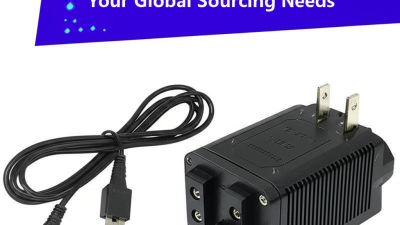
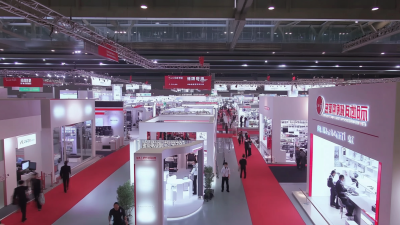
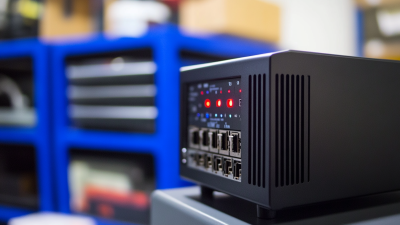
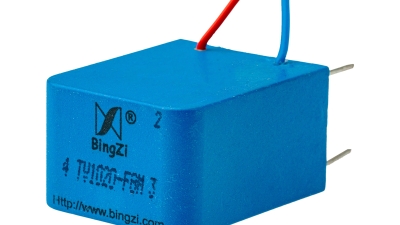
You know, with the way energy is changing these days, finding good power management solutions is super important. I mean, have you seen the numbers? The global market for Ac-Dc Converters is set to hit around $27 billion by 2026! This is all thanks to the surge in renewable energy and the rise of electric vehicles. At Beijing TransFar Electronics Group Co., Ltd., we’re all about innovation. We focus on creating top-notch AC-DC converters that really meet the needs of global sourcing. Our team is pretty well-versed in new energy technologies, and we offer a solid lineup of products—from voltage sensors to electric vehicle charging stations. This means we’re in a great spot to tackle the unique challenges various industries face. When you pick the right AC-DC converter, you're not just boosting energy efficiency; you're also ensuring that everything runs smoothly and reliably, no matter what you’re using it for.
Understanding AC/DC Converters: The Basics You Need to Know
You know, AC/DC converters play a super important role in our modern electronics world. They’re the ones that take alternating current (AC) and turn it into direct current (DC), which is pretty crucial if you’re into global sourcing or electrical engineering. There's this report from MarketsandMarketsthat predicts the global AC-DC Power Supply market is gonna hit a whoppingUSD 31.55 billion by 2026! That’s a growth rate of about 6.34% since 2021. It's really cool to see this rise is being fueled by tech advancements and a growing demand for energy-efficient solutions in all sorts of industries.
So, when it comes to AC/DC converters, there’s a bunch of different types out there, like linear and switching converters, and each one has its perks depending on what you need. For example, switching power supplies are super popular because they’re so efficient and compact—perfect for gadgets and consumer electronics. But then you have linear power supplies, which are known for their awesome regulation, making them a go-to for audio and lab gear where keeping noise down is key.
Oh, and I came across this study by ResearchAndMarkets that says switching converters can be over 90% efficient! That really highlights how they help cut down energy waste and keep systems reliable. Knowing these differences can really up your game in procurement and help developers pick the right converter for their projects.
Key Specifications to Consider When Choosing an AC/DC Converter
So, if you’re on the hunt for the perfect AC/DC converter for your global sourcing needs, there’s a bunch of important specs you’ll want to keep in mind. First off, let’s talk efficiency ratings—usually shown as a percentage, they tell you how well the converter is doing when it switches AC power to DC. A report from the Global Industry Analysts notes that some of the top converters can hit over 90% efficiency. That’s pretty impressive because it means less heat loss and way less energy waste. Seriously, if you want to keep things sustainable and budget-friendly, make sure you pick a converter that meets or even beats that benchmark.
Now, don’t forget about voltage and current ratings—these are super important too! You’ll want to double-check that the converter matches the voltage needs of your application and can handle the load current. A recent market analysis pointed out that using the wrong voltage can cause all sorts of headaches, like device malfunctions or cutting down on lifespan, which is definitely not what you want.
Here’s a handy tip: always look for compliance with international safety standards and certifications, like UL or CE marks. These not only assure you of quality but also keep things safe while in use. Oh, and one last thing to think about is the size and form factor of the converter. If you’re working with limited space, going for compact designs is the way to go. By keeping an eye on these specs, you’ll make smarter choices that boost the reliability and efficiency of your electronics.
AC/DC Converter Key Specifications Comparison
This chart compares key specifications of various AC/DC converters based on factors important for global sourcing needs, including efficiency, output voltage, output current, and operating temperature range.
The Importance of Efficiency Ratings in Your Sourcing Decisions
So, when you’re diving into global sourcing for AC/DC converters, grasping those efficiency ratings is super important. Efficiency ratings really show you how much energy gets turned into usable power and how much just fizzles away during the conversion. Here at Beijing TransFar Electronics Group Co., Ltd., we totally get that choosing converters with high efficiency doesn’t just cut down on costs; it’s also a win for the environment. If you’re in the market for energy solutions, putting a priority on products with higher efficiency ratings can mean some serious savings down the road, helping businesses stay strong in a world that’s becoming more eco-aware every day.
And let’s not forget—efficiency ratings also play a huge role in how reliable and long-lasting your energy systems will be. Converters that work efficiently tend to have less thermal stress, which means they can actually last longer and perform better. At Beijing TransFar, we’ve got a knack for creating top-notch AC/DC charging solutions, making sure our products hit those tough efficiency standards. Our focus on quality and innovation is all about giving our clients what they need while cutting down on waste—totally in line with our goal of leading the way in new energy tech.
Common Applications of AC/DC Converters in Different Industries
You know, AC/DC converters are pretty essential in all sorts of industries. They help us switch from alternating current (AC) to direct current (DC), which is super useful for a bunch of different applications. Take telecommunications, for example. It’s crazy to think that around 60% of the energy they use is converted by these devices, powering everything from routers to cellular towers. And according to a market research report from MarketsandMarkets, the telecom industry is expected to be worth a whopping USD 6.47 billion by 2024. It really shows how much we’re relying on AC/DC converters for energy-efficient solutions these days.
In the automotive world, these converters are vital too, especially for electric vehicles (EVs), which, by the way, are taking off! I mean, global sales shot up by 43% in 2020, as stated by the International Energy Agency. These converters help charge the vehicle batteries efficiently and manage power systems to make sure we’re getting the best out of them. And let's not forget about the medical field! AC/DC converters keep crucial devices like imaging machines and life-support systems running smoothly, where you definitely want things to be reliable. The medical device market is projected to grow at a steady 5.4% CAGR from 2021 to 2028, which just ramps up the need for really high-performance AC/DC conversion technology.
Tips for Evaluating Supplier Credibility in Global Sourcing
When engaging in global sourcing for AC DC converters, evaluating supplier credibility is paramount. According to a report by Statista, 56% of sourcing professionals consider supplier reliability as a crucial factor in their decision-making process. This highlights the importance of conducting thorough due diligence on potential suppliers. Key indicators of credibility include their years of operation, reputation in the industry, and compliance with international quality standards. Engaging with suppliers that have attained certifications such as ISO 9001 can be a positive sign of their commitment to quality.
Additionally, understanding a supplier's manufacturing capabilities and product testing procedures is essential. A survey by Deloitte found that 48% of procurement leaders emphasized the need to verify that suppliers invest in state-of-the-art technology to ensure product consistency. Requesting detailed information on their production processes, as well as visiting their facilities if possible, can provide insight into their operational standards. By focusing on these evaluative criteria, businesses can mitigate risks and foster long-term, reliable partnerships in the competitive sourcing landscape.
How to Ensure Compliance with International Standards for AC/DC Devices
When sourcing AC/DC converters for your global needs, compliance with international standards is paramount. Recent trends reveal that with the drive towards decarbonization, products now must align with stringent emission standards. These regulations not only ensure environmental safety but also affect the technological landscape, particularly concerning cybersecurity and artificial intelligence in electrical devices. The growing complexity of standards like IEC 62368-1, which governs IT equipment safety, highlights the urgent need for manufacturers to remain vigilant in compliance efforts, especially as regulations continue to evolve.
Additionally, in the medical sector, standards such as IEC 60601 outline essential safety requirements for power supplies that ensure the protection of both patients and healthcare professionals. As these compliance standards are updated, companies engaged in production—such as Beijing TransFar Electronics Group Co., Ltd.—must adapt their designs and testing methodologies to maintain safety and reliability. It is critical for industry players to stay informed about the latest updates to standards, including IEC 61557-8, which focuses on electrical safety, as preparedness can significantly mitigate risks associated with non-compliance.
Ultimate Guide to Choosing the Best AC/DC Converter for Your Global Sourcing Needs
| Criteria | Importance | Compliance Standards | Typical Applications |
| Input Voltage Range | High | IEC 60950, UL 60950 | Telecommunications |
| Output Current | Medium | EN 55032, EN 61000 | Consumer Electronics |
| Efficiency Rating | High | DOE Level VI, Energy Star | Industrial Equipment |
| Safety Features | Critical | IEC 62368, CE Marking | Medical Devices |
| Size and Weight | Low | RoHS Compliance | Portable Devices |
Harnessing the Power: A Comprehensive Guide to Voltage Converters for Efficient and Stable Energy Solutions
In today's rapidly advancing technological landscape, harnessing energy efficiently and stably is crucial for both industrial and commercial applications. Voltage converters have emerged as vital tools within this sector, enabling seamless transformation between AC and DC outputs. As outlined in industry reports, the global market for voltage converters is projected to grow significantly, driven by the increasing demand for reliable power across various sectors.
Voltage converters operate primarily in two modes: active and passive, allowing adaptability based on application needs. They integrate the functions of an I/V converter and a transformer into a single unit, which not only simplifies the design but also enhances performance stability. This design allows for fixed values of nominal input and output voltages, catering to specific operational requirements. The versatility of connection options—via PCB soldering or flexible wire—further ensures that these converters can be utilized across diverse setups without compromising on efficiency.
As electronics continue to evolve, the importance of robust voltage converters cannot be overstated. Reports indicate that improper power management can lead to significant energy losses, with inefficiencies accounting for nearly 30% of energy use in electronic devices. By leveraging advanced voltage converter technologies, industries can achieve more robust energy management strategies, thereby enhancing overall system reliability and operational efficiency. As we move towards a greener future, incorporating efficient voltage conversion technology is not just advantageous, but essential for sustainable energy solutions.
FAQS
Voltage and current ratings are critical factors because the converter must match the voltage requirements of the application and handle the necessary load current. Incorrect voltage levels can lead to device malfunctions or decreased lifespan.
Compliance with international safety standards and certifications, such as UL or CE marks, guarantees quality and ensures safety during usage, which is essential for reliable operation.
The size and form factor are important, especially for applications with space constraints, making compact designs essential for fitting into limited spaces.
Businesses should conduct thorough due diligence on potential suppliers, focusing on indicators such as years of operation, industry reputation, and compliance with international quality standards.
Certifications like ISO 9001 can indicate a supplier's commitment to quality, making them a positive sign when evaluating supplier credibility.
Understanding a supplier's manufacturing capabilities and product testing procedures is essential for ensuring that they invest in state-of-the-art technology, which helps maintain product consistency.
By focusing on evaluative criteria such as supplier credibility, manufacturing capabilities, and compliance with quality standards, businesses can mitigate risks and foster long-term, reliable partnerships.
According to a report by Statista, 56% of sourcing professionals consider supplier reliability a crucial factor in their decision-making process.
Requesting detailed information on suppliers' production processes and visiting their facilities, if possible, can provide insights into their operational standards.