TransFar Electronics

You know, in the world of electrical engineering, the High Frequency Transformeractually plays a pretty crucial role. I remember Dr. Emily Johnson at Power Solutions Inc. once saying, “These Transformers are pretty much essential for efficient power conversion.” That line really drives home how important understanding these devices is.
Basically, High Frequency Transformers work by transferring energy between circuits at really high frequencies. That clever design means you can have smaller, lighter components — super handy for things like switch-mode power supplies. They’re essential in all kinds of tech, from your everyday gadgets to heavy industrial machines.
But, it’s not all smooth sailing. Engineers need to keep an eye on stuff like heat buildup and electromagnetic interference — those can cause issues. Sure, a high frequency transformer can boost efficiency, but it also brings its own set of challenges. In this field, you’ve gotta stay curious and keep learning if you want to stay ahead. Diving into these transformers shows just how innovative and complex this world really is.
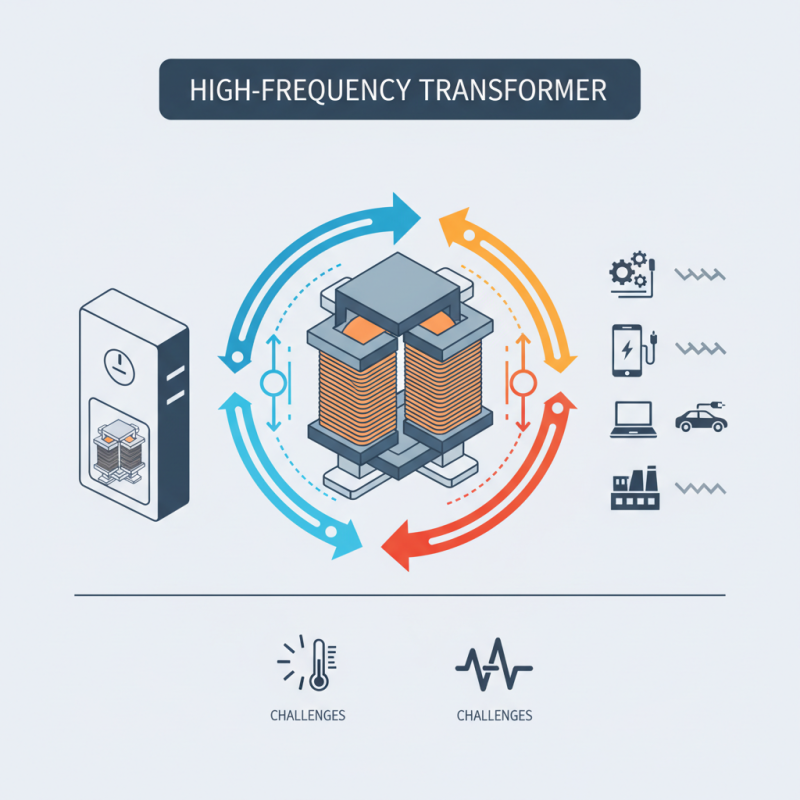
A high frequency transformer is a type of Electrical Transformer designed forhigh-frequency applications. Unlike traditional transformers, which operate at lower frequencies, these transformers handle frequencies in the kilohertz to megahertz range. Their main purpose is to step up or step down voltage levels while maintaining efficiency. They are crucial in power supply systems, RF transmission, and various electronic devices.
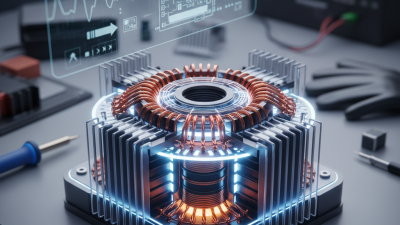
High frequency transformers utilize magnetic cores made from materials like ferrite. This design reduces losses associated with high-frequency operations. The compact size of these transformers allows them to be used in applications where space is limited. However, their performance can be affected by factors such as temperature and material quality. Ensuring consistency in manufacturing is essential but often challenging.
It's interesting to consider the trade-offs involved. While high frequency transformers offer compactness and efficiency, they may struggle with overheating if not properly managed. Additionally, their complexity can lead to design mistakes. Engineers must constantly refine their approach to optimize performance, highlighting a need for innovation in this field.
High frequency transformers are essential in various electronic applications. Their design differs significantly from traditional transformers. They handle higher frequencies, which affects their components and performance.
Key components include the core, windings, and insulation materials. The core is typically made of ferrite or amorphous materials to reduce losses. According to the Electric Power Research Institute, the choice of core can improve efficiency by up to 20%. Windings are often made of copper or aluminum. Copper is favored for its conductivity, but aluminum is lighter and cheaper. Each material choice has trade-offs in terms of weight, cost, and efficiency.
Insulation materials are critical as well. They need to withstand high voltage and temperature fluctuations. Epoxy resin and polyester films are common choices. A report from the International Electrotechnical Commission highlights that insulation failures account for about 30% of transformer issues. This illustrates the importance of selecting appropriate insulation to enhance reliability. These components work together to ensure that high frequency transformers function optimally. However, choosing the right materials often involves a tricky balance between cost, performance, and longevity, leading to potential pitfalls in design.
High frequency transformers play a crucial role in various electronic applications. They operate based on principles of electromagnetic induction. When alternating current passes through the primary winding, it generates a magnetic field. This field induces a voltage in the secondary winding. The transformer efficiently transfers energy between circuits.
The design of these transformers is unique. They often feature a ferrite core to achieve higher efficiency. The cores are lightweight and allow for compact structures. Given their size, they can handle high frequencies without overheating. However, improper design can lead to issues like saturation and increased losses.
These devices are not perfect. Some may experience voltage spikes during switching. Engineers must be aware of these risks. Adjustments in winding placement or core material can mitigate these effects. Even small tweaks can significantly improve performance. High frequency transformers are fascinating yet challenging components in modern technology.
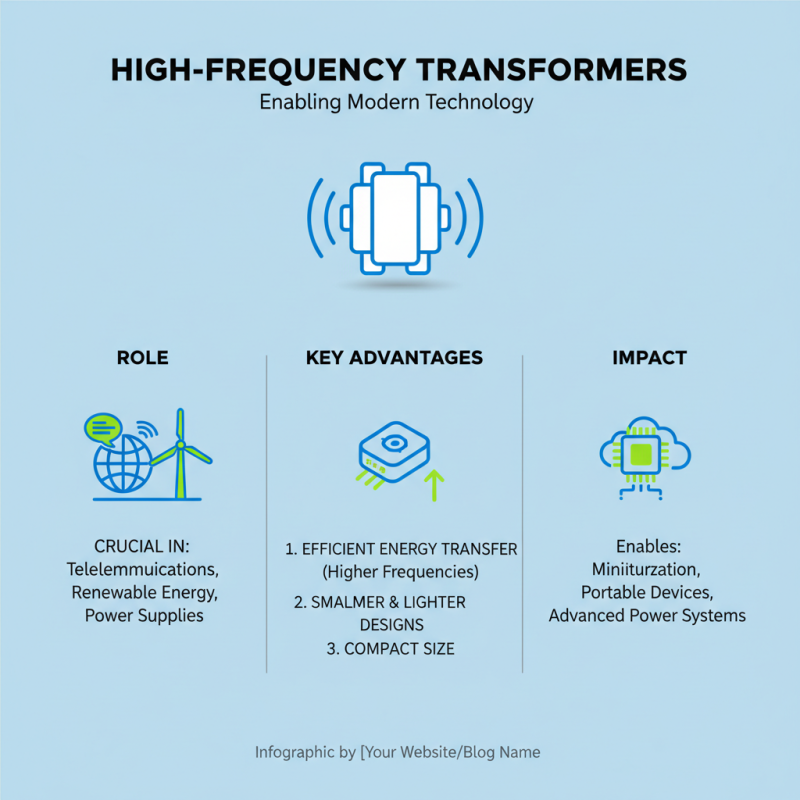
High frequency transformers play a crucial role in modern technology. They are widely used in various applications, from telecommunications to renewable energy systems. These transformers can efficiently transfer energy at higher frequencies, which allows for smaller and lighter designs. The compact size is advantageous in many scenarios.
In telecommunications, high frequency transformers facilitate signal transmission. They help to maintain signal integrity over long distances. This is essential for clear communication. In renewable energy systems, they optimize energy conversion. High-Frequency Current Transformers ensure smooth operation of inverters. They convert DC voltage into AC, which is vital for solar power systems.
Many engineers are still discovering the full potential of high frequency transformers. Some may overlook their importance in efficiency and size reduction. They can offer innovative solutions, but proper understanding is necessary. Experimentation with these components can lead to unexpected challenges. It’s important for professionals to analyze their designs continually. Embracing both success and failure in these projects can lead to advancements in technology.
High Frequency Transformers (HFTs) offer numerous advantages in modern electrical applications. They excel in energy efficiency, reducing losses at high operating frequencies. Some reports indicate that HFTs can achieve up to 95% efficiency compared to standard transformers. This high efficiency results from smaller core sizes and reduced copper losses, which lowers the overall operation cost.
Additionally, HFTs have a lighter weight due to their compact design. This can significantly reduce installation and transportation costs. With a reduced footprint, they make efficient use of space in tight settings, which is essential in advanced electronic devices. Data shows that companies experience a 30% decrease in size requirements when using High Frequency Current Transformers.
**Tip:** When selecting a High Frequency Transformer, consider the specific power rating and frequency of your application. Adjusting these parameters can lead to better performance.
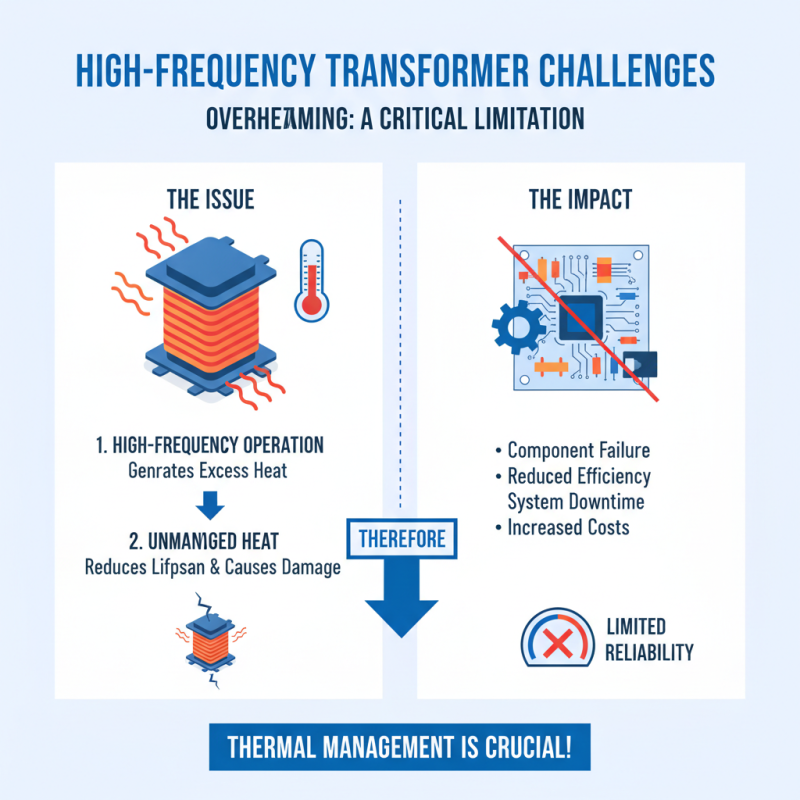
Despite these benefits, there are challenges. HFTs can generate more heat than traditional transformers. This may require additional cooling mechanisms. Careful attention is crucial to ensure longevity and reliability. Also, the design complexity can be a barrier for some manufacturers, leading to higher initial costs.
**Tip:** Always consult with an industry expert when designing a system with High Frequency Transformers. This helps avoid common pitfalls.
This bar chart illustrates the efficiency of different types of transformers. As frequency increases from low to high, the efficiency improves significantly, highlighting the advantages of using high frequency transformers.
High frequency transformers are essential in many applications. However, they come with notable challenges and limitations. One significant issue is overheating. High frequency operation can generate excess heat. If not managed, this could harm the transformer and reduce its lifespan.
Another concern is the core material. High frequency transformers often need specialty materials to minimize losses. These can be expensive and may not be readily available. Manufacturers need to choose wisely between cost and efficiency. Additionally, high frequency transformers face magnetic saturation at peak loads. This can lead to performance instability.
In contrast, Low Frequency Transformers can handle higher currents without overheating as quickly. This makes them more durable in some situations. Nevertheless, they are bulkier and heavier. Engineers must weigh the pros and cons of each type. The ideal solution often requires a balance that considers the specific application and operational environment.
High-frequency transformers are becoming pivotal in modern electronic applications. Their ability to efficiently manage power at elevated frequencies makes them ideal for various industries. Recent reports indicate that the high-frequency transformer market is expected to grow significantly, with projections estimating a compound annual growth rate (CAGR) of over 8% by 2030. This surge is largely driven by advancements in renewable energy sources and the electric vehicle (EV) sector.
The integration of high-frequency transformers in renewable energy systems allows for more compact designs and lighter equipment. For instance, in solar inverters, these transformers enable higher efficiency conversion processes. However, challenges remain in material selection and thermal management. Some studies suggest that the right materials drastically improve performance, but they can also increase costs, which poses a dilemma for manufacturers.
As technology evolves, the boundaries of high-frequency transformer applications are pushed further. Emerging trends include improvements in efficiency and size reduction. However, there is a need for continuous research and development. Industry experts emphasize that while innovations like nanocrystalline cores show promise, they require extensive testing to ensure reliability. Thus, while the future looks bright, the path forward is fraught with challenges that must still be navigated.
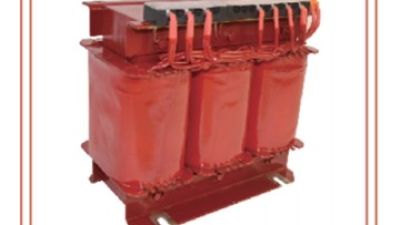
The SE17-3690380LX three-phase isolation transformer plays a crucial role in modern electrical systems, particularly in wind power applications. This transformer serves as an auxiliary power supply for wind power converters, facilitating the reliable operation of various essential components within the system. By providing stable power to the control circuit, cooling devices, and control switches, the transformer ensures that the entire converter operates efficiently and safely, which is vital for harnessing renewable energy effectively.
One of the primary advantages of using an isolation transformer in this context is the enhanced protection it offers against electrical faults. By isolating the control circuitry from the main electrical system, it minimizes the risk of damaging surges and disturbances affecting sensitive components. Additionally, it helps to maintain consistent voltage levels, ensuring that all control mechanisms can function optimally, regardless of changes in the input power conditions. This reliability translates to lower maintenance costs and improved performance of the wind power system overall.
Moreover, the SE17-3690380LX transformer is designed to meet the specific demands of wind power applications, offering excellent efficiency and durability. Its robust construction allows it to withstand the harsh environmental conditions commonly encountered in wind energy installations. With an emphasis on performance and safety, this isolation transformer is an invaluable component for enhancing the reliability and effectiveness of electrical systems in the growing renewable energy sector.
: The product aims to enhance user experience in daily tasks.
It is designed for various users, both beginners and experienced individuals.
Follow the simple instructions provided in the manual. Take your time.
Check out its customizable settings and various modes for tailored preferences.
Users often struggle with initial setup and navigation. It takes practice.
Yes, customer support is accessible via multiple channels for assistance.
Regular cleaning and software updates are essential for optimal performance.
Yes, a return policy is in place, but check specific conditions.
Always follow safety guidelines provided to prevent accidents or misuse.
Refer to the troubleshooting section in the manual. You may need patience.
A High Frequency Transformer is a type of transformer designed to operate at elevated frequencies, typically above 20 kHz, serving essential functions in various electronic devices. Its primary purpose is to convert voltage levels, isolate circuits, and provide power regulation in applications that require compact size and efficiency. Key components include the magnetic core, windings, and insulation materials, which are critical for its functionality.
High Frequency Transformers operate based on the principles of electromagnetic induction, allowing energy transfer with reduced losses and increased performance. They are widely used in modern technology, especially in power supplies, renewable energy systems, and telecommunications. The advantages of High Frequency Transformers include smaller size, lighter weight, and improved efficiency, though they do face challenges such as thermal management and electromagnetic interference. Future trends indicate ongoing advancements in materials and design, further enhancing their capabilities and applications across various industries.