Inquiry
Form loading...
0%

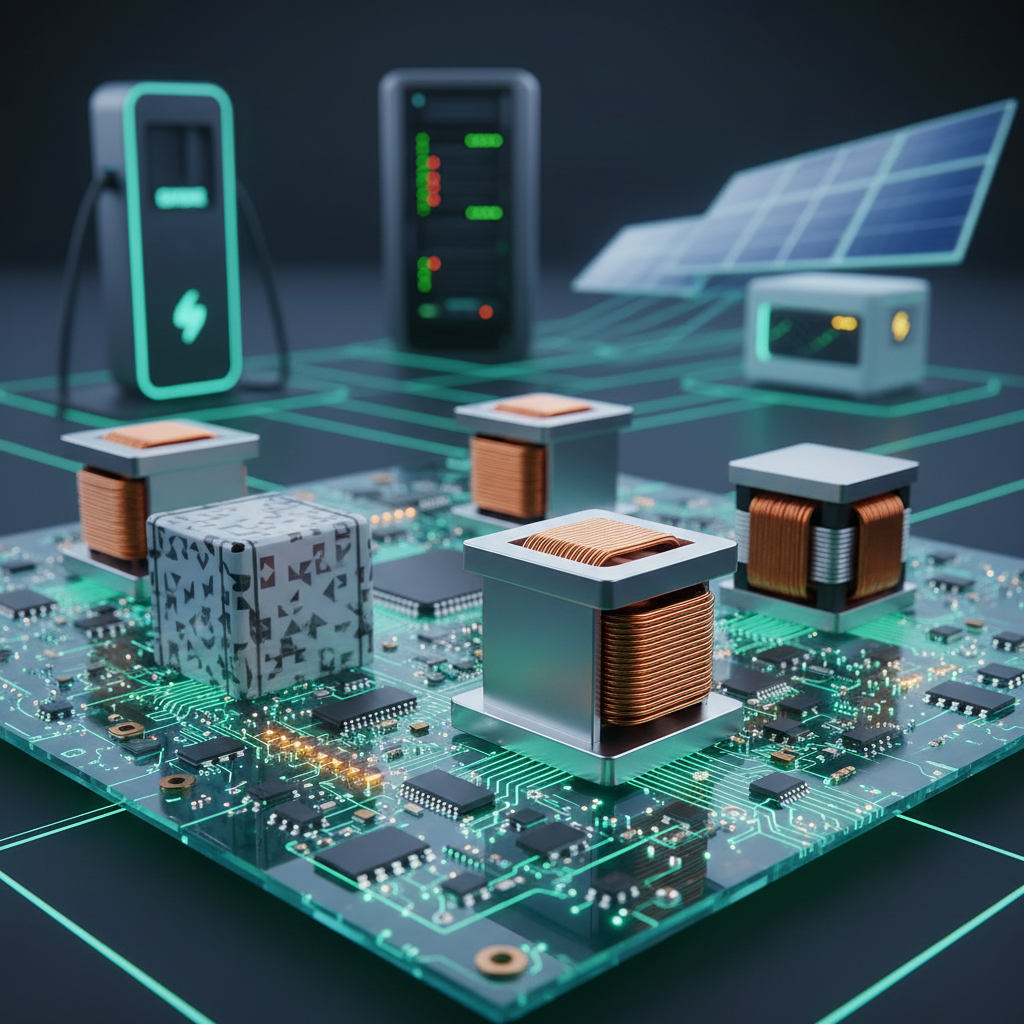
In today’s fast-changing tech world, the need for smaller, more efficient power solutions has never been more important. One pretty exciting development in this area is the High Frequency Transformer. Unlike your typical transformer that runs at lower frequencies, these new ones work at much higher speeds, which means you can get smaller, lighter devices that still pack a punch. As industries push to be more efficient and environmentally friendly, the perks of using high frequency transformers are becoming clear as day.

You see these transformers popping up everywhere — from telecom and renewable energy setups to electric cars and medical gear. They don’t just make power conversion more efficient; they also help make devices more reliable and last longer. Companies like Texas Instruments and Murata Manufacturing are really pushing the envelope with this tech, showing how much benefits high frequency transformers can bring to the table. Looking at the top ten advantages, it’s obvious that these transformers aren’t just nice-to-haves—they’re actually key players in pushing innovation and sustainability forward in power management.

If you ask me, it’s pretty fascinating how a small shift in technology can have such a big impact on our everyday gadgets and future energy solutions.

What is a High Frequency Transformer and Its Benefits in Modern Applications

Understanding the Basics of High Frequency Transformers

What is a High Frequency Transformer and Its Benefits in Modern Applications

High Frequency Transformers (HFTs) are specialized electrical devices designed to operate efficiently at elevated frequencies, typically above 20 kHz. Unlike traditional transformers, HFTs are constructed with advanced materials and technologies that minimize core losses and enable compact designs. This shift towards higher frequency usage allows for reduced size and weight in applications such as power supplies for telecommunications equipment, electric vehicles, and renewable energy systems. According to a report by MarketsandMarkets, the global high frequency transformer market is expected to reach $5.6 billion by 2026, reflecting the increasing demand for efficient energy conversion solutions in modern electronics.

The key benefits of HFTs stem from their enhanced operational efficiency and versatility. Their ability to function at higher frequencies significantly reduces the overall size of the transformer while maintaining or improving performance. For instance, the use of ferrite cores in HFTs helps to achieve lower losses and higher inductance values, making them more suitable for applications like flyback converters and Dc-Dc Converters, where space and weight are critical factors. Additionally, a study published by the IEEE indicates that high frequency transformers can provide a 30% reduction in energy losses compared to their low-frequency counterparts, contributing to more sustainable energy usage in modern technologies.

Key Characteristics of High Frequency Transformers

High frequency transformers (HFTs) are specialized devices designed to operate efficiently at elevated frequencies, typically above a few kHz. One of their key characteristics is the reduced core size, which allows for a more compact design. This size reduction is crucial for applications requiring high power density, such as power supplies for consumer electronics and inverters for renewable energy systems. HFTs also exhibit lower energy losses due to their optimized magnetic materials, which not only enhance efficiency but also improve thermal management, making them suitable for high-performance applications.

Another important aspect of HFTs is their ability to maintain high voltage regulation and stability under dynamic load conditions. This characteristic is essential in modern technologies where rapid fluctuations in power demand can affect overall system performance. The recent advancements in machine learning and AI methodologies, particularly those leveraging high-frequency functions, highlight the increasing relevance of HFTs in devices that require precise power management, such as in seismic data modeling and other scientific applications. By integrating HFTs, these systems can effectively process and utilize data with high temporal resolution, thus enhancing their operational capabilities.

Advantages of High Frequency Transformers in Power Conversion

High frequency transformers are pivotal in modern power conversion applications due to their lightweight design and high efficiency. Unlike traditional transformers, which operate at 50 or 60 Hz, high frequency transformers typically function within the range of 20 kHz to 1 MHz. This shift in frequency reduces the size and weight of the transformer significantly, making them ideal for compact electronic devices. According to a report by MarketsandMarkets, the high frequency transformer market is projected to grow from $1.5 billion in 2020 to $2.4 billion by 2025, reflecting a compound annual growth rate (CAGR) of 10.2%.

The advantages of high frequency transformers extend beyond their size. They also offer enhanced efficiency in power conversion, with energy losses reduced by up to 50% compared to lower frequency models. This efficiency gain is crucial as industries strive to meet energy-saving regulations and reduce operational costs. Furthermore, the insulation materials used in high frequency transformers can withstand higher temperatures, enabling their applications in harsh environments without compromising performance. This adaptability contributes to their increasing adoption across various sectors, including renewable energy systems, electric vehicles, and consumer electronics.

Applications of High Frequency Transformers in Modern Technology

High frequency transformers are increasingly vital in modern technology, especially within the global current sensor market, which is anticipated to expand from $3.40 billion in 2025 to $6.67 billion by 2032, reflecting a robust CAGR of 10.10%. This growth highlights the escalating demand for efficient power management solutions, where high frequency transformers play a pivotal role. Their capability to operate at elevated frequencies allows for reduced size and weight, making them ideal for applications in various sectors, including renewable energy systems and electric vehicles.

Moreover, the utility of high frequency transformers extends to advanced charging solutions for electric vehicles, where new technologies promise faster and smarter charging stations. The solid-state transformer systems innovated for powering data centers exemplify how these devices can minimize costs and complexity. As the market for switch mode power supply transformers is projected to increase from USD 3.0 billion in 2025 to USD 4.9 billion by 2035, with a CAGR of 4.9%, it is evident that high frequency transformers are at the forefront of enhancing energy efficiency and adapting to the evolving landscape of energy consumption and management in modern applications.

Innovations Driving the Development of High Frequency Transformers

What is a High Frequency Transformer and Its Benefits in Modern Applications

High frequency transformers are evolving rapidly, driven by innovations in materials, design, and manufacturing processes. Recent studies by industry leaders such as MarketsandMarkets project the high frequency transformer market to reach $2.4 billion by 2026, demonstrating a CAGR of 9.5% from 2021. This growth is largely due to advancements in high efficiency magnetic materials like ferrites, which allow these transformers to operate at frequencies often exceeding 1 MHz. Such materials not only reduce losses but also contribute to the compact design of modern electronic devices.

One notable innovation is the integration of smart technologies in high frequency transformers. These transformers are increasingly equipped with sensors and IoT capabilities, enabling real-time monitoring and improved efficiency in power management systems. For instance, research from Grand View Research indicates that smart transformers can enhance efficiency by up to 20%, significantly improving energy savings in industrial applications.

Tips: When considering high frequency transformers for specific applications, always assess the operating frequency and the type of load. Understanding these parameters can help in selecting the most efficient transformer design, leading to reduced energy consumption and enhanced performance. Additionally, always explore manufacturers that offer customizable solutions to meet unique project demands.

Comparative Analysis: High Frequency vs. Low Frequency Transformers

High frequency transformers (HFT) and low frequency transformers (LFT) differ significantly in their operational principles and applications. HFTs are designed to operate at frequencies above 1 kHz, often ranging from 20 kHz to several hundred kHz. This characteristic allows for smaller sizes and reduced weight compared to their low frequency counterparts, which typically operate below 60 Hz. In modern applications, particularly in the booming photovoltaic (PV) and energy storage markets, the shift towards high frequency systems is becoming more prevalent. Reports indicate that the global market for high frequency transformers is expected to grow substantially, fueled by the increasing demand for efficient power conversion in renewable energy systems.

The advantages of HFTs include enhanced efficiency and lower energy losses, which are critical in applications such as solar inverters and power converters. With the rise of energy storage systems, the core components like transformers, inductors, and filters are being optimized for high efficiency and low loss characteristics. This transformation is evident in data indicating that HFT designs can achieve efficiency rates exceeding 95%, compared to around 85% for traditional LFTs. As the photovoltaic and energy storage sectors continue to expand, the adoption of high frequency transformers is essential to meet the demands for compact, efficient, and cost-effective energy solutions.

What is a High Frequency Transformer and Its Benefits in Modern Applications - Comparative Analysis: High Frequency vs. Low Frequency Transformers

Feature High Frequency Transformer Low Frequency Transformer
Operating Frequency 20 kHz to several MHz 50 Hz to 400 Hz
Size Generally smaller due to compact design Larger, bulkier due to core material
Efficiency Higher efficiency due to lower core losses Lower efficiency, more core losses
Applications Used in medical devices, telecommunication, power supplies Used in power distribution, industrial machinery
Heat Generation Lower heat generation Higher heat generation
Cost Generally higher initial cost Lower initial cost

FAQS

: What are high frequency transformers (HFTs)?

: High frequency transformers are specialized devices designed to operate efficiently at elevated frequencies, typically above a few kHz, characterized by a reduced core size and optimized magnetic materials that enhance efficiency.

What are the advantages of using high frequency transformers?

HFTs provide lower energy losses, improved thermal management, compact designs, and the ability to maintain high voltage regulation and stability under dynamic load conditions, making them suitable for high-performance applications.

In which applications are high frequency transformers commonly used?

HFTs are utilized in various sectors including power supplies for consumer electronics, electric vehicles, renewable energy systems, and advanced charging solutions, as well as in data centers and scientific applications.

How are high frequency transformers influencing the market?

The global current sensor market is expected to grow significantly, indicating a rising demand for efficient power management solutions where HFTs play a crucial role, particularly with a robust CAGR anticipated in the industry.

What innovations are driving the development of high frequency transformers?

Innovations in materials, design, and manufacturing processes are driving HFT development, particularly advancements in high efficiency magnetic materials like ferrites and the integration of smart technologies for real-time monitoring.

How do smart technologies enhance high frequency transformers?

Smart technologies equipped in HFTs enable real-time monitoring and improved efficiency in power management systems, with potential efficiency enhancements of up to 20%, contributing to energy savings in industrial applications.

What should be considered when selecting a high frequency transformer?

When choosing an HFT, it is essential to assess the operating frequency and the type of load, which can lead to improved performance and reduced energy consumption.

What is the projected market growth for high frequency transformers?

The high frequency transformer market is projected to reach $2.4 billion by 2026, with a CAGR of 9.5% from 2021, due to the increasing demand for efficient energy solutions and advanced technologies.

How are high frequency transformers related to renewable energy systems?

HFTs are instrumental in renewable energy systems as they enable compact designs and efficient power management solutions critical for applications like inverters and energy conversion.

Why is it important to consider customizable solutions for high frequency transformers?

Customizable solutions allow manufacturers to meet unique project demands, optimizing the performance and energy efficiency of HFTs tailored for specific applications.

Conclusion

High Frequency Transformers are essential components in modern electrical applications, known for their ability to operate efficiently at elevated frequencies. This enables superior power conversion, resulting in lighter and more compact designs compared to traditional low frequency transformers. Understanding the key characteristics of High Frequency Transformers highlights their advantages, including reduced size, weight, and improved performance in power electronics. These traits make them incredibly valuable in innovative technologies such as electric vehicles, renewable energy systems, and advanced power management solutions.

At Beijing TransFar Electronics Group Co., Ltd., we are dedicated to developing High Frequency Transformers along with a range of advanced electronics. Our expertise in new energy sensors, reactors, and precision components positions us at the forefront of the industry, driving innovation and meeting the growing demands of modern technology. The ongoing research and development in High Frequency Transformer technology, paired with our commitment to quality and customer service, allow us to deliver effective energy solutions tailored for contemporary applications.

Sophia

Sophia

Sophia is a dedicated marketing professional at Beijing Chuang Sifang Electronic Group Co., Ltd., where her expertise shines through in her everyday responsibilities. With a deep understanding of the company's innovative products, she plays a pivotal role in communicating their unique value to the......
Previous Exploring the Benefits of Current Transformers for Efficient Energy Management