Inquiry
Form loading...
0%

High Frequency Transformers are honestly game-changers in today's electronic world. They play a huge role in making power conversion more efficient and keeping signal quality reliable, no matter the industry. I remember reading what Dr. Mark Stone from Voltage Dynamics said — something like, "Advances in High Frequency Transformer tech have totally changed how we design power systems, making things smaller and more efficient." That really hits home how much these components have driven tech forward.

When you start looking into what these transformers can do and where they're used, it’s clear they’re way more than just the usual voltage stepping. They’re super important for boosting performance and dependability, especially in areas like telecom, renewable energy setups, and automotive electronics. The fact that they can work at higher frequencies means we can make things smaller and lighter, plus they handle heat much better — pretty awesome for compact gadgets and devices.

Getting a grasp on what makes High Frequency Transformers tick is pretty important for engineers and designers who want to make the most out of them. They come with their own perks — lower core losses, better thermal management, and smart magnetic designs. These features open up new possibilities, pushing the limits of what electronics can do. So, as we dig into this topic, I think you’ll see just how crucial these transformers are in shaping the future of tech.
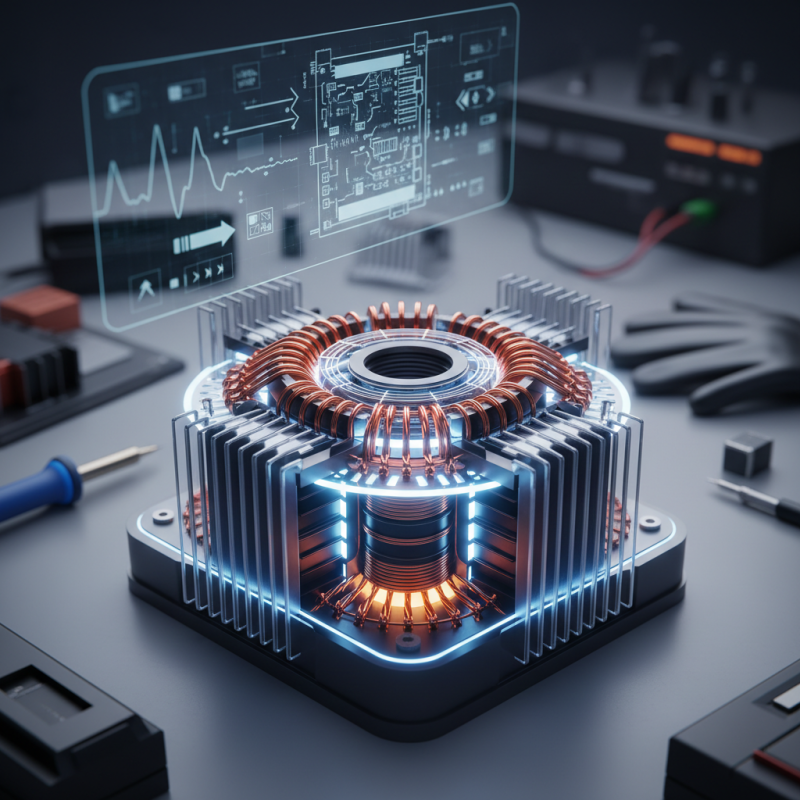
Understanding High Frequency Transformers: Applications, Benefits, and Key Features

Understanding High Frequency Transformers: An Overview

High frequency transformers are essential components in modern power systems, designed to operate efficiently at elevated frequencies. Unlike traditional transformers, which typically function at line frequencies of 50 or 60 Hz, high frequency transformers can operate between 20 kHz to several MHz. This shift in operation frequency allows them to be compact and lightweight, making them ideal for applications where space and weight are critical factors, such as in portable electronics, electric vehicles, and renewable energy systems.

These transformers offer several benefits, including improved efficiency and reduced energy losses. Their smaller core size also enables faster response times and better thermal management. A key feature of high frequency transformers is their ability to minimize electromagnetic interference, which is crucial in sensitive electronic circuits. Additionally, these transformers can be designed with various materials and configurations to meet specific application needs, contributing to their versatility across different sectors, including telecommunications, medical equipment, and industrial automation.

Key Applications of High Frequency Transformers in Industry

Understanding High Frequency Transformers: Applications, Benefits, and Key Features

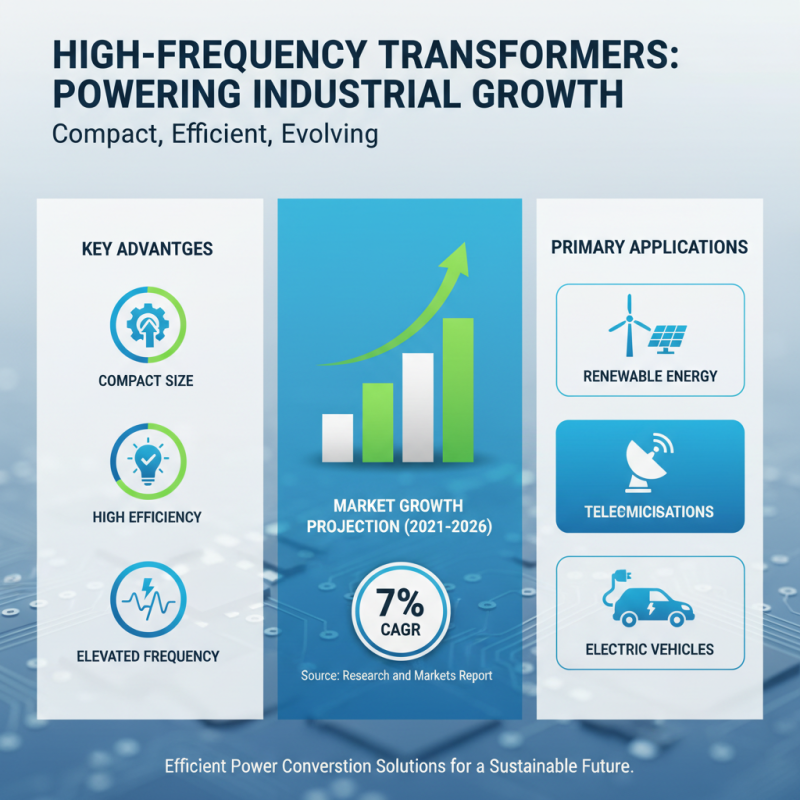
High frequency transformers are increasingly utilized across various industrial sectors due to their compact size, efficiency, and ability to operate at elevated frequencies. According to a report by Research and Markets, the high frequency transformer market is projected to grow significantly, with an expected CAGR of around 7% from 2021 to 2026. This growth is driven by the rising demand for efficient power conversion solutions, particularly in sectors such as renewable energy, telecommunications, and electric vehicles.

One of the key applications of high frequency transformers is in power supplies, where they play a vital role in converting and regulating voltage levels. In the renewable energy sector, for instance, they are critical in solar inverters to optimize energy conversion and enhance system performance. The International Energy Agency (IEA) indicates that solar power capacity has been growing at an average rate of 22% per year, indicating a substantial need for advanced power electronics including high frequency transformers. Additionally, their lightweight and compact design make them ideal for use in electric vehicles, enabling smaller battery systems and improved energy efficiency.

In telecommunications, high frequency transformers are essential for signal transmission and isolation, enhancing the performance of communication systems. The increase in data traffic is driving the need for more efficient transformers that can handle higher frequencies while maintaining signal integrity. According to Cisco's Global Cloud Index, global data center traffic is expected to reach 19.5 zettabytes annually by 2021, further underscoring the necessity for robust transformer solutions to support this growing demand. As industries continue to evolve, the role of high frequency transformers becomes increasingly critical in driving technological advancement and operational efficiency.

Benefits of Using High Frequency Transformers Over Conventional Ones

Understanding High Frequency Transformers: Applications, Benefits, and Key Features

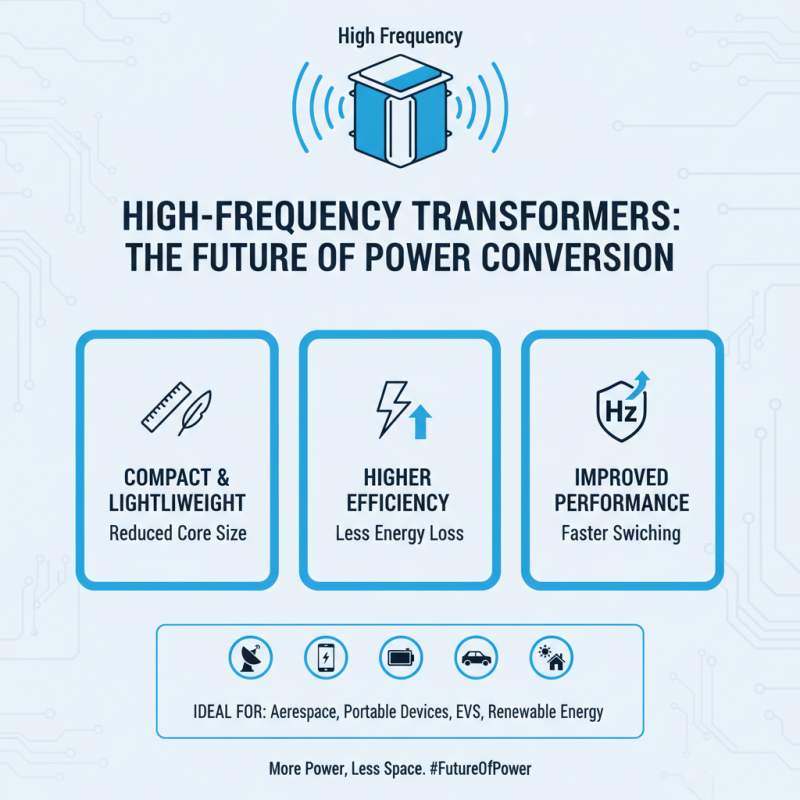
High frequency transformers are increasingly favored in various electrical applications primarily due to their numerous advantages over conventional transformers. One of the most significant benefits is their compact size and lightweight design. By operating at higher frequencies, these transformers can achieve the same power output with a significantly reduced core size, which is ideal for applications where space and weight are critical factors, such as in aerospace or portable devices.

Another advantage of high frequency transformers is their enhanced efficiency. The core materials used in these transformers are designed to minimize energy losses, allowing for improved performance at elevated frequencies. This superior efficiency translates into lower heat generation, simplifying thermal management and extending the lifespan of the overall system. Furthermore, high frequency transformers typically exhibit better voltage regulation and reduced electromagnetic interference, leading to more stable and reliable operation in sensitive electronic environments. By leveraging these benefits, designers can create more effective solutions tailored to meet the evolving demands of modern technology.

Physical and Electrical Characteristics of High Frequency Transformers

High frequency transformers are critical components in a variety of electronic applications, primarily due to their unique physical and electrical characteristics. Physically, these transformers are designed with a compact size and lightweight structure, which allows for high power density. The use of ferrite cores is common, as they exhibit excellent magnetic properties at elevated frequencies. This results in minimal core losses and enables the transformers to operate efficiently in switch-mode power supplies and other high-frequency environments.

Electrically, high frequency transformers demonstrate improved performance metrics such as lower winding losses, reduced electromagnetic interference, and enhanced thermal management. The winding configuration, often utilizing Litz wire, further minimizes skin effect and proximity losses, which are significant at high frequencies. These transformers also feature high insulation resistance and voltage ratings, contributing to their reliability in demanding applications. By leveraging these physical and electrical properties, high frequency transformers facilitate advancements in technology, supporting efficient energy conversion and power delivery in modern electronic systems.

Design Considerations for High Frequency Transformers

When designing high frequency transformers, several critical considerations come into play to ensure optimal performance and efficiency. One of the primary factors is the core material. Ferrite cores are commonly used due to their excellent magnetic properties at high frequencies, allowing for reduced losses and improved power handling. The size and shape of the core also play a crucial role in determining the transformer's efficiency and thermal management, which can significantly impact overall application performance.

Another important consideration is the winding configuration. Proper winding techniques are essential to minimize parasitic inductance and capacitance. This affects the leakage inductance and allows for better control over the transformer's frequency response. Incorporating features like bifilar or trifilar winding can also enhance coupling efficiency and mitigate electromagnetic interference, leading to improved signal quality.

Tips for designing high frequency transformers include keeping the winding turns to a minimum while ensuring adequate wire gauge to handle the desired current levels. Additionally, implementing adequate insulation can prevent issues related to dielectric breakdown, especially in high voltage applications. Always consider the thermal performance during the design phase; selecting the right cooling solutions can further enhance reliability and longevity of the transformer in demanding environments.

Challenges and Solutions in High Frequency Transformer Design

High-frequency transformers play a critical role in modern electronic applications, yet their design presents several challenges that engineers continuously strive to overcome. One of the major issues is the difficulty in managing core losses, which can be exacerbated at higher operating frequencies. Engineers must select materials with low loss characteristics while ensuring the transformers are compact enough for their applications. This often necessitates intricate design methodologies that balance size, efficiency, and thermal management, as inadequate heat dissipation can lead to failures during operation.

Moreover, electromagnetic interference (EMI) is another significant concern in high-frequency transformer design. As the frequency of operation increases, the potential for noise coupling into nearby circuits heightens, which can detrimental impact system performance. To combat this, innovative shielding techniques and careful placement of components are essential. Additionally, the optimization of winding configurations and the use of differential signaling can help in mitigating the effects of EMI, thus enhancing the reliability and performance of high-frequency transformers in various applications, from power electronics to communication systems.

Understanding High Frequency Transformers: Applications, Benefits, and Key Features - Challenges and Solutions in High Frequency Transformer Design

Applications Benefits Key Features Challenges Solutions
Switching Power Supplies High efficiency, lower heat generation Compact size, lightweight design EMI and RFI interference Proper shielding and layout design
Telecommunication Devices Improved signal clarity Wide frequency range Thermal management issues Enhanced cooling solutions
Power Conversion Systems High power density Reduced size and weight Component durability Use of robust materials
Renewable Energy Systems Effective energy management Reliability and stability Complex design processes Advanced design simulation tools

Future Trends in High Frequency Transformer Technology

The landscape of high frequency transformer technology is rapidly evolving, driven by advancements in materials and design methodologies. As industries increasingly demand more efficient energy conversion and management solutions, high frequency transformers are becoming central to innovations in renewable energy systems, electric vehicles, and telecommunications. Future trends indicate a growing shift towards the use of advanced insulating materials and magnetic core designs that enhance the performance of these transformers while minimizing size and weight. This evolution paves the way for more compact and lightweight devices, enabling their integration into various applications where space and efficiency are critical.

Moreover, the emergence of smart grid technology and the Internet of Things (IoT) are likely to influence the development of high frequency transformers. As electrical systems become more interconnected and intelligent, there will be a greater need for transformers that can withstand fluctuations in load and provide precise control over power distribution. Enhanced functionalities such as real-time monitoring and fault detection can be integrated into high frequency transformers, allowing for increased reliability and efficiency in power systems.

The combination of superior performance and intelligent capabilities will be vital in addressing future energy challenges, as the demand for sustainable and adaptable power solutions continues to rise.

Exploring the Impact of Leakage Current Transformers on Energy Efficiency: Insights from Industry Reports and Market Trends

The exploration of leakage Current Transformers highlights their growing importance in enhancing energy efficiency across various industries. Recent industry reports indicate that leakage currents, often unnoticed, can lead to significant energy losses and pose safety risks. With advanced technology, leakage current transformers are now capable of monitoring small leakage currents with high sensitivity, ensuring rapid response to potential hazards. According to a report by the International Electrotechnical Commission, poorly managed leakage currents can increase electrical system losses by up to 15%, which emphasizes the crucial role of these transformers in detecting and mitigating such issues.

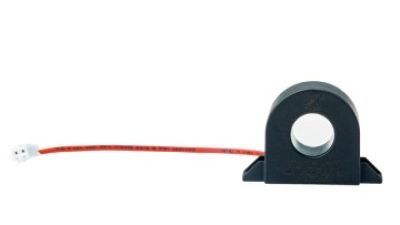
In diverse application scenarios, the adaptability of leakage current transformers becomes paramount. Their fully enclosed design not only offers exceptional voltage isolation but also ensures high mechanical strength and environmental resistance. This robust construction is particularly valuable in sectors such as manufacturing and renewable energy, where equipment is often exposed to harsh conditions. Furthermore, the ease of installation with PCB soldering options provides a significant advantage in modern electrical safety monitoring systems, allowing for seamless integration into existing infrastructures.

Market trends indicate a rising demand for sophisticated monitoring solutions, with projections estimating a compound annual growth rate of 7% for leakage current transformer markets over the next five years. This growth is driven by increasing safety regulations and the adoption of smart grid technologies, underscoring the importance of high-performance components. The elegant yet professional appearance of these transformers not only underscores their functionality but also reflects the commitment to quality and safety in electrical monitoring. As industries strive to improve energy efficiency, leakage current transformers stand as an essential tool for safeguarding systems while enhancing operational performance.

FAQS

: What are high frequency transformers used for in industrial applications?

: High frequency transformers are utilized in various industrial sectors for power supplies, particularly in renewable energy systems, telecommunications, and electric vehicles, where they play a vital role in converting and regulating voltage levels.

How do high frequency transformers benefit the renewable energy sector?

They are critical in solar inverters, optimizing energy conversion and enhancing system performance, which is increasingly necessary due to the rapid growth of solar power capacity.

What is driving the growth of the high frequency transformer market?

The market is expected to grow significantly, with a projected CAGR of around 7% from 2021 to 2026, driven by the rising demand for efficient power conversion solutions across various industries.

What are the physical characteristics of high frequency transformers?

High frequency transformers are characterized by their compact size and lightweight structure, allowing for high power density, often using ferrite cores that exhibit excellent magnetic properties at elevated frequencies.

What electrical characteristics enhance the performance of high frequency transformers?

They show improved performance metrics such as lower winding losses, reduced electromagnetic interference, and enhanced thermal management, making them suitable for high-frequency environments.

How do winding configurations improve the efficiency of high frequency transformers?

The use of winding configurations like Litz wire minimizes skin effect and proximity losses, which are significant at high frequencies, thus optimizing their efficiency.

Why are high frequency transformers important in telecommunications?

They are essential for signal transmission and isolation, which enhances the performance of communication systems, particularly in response to the increasing data traffic demands.

What ultimate role do high frequency transformers play in modern technology?

They facilitate advancements in technology by supporting efficient energy conversion and reliable power delivery in modern electronic systems, contributing to overall operational efficiency.

What is a significant feature of high frequency transformers that ensures their reliability?

High insulation resistance and superior voltage ratings contribute to their reliability, making them suitable for demanding applications.

How do high frequency transformers impact electric vehicles?

Their lightweight and compact design enable smaller battery systems and improved energy efficiency in electric vehicles, which is critical for enhancing overall vehicle performance.

Conclusion

High Frequency Transformers (HFTs) play a critical role in various industrial applications, delivering enhanced performance and efficiency compared to conventional transformers. This article explores the fundamental characteristics of HFTs, including their unique physical and electrical attributes, which enable them to operate effectively at elevated frequencies.

The benefits of utilizing High Frequency Transformers are underscored, highlighting their compact size, weight reduction, and improved power density, making them suitable for modern applications such as switch-mode power supplies and renewable energy systems. Additionally, the article addresses the design considerations and challenges faced in creating HFTs, as well as the emerging trends that indicate a promising future for this technology in enhancing energy efficiency and reliability in power systems.

Sophia

Sophia

Sophia is a dedicated marketing professional at Beijing Chuang Sifang Electronic Group Co., Ltd., where her expertise shines through in her everyday responsibilities. With a deep understanding of the company's innovative products, she plays a pivotal role in communicating their unique value to the......
Previous Exploring the Benefits of Current Transformers for Efficient Energy Management