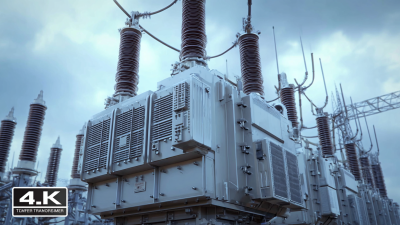
You can check out these High Voltage Power Transformers— they’re really the backbone of how we transmit electricity over long distances. Basically, they boost the voltage so that energy doesn’t get lost along the way. Dr. Alice Johnson, who’s quite an expert in electrical engineering, actually said, "High Voltage Power Transformers are the backbone of modern power systems." Pretty cool, right?
Now, these transformers aren’t exactly simple — their design and how they work can get pretty complex. Engineers have to find that delicate balance between making sure they run efficiently and keeping everything safe. There are often tricky challenges involving materials and tech that they need to navigate. Making sure they perform perfectly can be tough, especially because so many little factors can impact their reliability and how long they last.
And of course, quality really matters. Companies like Delta Transformers pride themselves on top-notch engineering. Still, even with the best designs, issues can pop up over time. That’s why regular maintenance is such a big deal — it keeps everything running smoothly. High voltage transformers need attention, careful handling, and continuous innovation. Every unit is a bit different, with its own quirks and considerations.
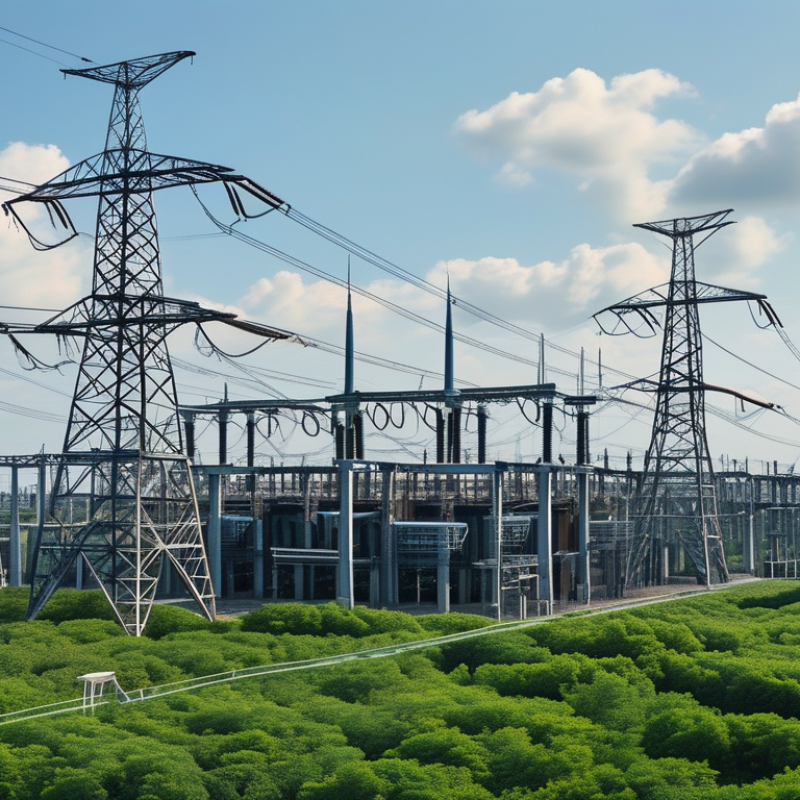
What is a High Voltage Power Transformer?
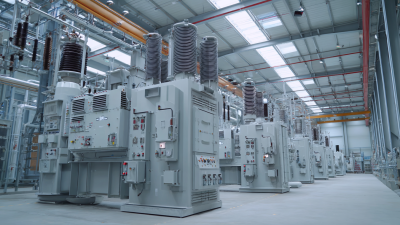
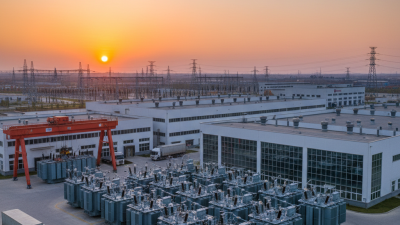
High Voltage Power Transformers are critical in the power distribution system. They step up or step down voltage levels to ensure efficient electricity transfer. When electricity travels long distances, high voltage minimizes transmission losses. These transformers are robust and usually found at substations.
The construction of a High Voltage Power Transformer involves multiple components. Magnetic core materials are often laminated to reduce energy loss. Insulation systems are crucial for safety. Different designs cater to various applications. Despite their complexity, understanding their function can be straightforward. They utilize electromagnetic principles to convert energy effectively.
However, operation can pose challenges. Aging components may result in inefficiencies. Regular maintenance is vital to ensure functionality. Operators must constantly monitor performance. Human errors in handling may also lead to failures. These issues remind us of the importance of vigilance in managing High Voltage Power Supply systems.
Components of a High Voltage Power Transformer
High voltage power transformers play a crucial role in electrical systems. They are designed to transmit large amounts of power over long distances. Understanding their components is essential for grasping their functionality.
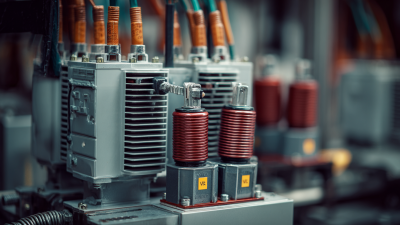
The core is the heart of the transformer. It is made of laminated silicon steel. This design minimizes energy losses due to eddy currents. The primary and secondary windings are composed of copper or aluminum wire. These windings transfer electrical energy from one circuit to another. Insulation materials are also vital. They ensure safety and efficiency by preventing short circuits. According to industry reports, more than 60% of transformer failures can be traced back to insulation issues.
Tips: Regular inspections of insulation can prevent many failures. Consider using a High Voltage Sensor to monitor the condition of insulation. A well-maintained transformer can last decades.
Other components include tap changers. These devices adjust voltage levels to meet varying load conditions. Another critical part is the cooling system. Often, transformers use oil for cooling. However, air-cooled systems are also common. Inefficient cooling leads to overheating, reducing the lifespan of the transformer. It's important to reflect on the maintenance of these components to ensure reliable operation.
Principle of Operation for High Voltage Transformers
High voltage transformers are crucial in power distribution. They adjust voltage levels for efficient energy transfer. Understanding their operation reveals how they provide stability in electrical systems.
The basic principle of high voltage transformers hinges on electromagnetism. When alternating current flows through the primary coil, it creates a magnetic field. This field induces a voltage in the secondary coil, transforming voltage levels efficiently. The design ensures minimal energy loss, maximizing performance.
Tips: Pay attention to overheating. High voltage transformers generate heat, so using a High Voltage Temperature Sensor is essential. Regular monitoring can prevent failures. Also, be aware of environmental factors. Moisture and dust can affect performance. Keep the transformer area clean for optimal operation.
Types of High Voltage Power Transformers
High voltage power transformers are crucial in managing electrical energy. They play a pivotal role in power transmission and distribution. Understanding the different types of high voltage transformers can enhance efficiency in electrical systems.
The three primary types are step-up, step-down, and auto transformers. Step-up transformers increase voltage for efficient long-distance transmission. They reduce energy loss and maintain power quality. Step-down transformers convert high voltage into low voltage, making it safe for residential use. Auto transformers use a single winding to achieve both steps of voltage transformation, saving space and materials.
**Tip:** When selecting transformers, consider the application needs and environmental conditions. This choice impacts performance and longevity.
While these transformers perform reliably, some issues may arise over time. Insulation failure can lead to system malfunctions. Regular maintenance and inspections are essential to ensure consistent operation.
**Tip:** Utilize High Voltage Sensor Quotes for monitoring and diagnostics, ensuring potential problems are detected early. This proactive approach can prevent outages and extend equipment lifespan.
High Voltage Power Transformer Types and Their Efficiency Ratings
This chart illustrates the efficiency ratings of various types of high voltage power transformers. The efficiency rating is a crucial factor that affects the operational performance and energy losses during transmission. Each transformer type is designed for specific applications, impacting their efficiency values.
Applications of High Voltage Power Transformers
High voltage power transformers (HVPTs) are crucial in modern electrical systems. These devices transfer electrical energy between circuits at high voltages. Their design allows for efficient transmission over long distances. According to the International Energy Agency, efficient power transmission can reduce energy losses by up to 30%. This efficiency is vital in minimizing operational costs.
HVPTs are utilized in various applications. They play a key role in transmission networks, linking power plants to substations. This connection is essential for maintaining grid stability. In industrial settings, HVPTs support heavy machinery that requires substantial power. Reports indicate that around 60% of global energy generation relies on transformers for effective distribution. Observations from utility companies show increasing demand for transformers to manage renewable energy sources like wind and solar.
Despite their advantages, HVPTs also have challenges. Aging infrastructure poses risks of failures. Regular maintenance is crucial to ensure they operate efficiently. Modern advancements may create better models, yet many facilities still rely on outdated systems. This reliance could lead to efficiency losses. Continuous improvement in design and maintenance can enhance the performance of high voltage transformers in the future.
Advantages and Disadvantages of High Voltage Transformers
High voltage transformers play a crucial role in electric power transmission. Their advantages and disadvantages shape how we use them in the industry.
One significant advantage is their ability to reduce energy loss over long distances. By stepping up voltage, these transformers minimize current draw. This means less heat and energy wasted in transmission lines. High voltage transformers enhance the efficiency of power distribution, making them essential for modern grids.
However, they come with challenges. The initial investment is high. Installation and maintenance require specialized knowledge. Faults can lead to significant outages or dangerous situations. Regular inspections are needed to ensure safety and reliability.
Tips: Always consult with experienced professionals when dealing with high voltage systems. Proper training is key. Understand safety protocols fully before working on such equipment. Reflections on past experiences can help guide better practices.
Maintenance and Safety Considerations for High Voltage Transformers
High voltage transformers are critical in electrical systems, transforming voltage for efficient transmission. Their maintenance and safety are paramount to ensure reliability. According to the IEEE, transformer failures can lead to significant financial losses, sometimes exceeding $1 million per incident.
Regular inspections are vital. Check for oil leaks, insulation degradation, and equipment heat levels. These factors directly impact performance. The National Electrical Manufacturers Association (NEMA) recommends routine thermal imaging to monitor hotspots. Addressing these issues proactively can prevent irreversible damage.
**Tip:** Always establish a maintenance schedule. Keeping a log of inspections and repairs helps track performance over time.
Cooling systems must function correctly to prevent overheating. Overheating can compromise insulation and lead to failure. Unexpected thermal events can stress equipment, making monitoring essential. Regularly check coolant levels and quality to mitigate risks.
**Tip:** Use data analysis tools to evaluate performance trends. Analyzing patterns can reveal potential issues early.
Safety training is crucial. Operators should know emergency procedures. Regular drills and up-to-date safety equipment ensure readiness for unexpected situations. A strong safety culture can prevent accidents, protecting personnel and equipment.
Conclusion
High Voltage Power Transformers play a crucial role in electrical power systems by enabling the efficient transmission and distribution of electricity over long distances. These transformers consist of key components such as the core, windings, and insulation, which work together based on the principle of electromagnetic induction to step up or step down voltage levels. There are various types of High Voltage Power Transformers, each designed for specific applications, ranging from power generation to industrial use, ensuring optimal performance across different sectors.
While High Voltage Power Transformers offer significant advantages, including improved energy efficiency and reduced transmission losses, they also come with challenges such as high initial costs and maintenance requirements. Regular maintenance and adherence to safety considerations are essential to ensure their safe and reliable operation. Overall, High Voltage Power Transformers are indispensable in modern electrical infrastructure, enhancing the reliability of power supply systems worldwide.