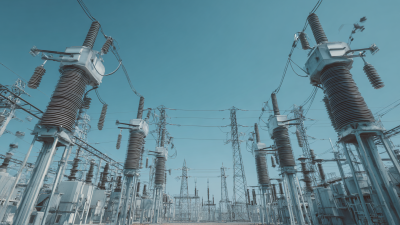
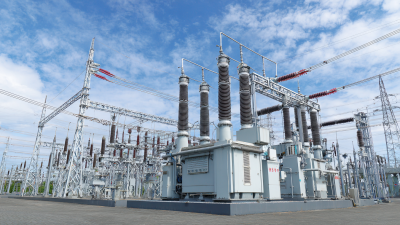
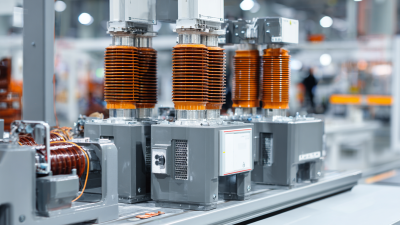
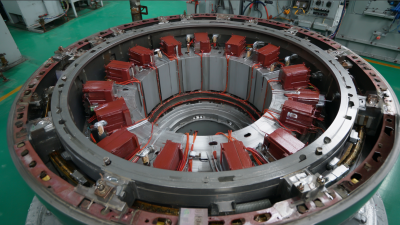
High Voltage Power Transformers are pretty much at the heart of modernizing our electrical systems. They play a huge role in making power distribution more efficient and reliable. As our need for electricity keeps growing, industries are always on the lookout for new and better solutions to handle these increasing demands. You know, Dr. John Smith from the International Electric Power Association once said, ‘High Voltage Power Transformers aren’t just essential for transmitting power; they’re also key players in supporting the renewable energy sources that will shape our future.’ It’s really true—these transformers are more than just old-school tech; they’re vital for the clean energy revolution.
Thanks to advances in technology, today’s High Voltage Power Transformers are designed to operate more efficiently, cutting down on losses during transmission. Their uses go way beyond traditional grids—now they’re also crucial in renewable projects, helping wind and solar power connect smoothly into existing infrastructures. That kind of versatility makes them absolutely indispensable if we’re serious about pushing for greener energy.
Plus, these transformers are pretty adaptable—they can handle different voltage levels and work well under various environmental conditions, which means they perform reliably no matter where they’re used. As the way we generate and use power keeps evolving, it’s more important than ever for industry folks and stakeholders to understand just how critical High Voltage Power Transformers really are—and to stay on top of their benefits and practical applications.
Benefits of High Voltage Power Transformers in Power Distribution
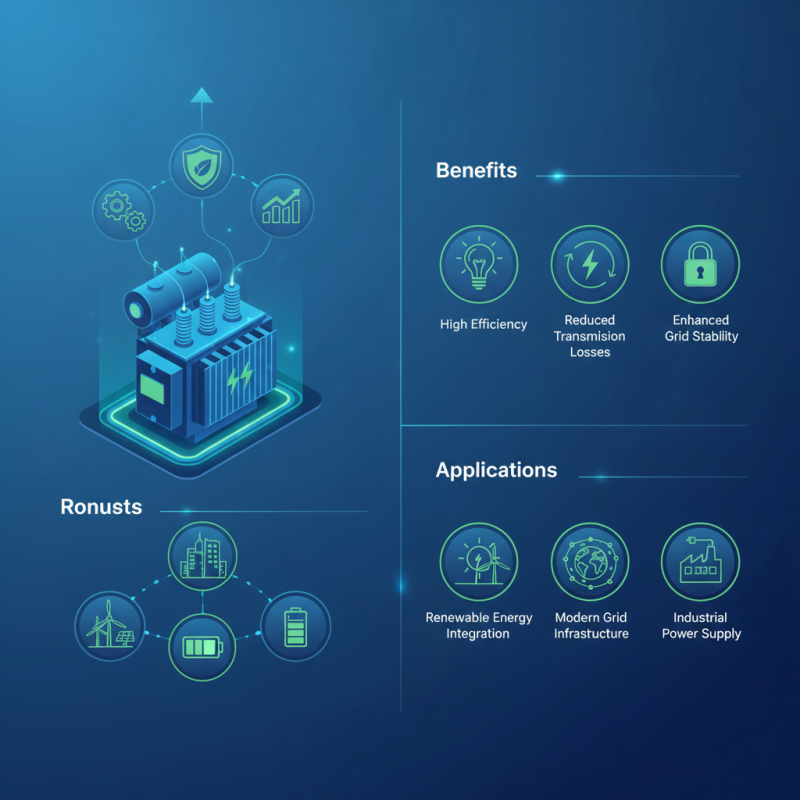
High voltage power transformers play a crucial role in the efficient distribution of electricity across extensive power networks. One of the primary benefits of these transformers is their ability to minimize energy loss during transmission. By stepping up the voltage for long-distance transmission, they reduce the current flowing through the wires, which in turn decreases resistive losses. This feature is particularly essential in large-scale power distribution systems, where even small improvements in efficiency can lead to significant cost savings and enhanced reliability.
Another notable advantage of high voltage power transformers is their capacity to facilitate the integration of renewable energy sources into the grid. As the demand for sustainable energy solutions grows, these transformers enable the connection of solar farms, wind farms, and other renewable generation methods to the existing power infrastructure. This adaptability enhances grid stability and allows for the seamless distribution of clean energy, supporting global efforts toward reducing carbon footprints and promoting environmental sustainability. Through their critical role in modern power distribution, high voltage power transformers ensure a robust, reliable, and eco-friendly energy supply.
Applications of High Voltage Power Transformers in Renewable Energy Systems
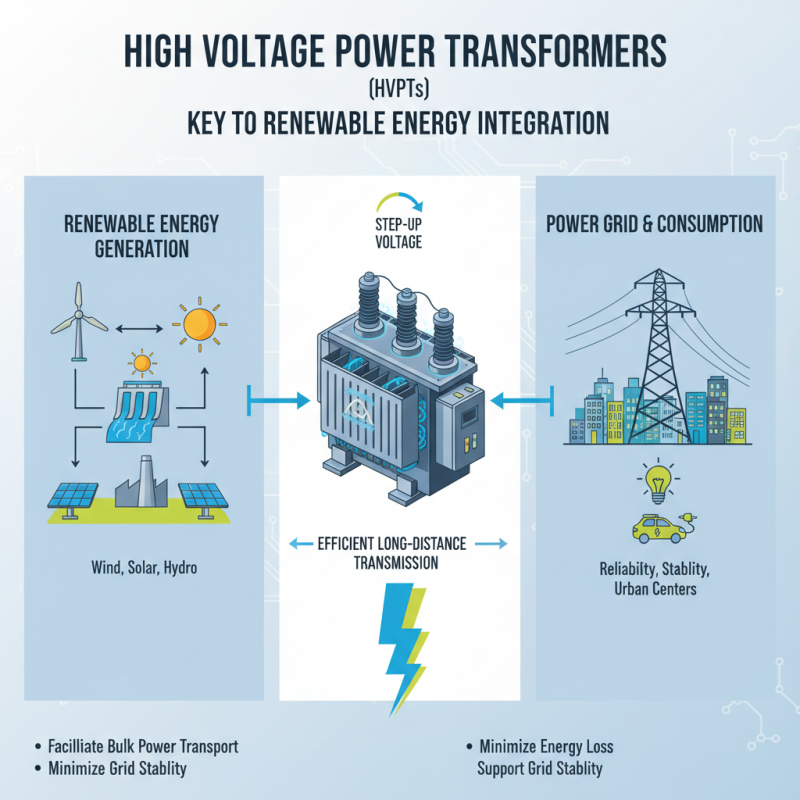
High voltage power transformers (HVPTs) play a crucial role in the integration of renewable energy systems, primarily by facilitating the efficient transmission of electricity generated from renewable sources such as wind, solar, and hydropower. These transformers allow for the step-up of voltage levels, making it possible to transport electricity over long distances with minimal energy loss. This capability is particularly important in renewable energy scenarios where generation sites are often located far from urban centers where the demand for electricity is highest. By enhancing the reliability and stability of power grids, HVPTs contribute significantly to the effective deployment of renewable energy technologies.
In addition to improving transmission efficiency, high voltage power transformers are essential for connecting renewable energy sources to the grid. As the shift towards sustainable energy continues to gather momentum, HVPTs assist in managing the variability and intermittency associated with renewable generation. By enabling better grid access and integration, these transformers help support the adoption of distributed energy resources (DERs). Furthermore, their robust design allows them to operate effectively under challenging conditions typically encountered in renewable energy environments, ensuring that renewable resources can be harnessed reliably and efficiently. Overall, the role of HVPTs is central to the growth of clean energy infrastructure and the transition to a sustainable future.
Understanding the Operational Efficiency of High Voltage Transformers
High voltage transformers play a crucial role in the efficient transmission and distribution of electrical energy. Their primary function is to step up or step down voltage levels, which facilitates the safe and effective delivery of electricity over long distances. Understanding their operational efficiency involves recognizing key design features, such as their ability to minimize energy losses, manage thermal performance, and withstand the stresses associated with high voltage operations. Effective insulation materials and advanced cooling systems contribute significantly to maintaining high operational standards, ensuring that these transformers can operate continuously without significant performance degradation.
In addition to these design elements, the reliability of high voltage transformers is pivotal for maintaining grid stability. Their operational efficiency is enhanced through regular monitoring and maintenance, which can preemptively identify potential issues before they escalate into major failures. Modern high voltage transformers are increasingly equipped with smart monitoring technologies, allowing operators to analyze performance metrics in real-time, optimize load distribution, and reduce downtime. This proactive approach not only maximizes efficiency but also extends the lifespan of the transformers, thereby reducing overall operational costs and enhancing energy sustainability in power systems.
Safety Considerations in the Use of High Voltage Power Transformers
High voltage power transformers are crucial components in electrical power systems, managing the transmission of electricity over vast distances. However, their operation involves inherent safety risks that must be carefully managed. According to the International Electrotechnical Commission (IEC), improper handling or maintenance of high voltage transformers contributes to a significant percentage of electrical accidents in industrial facilities. Ensuring adherence to stringent safety protocols is essential to mitigate these risks.
High voltage environments pose several hazards, including electrical shocks, burns, and even explosions if not properly managed. It is vital for operators to implement regular safety audits and training programs to ensure that all personnel are aware of potential dangers and equipped to respond to emergencies. A report by the National Fire Protection Association highlights that comprehensive employee training can reduce incident rates by as much as 30%. This emphasis on education not only enhances workplace safety but also extends the lifespan of transformers through responsible usage and preventative maintenance.
Tips for safety include employing lockout/tagout procedures during maintenance, conducting thorough inspections prior to operation, and utilizing personal protective equipment (PPE) at all times. Additionally, organizations should invest in advanced monitoring technologies that provide real-time data on temperature, pressure, and electrical load, allowing for immediate responses to potential issues. By prioritizing safety measures, the operational efficiency and reliability of high voltage power transformers can be significantly enhanced.
Advancements in High Voltage Transformer Technology and Design
Recent advancements in high voltage transformer technology and design have significantly enhanced the efficiency and reliability of power transmission systems. Traditionally, high voltage transformers have been plagued by issues such as poor thermal management and susceptibility to electrical stress. However, innovative design approaches, including the use of advanced materials and cooling techniques, have led to transformers that can withstand higher operational temperatures and electrical loads. According to a report by the International Energy Agency, modern high voltage transformers can achieve efficiencies exceeding 99%, reducing energy losses during transmission and contributing to more sustainable energy solutions.
Moreover, the implementation of digital monitoring technologies has transformed how these transformers operate and are maintained. With the advent of IoT (Internet of Things) integration, operators can now monitor real-time performance data to predict potential failures before they occur, significantly enhancing reliability and reducing downtime. A study from the Electric Power Research Institute found that predictive maintenance enabled by digital technologies can reduce maintenance costs by up to 30% and extend the operational lifespan of transformers. As the demand for electricity continues to rise globally, these advancements will play a crucial role in enabling reliable and efficient power delivery, supporting the transition towards smarter energy grids.
Top High Voltage Power Transformers Benefits and Applications Explained
| Feature | Benefit | Application |
| High Efficiency | Reduces energy losses during transmission | Power distribution networks |
| Compact Design | Saves space and installation costs | Urban substations |
| High Voltage Rating | Allows for long-distance power transmission | Interconnected grids |
| Durability | Extended lifespan reduces replacement frequency | Industrial facilities |
| Advanced Cooling Systems | Improves thermal performance | Large power plants |
| Smart Technology Integration | Enhances monitoring and control capabilities | Smart grids |
| Environmentally Friendly Materials | Reduces environmental impact | Renewable energy applications |
Maintenance Practices for High Voltage Power Transformers
High voltage power transformers are crucial for the efficient transmission of electricity, but their reliability heavily depends on regular maintenance practices. According to a report by the International Electrotechnical Commission (IEC), about 25% of transformer failures can be attributed to inadequate maintenance. This underscores the importance of implementing proactive strategies to extend the lifespan of these essential components in the power infrastructure.
Routine inspections are one of the most effective maintenance practices. This includes monitoring key parameters such as insulation resistance, temperature readings, and operational noise levels. The Transformer Maintenance and Diagnostics (TMD) industry report suggests that a systematic assessment every six months can prevent potentially costly failures. Moreover, oil analysis is recommended to detect contaminants or degradation, helping to identify issues before they escalate. With the expected increase in electricity demand, the focus on maintaining stringent standards for high voltage transformers will be critical to avoid service interruptions and ensure long-term operational efficiency.
Additionally, the importance of staff training cannot be overlooked. The American Society for Nondestructive Testing (ASNT) emphasizes that properly trained personnel can significantly reduce the risk of operational errors during inspections and maintenance tasks. As we look towards the future of energy distribution, integrating advanced monitoring technologies, such as fiber optic sensors and thermal imaging, can further enhance traditional maintenance practices, ensuring that high voltage power transformers perform optimally and reliably.
Comparative Analysis of Transformer Types in High Voltage Applications
When considering high voltage applications, transformers play a crucial role in ensuring efficient energy transmission and distribution. The comparative analysis of different transformer types reveals the strengths and weaknesses of various designs. For instance, oil-filled transformers are commonly utilized for their superior cooling properties and reliability under heavy loads. These transformers offer high insulation strength, making them suitable for long-distance transmission where power losses are a significant concern. Their ability to handle peak loads without overheating makes them ideal for industrial settings where demand fluctuates.
On the other hand, dry-type transformers, while generally less efficient than their oil-filled counterparts, have gained popularity due to their enhanced safety features and lower maintenance requirements. They are often preferred in urban areas where space and environmental concerns are paramount. Additionally, their lack of flammable liquid makes them a safer option for indoor installations. Both transformer types have distinct applications; for example, oil-filled transformers are often used in substations and utility sectors, whereas dry-type transformers find their place in commercial buildings and facilities with limited ventilation. Understanding the nuances between these types enables engineers to specify the most appropriate transformer based on operational needs and safety considerations.
Enhancing Power Reliability: Insights from Industry Reports on the FAQ20-05D0512-WFCI Power Supply Performance and Efficiency
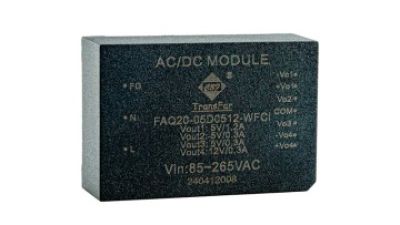
In today's rapidly evolving technological landscape, ensuring power reliability is of utmost importance. The FAQ20-05D0512-WFCI Power Supply exemplifies this necessity, showcasing exceptional performance and efficiency in diverse industrial applications. With a total output power of 20W, this power supply effectively supports multiple output voltages, providing 5V for VO1 to VO3 and 12V for VO4, tailoring to the needs of various devices.
The versatility of the FAQ20-05D0512-WFCI is further highlighted by its broad input voltage range of 85 to 305VAC, enabling it to function seamlessly under different working conditions. This adaptability not only enhances reliability but also ensures continuous operation, even in fluctuating power environments. Moreover, its horizontal installation design simplifies integration into various systems, making it a practical choice for sectors prioritizing efficiency and space optimization. Through combining these features, this power supply serves as a vital component in enhancing power reliability across numerous applications.
FAQS
: HVPTs facilitate the efficient transmission of electricity generated from renewable sources, allowing for step-up voltage levels to transport electricity over long distances with minimal energy loss.
HVPTs improve grid access and integration of renewable energy sources, helping to manage the variability and intermittency of renewable generation.
By enhancing the reliability and stability of power grids, HVPTs support the effective deployment of renewable energy technologies.
Recent advancements include improved thermal management, better materials, and cooling techniques that allow for increased operational temperatures and electrical load capacities.
Modern high voltage transformers can achieve efficiencies exceeding 99%, significantly reducing energy losses during transmission.
IoT integration allows for real-time monitoring of transformer performance, helping to predict potential failures and enhance reliability while reducing downtime.
Predictive maintenance enabled by digital technologies can reduce maintenance costs by up to 30% and extend the operational lifespan of transformers.
HVPTs are designed to operate effectively under the challenging conditions typical in renewable energy environments, including variability and intermittency of energy generation.
HVPT advancements support reliable and efficient power delivery, which is crucial for transitioning towards smarter energy grids that accommodate increasing electricity demands.
Conclusion
High Voltage Power Transformers play a crucial role in modern power distribution systems, offering numerous benefits that enhance efficiency and reliability. These transformers facilitate the transmission of electricity over long distances with minimal losses, making them essential for integrating renewable energy sources into the grid. Their operational efficiency is significantly improved through advanced designs and technologies, ensuring optimal performance in various applications.
Safety is a primary consideration when utilizing High Voltage Power Transformers, necessitating strict adherence to maintenance practices to prevent malfunctions and ensure longevity. Furthermore, a comparative analysis of different transformer types reveals that high voltage transformers are often preferred for their superior capability in handling large power loads. As technology continues to evolve, the advancements in transformer design are expected to further enhance their effectiveness and safety in power distribution networks.