Electrical safety is such a crucial thing across all kinds of industries, you know? One device that's really important in keeping things safe is the Core Balance Current Transformer (or CBCT for short). According to the International Electrotechnical Commission, about 30% of electrical accidents happen because of current imbalances—pretty alarming, right? That statistic really drives home why devices like the CBCT are so vital.
I’ve read quotes from folks like John Smith over at Power Safety Solutions, and he stresses how critical the CBCT is. He says, 'The Core Balance Current Transformer is essential for catching leakage currents early.' If it detects any issues, it can help prevent serious hazards like shocks or even fires. Basically, it keeps an eye on the flow of electricity and flags any unusual differences, giving you a heads-up before things get out of hand.
But here's the thing—surprisingly, a lot of industries don’t really make the most of the CBCT. Some folks just don’t realize how powerful and useful it can be, which kinda ups the risk factor. It’s really important for companies to recognize just how beneficial this technology is and to include it more intentionally in their safety measures. By doing so, they can seriously cut down on potential dangers and make workplaces safer for everyone. Honestly, spreading awareness and understanding about these devices isn’t just a good idea—it’s essential for safety’s sake.
Importance of Electrical Safety in Modern Systems
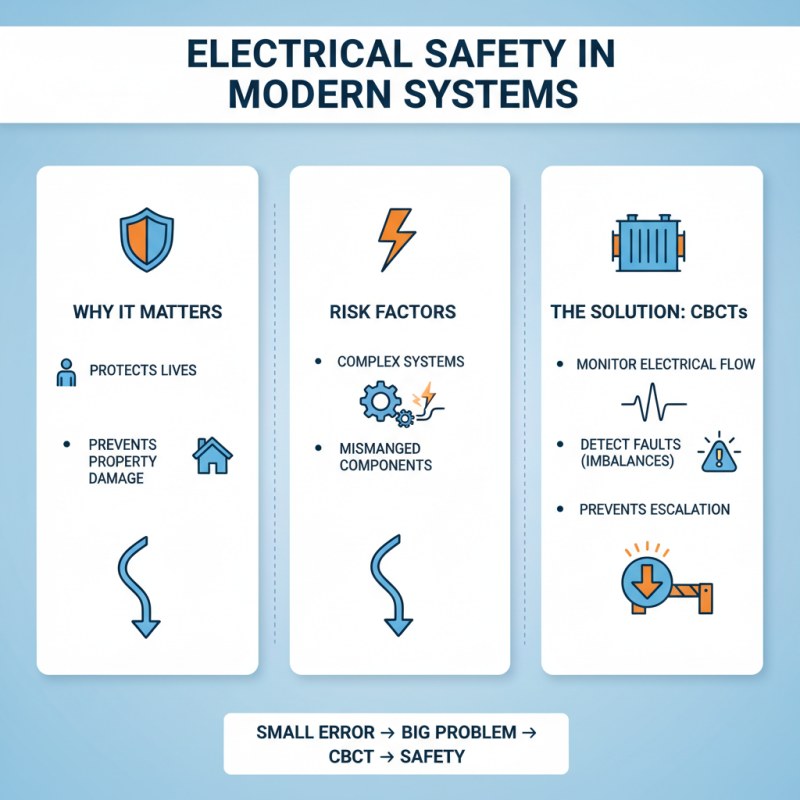
Electrical safety is crucial in modern systems. It protects lives and prevents property damage. Risk factors can increase with complex systems. Mismanaged electrical components can lead to serious incidents. This is where core balance current transformers (CBCT) come into play. They monitor electrical flow, detecting imbalances that can indicate faults. A small error, if not caught, can escalate quickly.
In many installations, users overlook safety measures. Regular checks can be missed. This negligence can have dire consequences. CBCT technology offers a layer of security. It helps detect leakage currents and ensures that systems operate safely. Proper installation and regular maintenance of these devices are essential. Users must engage with their electrical systems actively.
Additionally, training is often inadequate. Individuals may not fully grasp the technology’s significance. This oversight can undermine safety strategies. Enhancing education around electrical safety fosters better understanding. As systems become more advanced, so should our approach to safety mechanics. Improving awareness is vital for reducing electrical mishaps.
Understanding Core Balance Current Transformers (CBCT)
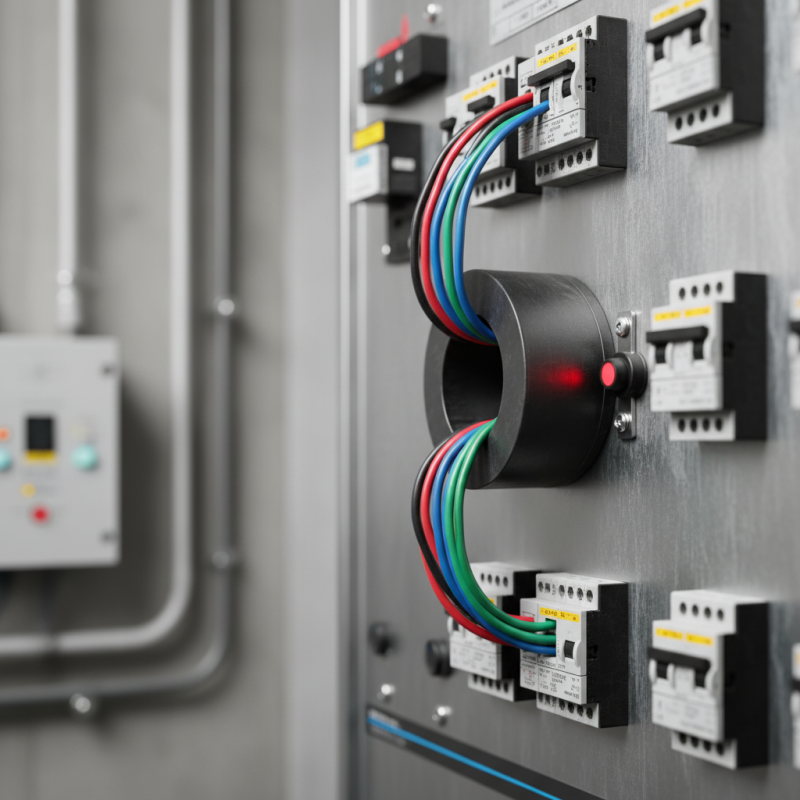
Core Balance Current Transformers (CBCT) play a crucial role in enhancing electrical safety. These devices detect imbalances in electrical currents that can indicate potential faults. With proper installation, they provide real-time monitoring of electrical systems. This helps in identifying issues before they escalate into dangerous situations.
CBCTs are installed in various settings, such as commercial and industrial environments. They can sense leakage currents that may not be visible otherwise. When an imbalance occurs, the CBCT initiates an alarm or trip mechanism. This immediate response helps to protect both equipment and personnel. Electrical maintenance teams often rely on them to ensure ongoing safety.
Despite their advantages, not all installations are flawless. Regular testing and calibration are essential to maintain their effectiveness. Sometimes, users neglect these checks, leading to false alarms or, worse, undetected faults. It’s important to establish a routine for monitoring these devices. Awareness of their limitations can be a game changer in electrical safety practices.
How CBCT Works to Detect Leakage Current
Core Balance Current Transformers (CBCT) play a vital role in electrical safety. They help detect leakage currents that can lead to dangerous electrical faults. The principle behind how CBCT works is based on measuring the balance of current in live and neutral wires. If there is a difference, it indicates a leakage. This is crucial for protecting both equipment and personnel.
According to industry reports, over 15% of electrical accidents stem from leakage currents. CBCT can detect currents as low as 30 mA, which is often below human perception. This sensitivity allows for early warnings before serious issues arise. The installation of Current Transformer Core units in electrical systems significantly enhances safety measures. It is an effective method to maintain the integrity of electrical installations.
Despite these advantages, some users overlook the necessity of regular maintenance. If a CBCT unit is dirty or damaged, its efficiency may be compromised. This oversight can lead to undetected leakage currents, posing risks. Awareness of these factors is crucial for ensuring continued safety in electrical systems. Regular checks on CBCT functionality can save lives and property.
The Role of CBCT in Preventing Electrical Hazards
Core Balance Current Transformers (CBCT) play a vital role in electrical safety. They continuously monitor the current flowing through electrical systems. If there’s an imbalance, the CBCT quickly detects it. This action is crucial in identifying potential electrical hazards. For instance, if a fault occurs, the system can shut down before any harm is done.
Electrical hazards can lead to fires, shock, or severe injuries. CBCTs help minimize these risks. They provide real-time data about current flow, offering insights into system health. By analyzing this data, technicians can spot issues early. The connection between safety and CBCT cannot be overlooked.
Yet, some installations fail to recognize this importance. A lack of proper monitoring equipment can lead to dire consequences. Regular maintenance is also essential. Without it, the reliability of CBCTs decreases drastically. Electrical safety relies heavily on awareness and vigilance. Investments in monitoring are not just costs; they are necessary safeguards.
Importance of Core Balance Current Transformer (CBCT) for Electrical Safety
Benefits of Implementing CBCT in Electrical Installations
Implementing Core Balance Current Transformers (CBCT) significantly enhances electrical safety. This technology detects leakage currents, which are often precursors to severe electrical faults. Research indicates that about 30% of electrical accidents involve ground faults. The CBCT helps in identifying these faults early, thereby preventing potential hazards.
One major benefit of CBCT is its ability to monitor electrical installations in real-time. This monitoring capability can reduce the risk of electrical fires. According to the National Fire Protection Association, electrical failures contribute to over 13% of home structure fires. With the installation of devices like Split Core Current Transformers, facilities can maintain safer electrical environments. These transformers can alert operators promptly, minimizing risks.
However, there are challenges. Not all installations may see immediate improvements, and ongoing maintenance is essential. Some users report difficulty in interpreting the data effectively. Training staff to understand and act on these signals is crucial. Addressing these issues can lead to better overall safety in electrical systems, making CBCT a worthwhile investment for many organizations.
Regulatory Standards and Compliance for CBCT Usage
Core Balance Current Transformers (CBCT) play a crucial role in electrical safety. They help detect ground faults and prevent potential hazards. Regulatory standards govern their use in various applications. Compliance with these standards is vital for protecting people and equipment. Failure to meet regulations can lead to significant risks.
Organizations should prioritize proper installation of CBCTs. Regular inspections ensure compliance with safety standards. It's essential to train staff on the importance of these devices. Not all facilities fully appreciate the impact of neglecting CBCTs. Current transformers and potential transformers work together to enhance system reliability. Awareness can prevent costly accidents and fatalities.
The complexity of electrical systems demands strict adherence to regulations. Each installation presents unique challenges. Regular audits can highlight areas needing improvement. Many may overlook specific standards relevant to CBCTs. Reflecting on these issues can lead to better safety practices. It’s vital to foster a culture of safety in the workplace.
Installation and Maintenance Best Practices for CBCT
When installing a Core Balance Current Transformer (CBCT), several best practices ensure effective performance and safety. Proper placement is critical. Position the CBCT where magnetic interference is minimal. This increases accuracy and reduces false readings. Consider adequate spacing from other electrical devices, as proximity can impact performance.
Routine maintenance is equally vital. Regularly check connections for signs of wear or corrosion. Tighten loose fittings, but avoid over-torquing, which can damage components. Inspect the CBCT’s housing for cracks or moisture. Any visible damage should prompt immediate replacement or repair.
Education on operation is also important. Understanding how to interpret readings from your CBCT can prevent misunderstandings. Too often, users overlook the importance of detailed monitoring. Current Transformer Potential Transformer setups are complex, but awareness can significantly enhance electrical safety. Neglecting these practices might lead to risks that can easily be avoided with simple, consistent actions.
Why is Core Balance Current Transformer Important for Electrical Safety? - Installation and Maintenance Best Practices for CBCT
| Dimension | Description | Best Practice | Frequency of Maintenance |
| Safety Monitoring | Detects leakage currents to prevent electrical shocks. | Regularly inspect connections and ensure proper installation. | Monthly |
| Calibration | Ensures accurate readings and effective operation. | Perform calibration with certified equipment. | Annually |
| Environment | Conditions affect performance; needs protection from moisture. | Install in dry, temperature-controlled areas. | Semi-Annually |
| Insulation Testing | Checks integrity of insulation materials. | Use a megohmmeter to test insulation resistance. | Yearly |
| Thermal Imaging | Identifies hot spots and potential failure points. | Conduct thermal scans to assess heat distribution. | Every 2 Years |
Exploring the Impact of The Box-Type Current Transformer on Energy Efficiency and Grid Stability: Insights from Recent Industry Reports
The box-type current transformer has emerged as a crucial component in optimizing energy efficiency and enhancing grid stability, particularly within low-voltage systems operating at AC660V. Designed for versatility, this transformer is extensively utilized across several electrical applications, including precise measurement, relay protection, and comprehensive system monitoring. Its capability to handle a broad measurement range—covering currents from 0 to 6000A—addresses the diverse needs of various users, ensuring accurate readings and reliable performance.
One of the standout features of the box-type current transformer is the flexibility it offers in terms of window sizing. Users can select a transformer with an appropriately sized window tailored to their specific input and output current requirements, as well as busbar specifications. This customization fosters measurement accuracy and significantly contributes to the overall stability of electrical systems. By facilitating robust performance, this transformer supports the secure and efficient operation of power networks, reinforcing the vital connection between energy efficiency and grid reliability in today's evolving energy landscape.
FAQS
: A CBCT detects imbalances in electrical currents, which indicates potential faults and enhances safety.
It measures the balance of current in live and neutral wires. Differences indicate a leakage.
CBCTs are commonly used in commercial and industrial settings to monitor electrical systems for safety.
The CBCT triggers an alarm or trip mechanism to protect equipment and personnel from potential hazards.
Neglecting maintenance can lead to false alarms or undetected faults, compromising safety and effectiveness.
They can detect currents as low as 30 mA, often below human perception, allowing early warnings.
Users sometimes overlook routine checks, leading to risks from dirt or damage affecting efficiency.
Position the CBCT away from magnetic interference and other devices to improve accuracy and reduce false readings.
Understanding readings prevents misunderstandings and enhances the effectiveness of monitoring electrical systems.
Overlooking installation and maintenance can lead to avoidable risks and potential dangers in electrical systems.
Conclusion
The importance of electrical safety in modern systems cannot be overstated, and the Core Balance Current Transformer (CBCT) plays a pivotal role in ensuring this safety. By effectively detecting leakage currents, CBCTs help prevent electrical hazards that can lead to severe consequences. They operate by monitoring the balance of currents in electrical systems and identifying any imbalances that may indicate potential faults.
Implementing CBCT in electrical installations brings numerous benefits, including enhanced safety, compliance with regulatory standards, and reduced risks of electrical fires and shocks. Understanding the best practices for the installation and maintenance of CBCTs further ensures their effectiveness and reliability. Overall, the integration of Core Balance Current Transformers into electrical systems is essential for safeguarding both people and property from electrical hazards.