These days, with the energy world changing so fast, High Voltage Power Transformers are playing an even bigger role, especially as we shoot for more efficient and reliable power systems. If you’re like me, exploring new ideas beyond the usual transformer designs is pretty exciting — it’s all about finding tech that can handle renewable energy sources and smarter grids. At Beijing TransFar Electronics Group Co., Ltd., we dive into developing energy sensors, Reactors, and super precise electromagnetic parts that power the next-gen systems. We’re really committed to innovation, aiming to offer solutions that boost transformer performance and help create a more sustainable energy future. In this guide, I’ll walk you through different alternatives to traditional high-voltage transformers, looking at their perks and how they might fit into today’s power setups.
Innovative Materials Transforming High Voltage Power Transformers
As the demand for better, more efficient energy solutions keeps growing, new materials are really starting to change the game for high-voltage power transformers. One cool example is the recent breakthrough in thermoplastic insulation — it’s supposed to offer better performance and last longer in oil-filled transformers. That’s pretty important, especially now with the global push toward renewable energy projects, which are demanding more reliable tech. These materials can handle high voltages without breaking a sweat, ensuring our modern power systems stay strong and dependable, even as they get more complex.
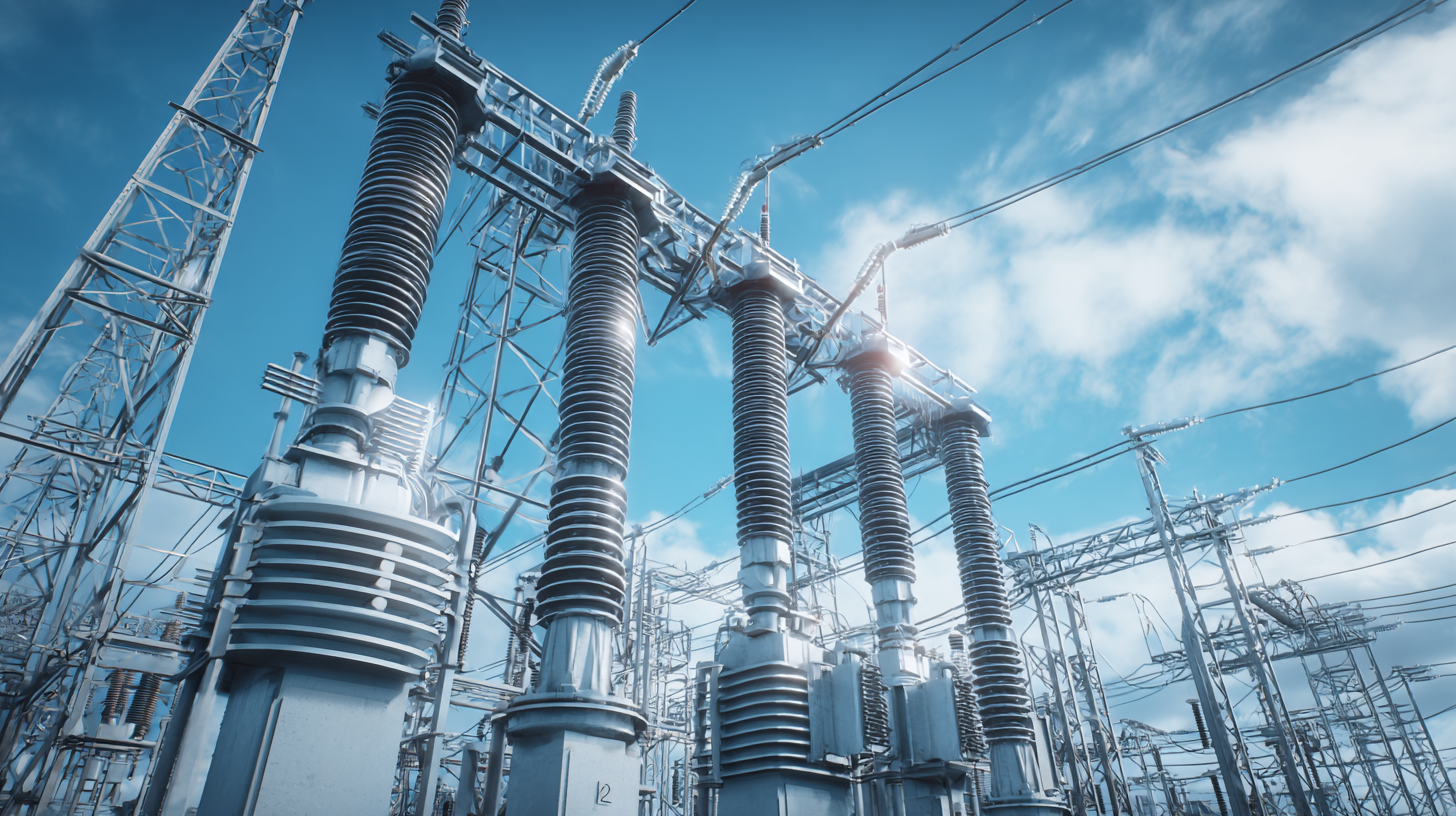
Plus, there’s some pretty exciting stuff happening with natural ester-filled transformers. For instance, the world’s biggest 765 kV unit is making headlines — it’s kind of a game-changer in the industry. Not only do these innovative designs boost efficiency, but they also promote a greener approach to transmitting electricity. Focusing on new materials and smarter methods for high-voltage transformers means our power grid can grow and adapt to future needs, all while being friendlier to the environment. It’s a step toward building a more resilient and sustainable energy infrastructure for everyone.
Advancements in Compact Transformer Designs for Space-Constrained Environments
As modern power systems keep evolving, it’s pretty clear that we really need more compact and efficient power transformers these days. You see, traditional high-voltage transformers work just fine, but they tend to be bulky, which makes fitting them into tight spaces a real hassle. That’s got engineers and researchers thinking outside the box—looking for smarter solutions that not only save space but also boost performance. Recent breakthroughs in transformer design are pretty exciting — they use new materials and clever engineering tricks to pack more power into smaller units that still do the job reliably. Things like advanced cooling methods and modular setups are helping make transformers that are smaller, but still pack a punch in terms of efficiency.
Plus, these space-saving designs are especially perfect for city environments and renewable energy projects where every inch counts. We're talking about low-profile transformers and integrated layouts that can easily be installed on rooftops or tucked away underground. That kind of flexibility helps make the most of urban infrastructure and even supports greener energy solutions by making it simpler to connect solar panels and wind turbines. As we keep pushing the envelope with transformer tech, it’s looking like the future of power distribution is bright — with smaller, smarter, and more efficient options that really match what our modern energy systems need.
Innovative Alternatives for High Voltage Power Transformers
This chart illustrates the market adoption rates of various transformer technologies. Traditional transformers still dominate the market, but compact and innovative designs are increasingly being explored to meet the demands of modern power systems in space-constrained environments.
Integrating Renewable Energy Solutions with Alternative Transformer Technologies
You know, moving towards incorporating renewable energy sources into our power systems isn’t just a trend anymore—it's pretty much essential for a sustainable future. And, honestly, alternative transformer tech is playing a big part in this whole shift. Traditional power transformers? Well, they’re getting a bit of a rethink as we push towards a more decentralized, flexible energy setup. Things like solid-state transformers and smart transformer designs are really gaining attention now because they’re better suited for handling the kind of ups and downs we see with solar and wind power.
When you’re looking into these alternative transformer options, it’s worth thinking about how scalable and efficient they are. For example, solid-state transformers are showing some serious promise in grid applications—they’re pretty much built to handle more renewable energy integration. And let’s be honest, investing in these new tech options doesn’t just tick the sustainability box; it can also save you some serious cash on energy costs down the line.
Plus, have you heard about microgrids? They’re becoming pretty big in the energy scene right now. These little power hubs make the best use of distributed energy resources and give us more control over local energy management. They can run on their own or work together with the main grid, which is a huge plus—especially when dealing with the unpredictable nature of renewables. This kind of flexibility is so important for keeping the lights on and ensuring a reliable energy supply, even when things get a bit wild with sunlight and wind. Bottom line? Embracing all these innovations is key if we want a strong, resilient energy future that can handle whatever’s coming next.
Exploring the Role of Smart Grids in Modern Transformer Alternatives
These days, with all the rapid advancements in technology, smart grids are really becoming a key player in the evolution of high-voltage power transformers. Think of these advanced energy networks as the next level—they use digital communication tech to make power systems more reliable and efficient. By bringing in real-time data analysis and automated controls, smart grids can majorly cut down the issues that usually come with old-school transformer designs. It’s kind of like upgrading from a clunky old car to a sleek new one—this shift makes energy distribution way more responsive and opens doors to explore new transformer technologies that are better for a sustainable future.
Plus, with smart grids, utility companies can actually keep an eye on how their transformers are doing all the time. Thanks to sensors and IoT devices, operators get a real peek into load patterns, possible failures, and how well everything’s running. That kind of info makes it possible to consider cool new options like modular transformers or solid-state ones. These new techs are way better at handling changing demand and working smoothly with renewable energy sources. With the smart grid backbone in place, we’re really moving toward a safer, more reliable, and greener way of managing power—definitely a big step forward in how we generate, transfer, and use electricity.
Evaluating Environmental Impacts of Alternative Transformer Solutions
Lately, people are really paying more attention to how high-voltage power transformers impact our environment, especially as we move toward more sustainable energy practices. You know, traditional transformers often rely on mineral oil and other materials that can cause environmental headaches—think oil leaks or creating waste that's tough to dispose of. Recently, the International Energy Agency (IEA) released a report highlighting that switching to newer options like dry-type transformers and biodegradable insulating fluids can make a big difference in lowering their environmental footprint. For instance, dry-type transformers don’t have the risk of oil spills and can be more easily recycled once they’re done—that’s pretty much right in line with circular economy ideas we keep hearing about.
When you're looking at these alternative options, it’s really important to consider their entire lifecycle. Studies show that moving to greener tech can cut greenhouse gas emissions related to manufacturing and operation by up to 40%. Plus, using natural esters as insulating fluids doesn’t just boost fire safety—it also helps us inch closer to our carbon neutrality goals.
Quick tip: If you’re thinking about upgrading transformers, make sure to do a thorough environmental impact assessment first. Try to pick solutions that not only do the job well but also promote sustainability. Look out for transformers that meet international eco-standards, like those set by the IEEE. And don't forget—it's a smart move to work with manufacturers who focus on eco-friendly materials and offer solid recycling programs. It’s all about making smarter choices that are good for the planet, without sacrificing performance.
FAQS
: Innovative materials such as thermoplastic insulation and natural ester-filled transformers are transforming high voltage power transformers, enhancing performance, durability, and operational efficiency.
Thermoplastic insulation is crucial because it can withstand high voltages while providing reliable insulation, which is essential for the efficiency and durability of modern power systems.
Alternative transformer technologies, like solid-state and smart transformers, accommodate the variability of renewable energy sources, enhancing the grid's ability to integrate solar and wind energy effectively.
Microgrids enable effective utilization of distributed energy resources for local energy management, allowing them to operate independently or in conjunction with the larger grid, which is vital for balancing supply and demand.
Smart grids utilize digital communication technology, real-time data analytics, and automated control mechanisms to improve the reliability and efficiency of power systems, reducing the operational constraints of traditional transformers.
Solid-state transformers offer enhanced performance for grid applications, making them suitable for integrating renewable resources, improving scalability, efficiency, and potentially providing long-term energy cost savings.
Smart grid technology incorporates sensors and IoT devices that allow operators to continuously monitor power transformer performance, gaining insights into load patterns, potential failures, and efficiency metrics.
Natural ester-filled transformers contribute to a more sustainable approach to electricity transmission and improve operational efficiency, aligning with the industry's push for environmental responsibility.
New transformer designs, including modular and solid-state transformers, are reshaping the electricity grid by improving adaptability to demand fluctuations and enhancing the integration of renewable energy sources.
The integration of alternative transformer technologies is essential for sustainability as it prepares the energy infrastructure to meet future demands while minimizing environmental impacts, paving the way for a resilient energy future.
Conclusion
So, if you’re into figuring out more efficient and eco-friendly ways to power things up, you’ll find the blog 'Exploring Innovative Alternatives for High Voltage Power Transformers in Modern Power Systems' pretty interesting. It dives into some pretty cool advancements that are really changing the game when it comes to our electrical infrastructure. For example, it talks about new materials that are making high voltage transformers not just more reliable, but also way better in terms of performance. And I gotta say, the part about making these transformers more compact is a real lifesaver—especially in places where space is limited. It’s all about figuring out how to weave these into existing setups without too much hassle.
The blog also stresses how important it is to combine renewable energy sources with these new transformer techs — basically, working towards a greener, cleaner future. Plus, it takes a look at how smart grids are helping optimize these alternatives, showing how tech-savvy grids can totally shake up how we distribute power. Toward the end, there’s a good discussion about the environmental impacts of these new solutions, highlighting why sustainable practices really matter in this field. As a company that’s all about the cutting edge, Beijing TransFar Electronics Group is right there with the latest trends, putting a lot of effort into developing new energy tech that keeps up with the ever-changing demands of modern power systems.