TransFar Electronics

These days, as the world really ramps up its move toward renewable energy, new tech is becoming more and more important for making power systems work better and more reliably. One of the coolest developments? High Frequency Transformers. They've truly become a game-changer, especially when it comes to solar and wind energy projects, helping everything run more smoothly. I read a report from the International Renewable Energy Agency (IRENA) that shows the renewable energy scene is expected to draw in over $2 trillion in investments by 2030. That means we’ll need smarter, tougher components — ones that can handle the ups and downs of energy demand without breaking a sweat.
At Beijing TransFar Electronics Group Co., Ltd., we’re passionate about pushing the envelope with high-tech solutions, including high frequency transformers, to support the growth of sustainable energy. In this blog, I’ll walk you through some of the coolest ways these transformers are being used in renewable systems, plus share a step-by-step guide to installing them so you can get the most out of this awesome tech.
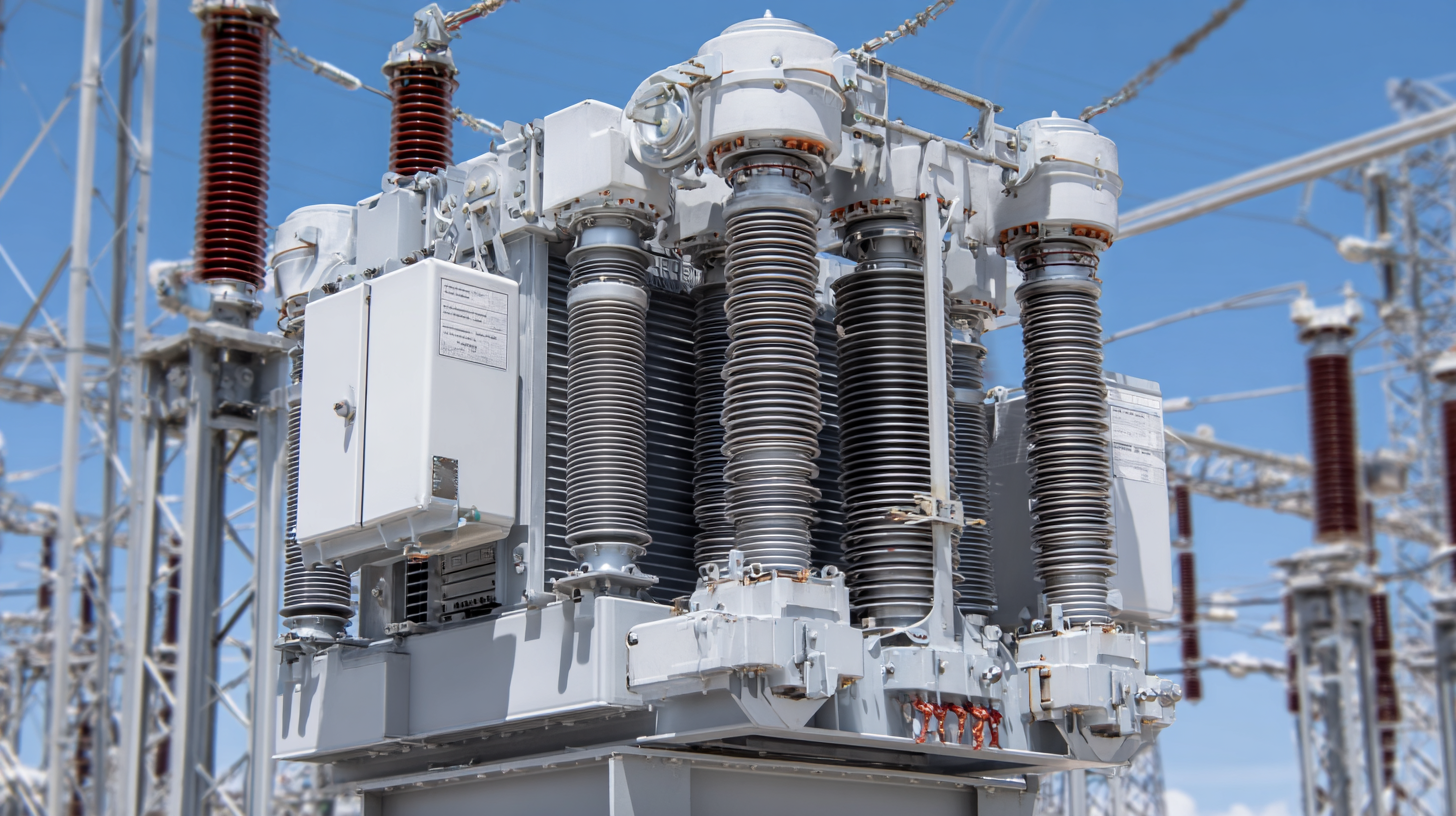
High frequency transformers, or HFTs, are really changing the game in renewable energy, especially when it comes to solar power. These devices are pretty much essential for making photovoltaic (PV) systems work more efficiently — helping with better power management and conversion stuff. As tech keeps improving, integrating solid-state transformers (SSTs) becomes even more important for handling different voltage levels and keeping everything under control smoothly. With newer multi-level inverters and clever modulation techniques coming into play, HFTs are right at the cutting edge — enabling more effective ways to connect to the grid and get the most out of solar energy.
Bringing high frequency transformers into the mix doesn’t just boost power efficiency; it also supports the growing push for cleaner, sustainable energy solutions. They help make energy grids smarter by allowing easy integration of battery storage and multiple renewable sources. Plus, newer designs like high-gain DC/DC converters and resonant power converters are being developed to deal with the tricky parts of harvesting solar energy. All these advancements aren’t just about improving performance — they’re paving the way for a future where renewable energy plays a bigger role in our lives and the planet. It’s pretty exciting to see how much progress is happening in this space!
As the push for renewable energy keeps growing, we're seeing some pretty cool new uses for high-frequency transformers — especially in wind turbines. These transformers are kinda like the unsung heroes when it comes to getting the most out of the energy wind turbines produce. They help turn and manage that electrical power more efficiently, which means less energy is wasted. Plus, because they run at higher frequencies, these transformers can be much smaller and lighter — a real game-changer, especially when space is tight.
When you're choosing a high-frequency transformer for wind turbines, a couple of things are worth keeping in mind. First off, check how well it manages heat. Good heat dissipation is key to keeping everything running smoothly, even when the load varies a lot. Also, make sure it's built tough enough to handle the outdoor elements—think humidity, temperature swings, you know, typical weather stuff.
And don’t forget about efficiency. Go for models that perform well whether they're running at full capacity or just a part of it. That not only boosts your turbine’s overall performance but also cuts down on wasted energy, helping us move toward cleaner, greener power. If you pay attention to these little details, you’ll really be maximizing your wind turbine’s effectiveness and supporting that greener energy future we’re all aiming for.
So, when you're setting up high-frequency transformers in renewable energy setups, it's pretty important to stick to best practices. I mean, according to the folks at the International Renewable Energy Agency (IRENA), how well these transformers run really makes or breaks the overall efficiency of things like solar panels and wind turbines. These systems rely heavily on good power conversion and management. And here’s the kicker — if you install them right, you could boost efficiency by around 10%. That might not sound like much, but with the global renewable energy market expected to grow over 60% by 2025, little improvements like this really add up.
One thing that people sometimes overlook is thermal management. High-frequency transformers can get pretty hot when they’re working, which can lead to lower efficiency or even early failure. A report from the Electric Power Research Institute (EPRI) suggests that adding smarter cooling methods—like liquid cooling or heat fins—can cut down the operating temperature by up to 15°C. Oh,—and don’t forget about where you mount them, the environmental conditions, and making sure your wiring is on point. All of these little details can really make a difference in keeping your system reliable and running smoothly — helping you squeeze out the most energy from your renewable setups.
When you're looking at the landscape of renewable energy these days, choosing between traditional transformers and high-frequency ones is a big deal. Conventional transformers are pretty reliable—they're tough, simple to use, and do a good job at converting voltage in the old-school power setups we’re all familiar with. But let’s be honest, they tend to be bulky and heavy, which can be a real pain when you’re trying to keep things compact—something that’s pretty important with solar panels and wind turbines these days. On the flip side, high-frequency transformers are all about efficiency. They’re smaller, lighter, and a great fit for modern systems that need to save space or be mobile, like portable solar setups or wind farms close to communities.
**Tip:** If you're thinking about jumping into high-frequency transformers, don't forget to check if your existing equipment plays nicely with them. Specifically, make sure your inverters and other parts are rated for high-frequency operation—that way, you get the most out of your system without surprises.
Plus, these high-frequency transformers tend to run cooler, which is a big plus. They generate less heat, meaning they last longer and are generally more dependable—something you definitely want in renewable projects where durability and efficiency really matter.
**Tip:** Make a habit of keeping an eye on how hot your high-frequency transformer gets. Installing good cooling methods can go a long way in extending its lifespan and keeping your whole renewable setup running smoothly at peak performance.
You know, the big push towards renewable energy these days really hinges on some exciting breakthroughs in high-frequency transformer tech. These new transformers are game-changers—they make energy conversion much more efficient and help improve how we distribute power in solar, wind, and other green energy setups. What’s cool is that they’re much smaller and lighter than the old-school transformers, which makes them perfect for tight spaces or decentralized systems—think on-site setups where every inch counts. Honestly, that’s a huge plus when you’re working with limited space and trying to keep things lightweight.
Looking ahead, the future of high-frequency transformers looks pretty bright. Researchers and manufacturers are working on smarter designs using advanced materials and digital controls, so we’re likely to see higher power outputs and better efficiency, plus improved heat management. Even more exciting is how IoT (Internet of Things) tech will get involved, allowing for real-time monitoring and smarter adjustments on the fly. This could make renewable systems more reliable than ever. As demand for green energy keeps growing, these innovations not only help us build a more sustainable future but also spark growth in related industries. Basically, high-frequency transformers are poised to be a key piece of the clean energy puzzle—and it’s pretty fascinating to watch it all unfold.
: Key best practices include ensuring robust thermal management, using advanced cooling solutions, considering mounting locations and environmental factors, and applying proper wiring techniques to enhance reliability and performance.
Proper thermal management is crucial as high-frequency transformers generate significant heat, which can reduce efficiency and lead to premature failure. Incorporating cooling solutions can decrease operational temperatures by up to 15°C.
High-frequency transformers offer improved efficiency, reduced size and weight, and operate at lower temperatures. These features make them ideal for compact renewable energy installations like solar and wind systems.
It's essential to ensure compatibility with existing systems, including inverters and other components, which must be rated for high-frequency operation to maximize efficiency and performance.
Regular monitoring of thermal performance and implementing proper cooling solutions can significantly extend the life of high-frequency transformers, ensuring optimal operation of renewable energy systems.
Future trends include the development of smarter designs with advanced materials, digital control mechanisms, higher power densities, improved thermal management, and the integration of IoT technologies for real-time performance monitoring and adaptive control.
The efficiency of transformer operations plays a significant role in the overall effectiveness of renewable energy systems, with proper installation potentially enhancing efficiency by up to 10%.
Their smaller size and lighter weight make high-frequency transformers ideal for integration into decentralized energy systems, which is crucial when space and weight are at a premium.
The surging demand for green energy solutions is driving innovation in high-frequency transformers, contributing to a more sustainable energy future and reinforcing their importance in the renewable energy sector.