TransFar Electronics

Inquiry
Form loading...
- Phone
- E-mail
- WhatsApp
- WeiChat

TransFar Electronics
In the rapidly evolving landscape of renewable energy and advanced electronics, new demands for High Frequency Transformers have surged. A recent report from MarketsandMarkets declared that the transformer market is projected to reach USD 70 billion globally by 2025, wherein high-frequency designs are an enabler for application areas from electric vehicles to renewable energy systems. It is an important transformer for efficient energy conversion and is being more widely introduced as part of several Power Supply systems for better overall performance and compactness.
Beijing TransFar Electronics Group Co., Ltd. itself is on the cutting edge of this trend, engaged in the research, designing, and manufacturing high technology solutions, High-Frequency Transformers, and precision electromagnetic components. With efficiency and sustainability being thrust upon every industry worldwide, manufacturers must evaluate major factors at the sourcing of these critical components. Understanding the complexities of high-frequency transformer specifications, the regulatory standards applicable, and supplier reliability is crucial for the survival of any business competing in this industry.

While sourcing high-frequency transformers globally, they can be assessed based on certain key characteristics instrumental in evaluating performance and suitability for differing applications. High-frequency transformers typically are operated in ranges from 20 kHz to so far several megahertz, which in application considerations becomes vital for power supply, RF application designs, and audio application engineering. The MarketsandMarkets report forecasting 6.1%CAGR historical growth for the power transformers market between 2021 and 2026 provides an overview of the increasing demand for efficient high-frequency transformers across the globe. The first most important consideration is transformer efficiency. High-frequency transformers are generally designed above 95% for optimum performance; this operational efficieny allows for high energy conservation with minimal energy losses critical for power management applications. Based on an IEEE Xplore study, core materials like ferrite and cobalt-based alloys greatly affect transformer efficiency and thermal performance, thus providing insight on material choice correlating with transformer efficacy. Another main factor is the size and weight of high frequency transformers. Portable and compact device designs are in vogue, and the smaller and lighter the transformer, the more in demand it becomes. In Allied Market Research's view, compactness can reduce the system size of high frequency transformers by up to 20%, a staggering plus for applications such as telecommunications and consumer electronics. Physical parameters and weight-to-performance considerations can give insight into how these transformers might integrate into the designs of new technologies. Thermal management remains one of the key issues for high frequency transformers. Working on elevated frequencies can produce a lot of heat, as this within the materials if not managed properly would lead to a reduction in transformer life. Various scientific papers have pointed out that incorporating cooling techniques into thermal management solutions contributes vastly to reliability and long input operational life of high frequency transformers. These pertinent characteristics can form an informative basis during global sourcing competition.

However, while sourcing high-frequency transformers internationally, one must be aware of the challenges unique to international procurement. Among these is one of the major challenges- the varied regulatory standards across countries. Each area may stipulate its requirements with regard to safety, environmental impact, and performance specifications. It can be tedious to comply with divergent regulations and compel firms to build the expertise and testing processes required to ensure their products meet various local standards.
Another critical landmine exists in the field of supply chain logistics. High-frequency transformers appear to be extremely delicate components, which require proper handling during shipment. Disruption of shipping routes, plus customs delays or discrepancies in tariffs, can suddenly land unwarranted costs and delays onto a project. Thus, it is incumbent that one work with those logistics that consistently meet delivery requirements, have experience managing international shipments, and provide real-time information on shipment status in mitigating the risks involved.
Communication barriers can also create a serious problem when sourcing from foreign suppliers. With language barriers come cultural misunderstandings and diverse ways of conducting businesses, complicating negotiations and cooperation. Working to secure strong relationships with suppliers and investing in communication methods will be important for overcoming challenges, thus ensuring a smooth and efficient sourcing process.
Companies that can strategically face these global sourcing challenges may successfully procure high-frequency transformers that support their quality and performance requirements in light of complexities in the international market.

Just as evaluating the supplier's reliability and credentials is important in sourcing high-frequency transformers globally, manufacturers develop as many as possible in the transformer industry. But not all manufacturers are up to par with the standard. Such a supplier can be adequately assessed only through assessing credentials: certifications ISO, UL, CE, along with others that may imply international compliance with standard quality and safety measures. Such certifications enhance the credibility of the manufacturer as being within the purview of quality processes.
Furthermore, it is important to know the supplier's history in the industry. Besides evaluating the criterion of last clients, studies could also serve as differentiators in the supplier proving he has been supplying products according to specified technical requirements and schedules. Therefore, past reports confirmed by visible evidence of successful projects will provide a reliable measure of a manufacturer's performance.
Last but not least, geographical considerations and logistics are oftentimes one of the attributes given by potential suppliers. Proximity can highly influence lead times and shipping costs and the ability of the supplier in scalable production and technical support provision would mean seamless procurement. By prioritizing these criteria, companies can most effectively mitigate risks associated with sourcing high frequency transformers in the long-run competitive success scenario.
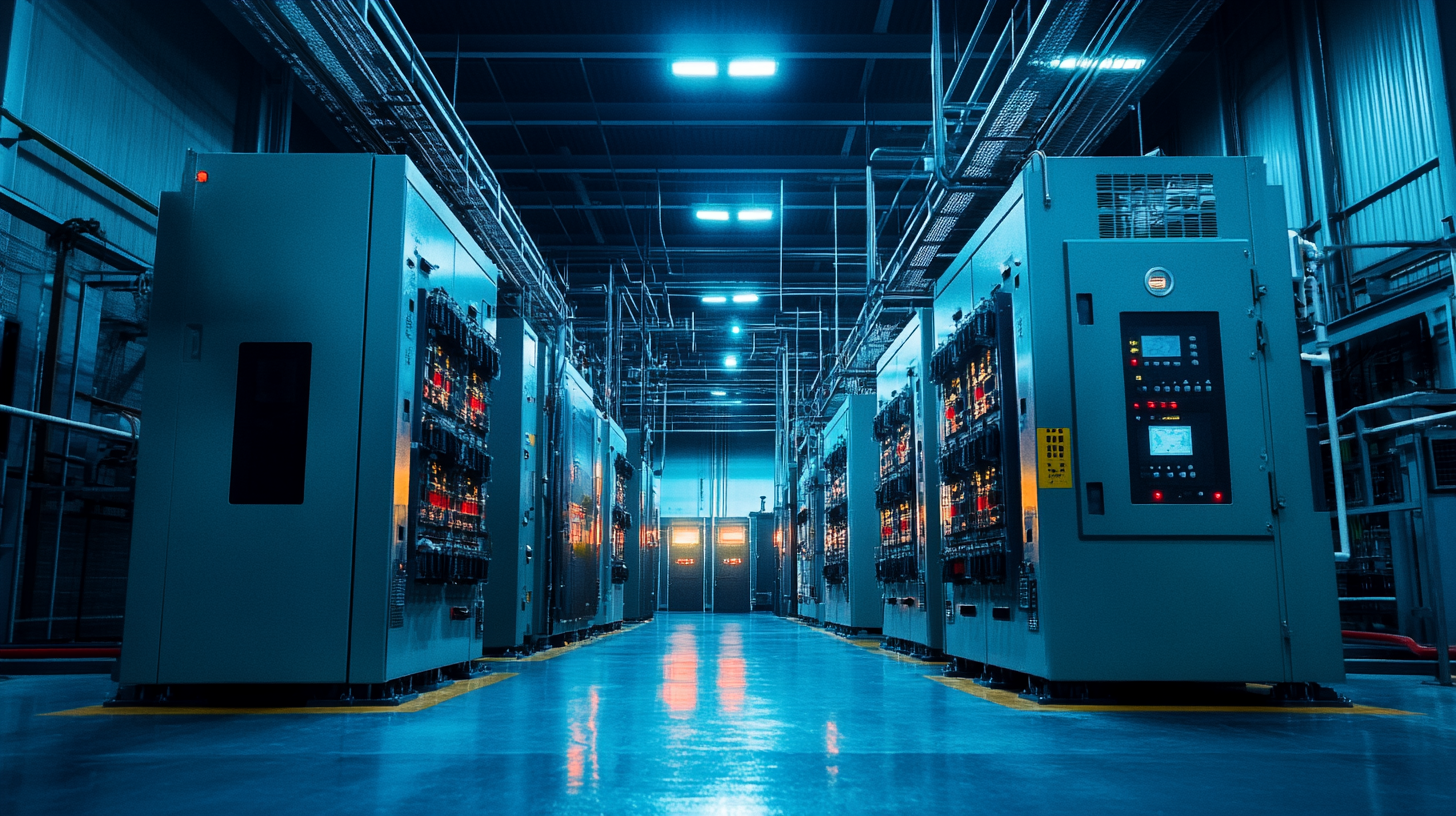
Finding high-frequency transformers worldwide means having to consider that fine balance between quality and cost. The financial landscape for transformer manufacturers is changing, where recently, for instance, Transformers & Rectifiers India (TRIL) posted formidable growth, year-on-year, despite high-interest costs. Hence, the selection of suppliers who can provide high-grade products and maintain financial stability is paramount.
Recent key data comes from the "Transformers Procurement Intelligence Report, 2024-2030," which reviews emerging technologies, pricing models, and the cost structures of key value drivers for procurement decisions. Power Transformers have recently gone from three-month lead times to a year. As reported by the NREL, it is now important for firms to assess the costs factoring in the expected delays, adding complexity in terms of the supply chain on fair consideration from beyond just the price. All these considerations require a need to evaluate not only the cost but also the reliability of the suppliers in delivering on agreed time.
With the heightened demand for transformers escalating with the rapid adoption of electric vehicles (EVs), a different set of considerations comes into play. Another factor that indirectly relates to payment considerations in recent times is that utilities may be moving into enhancing their distribution network infrastructure to cater to the increased loading from EV penetration. This changing scenario puts a better demand for use of systemic cost analysis weighing pricing versus quality if the sourcing of transformers is to land meaningful and profitable ventures.
In bringing high-frequency transformers to markets globally, regulatory compliance standards and certifications are the main requirements needed for ensuring the operation. Manufacturers must now migrate through a web of ever-more complex administrative concerns in response to the mounting demand for energy-efficient solutions.
Increased importance is being placed on the adherence of products to general UL standards. Guidelines such as UL 17411 for solar-powered systems ensure that the inverters able to combine into higher-frequency transformers are safe to work under varying load conditions—having given the product, that it can be placed in the international markets, etc.
The UL certifications must be complemented with those of A2l systems that come with particular security challenges. The addition of electrical components in the A2L enhanced systems now requires strict compliance with safety regulations. Securing the right certification on technical reports from industrial audit firms has even become more crucial as it has become a matter of life or death to observe the standards of electrical safety to ensure safe operations with electrical and mechanical risks. The global imperative in electronic power systems safety would, therefore, now require compliance with safety and regulatory requirements for high-frequency transformers to ensure the stability, predictability, and improved applicability in global standards towards sustainable and energy-efficient solutions.
On a further note, the need for quality standards has led to a focus on conformance to AS9100D standards, applicable to high-voltage levels, which underlines the importance of very rigorous evaluation and continuous improvement actions. The attainment of such certifications is a demonstration of capability by the manufacturers to engage in high-quality production processes necessitated for industries such as aerospace and defense. Now, demand for transformers that comply with the broader application of power quality monitoring and standards-compliant measurements is rising. Certainly, sustainability in design and manufacturing will continue to be the main driver for compliance, which in turn emphasizes the need for industry players to be fully aware of industry standards and good practices.
Global sourcing of high-frequency transformers is contingent upon many supply chain considerations that can wreak havoc on efficiency and costs. The present transformer world seems to be swimming through challenges ranging from raw material shortages, mainly transformer steel, that may inhibit promising projects in countries such as India. With the ever-volatile copper pricing and all complexities creeping in through global supply chain disruptions, decision-makers will need to build robust strategies around sourcing with the above woes in mind.
Electric utility companies are trapped in dysfunctional supply chains while demand increases for energy, and there are policy changes associated with this increase. A bottleneck in transformer supply, especially at this time as modernization in territories such as the U.S. is thwarted by delayed equipment deliveries, threatens power systems. The emergent needs for more electricity, spurred by emergent applications like data centers and AI, only worsen these lead times in transformer delivery.
In such circumstances, businesses have to be forward-looking in the quest for other sources and formation of strategic alliances. With COVID-19 experiences in mind, supply chains are demanded to be resilient and thus need the adoption of flexible and responsive applications. These measures would not only ensure the current energy demand but would also result in smoother transitions to renewable energy goals in an increasingly competitive global environment.
Transformers are generally high frequency in applications such as telecommunications, power supplies, or renewable energy systems. Technology now changes dramatically in the designs and functions of high-frequency transformers. One of the most recent advances in material science is the development of ferrite cores with extremely high permeability and very low core losses for high-frequency optimal efficiency and superb performance. MarketsandMarkets reported that the market for global high-frequency transformers is expected to rise from USD 5.4 billion in 2020 to USD 9.9 billion by 2025, reflecting compounded annual growth rates of 12.8%. All these innovations in material and design speak out loudly for that.
The other constraint that miniaturization has placed on electronic devices would be that needed for even more miniaturization and lighter transformers while maintaining minimum efficiency. Some examples of this would be PCB transformers which are space-saving and relatively better in thermal management compared to existing designs. Further, the simulation software has progressed where engineers can use it to scale device performance while optimizing transformer design for applications specific. This trend is associated with customization, which was the topic of further recent research and markets reports emphasizing that the custom high frequency transformers have fared better than regular models in energy savings and performance.
Last but not least, such changes are determined through the digital power electronics system. The upcoming applications of electric vehicle and renewable energy sources indicate a need for transformers that function well under varying load conditions. The improved control algorithms embedded in modern inverters will also drive the demand for high-frequency transformers that enable dynamic adaptation. Thus, this interplay between continued technological advancement and supply-demand enhancement offers immense potential for manufacturers to innovate and lead this market in the future worldwide.
With aftersales services and warranties coming into focus, it is essential to consider these aspects when sourcing high-frequency transformers internationally. After all, they will directly affect up-time reliability and performance of the equipment that has been purchased. An appropriate and well-structured after-sales support system is therefore crucial, as it ensures that the customers can always get immediate help, regardless of whether it is installation, troubleshooting, or maintenance. Downtimes are indeed very costly in certain sectors and a relationship with renewed and committed suppliers can make a very big difference in the efficiency of operations.
Warranty options, particularly extended warranties, come as a safety net for businesses that buy high-frequency transformers. Extended warranty options can hedge against the cost of unforeseen repairs, and give peace of mind knowing that an investment will be covered for the long term. A recent discussion certainly pointed out how organizations relying on high-performance equipment would consider investing in an HP extended warranty. It is for this reason that, selecting a supplier, looking into the warranty policies becomes as important as looking into the specifications of the products themselves. It is time for business. Quality sourcing must go hand in hand with good after-sales support and warranty options so that benefits can be realized in long-range performance and reliability.
High frequency transformers are generally designed for optimal performance, often exceeding 95% efficiency, ensuring minimal energy loss during operation.
As applications increasingly require portable and compact designs, smaller and lighter transformers can reduce the overall system size by approximately 20%, making them more suitable for telecommunications and consumer electronics.
The materials used in the core, such as ferrite or cobalt-based alloys, significantly impact the efficiency and thermal performance of high frequency transformers.
Effective thermal management is critical as operating at elevated frequencies can generate significant heat, potentially reducing the lifespan of the transformer if not properly managed.
Robust after-sales support is essential for timely assistance with installation, troubleshooting, or maintenance, particularly in industries where downtime can lead to significant financial losses.
Warranty options, especially extended warranties, serve as a safety net against unexpected repair costs and provide peace of mind for businesses investing in high frequency transformers.
Evaluating after-sales support and warranty options can be as critical as product specifications, influencing long-term reliability and performance of the purchased equipment.
The global transformer market is expected to grow, indicating an increasing demand for efficient high frequency transformers, which may inform sourcing decisions.
Failing to properly manage heat generation can lead to reduced transformer lifespan and operational reliability.
The trend towards smaller devices increases the demand for compact high frequency transformers that can fit into modern technology designs efficiently.