Inquiry
Form loading...
0%

You know, in the fast-changing world of power electronics, it's really crucial to optimize how efficient our Dc-Dc Converters are. I recently came across a report from MarketsandMarkets that predicts the global market for these converters will hit about USD 10.18 billion by 2026. That’s pretty impressive, and it makes sense when you think about how much demand there is right now for smarter, more efficient energy management—whether it’s in electric cars or renewable energy setups. At Beijing TransFar Electronics Group, we’re actually right there on the cutting edge of this shift. We focus a lot on developing new energy tech, especially advanced DC-DC converters, using the latest design techniques and innovative materials. The goal? To make these converters work better and use energy as efficiently as possible. In this article, I want to share some strategies for tweaking and improving DC-DC designs. Honestly, they’re super important because they help boost the overall system’s efficiency and support the push toward sustainable energy solutions. It’s an exciting time to be in this field, for sure.
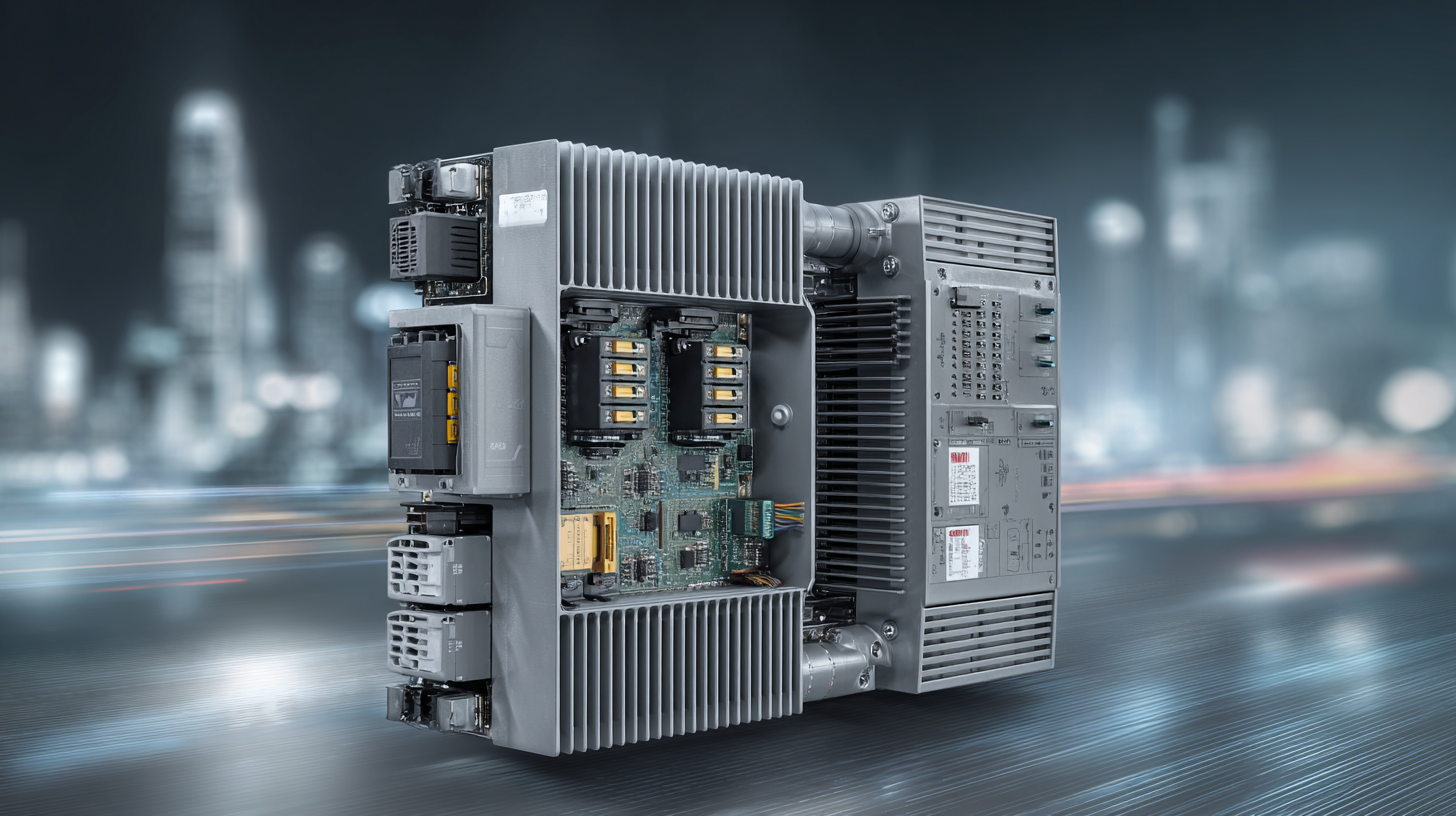
How to Optimize Efficiency in Your DC DC Converter Design for Maximum Performance

Understanding the Basics of DC-DC Converters for Enhanced Design

Getting a solid grasp of the basics of DC-DC converters is pretty important if you want to optimize their efficiency when designing them. Basically, these converters are all about turning one DC voltage into another — and doing it smoothly and reliably. Recent tech advances, like using GaN solutions and digital control tricks, have really boosted how well these things work overall. You see this especially in super-slim laptops and high-density servers, where these innovations help cut down on the size of power modules and slash system costs. It’s all about making power solutions smaller, lighter, and more efficient, which everyone’s been asking for.

On top of that, the industry’s making moves with active bridge technology in AC-DC power setups. The goal? Tackle the common issue of power loss during conversions. By cutting down conduction losses in rectifier diodes, active bridges are pushing the limits on performance. Plus, adopting advanced materials like SiC MOSFETs gives some pretty clear advantages over old-school silicon parts — they’re a game-changer for high-power needs. As folks keep demanding higher power and efficiency everywhere, having a good grasp of these concepts and tech trends isn’t just helpful — it’s kinda essential to pushing the boundaries of what DC-DC converters can do.

Key Parameters to Consider in DC-DC Converter Efficiency Optimization

When you're working on optimizing your DC-DC converter’s efficiency, there are a few key things you really need to pay attention to so you get the best performance possible. One of the biggies is the switching frequency. Cranking up the frequency means you can go smaller with those inductors and capacitors, which is great if you’re trying to save space. But, here’s the catch—pushing the frequency too high can ramp up switching losses. I read somewhere that, at higher frequencies, losses from switching can make up about 30% of the total power loss in the system—yeah, quite a chunk. So, it’s all about finding that sweet spot—balancing the frequency to keep losses in check while still getting the smaller size benefits. It’s definitely a bit of a juggling act.

Another thing that really matters is what kind of semiconductor materials you choose. Usually, silicon has been the go-to for power supplies, but lately, wide-bandgap semiconductors like Gallium Nitride (GaN) and Silicon Carbide (SiC) are making waves because they handle heat better and boost efficiency. For example, GaN devices can run at higher voltages and hotter temperatures, which can give your system a 10-20% efficiency boost over traditional silicon parts—at least, that’s what reports from the International Energy Agency suggest. Picking the right materials isn’t just about performance—it’s also about reducing thermal stress and making sure your converter stays reliable in the long run. Plus, it can cut down on those thermal management costs in the end.

And let’s not forget about the feedback loop. Tweaking this part of the design can seriously make a difference. You want it to be just right—not too fast, not too slow—so you avoid overshoot and oscillations that waste energy and mess with performance. When your feedback loop is dialed in properly, it helps keep the output voltage steady with minimal losses, which in turn, boosts the whole system’s efficiency. All these little tweaks really add up when you’re trying to get the most out of your converter.

DC-DC Converter Efficiency Optimization

This chart illustrates the impact of various optimization parameters on the efficiency of DC-DC converters. As the load current and switching frequency increase, the efficiency tends to improve while other factors such as input and output voltage levels and temperature can have varying effects on performance.

Techniques to Reduce Power Losses in DC-DC Converter Circuits

If you really want your DC-DC converters to perform at their best, cutting down on power losses is a big deal. One effective trick is to use synchronous rectification—it helps reduce voltage drops and boosts overall efficiency. Plus, bringing in smarter control methods like peak current mode control can make your system respond faster during sudden load changes, making things run smoother and more efficiently across different conditions.

On a broader scale, the global market for power electronics is set to grow quite a bit. Experts estimate it’ll jump from around $25.78 billion in 2024 to over $43 billion by 2032, which is a pretty solid compound annual growth rate of about 6.7%. This boom really points to how much demand there’s for better, more efficient power conversion tech—especially with renewables and electric vehicles becoming more popular every day. And it’s not just general power modules; the automotive power market alone is expected to almost triple, rising from nearly $10 billion in 2025 to over $25 billion by 2032, which is a remarkable CAGR of approximately 14.3%. All this just goes to show—there’s a big need for innovation in DC-DC converter tech to meet new energy efficiency standards and handle higher performance expectations from consumers and industries alike.

How to Optimize Efficiency in Your DC DC Converter Design for Maximum Performance

Selecting the Right Components for Maximum Performance in DC-DC Designs

When you're designing a DC-DC converter, picking the right components is a pretty big deal for making sure the whole thing performs well and runs efficiently. I mean, the kind of inductors, capacitors, and switching devices you choose really affects how much power you end up converting successfully. For instance, high-quality inductors with low core losses can make a noticeable difference in energy savings. And using capacitors with low ESR helps with better transient response and keeps everything stable.

A couple of tips—don't forget to double-check the temperature and voltage ratings of your components. It’s better to stay safe and ensure they work comfortably within their limits. Also, if you pick components that can handle high ripple currents, you'll notice smoother performance, especially when your load varies a lot.

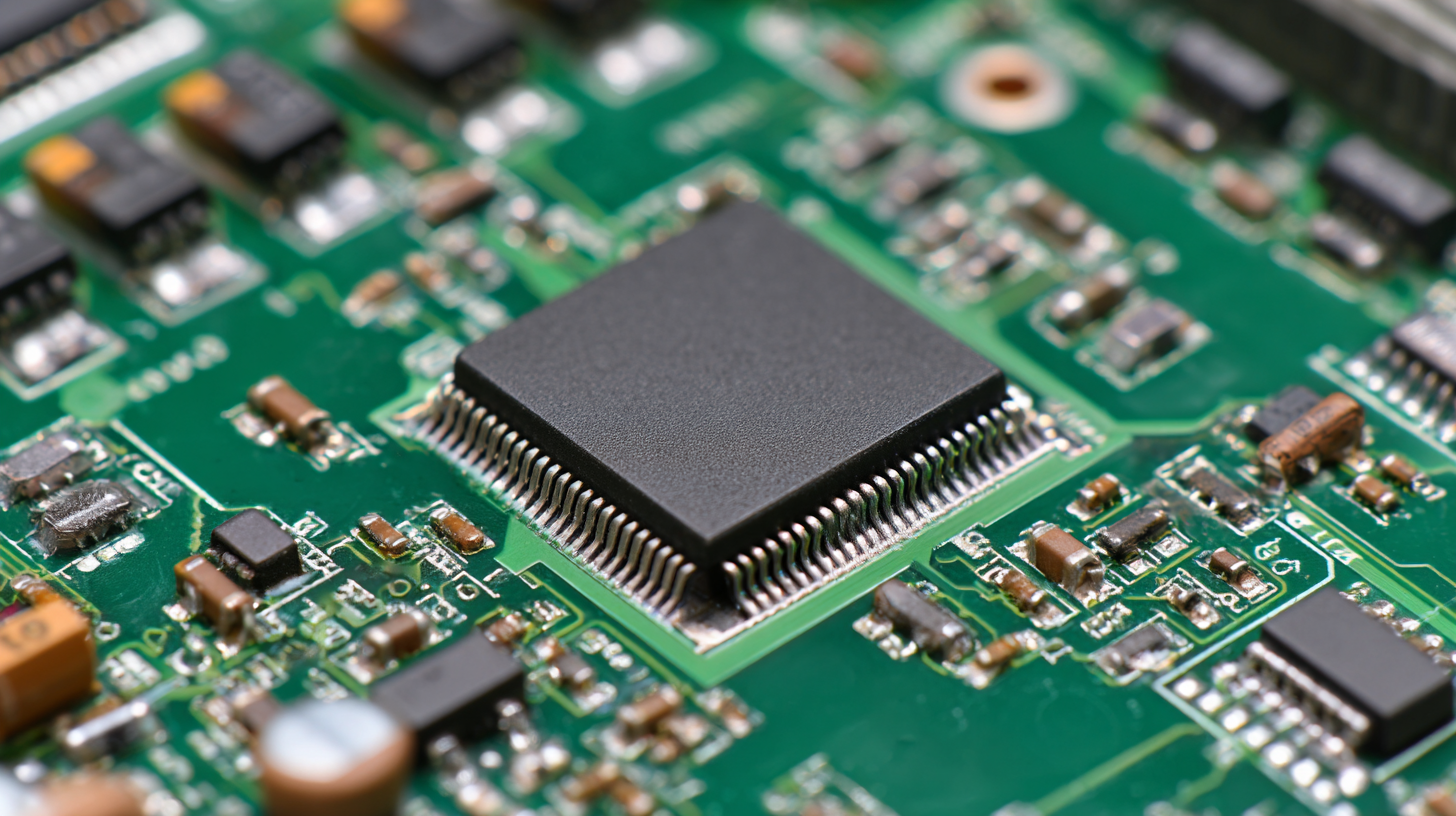
Adding advanced semiconductors like low R_DS(on) MOSFETs can really sharpen the switching efficiency and help with heat management. And don’t overlook your layout design—keeping your PCB well-organized can cut down on parasitic effects, which makes your converter run smoother overall.

Here’s a quick tip: keep your traces short and use a solid ground plane—that really helps with signal integrity. Oh, and for those parts that tend to get pretty hot, think about adding heat sinks—they can make a world of difference during heavy-duty operation.

How to Optimize Efficiency in Your DC DC Converter Design for Maximum Performance

Implementing Thermal Management Strategies for Improved Converter Efficiency

You know, thermal management really is a big deal when it comes to getting the most out of DC-DC converters. These little guys tend to heat up as they run, and if you’re not careful, that heat can mess with their performance—sometimes even cause permanent damage. So, adding in stuff like heat sinks, thermal pads, and more advanced cooling methods can make a huge difference, really helping these converters stay cool and last longer. Choosing the right materials is also super important; using high thermal conductivity materials for the PCB and nearby components helps spread out the heat better and keeps everything running smoothly.

Plus, how you lay out the circuit board makes a big impact, too. Spacing things out properly and orienting components in a way that promotes airflow can really help with heat dissipation. Using thermal vias and placing the hot-running parts strategically can also prevent those annoying hotspots. For really high-power setups, you might even want to look into options like liquid cooling or embedded cooling systems—they sound fancy, but they do the trick! Overall, focusing on these thermal management tips not only boosts performance but also makes your design more reliable over time.

How to Optimize Efficiency in Your DC DC Converter Design for Maximum Performance - Implementing Thermal Management Strategies for Improved Converter Efficiency

Parameter Value Unit Impact on Efficiency
Input Voltage 12 V Optimal level for efficiency
Output Voltage 5 V Key for minimizing losses
Output Current 3 A Higher loads can decrease efficiency
Switching Frequency 500 kHz Higher frequencies reduce size but increase losses
Thermal Resistance 0.5 °C/W Lower resistance improves heat dissipation
Cooling Method Active Cooling - Enhances overall efficiency

FAQS

: What is the primary function of a DC-DC converter?

: A DC-DC converter efficiently transforms one DC voltage level to another while maintaining high performance.

How can advancements in technology improve DC-DC converters?

Recent advancements like GaN solutions and digital control techniques enhance the overall efficiency, reduce the size of power modules, and lower system costs.

What are active bridge technologies and their benefits in power systems?

Active bridge technologies minimize conduction losses in rectifier diodes, improving performance and efficiency during AC-DC conversion.

What are some effective techniques to reduce power losses in DC-DC converters?

Techniques include implementing synchronous rectification to minimize voltage drop and employing advanced control strategies, such as peak current mode control, for better transient response.

What is the projected growth of the global power electronics market?

The market is expected to grow from $25.78 billion in 2024 to $43.42 billion by 2032, with a compound annual growth rate (CAGR) of 6.7%.

Why is thermal management important in DC-DC converters?

Thermal management is crucial as converters generate heat that can reduce performance and cause permanent damage; effective management improves overall efficiency and longevity.

What strategies can be used for effective thermal management in DC-DC converters?

Strategies include using heat sinks, high thermal conductivity materials, proper component layout for better airflow, and advanced cooling solutions like liquid cooling.

How does the automotive power module market trend reflect the need for innovation in converter technology?

The automotive power module market is expected to surge from $9.86 billion in 2025 to $25.14 billion by 2032, highlighting the demand for innovative and efficient DC-DC converter technologies.

What role does circuit board layout play in thermal management?

Proper spacing and orientation of components on the circuit board can enhance airflow and heat dissipation, helping to mitigate hotspots and improve overall converter performance.

What materials are recommended for improving heat dissipation in DC-DC converters?

High thermal conductivity materials are recommended for PCBs and components to help dissipate heat more efficiently.

Conclusion

When it comes to designing DC-DC converters that really perform well, it's super important to get a good grip on the basics — like understanding the key parameters that affect efficiency. Tweaking these points usually involves trying out different techniques to cut down on power losses, which can make a big difference in how well the converter works. Picking the right components is also a big deal — it directly impacts not just efficiency, but reliability too.

And don’t forget about thermal management! Keeping things cool and running smoothly helps the converter stay efficient, even when conditions aren’t perfect. As a company that's really into pushing energy tech forward, Beijing TransFar Electronics Group knows how crucial these steps are when creating high-performance DC-DC converters. Whether it’s for electric vehicles or renewable energy setups, these practices are game changers.
Lila

Lila

Lila is a dedicated marketing professional at Beijing Chuang Sifang Electronic Group Co., Ltd., where she leverages her extensive knowledge of the company's innovative products to drive engagement and awareness. With a keen understanding of the electronics industry, Lila plays a crucial role in......
Previous Exploring the Benefits of Current Transformers for Efficient Energy Management