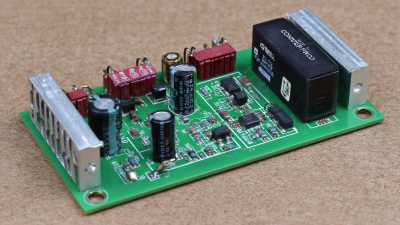
Picking the right Ct Transformer really matters if you want things to run smoothly across different industrial settings. These days, industries are leaning more and more towards energy efficiency and sustainability — it’s kind of a big deal. I came across a recent market report from Fortune Business Insights, and guess what? They say the global transformer market could hit around USD 202.23 billion by 2028. That growth is driven by the shift toward renewable energy sources and smart grids, which is pretty exciting. At Beijing TransFar Electronics Group Co., Ltd., they’re all about pushing the envelope—specializing in cutting-edge current and voltage sensors, and of course, top-notch transformers like CT Transformers. They craft these specifically to match what their industrial clients need as technology keeps evolving. Honestly, having the right CT Transformer can really help businesses run more efficiently, cut down on downtime, and save energy overall. It’s a pretty key piece if you’re serious about sustainability and staying ahead in today’s tech-driven industrial world.
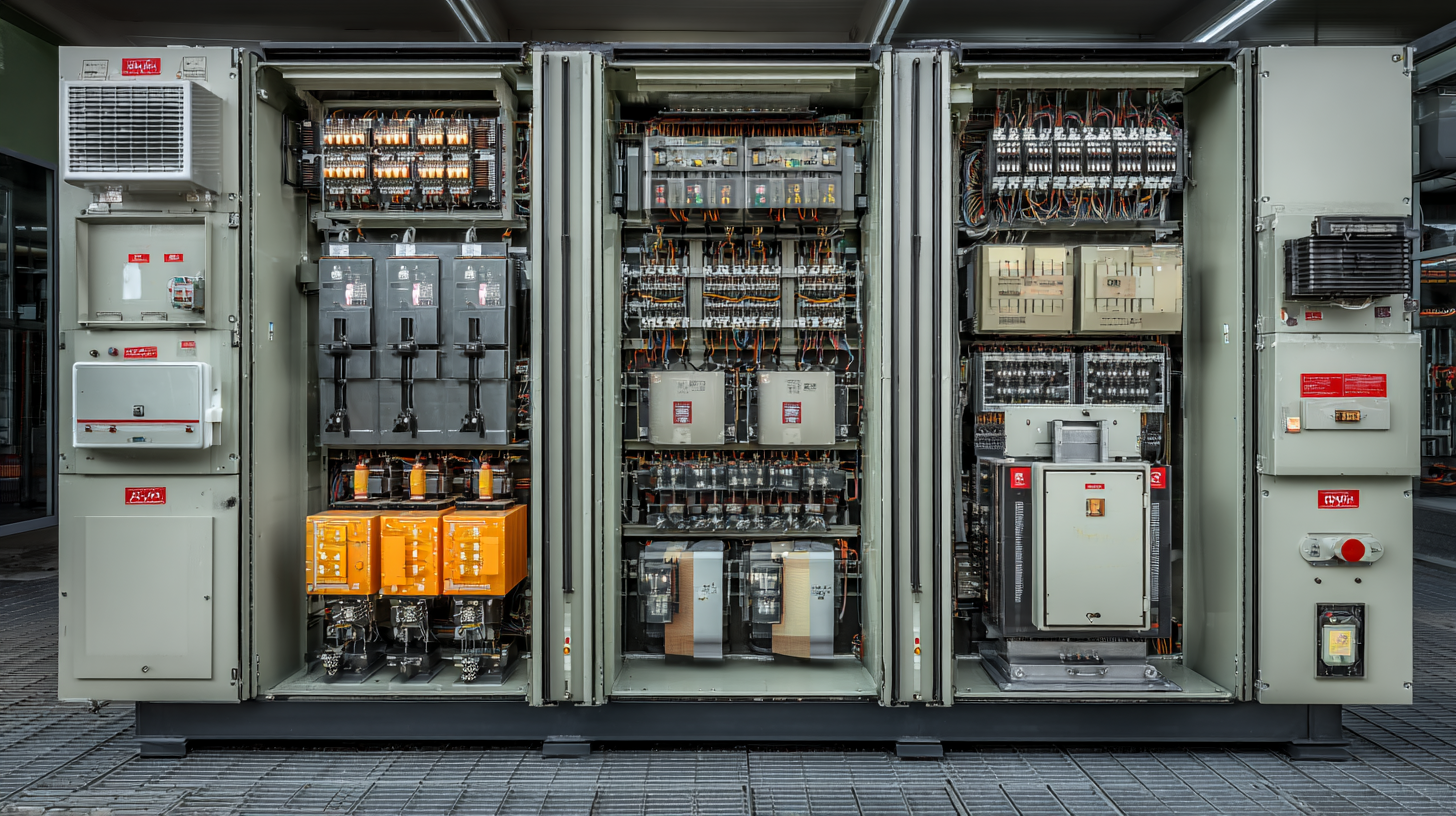
Understanding the Role of CT Transformers in Industrial Applications
In industrial settings, Current Transformers (or CTs, for short) are pretty much essential for making sure everything runs smoothly and safely when it comes to electrical systems. Basically, they're used to lower those huge currents down to levels we can actually measure easily. That way, we can keep an eye on things and control the network more effectively. But here’s the thing—picking the right CT isn’t one-size-fits-all. You really need to think about what your specific setup needs—things like load patterns, where you're installing it, and how precise your measurements need to be. All these details matter if you want things to work perfectly.
When you're shopping for a CT transformer, here are a few tips that can help you out:
1. **Check the Current Rating**: Make sure you pick one that can handle the highest current you expect. Go too high, and you might spend more than necessary; go too low, and it could give you bad readings or even fail.
2. **Pick the Right Accuracy Class**: Depending on what you’re using the CT for—like billing or critical monitoring—you’ll want to choose an accuracy class that matches your needs. Sometimes, the more precise ones are worth the extra investment.
3. **Think About the Environment**: Consider where you'll be installing the transformer. Will it face high temperatures, humidity, or dust? Make sure the one you choose can handle these conditions so it lasts longer and stays reliable.
With industries growing rapidly across the Middle East—especially with the surge in the distribution transformer market—the demand for dependable CTs is only going to increase. Picking the right transformer now is a smart move that’ll pay off in the long run and set you up for smooth operations down the road.
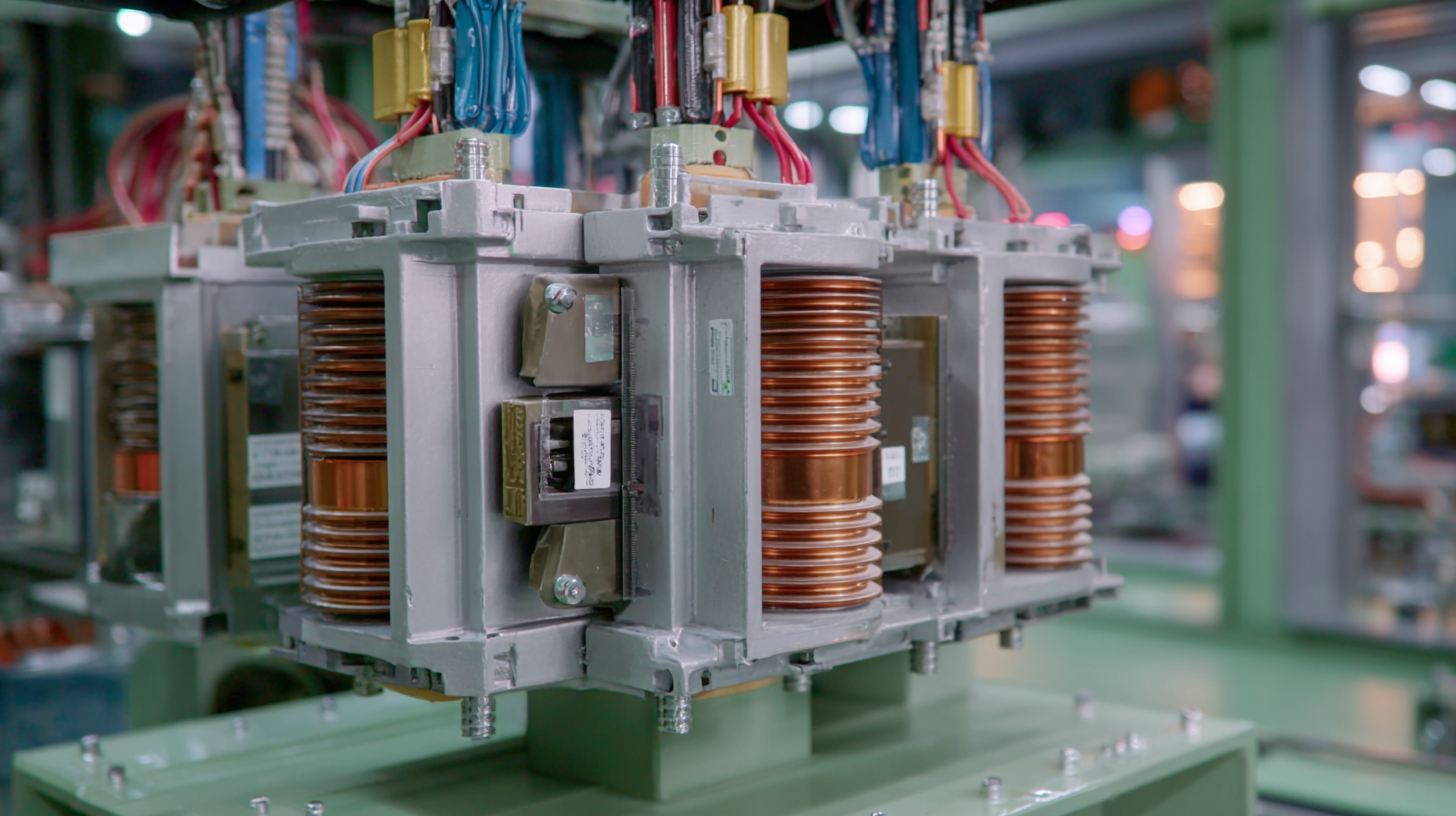
Key Parameters to Consider When Selecting a CT Transformer
Choosing the right Current Transformer (CT) for industrial use is pretty important if you want accurate measurements and reliable protection for your electrical systems. So, what should you be looking out for? Well, the main things are the burden rating, the accuracy class, and the insulation level. I read a recent report from the IEC (International Electrotechnical Commission), and it kinda made things clear—sticking to a burden rating somewhere between 1 and 15 VA usually does the trick for most industrial setups. That way, your measuring devices get enough power without messing up the accuracy.
Plus, the accuracy class is a big deal. Standards like IEEE C57.13 define what that means, and honestly, it can make or break your measurement reliability. For example, if you're dealing with revenue metering, going for a CT with an accuracy class of 0.3% is the way to go. But if it’s just for protection purposes, a 1.0% class might be more than enough. And don’t forget about insulation — it’s critical for making sure your transformer lasts longer, especially given the environmental and operational conditions. Most industrial environments call for a voltage rating of at least 600V, according to the Electrical Apparatus Service Association. All these bits really matter if you want your system to run smoothly and stay solid in the long run.
Comparative Analysis of CT Transformer Types and Their Applications
Choosing the right current transformer (CT) for industrial work can feel a bit overwhelming at first, especially with all the different types out there. It’s really important to understand what each kind is best for because, honestly, not every CT fits every application. You’ve got your wound CTs, toroidal ones, and bar CTs—each with their own quirks and perks. For example, wound transformers are the go-to if you need really high accuracy—they’re built for precision, which is why you’ll often see them in protective relay systems where measurement errors just can’t happen.
Then there are the toroidal CTs—these are super handy for tight spaces because they’re compact and have a low profile. They’re great for energy monitoring and give reliable current readings without taking up much room. And don’t forget about bar CTs—they tend to be more budget-friendly, handle pretty high currents, and are perfect for lower-voltage applications, especially if you’re dealing with big industrial setups.
By comparing these options and understanding your specific needs, you’ll be in a much better position to pick the right CT. This way, you make sure your system runs smooth and stays reliable—it's all about finding that perfect fit for your project!
Comparative Analysis of CT Transformer Types and Their Applications
This chart illustrates the different types of Current Transformers (CT) and their applications in various industrial sectors. The data represents the popularity and typical usage scenarios of each CT type.
Impact of Load Current Variations on CT Transformer Selection
When you're choosing a Current Transformer (CT) for industrial settings, it's really important to get a good handle on how load currents can change. You see, in these environments, load currents often fluctuate quite a bit because processes are constantly shifting and evolving. If you're not careful, these changes can mess with the CT's performance and accuracy. That’s why you really need to think about the range of load conditions you expect to encounter when picking out a CT. Using a CT that's not rated for the right load can lead to inaccurate readings and inefficient operation — and nobody wants that, especially when it affects your monitoring and protection systems.
To keep things running smoothly, look for a CT that can handle the peak load without losing precision during lighter loads. Basically, you want it to be versatile enough to manage those sudden spikes and transient conditions that pop up from time to time. Also, making sure it has the right burden ratings is super important — this can really help prevent problems caused by load swings. By taking the time to analyze your load characteristics thoroughly and choosing the right CT, you'll be able to boost operational efficiency, protect your equipment better, and make your system overall more reliable.
Honestly, a little extra effort upfront can save you a lot of headaches down the line!
Industry Standards and Compliance for CT Transformers
When you're choosing a current transformer (CT) for industrial work, it's super important to get a good grasp of the industry standards and compliance rules. Organizations like IEEE and IEC have set out guidelines that specify how a CT should perform, ensuring safety and accuracy. Following these standards isn't just about ticking boxes – it helps ensure your transformer provides reliable current readings and keeps everything safe across different operating conditions. Skipping or ignoring these standards can lead to costly mistakes, especially if you end up using equipment that's not up to par.
Plus, beyond the general international standards, it's a smart move to look into the specific requirements for your industry. For instance, sectors like oil and gas, manufacturing, or renewable energy might have their own rules, especially around things like environmental factors, electromagnetic interference, or how you set things up. Making sure your CT complies with these industry-specific rules not only boosts its reliability but also helps you avoid fines or disruptions down the line. So, picking the right transformer that checks all the boxes – both general standards and those tailored to your field – is honestly a key step in any industrial setup.
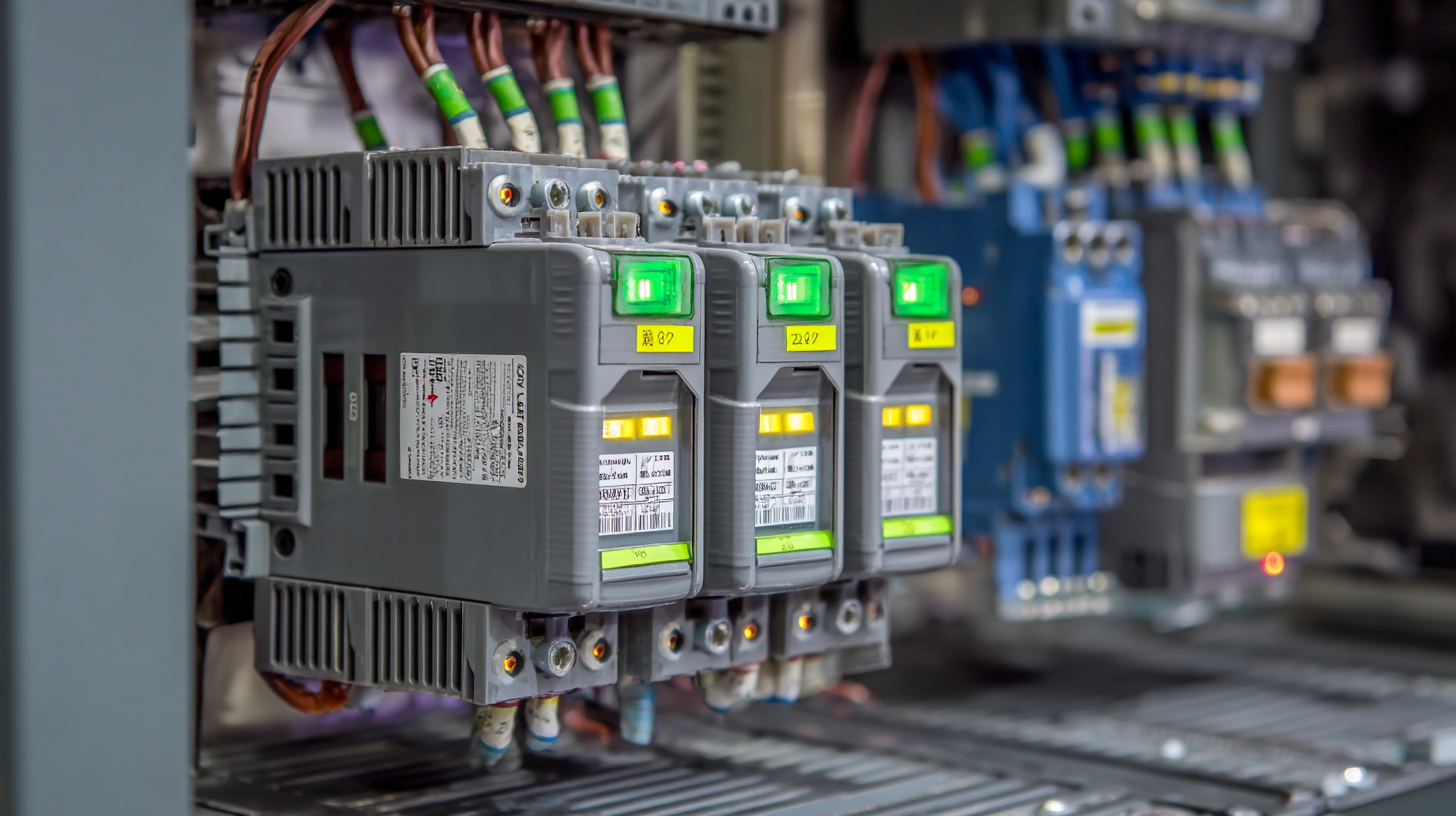
Cost-Benefit Analysis of Different CT Transformer Options
When you're choosing the right CT transformer for your industrial setup, it's really important to do a good old-fashioned cost-benefit check on the options out there. Sure, going for a top-notch transformer might seem pricey at first, but think about the long run—savings on maintenance and better efficiency can make it worth the investment. For example, a transformer with a higher rating usually gives you more accurate readings, which helps in managing energy better and ultimately cutting down operational costs.
One good tip is to look at the transformer’s specs and see how well it matches your load needs. Don’t just focus on the upfront price—consider things like energy losses, reliability, and how long it will last. Also, it pays to check out the manufacturer’s reputation and whether they provide solid after-sales support, because those details can really make or break your overall experience.
Another important thing to keep in mind is whether the transformer is scalable. As your industrial demands grow, you want a unit that can handle increased loads without you having to start from scratch. So, look for models with modular features—that way, upgrades are a breeze. And don’t forget to make sure the equipment meets all relevant standards and regulations, so you steer clear of unexpected compliance costs down the line.
How to Select the Right Ct Transformer for Your Industrial Application - Cost-Benefit Analysis of Different CT Transformer Options
| CT Transformer Type | Current Rating (A) | Accuracy Class | Cost (USD) | Benefits |
| Standard CT | 100 | 0.5 | 150 | Cost-effective, Reliable |
| Precision CT | 50 | 0.2 | 250 | High accuracy, Enhanced safety |
| Rogowski Coil CT | 200 | 1.0 | 300 | Lightweight, Flexible installation |
| Combined CT & VT | 75 | 0.5 | 400 | Space-saving, Versatile |
FAQS
: CTs are used to step down high currents to measurable values, enabling accurate monitoring and control of electrical networks.
It is essential to select a transformer that can handle the maximum expected current to avoid unnecessary costs from overrating or inaccuracies from underrating.
Key factors include the current rating, accuracy class, environmental conditions, and specific application requirements to ensure optimal performance.
The main types of CT transformers include wound, toroidal, and bar CTs, each with unique characteristics suited for various applications.
Wound transformers are designed for high accuracy and are ideal for applications requiring precise measurements, such as protective relay systems.
Toroidal CTs have a compact design and are suitable for space-constrained environments, providing accurate current sensing, especially in energy monitoring systems.
Consider the initial cost, long-term savings in maintenance and efficiency, energy losses, reliability, lifespan, and the manufacturer's reputation.
Look for models with modular features that allow easy upgrades and ensure compliance with relevant standards to avoid future compliance costs.
Assessing environmental conditions, such as temperature fluctuations and humidity, helps ensure that the selected transformer will withstand these factors, enhancing reliability and longevity.
The accuracy class is critical as it must align with the measurement needs of your operation, particularly for billing purposes or critical monitoring applications.
Conclusion
Choosing the right CT transformer really makes a difference when you're trying to optimize industrial setups. These devices play a key role in measuring current and keeping everything running smoothly. To get it right, it’s important to understand what these transformers do — basically, they convert high currents into levels that are easier to monitor and protect. When you're picking one, keep an eye on important things like accuracy, burden, and thermal ratings to make sure it lines up with what your system needs.
Plus, if you look into different types of CT transformers, you'll notice they each have their own perks and ideal uses. The load currents you’re working with can really sway your choice, so it’s worth considering those carefully. And of course, sticking to industry standards and regulations isn’t just about rules — it’s about keeping things safe and reliable.
Some companies, like Beijing TransFar Electronics Group Co., Ltd., are offering really advanced solutions, especially for the growing energy sector. They’ve got a wide range of high-tech CT transformers designed to meet modern demands. It’s always a good idea to do a thorough cost-benefit analysis, so you can pick the most efficient and cost-effective option in the long run.