Inquiry
Form loading...
0%

You know, in today’s fast-changing world of electronics manufacturing, the whole situation with tariff policies—especially between the U.S. and China—has really made companies take a step back and rethink their game plans. But even with all this chaos, the Pcb Mounted Electronics sector is holding strong. Industry analysts are predicting a solid growth rate of about 8% each year from 2021 to 2026, which is pretty impressive. At the heart of this evolution is Beijing TransFar Electronics Group Co., Ltd., which is really leading the charge with its high-tech solutions like new energy current/voltage sensors and precision electromagnetic components. With the soaring demand for electric vehicles, the need for cutting-edge PCB mounted electronics is becoming more and more crucial. It’s like manufacturers are having to juggle the tricky tariff situation while still pushing forward and adapting in this competitive landscape.

Navigating Tariff Challenges for Growth in Best Pcb Mounted Electronics Manufacturing

Understanding the Impact of Tariff Policies on PCB Mounted Electronics Manufacturing

Navigating the tricky world of tariff policies can feel like a real maze for companies involved in manufacturing PCB-mounted electronics. Seriously, understanding the ins and outs of these regulations is pretty crucial for staying on track with growth. Lately, those tariffs—especially the ones hitting components from China—have been throwing quite a wrench in the works, particularly since U.S. supply chains are still in the middle of a big transition. Take Southeast Asia, for example; it’s a major hub for electronics, but those tariffs have been disrupting operations there, making many companies think about bringing PCBA manufacturing back home as a more stable option.

So, how can businesses deal with these challenges? Well, it might be time to look into localized production strategies. There's actually some good news if you check out the Rigid Flex PCB Market, which is on track to jump from about $25.7 billion in 2024 to a whopping $77.7 billion by 2034. That really points to a strong potential for boosting domestic manufacturing. Plus, companies could take advantage of tariff cuts in specific areas, like the recent budget proposals from India, which could create a friendlier atmosphere for keeping manufacturing local.

**Tip:** Make sure you stay in the loop about which electronic components are free from tariffs so you can source your materials smartly and save some cash.

**Tip:** Think about reaching out to supply chain experts—they can help you pinpoint alternative manufacturing spots that come with tariff perks, which is essential for keeping your operations resilient.

Strategies for Chinese Manufacturers to Thrive Amidst Tariff Challenges

You know, the world of electronics manufacturing is changing so fast these days. It’s like a whirlwind! To keep up and really thrive, Chinese companies have to come up with some solid strategies to tackle those pesky tariffs and keep growing. I read this report from Statista that said the global PCB market is projected to hit a whopping $75 billion by 2025. A big chunk of that? It's all about the increasing demand for cool tech in areas like electric vehicles and renewable energy. But hey, while that’s exciting, it also brings its share of headaches—especially with tariffs throwing a wrench in cost structures and competitive positioning.

So, how can manufacturers, like Beijing TransFar Electronics Group Co., Ltd., really make it work? Well, focusing on innovation and finding ways to stand out can definitely help. By investing in the latest tech—think new energy current and voltage sensors, or precision electromagnetic components—they can tap into niche markets. That way, they won’t feel the pinch of tariffs as much. Plus, by boosting supply chain resilience through local sourcing and fine-tuning production processes, they can keep costs down and stay competitive. Overall, if they play their cards right and ride the wave of market trends and tech advances, Chinese manufacturers can turn those tariff challenges into real chances for growth. It’s all about finding that sweet spot in this fast-paced electronics world!

Navigating Tariff Challenges for Growth in Best PCB Mounted Electronics Manufacturing

Dimension Data
Market Growth Rate (2023) 8.5%
Tariff Impact on Costs 15%
Number of Affected Manufacturers 200
Alternative Markets Explored 3
Cost Reduction Strategies Implemented 5
New Partnerships Formed 10
Focus on R&D Investment 20% of Revenue

Key Innovations Driving Growth in China’s PCB Electronics Sector

You know, the PCB electronics industry in China is really picking up speed, and a big part of that is thanks to some cool innovations that are boosting productivity and efficiency. One of the standout changes has been the incorporation of automation and AI into manufacturing. These tech advancements help streamline the production process, cut down on human mistakes, and ramp up output — which definitely gives Chinese manufacturers a leg up in the global market. Plus, we've got these new advanced materials coming into play, like high-frequency substrates and flexible circuits, which help manufacturers meet the rising demand for high-performance electronic gadgets.

For companies trying to stay competitive in this landscape, it’s super important to invest in R&D to keep up with all the latest tech trends. Teaming up with local tech startups can also be a game-changer, leading to some innovative solutions and easy access to cutting-edge tech. And hey, keeping an eye on global tariff shifts and adjusting sourcing strategies can really help manage risks and strengthen the supply chain, too.

As this industry continues to grow, focusing on sustainability will be key. Manufacturers should think about using eco-friendly materials and energy-efficient processes. Not only does this align with the global push for sustainability, but it also resonates with consumers who care about the environment. By embracing these innovations and approaches, businesses can tackle the challenges ahead and tap into growth opportunities in this ever-changing sector.

Navigating Tariff Challenges for Growth in Best Pcb Mounted Electronics Manufacturing

Case Studies: Success Stories of Resilient PCB Manufacturers in China

In the face of increasing tariff challenges, several PCB manufacturers in China have demonstrated resilience and adaptability, turning obstacles into opportunities for growth. For instance, a leading PCB company focused on diversifying its supply chain, thereby reducing reliance on single-source suppliers. This strategy not only mitigated risks associated with tariffs but also created a more robust operational framework. Such adaptability has enabled these manufacturers to maintain competitive pricing without sacrificing quality.

**Tip:** Diversifying your supply chain is crucial. Engage with multiple suppliers across different regions to buffer against sudden tariff hikes and maintain flexible production capabilities.

Another success story comes from a manufacturer that invested in automation and advanced technologies. By incorporating cutting-edge machinery, they increased their production efficiency while decreasing labor costs. This not only enhanced their competitiveness in a tariff-heavy environment but also allowed them to allocate resources toward innovation and product development.

**Tip:** Investing in automation can lead to significant long-term savings. Assess your production processes to identify areas where technology can streamline operations and improve output quality, ultimately setting you apart from competitors.

Navigating Tariff Challenges for Growth in Best PCB Mounted Electronics Manufacturing

This pie chart illustrates the market share of different PCB manufacturing technologies in China, highlighting the resilience of companies facing tariff challenges.

Future Trends: Adapting to Ongoing Tariff Changes and Market Demands

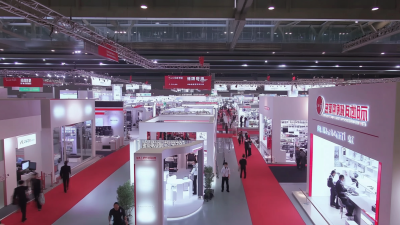
Navigating the ever-changing world of tariffs in PCB-mounted electronics manufacturing isn’t just about numbers; it’s really a dance of understanding what’s coming next and tweaking your strategies accordingly. With all these ongoing changes in tariff policies, manufacturers are finding themselves needing to rethink their supply chains and pay closer attention to what customers want. Just look at the buzz from recent trade shows like the Canton Fair—it’s clear that businesses have to be ready for a landscape that emphasizes flexibility and out-of-the-box thinking.

Here’s a tip: keep checking in on your supply chain strategies. Seriously, it’s super important. Manufacturers should think about mixing things up a bit by diversifying their suppliers and exploring new markets to lessen the risks that come with tariff shifts. This way, they’re not just weathering the storms but also ready to jump on fresh opportunities as they pop up in new markets.

Also, let’s talk about all those adaptive materials that are expected to see some serious growth in the next few years. This really highlights how innovation can bloom even when tariffs throw hurdles in the mix. Thanks to advancements in materials science and nanotechnology, PCB manufacturers can tap into these innovations to boost their product performance and keep up with what consumers are looking for.

Another tip? Investing in research and development can really pay off, leading to breakthroughs that resonate with market trends. By staying ahead of the game, companies can ensure that what they’re offering not only keeps pace with the future needs of both local and global markets, but also adapts smoothly to any tariff twists and turns.

Navigating Tariff Challenges for Growth in Best Pcb Mounted Electronics Manufacturing

Collaborative Approaches: Strengthening Supply Chains in a Tariff-Laden Environment

In today’s world of crazy tariffs, especially when it comes to PCB-mounted electronics manufacturing, it's really important for businesses to strengthen their supply chains through teamwork. You know, finding ways to work together can really help tackle the challenges that come with rising tariffs. As the landscape of international trade keeps evolving, manufacturers need to get creative and build relationships across borders. Plus, forming strategic partnerships can make a big difference. This proactive approach not only helps us bounce back from the impacts of tariffs but also sparks innovation and boosts productivity in the supply chain.

**Tip 1:** Try connecting with local suppliers! This can really help shorten the supply chain and reduce reliance on overseas parts. By teaming up with regional businesses, manufacturers can dodge those annoying transportation delays and cut down on costs that come along with tariffs.

**Tip 2:** Don’t forget to invest in tech that gives you a clear view of your supply chain. Having tools that offer real-time insights can be a game changer, helping businesses quickly adjust to tariff changes and fluctuating demands. It makes pivoting a lot easier when the need arises.

By embracing this collaborative spirit, manufacturers can use these strategies not just to survive but to truly thrive in this complicated global market.

FAQS

: What are the major challenges posed by recent tariff policies on PCB-mounted electronics manufacturing?

: Recent tariff policies, especially those affecting components from China, have significantly disrupted operations, particularly in Southeast Asia, leading companies to consider repatriation of PCBA manufacturing for sustainability.

How can businesses mitigate the effects of tariffs on their manufacturing processes?

Companies can adopt localized production strategies, stay informed about tariff exemptions, and engage with supply chain experts to identify alternative manufacturing locations that provide tariff advantages.

What is the projected growth of the Rigid Flex PCB Market by 2034?

The Rigid Flex PCB Market is projected to expand from USD 25.7 billion by 2024 to USD 77.7 billion by 2034, indicating potential for growth in domestic manufacturing capabilities.

What strategies have successful PCB manufacturers in China implemented to adapt to tariffs?

Successful manufacturers have diversified their supply chains to reduce reliance on single-source suppliers and invested in automation and advanced technologies to enhance production efficiency and competitiveness.

Why is diversifying the supply chain important in a tariff-heavy environment?

Diversifying the supply chain helps buffer against sudden tariff hikes and allows manufacturers to maintain flexible production capabilities, thereby reducing risks associated with tariffs.

What role does technology play in strengthening supply chains in a tariff-laden environment?

Investing in technology that enhances supply chain visibility provides real-time insights, allowing businesses to quickly adapt to tariff changes and demand fluctuations, improving overall operational resilience.

How can engaging with local suppliers benefit manufacturers facing tariffs?

Collaborating with local suppliers can shorten the supply chain, reduce dependency on overseas components, and mitigate transportation delays and associated tariff costs.

What long-term benefits can come from investing in automation in manufacturing?

Investing in automation can lead to significant long-term savings by increasing production efficiency, reducing labor costs, and allowing resources to be allocated towards innovation and product development.

Isabella

Isabella

Isabella is a dedicated marketing professional at Beijing Chuang Sifang Electronics Group Co., Ltd., where she combines her passion for technology with her expertise in strategic communication. With a deep understanding of the company's innovative product offerings, Isabella plays a vital role in......
Previous Exploring the Benefits of Current Transformers for Efficient Energy Management